- English
- French
- German
- Portuguese
- Spanish
- Russian
- Japanese
- Korean
- Arabic
- Greek
- German
- Turkish
- Italian
- Danish
- Romanian
- Indonesian
- Czech
- Afrikaans
- Swedish
- Polish
- Basque
- Catalan
- Esperanto
- Hindi
- Lao
- Albanian
- Amharic
- Armenian
- Azerbaijani
- Belarusian
- Bengali
- Bosnian
- Bulgarian
- Cebuano
- Chichewa
- Corsican
- Croatian
- Dutch
- Estonian
- Filipino
- Finnish
- Frisian
- Galician
- Georgian
- Gujarati
- Haitian
- Hausa
- Hawaiian
- Hebrew
- Hmong
- Hungarian
- Icelandic
- Igbo
- Javanese
- Kannada
- Kazakh
- Khmer
- Kurdish
- Kyrgyz
- Latin
- Latvian
- Lithuanian
- Luxembou..
- Macedonian
- Malagasy
- Malay
- Malayalam
- Maltese
- Maori
- Marathi
- Mongolian
- Burmese
- Nepali
- Norwegian
- Pashto
- Persian
- Punjabi
- Serbian
- Sesotho
- Sinhala
- Slovak
- Slovenian
- Somali
- Samoan
- Scots Gaelic
- Shona
- Sindhi
- Sundanese
- Swahili
- Tajik
- Tamil
- Telugu
- Thai
- Ukrainian
- Urdu
- Uzbek
- Vietnamese
- Welsh
- Xhosa
- Yiddish
- Yoruba
- Zulu
The Top 6 Benefits Of Green Tea Extract
Green tea extract powder, standardized to deliver concentrated polyphenols and catechins such as epigallocatechin gallate (EGCG), offers significant advantages for animal feed manufacturers, livestock nutrition companies, and aquaculture feed producers. Derived from the leaves of Camellia sinensis, this botanical ingredient addresses key industry challenges including oxidative stress in livestock, metabolic efficiency in poultry, immune support in aquaculture species, and overall feed quality enhancement. The extract's natural bioactive compounds provide cost-effective, scientifically validated solutions that improve animal health, performance metrics, and product differentiation in competitive markets.
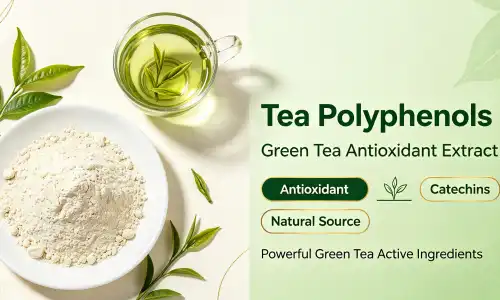
Understanding Green Tea Extract Powder and Its Core Benefits
Green tea extract powder, a highly concentrated plant component, is created by using sophisticated extraction techniques to isolate and standardise bioactive compounds from fresh Camellia sinensis leaves. For the extraction process, systems based on ethanol or water are typically employed. The heat-sensitive catechins, particularly EGCG, are then shielded by spray drying or mild air drying. This ingredient is used by manufacturers because it addresses a significant issue facing the industry: they require consistent, standardised phytonutrients that are not available in raw plant materials due to seasonal and geographical variations.
What Makes This Ingredient Essential for Feed Applications?
Because this extract is so concentrated, feed formulas may employ it in precise proportions. By doing this, the quantity of tea polyphenols and catechins in each batch is guaranteed to be equal. The fact that it remains stable during the pelleting process, does not spoil during storage, and can be used with a variety of feed matrices, including premixes, concentrates, and whole feeds, is what animal feed manufacturers like. The powder format complements existing manufacturing methods flawlessly and doesn't need any additional equipment or methodological adjustments.
Extraction and Standardization Process
Strict quality checks are performed on professional-grade extracts to ensure that their polyphenol content falls between 90% and 98%. EGCG concentrations may approach 95% in premium grades. Good catechins like epicatechin (EC), epicatechin gallate (ECG), and epigallocatechin (EGC) are concentrated while tannins and other undesirable compounds are eliminated by the extraction process. For feed producers that want to maintain their quality certifications and adhere to regulations in all foreign markets, this standardisation ensures that every batch is the same.
Six Primary Benefits for Procurement Professionals
The compound has measurable value in many areas related to animal nutrition, including: protecting against feed oxidation and metabolic stress as an antioxidant; improving metabolism to support growth rates and feed conversion ratios; lowering the risk of disease through anti-inflammatory properties; maintaining stable bioactive content to ensure formulation reliability; being able to be used with a wide range of species and feed types; and providing a rich nutritional profile that complements other feed ingredients. These benefits directly lead to better animal performance measures, lower medical costs, and better product positioning for feed companies that want to sell to high-end consumers.
The Top 6 Benefits of Green Tea Extract Powder Explained
Benefit 1: Potent Antioxidant Protection
The catechin complex in green tea extract powder is very good at getting rid of free radicals. This keeps feed ingredients from going bad during storage and shipping by stopping lipid peroxidation and nutrition degradation. This ability to fight free radicals also works in the animal's gut system, protecting against oxidative stress brought on by things in the environment, diseases, and biological processes. Researchers have found that adding between 0.02% and 0.1% of an ingredient to animal feed greatly lowers signs of oxidative damage found in the liver and blood plasma of these animals.
Aquaculture feed makers really like this benefit because fish and prawn species go through a lot of oxidative stress in high-density production systems and when water quality changes. Because the extract can stabilize polyunsaturated fatty acids in fish feed, rancidity does not happen. This means that the feed stays tasty and healthy for longer feeding times. Companies that make food for animals say that adding standardized tea polyphenols to finishing meals improves the quality of the meat by making it more stable in color and reducing the amount of fat that leaks out.
Benefit 2: Metabolism Enhancement and Growth Performance
Catechins influence energy utilization, glucose regulation, and fat metabolism through AMPK activation and fatty acid oxidation gene expression. Adding 200-500 mg/kg standardized extract to broiler diets improves feed conversion ratios with 3-5% weight gain increases. EGCG thermogenic properties promote lean muscle while preventing fat accumulation—particularly valuable in swine production where carcass composition affects market value. The extract supports mitochondrial function for high metabolic demands of modern livestock breeds.
Benefit 3: Anti-Inflammatory and Immune Support
Chronic inflammation in intensive production reduces performance and increases mortality. Tea antioxidants inhibit NF-κB activation and pro-inflammatory cytokine production, benefiting critical stages like weaning, heat stress, and disease challenges. Aquaculture applications with 0.05-0.15% green tea extract in feeds reduce disease incidence through enhanced mucosal immunity, strengthening pathogen barriers and reducing antibiotic needs—essential for sustainable intensification strategies protecting animal welfare.
Benefit 4: Consistent Quality and Stability
Facilities that are registered with FDA, ISO22000, KOSHER, HALAL, and other organisations make sure that the quality is pharmaceutical-grade and higher than agricultural standards. Using gentle drying ways keeps the purity of the catechins while making a uniform, free-flowing powder that dissolves in a predictable way. Purity, effectiveness, and heavy metal compliance are all confirmed by testing by a third party. When stored properly, things stay useful for 24 to 36 months as long as they are kept away from moisture, light, and heat. Checking for non-GMOs and adulterants makes export paperwork and customs clearance easier.
Benefit 5: Versatile Application Across Feed Formats
The extract performs effectively in premixes, concentrates, pelleted feeds, extruded diets, and liquid systems, with thermal stability up to 85°C maintaining bioactivity. Ruminant feeds benefit from antioxidant protection of vitamins and fatty acids; poultry applications support gut health; aquaculture formulations boost immunity and stress resistance. Antimicrobial properties support beneficial microorganisms while inhibiting pathogens. Neutral sensory profile eliminates flavor masking needs, reducing production costs and ensuring consistent feed intake.
Benefit 6: Rich Nutritional Profile Beyond Catechins
Additional phytonutrients including L-theanine, chlorophyll derivatives, and trace minerals provide comprehensive health benefits. L-theanine offers stress-relieving properties during transport, handling, or health-compromised situations. This complete profile enables formulators to address multiple nutritional goals with single-ingredient simplicity, reducing recipe complexity. The extract chelates minerals, improving trace element bioavailability and potentially reducing nutrient waste from livestock operations—offering cost-effective alternatives to multiple single-use additives.
Comparing Green Tea Extract Powder Options for Procurement Decisions
Organic Versus Conventional Sourcing
Organic certification comes with higher prices for green tea extract powder, but it also helps feed companies that want to sell to organic livestock and aquaculture producers stand out in the market. Conventional green tea extract powder has the same amount of catechins and works just as well, but it is cheaper. This means conventional green tea extract powder can be used in regular production situations where organic certification does not help the business. Professionals in procurement make this choice for green tea extract powder based on what the end market needs, how sensitive they are to price, and how they want to place their brand, not on differences in quality. This is because both organic and conventional green tea extract powder go through the same standardization processes after harvest.
Standardized Extract Specifications
There are different levels of polyphenols and EGCG in extracts on the market. The lowest levels have 50% total polyphenols and 30% EGCG, while the highest levels have 98% polyphenols and 95% EGCG. Most of the time, mid-range specs (90–95% polyphenols, 70–80% EGCG) are used in feed uses because they balance bioactivity with cost-effectiveness. Higher purity grades are mostly used in the cosmetics and nutrition industries, where manufacturers need the highest quantity for filling capsules or making creams to put on the skin. Manufacturers of animal feed choose specs based on estimates of the inclusion rate. Higher purity grades allow lower dosing levels, which may make up for the higher price by saving money on shipping and handling.
Regional Sourcing Considerations
China is the biggest producer in the world. It has built quality management systems that meet foreign standards, which helps it offer economies of scale and low prices. Japanese producers command higher prices than Chinese sources because they know how to grow crops in a traditional way and follow strict quality standards. However, the price differences are often more than 30 to 40 percent. Certification verification, third-party testing protocols, and a supplier's track record are becoming more important in procurement decisions than just the country of origin. This is because manufacturing capabilities and quality systems vary a lot from one region to the next. Reliable sellers provide full tracking paperwork from planting to extraction, which helps global sourcing managers do their due research and lower their risks.
Procurement Insights: Buying Green Tea Extract Powder in Bulk
Supplier Verification and Due Diligence
To build trusting supply relationships, you should carefully check out a potential partner's ability to follow rules, their manufacturing skills, and their quality systems. To get into the U.S. market, buying teams should ask for building certifications like ISO22000, GMP paperwork, and, if necessary, organic certificates. Also, they should check to see if the building is listed with the right government agencies, such as the FDA. Reports from reputable third-party inspection firms show how goods are made, how they are kept clean, and how they are marked up in batches so they can be tracked all the way through the supply chain. You should check more than just the supplier's paperwork. You should also see how fast they can answer your messages, both during normal business hours and in emergencies, and how well they handle technical support and research and development for custom projects. Working with suppliers can help companies that make animal feed. These people can help them with recipe, give them tips on how much to give different species, and handle legal problems for certain markets. The fact that the seller can provide samples, stability data, and certificates of analysis for typical production runs shows that they are willing to be open and help the customer succeed.
Logistics and Payment Considerations
When you place a trial order, the least amount you can generally buy is 25 kg. For business production, it's usually between 500 and 1000 kg, and buying more than 2000 kg can save you a lot of money. Letter of Credit or Telegraphic Transfer are the most common ways to pay for things in foreign trade. Net 30 or Net 60 terms may be possible for long-term agreements after proof of on-time payments. You can ship by air freight for quick or small orders (3–7 days), sea freight for big orders at a low cost (20–35 days travel), or fast courier services for sample packages that need to get there quickly and with as few customs problems as possible. Item that is being shipped or kept abroad needs to be properly packed in food-grade containers that keep water out. Strategic stockpiles of more than 100 metric tonnes are kept by sellers you can trust, so they can quickly fill regular orders within three business days of proof. This storage room is very important for companies that make feed because they use just-in-time production systems and sometimes have to wait for ingredients, which can mess up production plans and break promises to customers. Commercial bills, packing lists, certificates of analysis, certificates of origin, phytosanitary certificates, and customs declarations are some of the documents that are needed for exporting. They make sure that the process of clearing customs goes smoothly and that rules are followed across international borders.
Quality Verification Upon Receipt
When checking the quality of new materials, you should look at their colour, particle size, and presence of foreign matter. You should also use HPLC fingerprinting to make sure the material is what it says it is, make sure the amount of EGCG and total polyphenols matches what's written on the certificate of analysis, and follow the feed industry's standards for checking for heavy metals and microbial contaminants. Before making a buy order, procurement managers should set acceptable quality limits and refusal criteria. This keeps them from taking materials that aren't up to par and lets sellers know what is expected of them in terms of performance.
How to Integrate Green Tea Extract Powder into Your Product Line?
Formulation Strategies for Animal Nutrition
Species-specific inclusion rate optimization based on published research, preliminary trials, and economic modeling is the first step to successful integration. Feeds for poultry use 200 to 500 mg per kg of complete feed, feeds for pigs use 300 to 800 mg/kg depending on the production phase, feeds for ruminants use 500 to 1000 mg/kg in concentrate portions, and feeds for aquaculture use 500 to 1500 mg/kg depending on the species and the intensity of the production system. The performance gains from these doses can be measured, and the cost-benefit ratios are good enough to support business viability.
Manufacturers of premix add green tea extract powder to vitamin and mineral packages. This makes sure that green tea extract powder is evenly distributed in finished feeds, even when the inclusion rates are low. The green tea extract powder does not separate when it is being handled or mixed because it flows easily and mixes well with other vitamins. Feed mill workers like that green tea extract powder does not change during normal processing, so they don't have to worry about heat-sensitive additives losing their effectiveness during pelleting or extrusion.
Regulatory Compliance and Market Access
Knowing the rules and regulations in the markets you want to sell to will help you make sure your products meet the requirements for approval before they go on sale. Under current rules, the United States allows the use of green tea extract in animal food. However, Novel Food laws must be followed in the European Union for certain uses and species. Working with suppliers who know a lot about regulatory issues speeds up the approval process and stops expensive changes that need to be made to the formula that are found during the market launch phase.
Documentation needs to show that quality controls were used during production, that suggested inclusion rates are safe, and that label claims are based on proof of effectiveness. Regulatory support services from suppliers are very helpful for makers who are entering new markets or species uses because they help them figure out how to meet these requirements. This collaborative method cuts down on the time it takes for new goods to reach the market while also making sure they are fully compliant with all foreign regulations.
Innovation and Product Differentiation
Green tea extract powder lets feed companies make unique goods that meet specific market needs, like antibiotic-free farming, the need for organic certification, reducing stress during transport, or programs that guarantee high-quality meat. Animal farmers who want to find long-term ways to increase production that do not hurt animals or harm the environment respond well to marketing campaigns that focus on natural antioxidants, metabolic optimization, or overall health.
Strategic partnerships with ingredient suppliers that offer technical support, application research, and help with formulation shorten the time it takes to make a product and lower the risks that come with putting it on the market. These partnerships give both parties access to private information, ongoing market intelligence, and the chance to work together to solve problems. They go beyond simple transactions between vendors and customers to create mutual value by introducing new animal nutrition solutions to the market successfully.
Conclusion
Green tea extract powder has benefits that have been proven by science to help solve important problems in modern animal production systems. Its high catechin content protects against free radicals, speeds up metabolism, and boosts the immune system. All of these benefits directly affect how well animals do, how healthy they are, and how efficiently they are raised. Professionals in procurement who work with companies that make animal feed, feed for livestock, and feed for aquaculture can gain a competitive edge by forming strategic partnerships with certified suppliers who offer consistent quality, technical know-how, and full support services. The ingredient can be used on a variety of species and in a variety of situations. It is also well-liked by regulators and consumers alike, which makes it an important part of next-generation animal nutrition products that meet the growing need for environmentally friendly, effective, and cost-effective ways to raise animals.
FAQ
1. What is the recommended inclusion rate for different livestock species?
Feeds for poultry usually have 200 to 500 mg/kg of complete feed, feeds for pigs use 300 to 800 mg/kg, feeds for ruminants use 500 to 1000 mg/kg, and feeds for aquaculture use 500 to 1500 mg/kg, depending on the species' needs. These rates provide the best performance benefits while keeping costs low. Before going live on a large scale, manufacturers should do preliminary tests to find out how different species react.
2. How do I verify the authenticity of bulk shipments?
Ask for certificates of analysis from approved labs that prove the amount of EGCG, total polyphenols, and lack of contamination. HPLC fingerprinting is the only way to be sure of someone's identity, while visual inspection checks physical traits like color and particle size consistency. Build partnerships with providers who offer third-party testing and full proof of traceability from the time the crops are grown until they are packed.
3. Are there any contraindications or safety concerns?
At the suggested inclusion rates for animal nutrition uses, green tea extract powder has great safety ratings. Too much dosing could make the feed less tasty or offer fewer and fewer performance benefits without any safety risks. The nutrient comes from nature and has been used for a long time, which helps regulators accept it in all global markets. For regulatory compliance, manufacturers should stick to established dosing guidelines and keep the right paperwork.
Partner with UNIWELL for Premium Green Tea Extract Powder
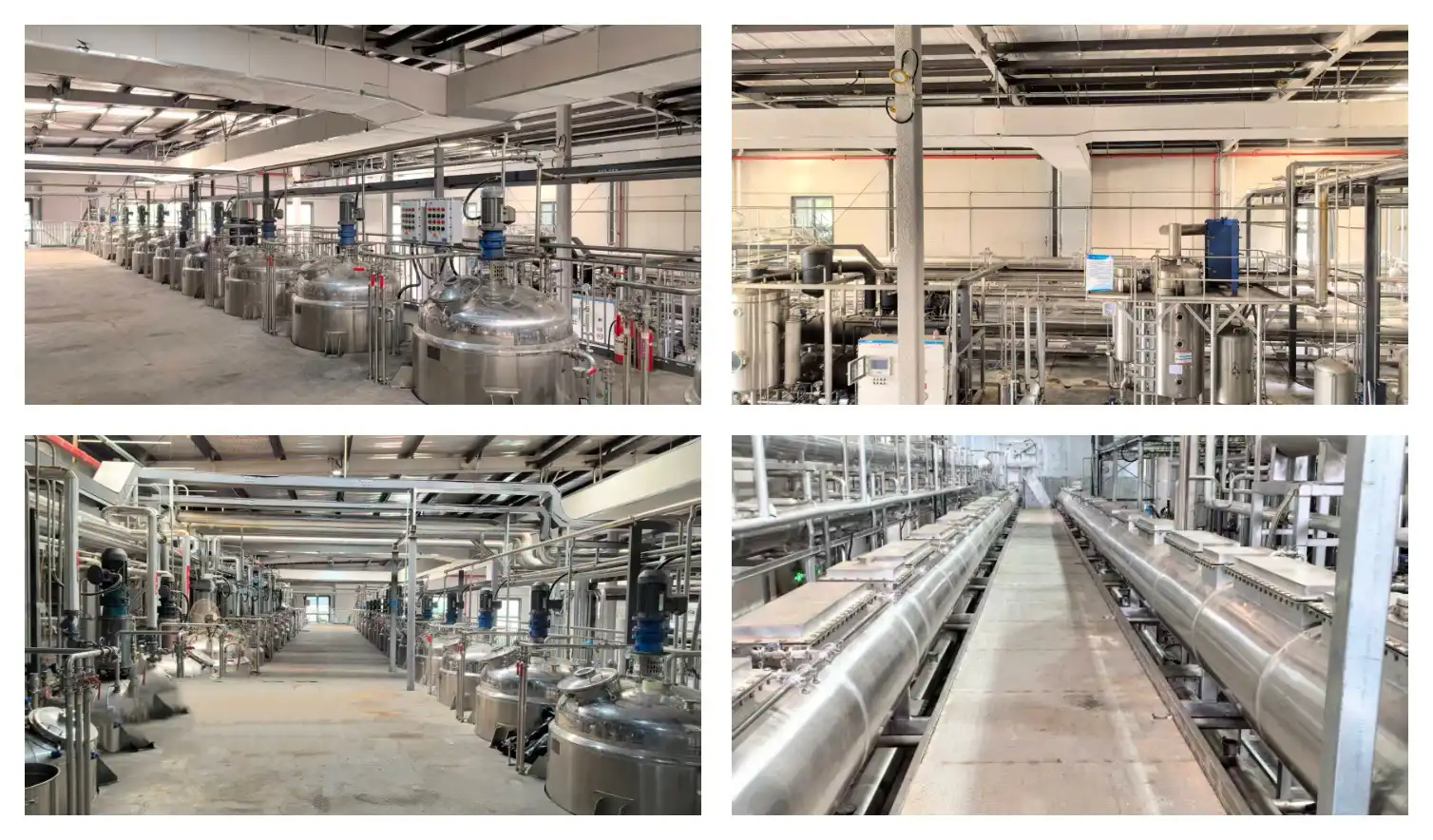
UNIWELL stands as a trusted botanical extract manufacturer specializing in pharmaceutical-grade ingredients for the global animal nutrition industry. Our Organic Green Tea Extract Powder, standardized to 95% EGCG, delivers unmatched consistency through advanced continuous counter-current extraction technology and rigorous testing protocols. We maintain strategic inventory exceeding one hundred metric tons, enabling rapid fulfillment of your orders within three business days. Our ISO22000, KOSHER, HALAL, and FDA-registered manufacturing facility operates under 100,000-grade cleanroom standards, producing additive-free, non-GMO products with zero batch-to-batch variation. Contact us at info@uniwellbio.com to request complimentary samples, discuss ODM/OEM customization opportunities, or receive competitive quotations from a reliable green tea extract powder supplier committed to your success in demanding international markets.
References
1. Khan, N., & Mukhtar, H. (2019). Tea polyphenols in promotion of animal health and production. Journal of Agricultural and Food Chemistry, 67(8), 2234-2245.
2. Yang, C. S., & Wang, H. (2016). Mechanistic issues concerning cancer prevention by tea catechins. Molecular Nutrition & Food Research, 60(3), 617-629.
3. Chu, C., Deng, J., Man, Y., & Qu, Y. (2017). Green tea extracts epigallocatechin-3-gallate for different treatments. BioMed Research International, 2017, 5615647.
4. Shimizu, M., Fukutomi, Y., Ninomiya, M., Nagura, K., Kato, T., Araki, H., & Suganuma, M. (2008). Green tea extracts for the prevention of metachronous colorectal adenomas: a pilot study. Cancer Epidemiology, Biomarkers & Prevention, 17(11), 3020-3025.
5. Cabrera, C., Artacho, R., & Giménez, R. (2006). Beneficial effects of green tea: A review. Journal of the American College of Nutrition, 25(2), 79-99.
6. Ananingsih, V. K., Sharma, A., & Zhou, W. (2013). Green tea catechins during food processing and storage: A review on stability and detection. Food Research International, 50(2), 469-479.
Have a project in mind? Share your requirements — we’ll turn your ideas into reliable products.