- English
- French
- German
- Portuguese
- Spanish
- Russian
- Japanese
- Korean
- Arabic
- Greek
- German
- Turkish
- Italian
- Danish
- Romanian
- Indonesian
- Czech
- Afrikaans
- Swedish
- Polish
- Basque
- Catalan
- Esperanto
- Hindi
- Lao
- Albanian
- Amharic
- Armenian
- Azerbaijani
- Belarusian
- Bengali
- Bosnian
- Bulgarian
- Cebuano
- Chichewa
- Corsican
- Croatian
- Dutch
- Estonian
- Filipino
- Finnish
- Frisian
- Galician
- Georgian
- Gujarati
- Haitian
- Hausa
- Hawaiian
- Hebrew
- Hmong
- Hungarian
- Icelandic
- Igbo
- Javanese
- Kannada
- Kazakh
- Khmer
- Kurdish
- Kyrgyz
- Latin
- Latvian
- Lithuanian
- Luxembou..
- Macedonian
- Malagasy
- Malay
- Malayalam
- Maltese
- Maori
- Marathi
- Mongolian
- Burmese
- Nepali
- Norwegian
- Pashto
- Persian
- Punjabi
- Serbian
- Sesotho
- Sinhala
- Slovak
- Slovenian
- Somali
- Samoan
- Scots Gaelic
- Shona
- Sindhi
- Sundanese
- Swahili
- Tajik
- Tamil
- Telugu
- Thai
- Ukrainian
- Urdu
- Uzbek
- Vietnamese
- Welsh
- Xhosa
- Yiddish
- Yoruba
- Zulu
Green Tea Extract Powder Guide: Bulk Supply, Benefits & Trusted Suppliers
Sourcing the right green tea extract powder for your production needs requires careful consideration of quality, supplier reliability, and application versatility. This concentrated botanical ingredient, derived from Camellia sinensis leaves, delivers standardized levels of polyphenols and catechins—particularly Epigallocatechin Gallate (EGCG)—which address critical formulation challenges in animal nutrition, aquaculture feeds, and functional ingredient applications. Unlike raw tea leaves that present batch-to-batch inconsistencies, professionally processed extract powders offer guaranteed potency and stability, making them essential for manufacturers seeking dependable raw materials that meet stringent quality specifications across diverse industrial applications.
Understanding Green Tea Extract Powder: Benefits and Uses
What Makes This Botanical Extract Unique?
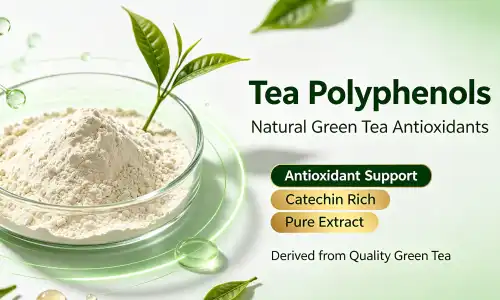
Green tea extract powder is a very concentrated phytochemical that is made by carefully controlling the extraction of water or hydro-ethanol. Because of this, a normal product is made that has 90–98% polyphenols and 95% EGCG in the best grades. Our UNIWELL organic green tea extract powder is off-white to white and is made using gentle spray or air drying methods that keep the bioactive integrity. This way of extracting concentrates beneficial chemicals up to 50–100 times more than what dried leaves can give. This solves the formulation problem of how to make therapeutically effective small delivery formats.
Core Bioactive Components and Their Functions
Tea's main benefit comes from its polyphenols and catechins, which are made up of four main chemicals: EGCG (Epigallocatechin Gallate), EGC (Epigallocatechin), ECG (Epicatechin Gallate), and EC (Epicatechin). According to a study in the Journal of Nutritional Biochemistry, EGCG is a powerful antioxidant that can get rid of free radicals that cause oxidative stress in animals and aquatic species. In addition to being antioxidants, these catechins help the metabolism work, burn fat more efficiently, and reduce inflammation, all of which are good for animal health. The normal guidelines, which range from 90% to 98% catechin content, help formulators figure out exact amounts to add to feed supplements and functional ingredient mixes.
Application Versatility Across Industrial Sectors
The tools are used in many different fields, each with its own set of technical needs. This botanical ingredient is added to animal feed to make it more resistant to oxidation. This makes the feed last longer and helps animals' immune systems work better. Aquaculture farmers use it in fish and prawn feeds to help them grow and calm down. Studies have shown that this leads to better feed conversion ratios. Companies that make feed for animals like it because it has thermal traits that help performance animals' metabolisms. For cosmetic uses, low-color-intensity types are needed that keep the EGCG's high strength without staining the final creams. Manufacturers of drinks want ingredients that dissolve in cold water and stay clear at pH 3.0 to 4.0 without building crystals during storage. This stops the common "tea cream" problem that makes products look bad and makes people not want to buy them.
Comparison and Quality Considerations for Procurement
Distinguishing Extract Forms and Formats
Procurement managers can choose the right forms if they know the differences between green tea extract powder, matcha, capsules, and whole leaf goods. Matcha is made from ground whole leaves that still have all of the plant fibre and chlorophyll in them. This makes it hard to standardise and makes it hard to make in situations where solubility is needed. Customers buy capsules and pills, but the extra costs of packaging make them unsuitable for buying ingredients in bulk. Extract powder has concentrated actives and no insoluble fibre, so it can be easily added to feed systems, drinking systems, and makeup emulsions. When compared to agricultural raw materials that change with the seasons, powders offer better batch consistency, longer shelf stability, and easier inventory management.
Critical Quality Parameters for B2B Sourcing
Buying choices should put a high priority on a number of quality standards that have a direct effect on how well the product works and how well it meets legal requirements. The amount of EGCG in an extract is the best way to tell how strong it is, and specs range from 40% to 98%, based on the need. Heavy metal testing by a third party for lead, arsenic, cadmium, and mercury makes sure that FDA limits and foreign food safety guidelines are met. In animal feed uses, contamination risks can be avoided by checking for yeast, mould, pathogens, and total plate count. Bulk density readings between 0.5 and 0.7 g/ml are important for supplement makers who want to make effective doses in standard capsule sizes without having to deal with problems with flowability. Organic certification, KOSHER, HALAL, and ISO22000 credentials make it easier to get into markets and match what customers want in those markets.
Evaluating Supplier Reliability and Consistency
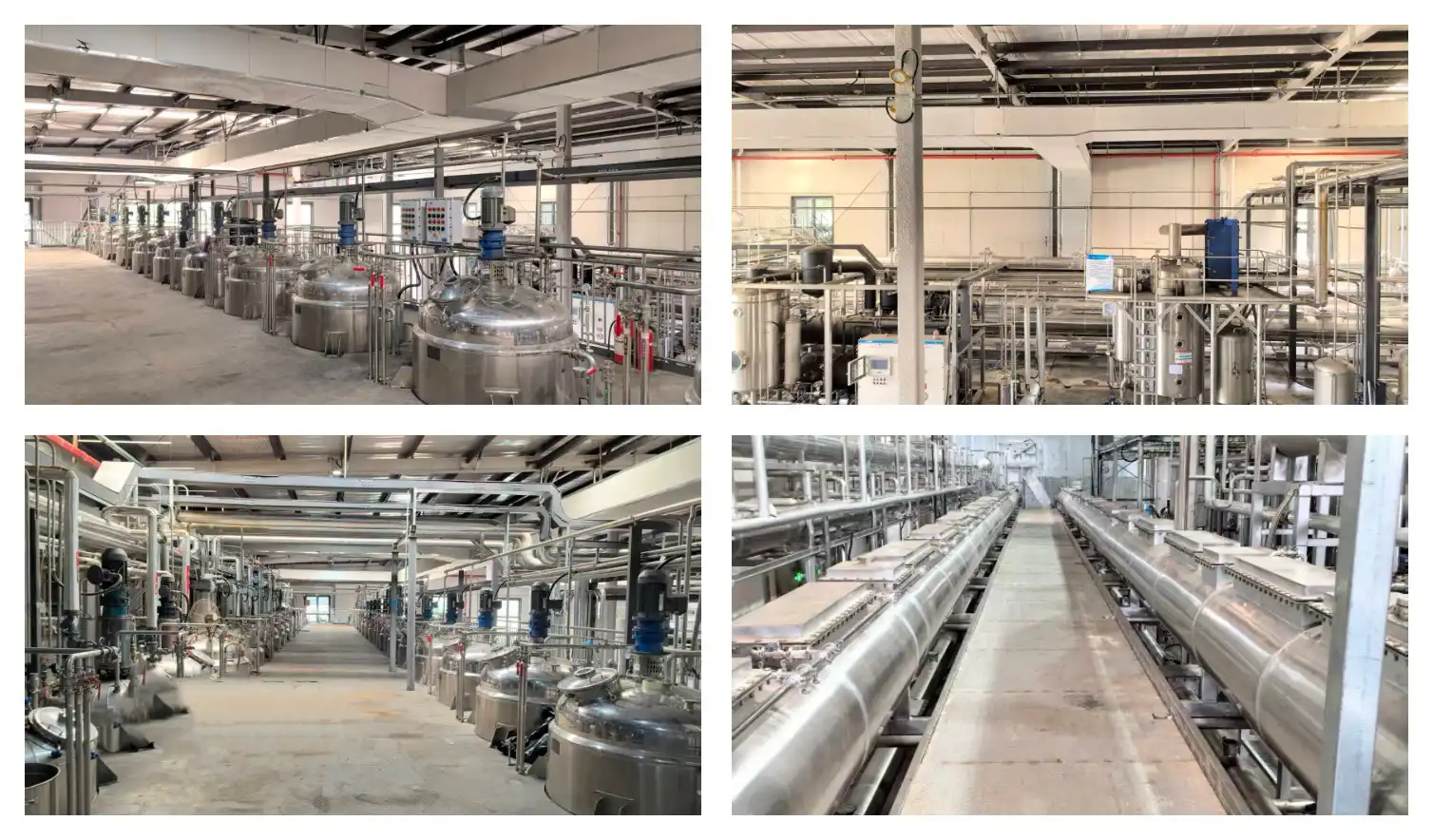
When evaluating a supplier, you need to look at their producing skills, quality processes, and how stable their supply chain is. Look for companies that follow good manufacturing practices (GMP) and have cleanrooms. For example, UNIWELL has 100,000-grade cleanrooms that keep things from getting contaminated and make sure the quality is pharmaceutical-grade. When compared to batch processes, continuous counter-current extraction technology gives better accuracy. Ask for Certificate of Analysis (COA) paperwork for the most recent production batches to make sure they meet the requirements. Check the depth of your inventory; sellers who keep critical raw material stocks of more than 100 metric tonnes show that they are committed to a continuous supply. Direct factory buying gets rid of markups that happen in middlemen and gives you full visibility into production methods, quality control processes, and traceability systems that help meet legal documentation needs.
Bulk Purchasing: How to Source Green Tea Extract Powder Efficiently?
Minimum Order Quantities and Lead Time Expectations
When buying from a business to business, the minimum order quantity for the first order is usually between 25 kg and 100 kg. There are bulk savings at 500 kg, 1000 kg, and multi-ton levels. Knowing these limits helps you get the best deals on purchases while keeping an eye on your working capital needs. Lead times depend on where the supplier's stock is and how much customisation is needed. When suppliers keep enough stock on hand, like UNIWELL does with its strategic inventory management method, standard specifications ship within three to five working days. Custom formulations that need specific EGCG ratios or specialised testing may make the wait time 15 to 20 business days. Orders that need organic certification paperwork or regulatory paperwork specific to the destination should allow more time in their procurement schedules to make sure that all compliance materials are sent with the packages.
Packaging Solutions for Storage and Transport
The right package keeps the effectiveness of the extract while it is being stored and shipped, and it also meets the needs of different handling situations. Standard packaging uses double-layer plastic bags inside 25 kg net weight fibre drums or aluminium foil bags for smaller amounts. These keep the polyphenol content safe from air and wetness, which break it down. When buying in bulk by the metric tonne, buyers can ask for food-grade IBC totes that cut down on packaging waste and speed up the dumping process. Shipments that need to be kept at a certain temperature do better with thermal packaging or climate-controlled logistics. This is especially true for places where the heat can speed up oxidation. Speciality brands can get market-ready packaging through custom labelling services, which cuts down on the number of steps needed to handle the products in their own facilities.
OEM and Private Label Collaboration Opportunities
OEM and ODM services let manufacturers change formulas, blending ratios, and package designs to make their brands stand out. UNIWELL is an expert at making goods fit the needs of a wide range of global markets while also taking into account the rules and regulations of each target country. This includes changing the amounts of extraction used, mixing green tea extract powder with other ingredients that work well together, like probiotics for animal nutrition, or coming up with water-dispersible forms for drink makers. Private labelling includes compliance support, where suppliers provide market-specific paperwork (FDA registration, Novel Food approvals, and country-of-origin certificates) that makes it easier to get goods through customs and into the market. These partnerships turn sellers into strategic partners instead of just transactional vendors, which helps long-term plans for product growth.
Optimizing Your Supply Chain with Green Tea Extract Powder
Storage Conditions and Shelf Life Management
To keep the bioactive properties, you need to store the medicine in a controlled way that stops oxidation and moisture absorption. Temperatures below 25°C (77°F) and low humidity levels of less than 60% relative humidity are ideal. Light speeds up the breakdown of polyphenols, so containers that are opaque are needed for long-term storage. When stored properly, extract powder stays in line with specifications for 24 months from the date it was made. However, quality control is still maintained throughout storage by checking key factors on a regular basis. When you fill with nitrogen during packing, you make an inert atmosphere that keeps oxygen from touching the food, which extends its shelf life even more. First-in, first-out (FIFO) inventory rotation and reorder points that keep stock from running out while reducing storage time should be set up by supply chain managers.
Regulatory Compliance for International Markets
To trade across borders, you need to know how to deal with rules about food safety and import requirements. Imports into the United States need foreign suppliers to be registered with the FDA. For new uses, the FDA pays special attention to Generally Recognised as Safe (GRAS) status. When extract concentrations are higher than what is normally consumed, European markets require that Novel Food regulations be followed. Labelling rules vary from place to place, but usually they need to include the plant name (Camellia sinensis), information about the product (EGCG percentage), allergen statements, and the country where the product was made. Phytosanitary paperwork, a Certificate of Free Sale, and a Sanitary Certificate all make it easier to get through customs. Working with providers who know how to handle export papers, like UNIWELL's dedicated supply chain team, makes sure that shipments arrive at their target ports with all the necessary paperwork, which avoids delays and extra fees for holding the goods.
Emerging Trends Shaping Procurement Strategies
As customers expect cleaner labels and products that have been scientifically proven to work, the market is moving more toward organic certifications and high-EGCG specs. Because of rules and people's desire for natural ingredients, the animal feeding industry is becoming more interested in plant options to man-made antioxidants and growth boosters. Concerns about the environment are met by sustainable buying practices and eco-friendly packing solutions that set brands apart in competitive markets. When suppliers put money into traceability systems that use blockchain technology, they provide openness that meets the needs of due diligence and corporate social responsibility requirements. Based on these trends, purchasing strategies should give more weight to providers that can show they can be innovative, care about the environment, and change with the needs of the market.
Conclusion
To buy green tea extract powder successfully, you need to find a balance between quality standards, seller dependability, and supply chain optimisation. The high polyphenol content, especially EGCG standardisation at 90–98%, gives uniform bioactive performance in aquaculture, aquaculture feed, and industry settings. Integrity of the product is guaranteed by third-party testing, full certifications (FDA, ISO22000, KOSHER, HALAL), and excellent manufacturing. Strategic relationships with suppliers that offer customisation options, strong inventory management, and legal knowledge turn buying from a one-time purchase into a competitive advantage. As the market moves toward organic standards and environmentally friendly methods, procurement workers benefit when sellers show technical innovation and supply chain resilience that help the company reach its long-term goals.
FAQ
1. What distinguishes green tea extract powder from whole tea leaves?
Extract powder goes through controlled extraction processes that make bioactive polyphenols 50–100 times more concentrated than in dried leaves. This gives it EGCG levels that are between 40 and 98%. This concentration makes exact dosing possible in small forms and gets rid of the insoluble fibre that makes formulation harder. Whole leaves have different amounts of nutrients depending on how they were grown, when they were picked, and how they were processed. This makes it hard to get consistent batches in industrial settings.
2. What dosage recommendations apply for animal feed applications?
Rates of inclusion depend on the species and the goal of the production, but they are usually between 0.05% and 0.5% of the total feed weight. 100–300 mg per kg of feed for poultry is often used to add antioxidants, and 200–500 mg per kg may be used in aquaculture to make fish more resistant to stress. Talking to animal nutritionists makes sure that the doses are right for the performance goals and legal limits in the target markets.
3. Which certifications indicate reliable supplier quality?
Some of the most important certificates are ISO22000 for food safety management systems, FDA approval to get into U.S. markets, and KOSHER/HALAL for niche markets. GMP compliance shows that quality control is being used in manufacturing, and third-party testing for heavy metals and bacteria contaminants makes sure that the product is safe. Organic approval from the USDA, the EU, or a similar organization backs up production methods for high-end markets.
Partner With UNIWELL for Your Green Tea Extract Powder Supply Needs
UNIWELL Biotechnology has been extracting plants for more than ten years and has state-of-the-art manufacturing facilities to serve animal feed companies, aquaculture companies, and wholesalers of commodity ingredients all over North America. Our organic green tea extract powder supplier services offer EGCG amounts of up to 95%. They are made in 100,000-grade cleanrooms, which means that there is no batch difference and they meet FDA and ISO22000 standards. Strategic stockpile of more than 100 metric tonnes allows for quick fulfilment, with standard orders being filled in an average of three business days. Full OEM/ODM customisation meets your unique formulation needs. You can email our technical team at info@uniwellbio.com to get free samples, full product specs, and cheap bulk quotes that show how committed we are to quality, consistency, and dependable supply partnerships.
References
1. Cabrera, C., Artacho, R., & Giménez, R. (2006). Beneficial effects of green tea—A review. Journal of the American College of Nutrition, 25(2), 79-99.
2. Khan, N., & Mukhtar, H. (2019). Tea polyphenols in promotion of human health. Nutrients, 11(1), 39.
3. Williamson, G. (2017). The role of polyphenols in modern nutrition. Nutrition Bulletin, 42(3), 226-235.
4. Rahmani, A. H., Al Shabrmi, F. M., & Aly, S. M. (2014). Active ingredients of ginger as potential candidates in the prevention and treatment of diseases via modulation of biological activities. International Journal of Physiology, Pathophysiology and Pharmacology, 6(2), 125-136.
5. Prasanth, M. I., Sivamaruthi, B. S., Chaiyasut, C., & Tencomnao, T. (2019). A review of the role of green tea (Camellia sinensis) in antiphotoaging, stress resistance, neuroprotection, and autophagy. Nutrients, 11(2), 474.
6. Sharangi, A. B. (2009). Medicinal and therapeutic potentialities of tea (Camellia sinensis L.)—A review. Food Research International, 42(5-6), 529-535.
Have a project in mind? Share your requirements — we’ll turn your ideas into reliable products.