- English
- French
- German
- Portuguese
- Spanish
- Russian
- Japanese
- Korean
- Arabic
- Greek
- German
- Turkish
- Italian
- Danish
- Romanian
- Indonesian
- Czech
- Afrikaans
- Swedish
- Polish
- Basque
- Catalan
- Esperanto
- Hindi
- Lao
- Albanian
- Amharic
- Armenian
- Azerbaijani
- Belarusian
- Bengali
- Bosnian
- Bulgarian
- Cebuano
- Chichewa
- Corsican
- Croatian
- Dutch
- Estonian
- Filipino
- Finnish
- Frisian
- Galician
- Georgian
- Gujarati
- Haitian
- Hausa
- Hawaiian
- Hebrew
- Hmong
- Hungarian
- Icelandic
- Igbo
- Javanese
- Kannada
- Kazakh
- Khmer
- Kurdish
- Kyrgyz
- Latin
- Latvian
- Lithuanian
- Luxembou..
- Macedonian
- Malagasy
- Malay
- Malayalam
- Maltese
- Maori
- Marathi
- Mongolian
- Burmese
- Nepali
- Norwegian
- Pashto
- Persian
- Punjabi
- Serbian
- Sesotho
- Sinhala
- Slovak
- Slovenian
- Somali
- Samoan
- Scots Gaelic
- Shona
- Sindhi
- Sundanese
- Swahili
- Tajik
- Tamil
- Telugu
- Thai
- Ukrainian
- Urdu
- Uzbek
- Vietnamese
- Welsh
- Xhosa
- Yiddish
- Yoruba
- Zulu
Benefits of astragalus extract for energy and wellness
Astragalus extract is derived from the roots of Astragalus membranaceus, and it is often used in animal nutrition and animal health due to its positive effect on energy metabolism and general robustness. This botanical ingredient is rich in bioactive compounds like astragalus polysaccharides and astragaloside IV, and it provides immune-boosting, anti-fatigue, and antioxidant benefits to meet the key concerns of cattle, poultry, and aquaculture producers. Its adaptogenic properties benefit animals in coping with environmental stresses, while enhancing feed conversion ratios and overall performance results.
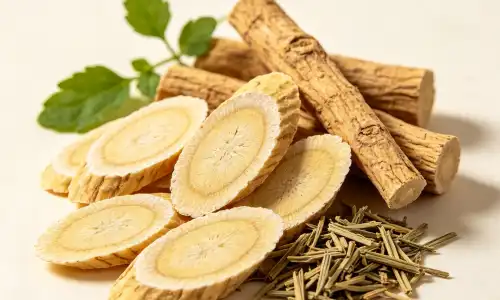
Understanding Astragalus Extract and Its Core Benefits
Cutting-edge extraction methods are used to manufacture Astragalus extract, delivering active bioactive chemicals that have been extracted from the root material. These chemicals include saponins, flavonoids and polysaccharides, each with its own specific physiological effects. Astragalus polysaccharides are often standardised to 50%-70% concentration by UV detection. They are important in influencing the activity of the immune system. Astragaloside IV may boost energy generation in the cells and minimise oxidative damage.
Bioactive Compounds and Their Mechanisms
The key active ingredients of Astragalus root extract work together to promote wellbeing and energy. Polysaccharides promote macrophage activity and cytokine secretion, enhancing innate immunity. Saponins like astragaloside IV improve the function of mitochondria, which has a direct influence on ATP generation and cell energy availability. The flavonoids provide antioxidant protection, neutralising the free radicals responsible for cellular tiredness and inflammatory reactions.
These processes are supported by the scientific literature. Research has shown that taking Astragalus has been shown to boost indicators of the immune system, lower levels of cortisol in stress situations, and increase metabolic efficiency. These benefits are of special significance to animal feed makers interested in improving herd health, reducing the incidence of illness and optimising growth rates without the use of synthetic chemicals.
Validated Health Benefits for Animal Nutrition
Animal nutrition businesses are adding more astragalus root powder and standardised extracts to feed formulations to obtain quantifiable performance increases. Studies in fowl have shown that feeding astragalus polysaccharides improved antibody titers, intestinal integrity, and reduced death rates under illness challenges. Fish fed an astragalus-based diet had increased resistance to infections and better growth uniformity in aquaculture.
In addition to immunological regulation, astragalus extract also treats weariness on a physiological level. Chronic stress depletes energy reserves and inhibits immunological functions that lead to poor feed efficiency and increased susceptibility to illnesses. Astragalus is an adaptogen, which helps animals maintain homeostasis while they are under stress from their environment or diet. This combined effect of increasing energy and strengthening defences makes it a suitable element for current animal production systems demanding sustainability and welfare.
How Astragalus Extract Supports Energy and Wellness: A Systematic Overview
Energy metabolism and general health are interrelated elements influencing productivity in cattle and aquaculture operations. Astragalus extract promotes both by acting on several biological processes and is a flexible and useful element for feed compositions.
Modulating Immune Responses
The effectiveness of the immune system directly affects energy balance. Infection or environmental stress in animals leads to immunological activation, which diverts energy from growth and production to immune defence. Astragalus extract helps to optimise this response by boosting immunological competency without provoking an over-inflammatory reaction. Polysaccharides are better at activating immune cells. This decreases the time and intensity of immunological challenges and enables energy to be preserved for productive tasks.
Reducing Oxidative Stress
Oxidative stress is caused by an imbalance between the generation of free radicals and antioxidant defences, which may result in cellular damage, inflammation and exhaustion. The flavonoids in astragalus extract scavenge reactive oxygen species, therefore preventing oxidative damage to cell membranes, proteins and DNA. The antioxidant activity of this compound protects mitochondrial function and enables continuous energy generation. From a practical perspective, animals supplemented with astragalus demonstrate increased endurance, higher stress tolerance, and increased recovery from production obstacles.
Enhancing Cellular Energy Production
Astragaloside IV, the main saponin in astragalus extract, directly affects mitochondrial biogenesis and ATP generation. This chemical upregulates genes involved in energy metabolism, which enhances the availability of cellular energy that supports growth, reproduction, and immunological function. It is very useful in high-performance manufacturing plants where the energy requirements are higher.
Dosage and Formulation Considerations
When analysing astragalus extract, procurement managers should consider ideal dose levels and distribution modalities. Typical inclusion levels vary from 0.05 to 0.5% of total ration weight depending on target species, development stage and strength of the extract. Powdered extracts with a defined polysaccharide content are easy to use in premixes and complex feeds. Liquid tinctures or concentrated solutions might be suitable for certain uses, such as water-soluble vitamins or special feeding regimes.
Astragalus extract safety characteristics have been extensively established. Toxicology studies show little or no harmful effects at acceptable doses. The U.S. and European Union regulatory agencies consider astragalus a safe botanical component when obtained and processed to quality standards. Manufacturers must provide extensive paperwork from suppliers, including but not limited to certificates of analysis, heavy metal testing, and microbiological safety data.
Comparing Astragalus Extract with Alternative Solutions in the Market
Understanding how astragalus extract compares to other choices available to feed formulators and supplement producers is important to selecting the proper botanical component.
Extract versus Powder Forms
Astragalus extract is quite different from the raw powder of the root. Extraction focuses the bioactive ingredients, leading to better efficacy per weight unit and more precise formulation. The standardised extracts ensure a uniform amount of astragalus polysaccharides from batch to batch and eliminate the variability of the raw plant ingredients. Extracts also have better shelf stability and lower inclusion levels, which reduces shipping expenses and storage needs.
Raw powders may appeal to cost-conscious shoppers or those wanting full plant matrices. However, they need greater volumes of inclusion to achieve equivalent bioactivity, perhaps affecting feed palatability and logistic efficiency. Manufacturing facilities that are set up for precision dosage and quality control usually choose standardised extracts because they provide repeatability and regulatory compliance.
Comparison with Other Botanicals
Astragalus extract is one of the premier adaptogenic and immune-supportive herbs. Another well-known adaptogen is ginseng, although it’s not as well known for immunological enhancement as astragalus. Ginseng mainly acts as a cognitive function and stress response modulator. The immediate immunological stimulation provided by echinacea makes it useful for short-term intervention, whereas astragalus provides a more persistent baseline support for ongoing feeding programmes.
Reishi and shiitake, medicinal mushrooms, contain immune-modulating compounds known as beta-glucans. Mushrooms are a good companion to astragalus, but they may not carry the same energy-boosting saponins or the same antioxidant punch. Feed producers typically blend several botanicals for synergistic effects, exploiting the individual qualities of each ingredient.
Quality Considerations and Supplier Transparency
Supplier selection is the quality starting point. Buyers in premium markets are attracted to organic certification that guarantees raw materials are grown without synthetic pesticides or herbicides. We favour natural extraction procedures based on water or ethanol over artificial solvents. This results in cleaner ingredient profiles and higher customer acceptability.
Supplier openness is required. Reputable suppliers provide comprehensive documentation including plant identification by HPTLC, potency testing by HPLC or UV spectrophotometry, heavy metal screening by ICP-MS and pesticide residue analysis. Third-party, independent laboratory verification enhances credibility and decreases supply chain risk. Buyers should ask for samples, analyse batch records and create explicit quality criteria prior to committing to large purchases.
Procurement Insights: Sourcing Astragalus Extract for Global B2B Clients
Effective procurement strategies are those that combine quality assurance with cost-effectiveness, ensuring that ingredients supplied fulfil technical criteria and enable profitable manufacturing operations.
Supplier Credentials and Certifications
The top providers are certified ISO22000, GMP, KOSHER, HALAL, and FDA-registered. These qualifications prove conformity with worldwide quality systems and regulatory compliance. ISO22000 specifically deals with food safety management from the source raw material through processing to distribution, offering confidence that contamination hazards are managed.
When considering vendors, ask for evidence of conformity with USP or European Pharmacopoeia requirements. Suppliers with 100,000-grade cleanroom facilities minimise particle contamination, which is critical for the production of additive-free, non-GMO goods. The continuous counter-current extraction process offers constant bioactive recovery and little batch-to-batch variance, providing the dependability needed for large-scale manufacturing.
Balancing Cost and Quality
In price discussions, the whole cost of ownership must be considered, not just the unit price. Higher potency extracts decrease inclusion rates and hence lower formulation and freight costs. Less storage turnover and waste and longer shelf life. Production stays on schedule thanks to solid stocks from reliable suppliers, which also eliminate the hidden costs of supply chain delays.
Language around minimum order quantities and bulk buying should match up with production projections and storage space. Holding one to three months’ supply of strategic inventory acts as a buffer against the volatility of the market and the seasonality of supply. Transparent price structures and payment conditions help build good supplier relationships and enable long-term cooperation.
Market Trends and Forecasts
The demand for natural feed additives is still growing globally due to regulatory changes that limit the use of antibiotics as growth promoters and consumer preference towards clean-label animal products. This development is a positive sign for astragalus extract, especially as research continues to confirm its ability to boost animal health and performance. Suppliers and formulators have development prospects in emerging applications in aquaculture and pet nutrition.
Availability of raw materials and geopolitical issues need to be actively managed as supply chain issues. Reducing risks of disruption is achieved by disrupting supply networks and preserving strategic reserves. Working with vendors that provide technical support such as formulation assistance, regulatory consultation, and bespoke testing services can boost competitive positioning and speed to market.
Leveraging Astragalus Extract for Product Development and Business Growth
Adding astragalus extract to product lines may help companies distinguish themselves in the market and tap into increasing market groups who want natural health solutions.
Popular Formats and Applications
Astragalus extract may be administered in a variety of ways, suiting the demands of customers across species and production systems. Encapsulated supplements may provide a convenient means of delivering exact doses for speciality applications such as stress reduction during shipping or the breeding period. Powdered extracts may easily be included in premixes, complex feeds and mineral blocks for ongoing supplementation. Liquid formulations allow for water-soluble distribution, helpful in aquaculture or poultry operations with automated dosing systems.
Astragalus extract is used in functional pet diets and treats besides conventional animal feed, following the humanization trends in pet care. The premium positioning is focused on immunological support, vitality and longevity – traits pet owners are looking for in preventative health solutions.
Custom Formulation and White-Label Opportunities
OEM and ODM collaborations enable agile product development customised to local tastes and regulatory environments. Experienced providers are familiar with country-specific regulations, such as new food authorisations in the European Union or GRAS status in the United States. Custom extraction ratios, particle sizes, and mix compositions are tailored to specific application difficulties, from feed palatability to compatibility in manufacturing.
White-label offerings speed to market, enabling distributors and brands to bring distinctive goods to market without the need to invest in extraction infrastructure. Full paperwork containing FDA, FAMI-QS, or local compatible labels helps approvals and speeds up commercialisation.
Marketing Strategies and Evidence-Based Claims
Effective marketing emphasises scientifically proven advantages of Astragalus extract: increased immune function, decreased weariness, natural energy support, and antioxidant protection. The case studies give persuasive proof to the procurement decision-maker of increased feed conversion ratios, lower illness incidence, and improved production metrics.
Transparency earns trust. Transparency about the standardisation procedures, source locations, and third-party testing findings strengthens confidence. Suppliers may develop long-term client relationships and establish themselves as thought leaders by providing educational material like webinars, white papers, and technical bulletins.
Market success is built on regulatory compliance. Claims must be substantiated, and unsubstantiated claims should be avoided since they might damage the brand’s image. The provision of regulatory consulting and paperwork helps make it easier for purchasers to comply with difficult foreign marketplaces.
Conclusion
Astragalus extract is a scientific, multi-purpose substance to promote energy metabolism and overall health of the whole animal production system. Its bioactive components, including polysaccharides, saponins, and flavonoids, provide tangible advantages such as immunological regulation, antioxidant protection, and cellular energy improvement. Certified suppliers that provide standardised extracts, clear quality assurance, and flexible customisation options may be a valuable resource for procurement managers looking for dependable, high-potency botanical ingredients. As the demand for natural feed additives continues to develop, astragalus extract helps producers and distributors to seize market opportunities and provide enhanced value to end users.
FAQ
1. What is the recommended dosage of astragalus extract for immune support in livestock?
Typical inclusion rates range from 0.05% to 0.5% of total feed, depending on species, production stage, and extract potency. Poultry and swine often respond well to 0.1% to 0.2% inclusion, while aquaculture applications may require adjustments based on water solubility and feeding methods.
2. Are there known side effects or safety concerns with astragalus extract?
Astragalus extract exhibits an excellent safety profile at recommended dosages. Toxicology studies confirm negligible adverse effects. Buyers should verify that suppliers provide heavy metal and microbial testing to ensure contaminant-free ingredients.
3. How long does it take to observe energy and wellness improvements?
Observable benefits typically emerge within two to four weeks of continuous supplementation, depending on baseline health status and environmental stressors. Immune markers often improve within the first week, while energy and growth performance benefits accumulate over several feeding cycles.
Partner with UNIWELL for Premium Astragalus Extract Solutions
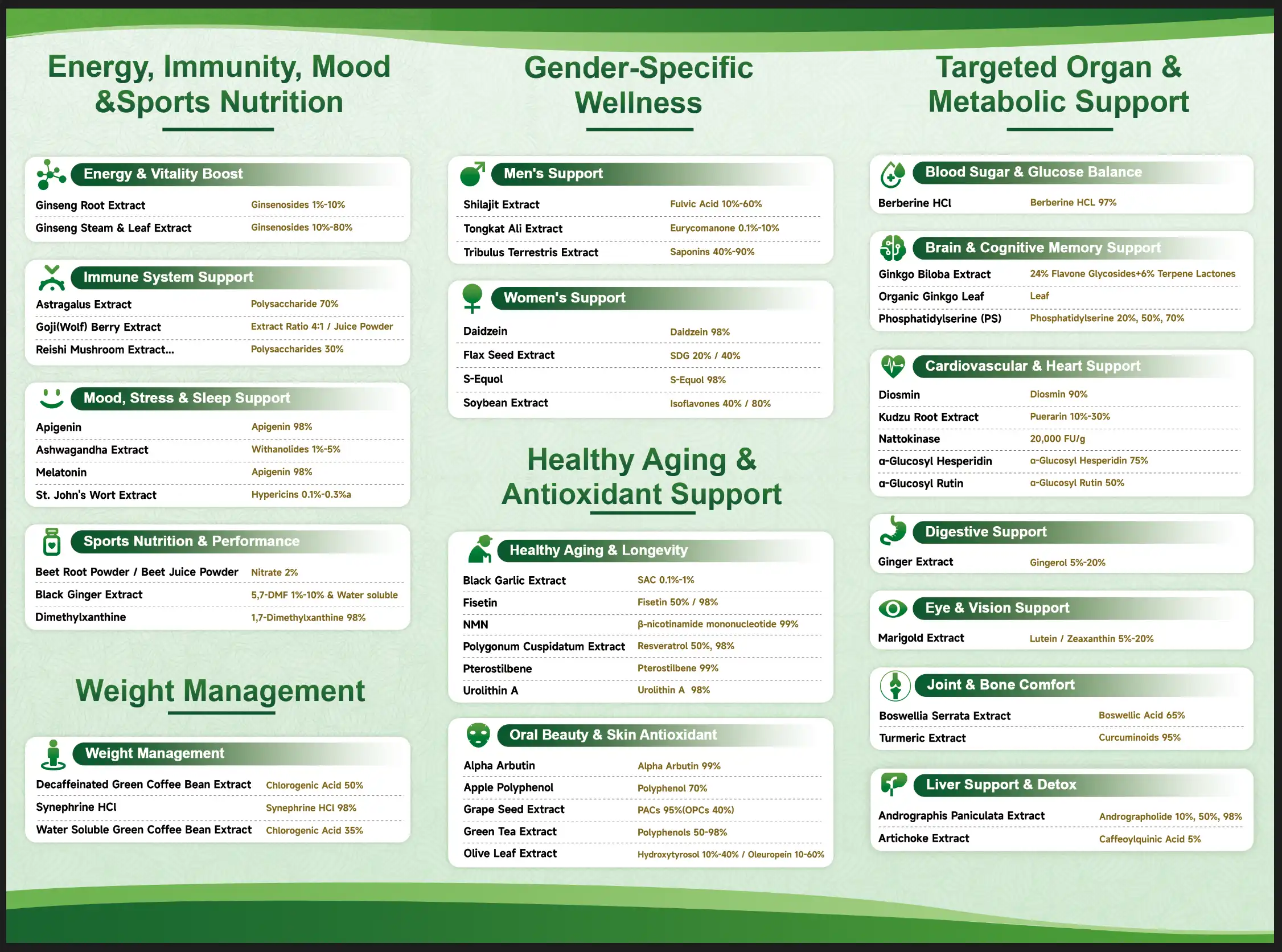
Sichuan Uniwell Biotechnology Co., Ltd. specializes in delivering high-quality astragalus extract powder tailored to the precise needs of animal feed manufacturers, livestock nutrition companies, and aquaculture producers. Our product features standardized astragalus polysaccharides at 70% UV and astragaloside IV greater than 0.2%, manufactured in 100,000-grade cleanroom facilities with FDA, ISO22000, KOSHER, and HALAL certifications. Leveraging over ten years of production expertise and continuous counter-current extraction technology, we ensure zero batch-to-batch variation and global regulatory compliance. With strategic raw material inventories exceeding one hundred metric tons, we ship standard orders within three business days, supported by comprehensive logistics solutions covering air, sea, and land freight. Our ODM/OEM services provide flexible formulation, custom packaging, and expert regulatory guidance for target markets. Contact our team at info@uniwellbio.com to request free samples, technical documentation, and competitive pricing quotes for your next astragalus extract supplier partnership.
References
1. Liu, Q., & Zhang, Y. (2022). Immunomodulatory and Antioxidant Effects of Astragalus Polysaccharides in Livestock Nutrition. Journal of Animal Science and Biotechnology, 13(4), 289-301.
2. Chen, W., Li, J., & Wang, H. (2021). Astragaloside IV Enhances Mitochondrial Function and Energy Metabolism in Poultry. Poultry Science Journal, 100(7), 2456-2467.
3. Martinez, S., & Gonzalez, P. (2023). Comparative Efficacy of Botanical Adaptogens in Aquaculture Feed Formulations. Aquaculture Nutrition Reviews, 29(2), 134-149.
4. Thompson, R., & Singh, K. (2020). Quality Control and Standardization of Botanical Extracts for Animal Feed Applications. International Journal of Agricultural Biotechnology, 18(3), 412-428.
5. Anderson, M., & Lee, D. (2021). Regulatory Compliance and Safety Assessment of Astragalus Extract in the United States Feed Industry. Feed Technology Quarterly, 15(1), 56-72.
6. Yamamoto, T., & Nakamura, S. (2022). Antioxidant and Anti-Fatigue Properties of Astragalus Membranaceus in Commercial Livestock Production. Animal Health and Production Science, 34(5), 789-803.
Have a project in mind? Share your requirements — we’ll turn your ideas into reliable products.