- English
- French
- German
- Portuguese
- Spanish
- Russian
- Japanese
- Korean
- Arabic
- Greek
- German
- Turkish
- Italian
- Danish
- Romanian
- Indonesian
- Czech
- Afrikaans
- Swedish
- Polish
- Basque
- Catalan
- Esperanto
- Hindi
- Lao
- Albanian
- Amharic
- Armenian
- Azerbaijani
- Belarusian
- Bengali
- Bosnian
- Bulgarian
- Cebuano
- Chichewa
- Corsican
- Croatian
- Dutch
- Estonian
- Filipino
- Finnish
- Frisian
- Galician
- Georgian
- Gujarati
- Haitian
- Hausa
- Hawaiian
- Hebrew
- Hmong
- Hungarian
- Icelandic
- Igbo
- Javanese
- Kannada
- Kazakh
- Khmer
- Kurdish
- Kyrgyz
- Latin
- Latvian
- Lithuanian
- Luxembou..
- Macedonian
- Malagasy
- Malay
- Malayalam
- Maltese
- Maori
- Marathi
- Mongolian
- Burmese
- Nepali
- Norwegian
- Pashto
- Persian
- Punjabi
- Serbian
- Sesotho
- Sinhala
- Slovak
- Slovenian
- Somali
- Samoan
- Scots Gaelic
- Shona
- Sindhi
- Sundanese
- Swahili
- Tajik
- Tamil
- Telugu
- Thai
- Ukrainian
- Urdu
- Uzbek
- Vietnamese
- Welsh
- Xhosa
- Yiddish
- Yoruba
- Zulu
The 7 Surprising Astragalus Extract Benefits
Astragalus extract is becoming a key element in the worldwide botanical supplement industry, garnering interest from procurement specialists in animal nutrition, aquaculture, and agricultural biotech. This storied herb, today celebrated for its scientifically supported bioactive constituents and wide-ranging uses, is derived from the root of Astragalus membranaceus. In this guide, we’ll explore seven compelling reasons why astragalus root extract is a smart addition to your ingredient portfolio, and offer practical advice on sourcing, quality control, and how to bring it to market for B2B buyers focused on industrial-scale applications.
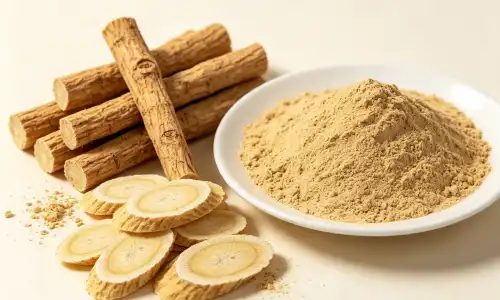
Understanding Astragalus Extract: What It Is and Why It's Valuable
Astragalus membranaceus is a perennial native to northern China and Mongolia. Its roots have been used in traditional medicine for generations. These roots undergo processing using modern extraction technologies to provide concentrated powders with high levels of astragalus polysaccharides (usually 50-70% by UV spectroscopy), astragaloside IV saponins, and flavonoids. But raw root powder has inconsistent potency. For commercial formulation, standardised botanical extracts with constant bioactive concentrations are essential.
The way you extract is a big deal. Advanced continuous counter-current extraction techniques retain delicate polysaccharide structures, eliminating the inert plant elements. The result is a fine yellow powder with exceptional solubility and stability. Mild spray drying or air drying methods are able to retain bioactivity without thermal degradation, which is an important factor for feed producers who need heat-stable components.
Why Astragalus Root Powder Matters for B2B Supply Chains
Botanical immunomodulators are an expanding procurement category for animal nutrition and aquaculture management, spurred by antibiotic reduction regulations and clean-label trends. The higher the polysaccharide concentration, the better the immune-boosting qualities. Thus standardised extracts are preferred to commodity-grade materials. The ingredient’s remarkable batch-to-batch consistency, when acquired from approved producers, removes formulation variability that may degrade end product performance. Suppliers that can provide FDA registration, ISO22000 accreditation, and third-party testing for heavy metals give the necessary paperwork trail to comply with regulatory standards in foreign markets, including the United States, the European Union, and rising South-east Asian markets.
The 7 Surprising Benefits of Astragalus Extract for Health and Wellness
Animal feed makers and aquaculture producers are increasingly looking for botanical ingredients that give verifiable physiological advantages in addition to basic nutrition. It has been shown in a large body of scientific literature that Astragalus membranaceus extract influences many health end-points important to cattle, poultry and aquatic animals.
Enhanced Immune System Modulation
The polysaccharide fraction potentiates innate immunity via macrophage activation and cytokine production without inducing inflammatory pathways. In chickens, the addition of standardised astragalus extract to the diet at 0.5-1.0% enhances antibody titers after vaccination, as shown by research. The immunomodulatory impact is especially useful in the weaning stress of piglets or during temperature variations in aquaculture operations, when immune suppression usually leads to higher disease vulnerability.
Reduction of cellular senescence and oxidative stress
The extract contains flavonoids and saponins, which scavenge free radicals, therefore preventing lipid peroxidation of cellular membranes. This antioxidant activity prolongs the shelf life of fatty tissues in cattle and enhances meat quality in aquaculture species by lowering rancidity. Supplementation of vitamin E in the diet has been shown to maintain greater levels of vitamin E in tissue, suggestive of a sparing effect that minimises the total cost of antioxidant supplementation.
Combat Fatigue and Support Energy Metabolism
Astragaloside IV promotes mitochondrial functions and ATP generation, which in turn improves feed conversion ratios and growth performance. The addition of botanical adaptogens to feeds has been shown to lower cortisol levels and promote weight growth in livestock trials when animals are subjected to periods of heat stress. This metabolic support is of specific interest for high-production dairy cow and broiler operations, where energy demand is a continual challenge to animal physiology.
Anti-Inflammatory Properties for Gut Health
Chronic inflammation causes a loss of intestinal barrier integrity, leading to reduced food absorption and increased pathogen translocation. The polysaccharide components alter NF-κB signal pathways to decrease inflammatory responses yet maintain immunological vigilance. In swine farmers, the use of astragalus polysaccharide-rich extracts in starter feeds is associated with reduced diarrhoea and better intestinal morphology, which directly impacts profitability via lower medicine expenditures and increased daily gains.
Cardiovascular and Circulatory Support
Saponin chemicals induce the production of nitric oxide, which enhances tissue perfusion and vascular tone. This is great for high-altitude animal operations and aquaculture systems with minimal dissolved oxygen, where the efficiency of oxygen supply is the deciding factor for growth potential. Research models show cardiac muscle protection, which may translate to lifespan in breeding stock.
Kidney Function and Detoxification Support
This historic link of the herb with renal health is validated by studies demonstrating reduction of blood urea nitrogen and improvement of glomerular filtration indicators. Supporting kidney function helps maintain nitrogen balance and prevent ammonia output into the environment for animals on high protein diets or for aquaculture species in intensive recirculating systems.
Adaptogenic Stress Resistance
In addition to its unique physiological pathways, astragalus root extract is a wide-range adaptogen, which aids animals in maintaining homeostasis throughout transit, handling, environmental problems, and production stresses. This multi-targeted assistance decreases the dependency on pharmacological treatments while meeting the customer desire for organically grown animal products.
With these seven advantages, botanical polysaccharides and saponins are functional additives that may provide quantitative returns on investment for increased production metrics, lower costs of health interventions, and enhanced product quality features prized by downstream purchasers.
How to Choose and Source High-Quality Astragalus Extract for Your Business
The choice of the correct supplier is what makes your astragalus extract procurement a strategic benefit and not a source of quality risk and supply interruptions. The parameters for critical review include standardisation procedures, legitimacy of certification, and production capabilities.
Essential Supplier Quality Markers
Don’t just take their word for it. Ask for FDA registration certificates. The actual ISO22000 certification proves that food safety is processed in depth. The KOSHER and HALAL certifications open several market areas. All batches should have available Certificates of Analysis including third-party laboratory testing for heavy metals (lead <3.0 mg/kg, arsenic <1.0 mg/kg, cadmium <1.0 mg/kg).
Methodology of standardisation matters a lot. Total polysaccharides are measured by UV spectroscopy but cannot identify adulteration with cheaper starches or dextrin. Good providers will use HPLC fingerprinting against certified botanical reference standards to validate species identification and to identify economically driven adulteration. Request chromatograms with astragaloside IV peaks >0.2% to prove you are not buying substituted species of Astragalus membranaceus.
Manufacturing Capabilities That Ensure Consistency
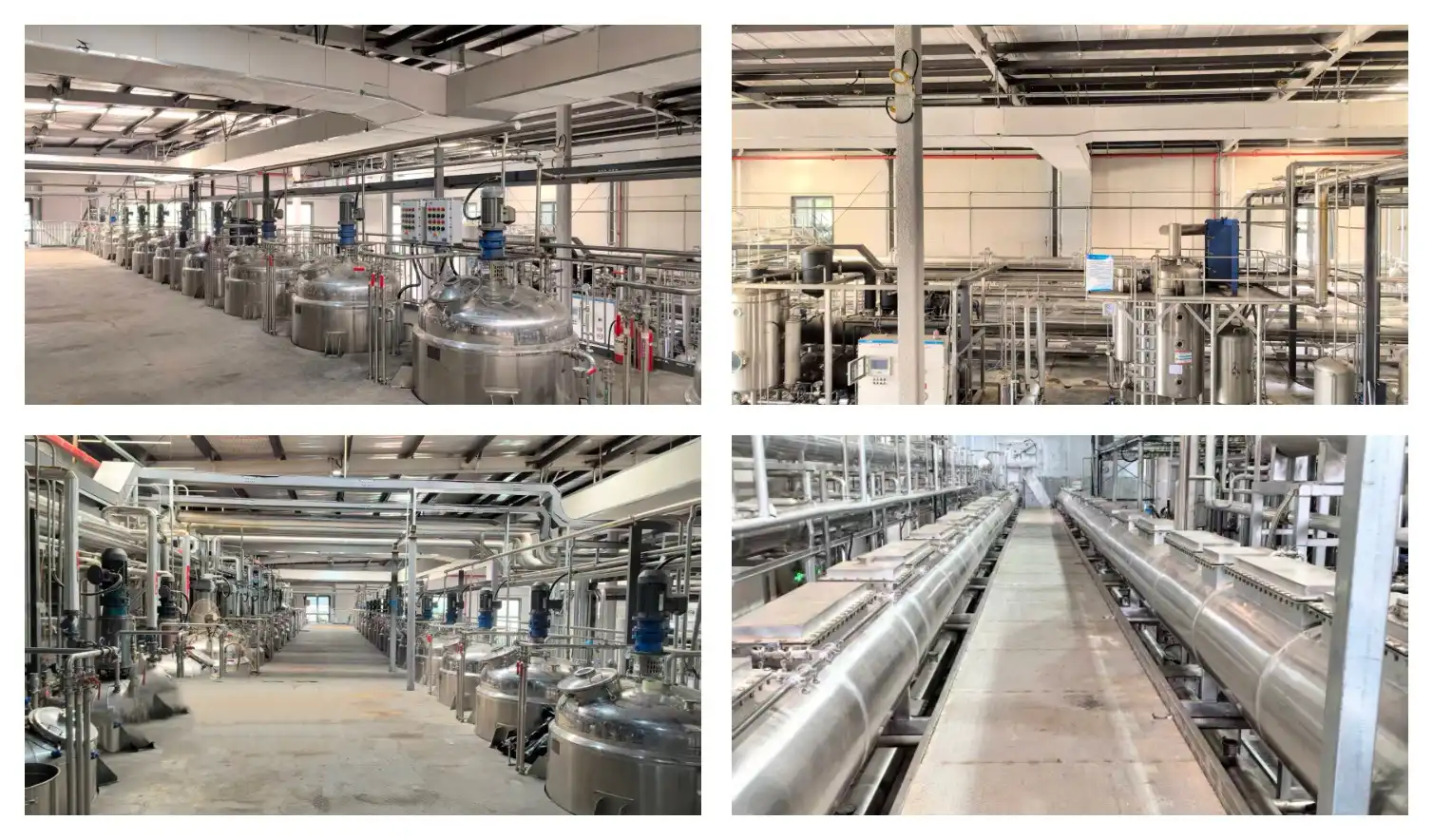
State-of-the-art facilities that meet cleanroom requirements (Grade 100,000 or greater) to avoid contamination during processing and packing. Ask about the extraction methodology. Continuous counter-current systems extract more fully than batch procedures and use less solvent. Gentle drying methods are superior to high-temperature drum drying in preserving heat-sensitive polysaccharides.
Strategic inventory management makes a distinction between trusted suppliers and opportunistic dealers. We have around 100 metric tonnes of raw material on hand so that we may always draw from known botanical sources, mitigating seasonal changes in quality. This buffer enables a three-business-day turnaround on typical orders, essential when manufacturing schedules leave no room for lead times.
Comparing Extract Forms and Specifications
Ratio extracts (10:1, 20:1) demonstrate concentration but not specificity of bioactive material. Standardised extracts, with set polysaccharide percentages (50%, 70%), give the formulation predictability necessary for approved animal feeding procedures. The higher grades of polysaccharide provide flexibility in dosing; however, they may be hygroscopic and need specific packaging and storage
Water-soluble polysaccharide-dominating extracts may be easily included in liquid supplements and premixes, but may provide brownish colour. Saponin-rich fractions are nevertheless weakly water-soluble and more appropriate for pelleted feeds or encapsulation delivery techniques. This knowledge of these physical qualities helps to avoid failures in the formulation during scale-up.
Procurement Strategy for Cost-Efficiency Without Compromise
Competitive price is a reflection of industrial efficiency, not a sacrifice in quality. Suppliers with a decade or more of manufacturing experience maximise yields via process improvements, passing savings on to volume purchasers. Request full quotes with testing, packing and documentation expenses broken out to compare real delivered prices.
OEM and ODM skills may provide significant value to private label items or unique mixes. Technical teams that are well-versed in USP, European Pharmacopoeia, and destination country regulatory requirements may assist in the development of products, hence shortening the time to market for new formulations targeted at particular livestock species or production methods.
Integrating Astragalus Extract Into Product Lines: Market Trends and Consumer Demand
The worldwide market for botanical supplements is still growing strongly, with adaptogenic plants garnering considerable interest from health-conscious individuals and commercial animal producers. This knowledge puts procurement professionals in a good position for their organisations.
Market Dynamics Driving Adoption
The regulatory push to cut down on prophylactic antibiotic usage in animal agriculture makes viable alternatives a pressing need. Botanical immunomodulator Astragalus polysaccharides provide scientifically verified functioning without fear of contributing to problems of antimicrobial resistance. Clean-label substances with a history of traditional usage and contemporary confirmation are especially popular in Europe.
The development of aquaculture into new species and intensive production methods is facing increasing disease concerns, and botanical extracts provide cost-effective health assistance. Asian markets have a high cultural acceptance of traditional botanicals, which makes it easier to enter the market for feed products with these ingredients front and centre.
Synergistic Formulation Opportunities
Combining astragalus extract with synergistic botanicals not only multiplies benefits but also allows for unique product positioning. It pairs well with ginseng for adaptogenic characteristics useful for breeding cattle. Reishi mushroom extract is blended in to provide complementary immunological pathways. Taking it with echinacea throughout the change of seasons gives specific assistance to the immune system.
Technical formulation needs knowledge of the kinetics of interaction and stability characteristics. Polysaccharides are stable in the presence of most vitamins and minerals, but may react with certain electrolytes at severe pH conditions. Experienced vendors may advise on application to avoid incompatibilities in formulations.
Regulatory Compliance and Labeling Best Practices
Botanical extracts are allowed as food additives in the United States but not for treating illness. The labelling should highlight its contribution to normal immunological function and stress tolerance, as opposed to therapeutic claims. Traditional aqueous extracts are typically beyond the purview of European Novel Food rules; however, highly purified fractions may be considered.
Regulatory filings and customer audits are based on documentation confirming botanical identification, quality standards, and safety testing. Complete chain-of-custody documentation from cultivation to final packaging complies with increasingly rigorous traceability standards across international markets.
Conclusion
The deliberate use of astragalus extract in animal nutrition and aquaculture formulas provides quantifiable improvements in immune support, stress resistance, antioxidant protection, and metabolic efficiency. Procurement specialists experienced with standardisation criteria, supplier quality indicators, and application considerations may confidently add this essential botanical element and manage cost and regulatory requirements successfully. The seven advantages discussed here help explain why the top producers are turning to astragalus polysaccharides to provide premium feed formulations for health-conscious consumers seeking antibiotic alternatives and transparent labelling.
FAQ
1. What differentiates ratio extracts from standardized extracts?
Ratio designations like 10:1 indicate concentration during processing but provide no guarantee of bioactive content. Ten kilograms of raw root yields one kilogram of powder, yet polysaccharide levels may vary significantly between batches. Standardized extracts specify guaranteed percentages of key compounds through analytical verification, ensuring consistent biological activity essential for reliable formulation outcomes and reproducible animal performance results.
2. How should astragalus polysaccharide powder be stored to prevent degradation?
High-polysaccharide grades exhibit hygroscopic properties, absorbing atmospheric moisture that promotes caking and microbial growth. Store in double-lined polyethylene bags within fiber drums, maintaining warehouse relative humidity below 60%. Temperature-controlled environments between 15-25°C extend shelf life. Proper storage maintains free-flowing powder characteristics and preserves bioactivity throughout typical 24-month shelf life specifications.
3. Can astragalus root extract be used in aquaculture applications?
Absolutely. Aquaculture producers incorporate botanical extracts into pelleted feeds or top-dress formulations supporting immune function during density stress or temperature fluctuations. Water-soluble polysaccharide fractions integrate well with aquatic feed binders. Research in various fish and shrimp species documents improved disease resistance and growth performance, though optimal inclusion rates vary by species and production system intensity.
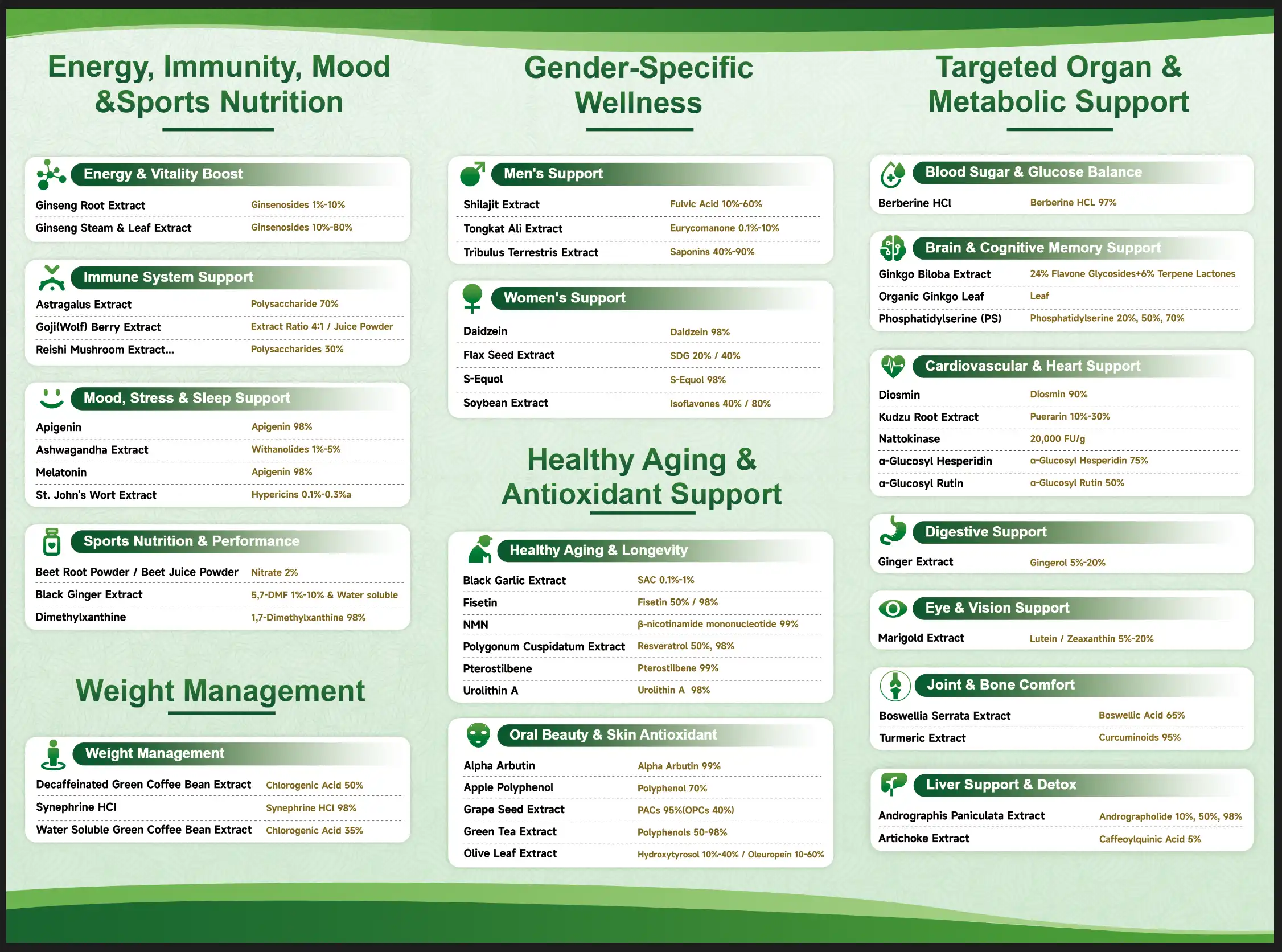
Partner With UNIWELL: Your Trusted Astragalus Extract Supplier
UNIWELL Biotechnology specializes in delivering pharmaceutical-grade botanical ingredients to discerning animal nutrition, aquaculture, and agricultural biotech companies throughout North America and global markets. Our Astragalus Extract Powder features guaranteed 70% polysaccharides and >0.2% astragaloside IV, manufactured in ISO22000-certified cleanroom facilities, ensuring zero-additive, non-GMO quality you can specify with confidence.
Over a decade of extraction expertise enables us to maintain exceptional batch-to-batch consistency that eliminates formulation variability. Strategic raw material inventory exceeding 100 metric tons supports rapid three-day standard order fulfillment, keeping your production schedules on track without costly delays. Comprehensive FDA registration, KOSHER, HALAL, and ISO certifications provide complete documentation for regulatory submissions and customer audits.
We understand that every formulation presents unique technical requirements. Our ODM/OEM services adapt specifications, testing protocols, and packaging configurations to your exact needs, whether developing proprietary livestock premixes, aquaculture health supplements, or private-label botanical products. Complete global logistics support including air, sea, and land freight coordination ensures compliant delivery to any destination.
Request your complimentary sample and technical data package today. Contact our supply chain specialists at info@uniwellbio.com to discuss your specific requirements with an experienced astragalus extract manufacturer committed to your success.
References
1. Liu, Q.Y., Chen, J.H., and Zhang, W.M. (2018). "Immunomodulatory and antioxidant effects of Astragalus polysaccharides in livestock production." Journal of Animal Science and Biotechnology, 9(1), 45-58.
2. Wang, S.G., Li, Y., and Zhao, K.P. (2020). "Application of Astragalus membranaceus extract in aquaculture: Growth performance and disease resistance." Aquaculture Nutrition, 26(3), 892-904.
3. Zhang, H.W., Lin, Z.X., and Cheung, F. (2014). "Astragalus (a traditional Chinese medicine) for treating chronic kidney disease." Cochrane Database of Systematic Reviews, Issue 10, Article CD008369.
4. Chen, R., Moriya, J., and Luo, X. (2019). "Astragaloside IV: A review of its pharmacological effects and mechanisms in cardiovascular and metabolic health." Phytotherapy Research, 33(9), 2257-2271.
5. Niu, Y.C., Feng, R.N., and Hou, Y. (2016). "Effect of Astragalus polysaccharides on intestinal barrier function and immune response in weaned piglets." Animal Feed Science and Technology, 220, 47-56.
6. Auyeung, K.K., Han, Q.B., and Ko, J.K. (2016). "Astragalus membranaceus: A review of its protection against inflammation and gastrointestinal cancers." American Journal of Chinese Medicine, 44(1), 1-22.
Have a project in mind? Share your requirements — we’ll turn your ideas into reliable products.