- English
- French
- German
- Portuguese
- Spanish
- Russian
- Japanese
- Korean
- Arabic
- Greek
- German
- Turkish
- Italian
- Danish
- Romanian
- Indonesian
- Czech
- Afrikaans
- Swedish
- Polish
- Basque
- Catalan
- Esperanto
- Hindi
- Lao
- Albanian
- Amharic
- Armenian
- Azerbaijani
- Belarusian
- Bengali
- Bosnian
- Bulgarian
- Cebuano
- Chichewa
- Corsican
- Croatian
- Dutch
- Estonian
- Filipino
- Finnish
- Frisian
- Galician
- Georgian
- Gujarati
- Haitian
- Hausa
- Hawaiian
- Hebrew
- Hmong
- Hungarian
- Icelandic
- Igbo
- Javanese
- Kannada
- Kazakh
- Khmer
- Kurdish
- Kyrgyz
- Latin
- Latvian
- Lithuanian
- Luxembou..
- Macedonian
- Malagasy
- Malay
- Malayalam
- Maltese
- Maori
- Marathi
- Mongolian
- Burmese
- Nepali
- Norwegian
- Pashto
- Persian
- Punjabi
- Serbian
- Sesotho
- Sinhala
- Slovak
- Slovenian
- Somali
- Samoan
- Scots Gaelic
- Shona
- Sindhi
- Sundanese
- Swahili
- Tajik
- Tamil
- Telugu
- Thai
- Ukrainian
- Urdu
- Uzbek
- Vietnamese
- Welsh
- Xhosa
- Yiddish
- Yoruba
- Zulu
Astragalus The Ancient Root of Vitality and Immunity
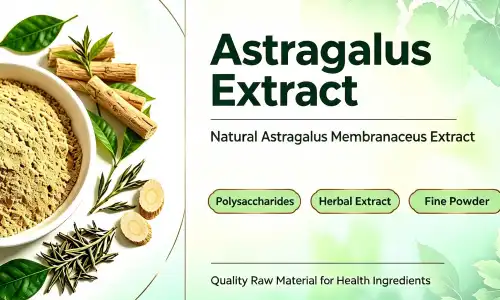
Astragalus extract powder has emerged as a cornerstone ingredient for manufacturers seeking reliable, science-backed botanical solutions. Derived from Astragalus membranaceus, this light yellow fine powder contains standardized concentrations of astragalus polysaccharides (up to 70% UV) and bioactive saponins that support immune modulation, stress resilience, and cellular vitality. As demand for clean-label functional ingredients intensifies across North American markets, understanding the technical specifications, quality benchmarks, and strategic sourcing considerations for this ancient adaptogen becomes essential for procurement professionals navigating the competitive wellness industry.
Understanding Astragalus Extract Powder and Its Core Benefits
Botanical Background and Extraction Technology
Astragalus membranaceus has been central to traditional health practices for over 2,000 years. Modern gentle spray drying and controlled air-drying preserve polysaccharide structures while concentrating bioactive compounds. Advanced continuous counter-current extraction consistently achieves 60-70% UV polysaccharides with astragaloside IV above 0.2%, meeting USP and EP monograph standards. The powder's physical properties suit industrial processing—95% passing 80 mesh with 0.40-0.60 g/ml bulk density. High-polysaccharide grades offer partial water solubility for capsules, while saponin-enriched versions provide better dispersion for beverages.
Core Health Benefits Backed by Research
Clinical studies demonstrate astragalus polysaccharides boost immune surveillance by activating macrophages and increasing natural killer cells, positioning this as a preventative health ingredient. Cardiovascular research shows antioxidant effects may support arterial function and cardiac protection. Anti-inflammatory properties through cytokine pathway modulation enable applications beyond immune support, including joint health and metabolic wellness formulations. Emerging astragaloside IV research reveals telomerase activation pathways linked to cellular longevity, opening premium anti-aging supplement categories. These multifaceted benefits enable formulators to address multiple health concerns with single-ingredient products.
Safety Standards and Regulatory Compliance
Commercial-grade astragalus root extract powder meets international safety standards through rigorous quality control. HPTLC fingerprinting confirms botanical identity, preventing economic fraud. ICP-MS heavy metal screening ensures strict limits: lead below 3.0 mg/kg, arsenic below 1.0 mg/kg, cadmium below 1.0 mg/kg, mercury below 0.1 mg/kg. Multi-residue pesticide analysis meets EU 396/2005 requirements. Microbiological testing follows USP guidelines with total plate counts under 1,000 CFU/g. FDA registration, ISO 22000, KOSHER, and HALAL certifications facilitate market access across regulatory regions while third-party independent lab verification supports quality claims.
Comparing Astragalus Extract Powder with Other Forms and Supplements
Powder Versus Finished Dosage Forms
When it comes to recipe flexibility, powder forms are better than pre-encapsulated or tincture formats. Procurement teams are given more power over customising dosages, which lets them make serving sizes that fit the needs of specific groups of people and therapeutic positioning strategies. Because standardised extracts are concentrated, they need less of an ingredient, which means fewer capsules and better compliance from consumers. When it comes to bioavailability, powders that are mixed into lipid matrices or micelle delivery systems are better at absorption than tinctures that are made with alcohol.
Cost-effectiveness is a strong procurement advantage. By buying powder in bulk, you can avoid the markup that comes with selling finished goods and have the raw materials you need to develop a variety of products. Manufacturers can spread their stock across different SKU formulas without committing to specific dose strengths too soon. This lowers the risk of products going out of date in a market that is always changing. Custom blend options let you put together adaptogens that work well with each other or targeted nutrient complexes that work well together.
Organic Certification Impact on Market Positioning
Organic-certified astragalus extract powder is highly sought after, but the growing methods must be checked by recognised regulating groups. The process of getting certified makes sure that there are no manmade pesticides, herbicides, or genetically modified organisms in any part of the farming supply chain. Consumers' willingness to pay more for organic credentials varies by age group, with millennials and Gen Z buyers being the most interested in certified organic ingredients. When trying to place a brand in natural channel stores, organic certification is often a must.
Conventional-grade astragalus powder keeps the same level of quality and effectiveness while being cheaper, which helps mass-market pricing strategies. Tough tests for chemical residues make sure that regular grades meet safety standards without the organic fees. Strategic product line architecture can include both organic and conventional variants, giving the portfolio variety across price points and channels of distribution while keeping quality standards high with unified manufacturing protocols.
Comparative Analysis with Alternative Immune Botanicals
In North American markets, echinacea is still the most popular immune-supporting plant. However, its focus on acute use is different from astragalus's focus on preventative wellness. More and more, formulators are combining these two plants to make more complete immune systems: echinacea for short-term, seasonal support and astragalus for long-term immunity strength. This trend toward synergistic formulation makes it possible for differentiated product stories that meet consumers' wish for responsible health management.
Elderberry and mushroom extracts are two more competitive ingredients, but they work in different ways and affect people in different ways. Elderberry's antiviral properties help fight certain pathogens, and medicinal mushroom carbohydrates change the immune system through beta-glucan pathways. Astragalus extract powder stands out because it has been used for thousands of years and new study on anti-aging uses it in a way that no other product does. Using complementary processes in multi-botanical mixtures increases the perceived value and supports charging higher prices.
How to Choose High-Quality Astragalus Extract Powder for Business?
Critical Quality Parameters and Testing Protocols
Polysaccharide content verification through UV spectrophotometry should be a top priority in procurement requirements. Reliable providers should provide certificates of analysis that show results for each batch. Astragaloside IV's saponin content is confirmed by HPLC research, which backs up claims of therapeutic effectiveness. Asking for retention samples lets someone else check them and helps quality dispute resolution processes. Suppliers who use third-party testing through ISO 17025-accredited labs show that they care about quality and openness.
The speed of downstream processes is affected by physical factors. Powder that doesn't stick together easily and doesn't absorb water helps with accurate dosing in automated capsule filling operations and keeps the powder from clumping while it's being stored. A light yellow to brownish-yellow colour that stays the same from batch to batch is a sign of standard extraction parameters and proper handling after harvest. Solvent residue testing that confirms compliance with USP standards protects consumers and makes sure that regulations are followed.
Supplier Evaluation and Partnership Criteria
Credentials for a manufacturing facility show what the facility can do and how it values quality. Facilities that are FDA-registered and have 100,000-grade cleanrooms show that they have put money into preventing pollution and following GMPs. ISO 22000 certification proves that food safety management systems work, and KOSHER and HALAL certifications help businesses reach more customers. Site audits by procurement teams or third-party audit services check operating claims and look for weaknesses in the supply chain.
Supply reliability is directly affected by how much can be produced and how it is managed. Suppliers who keep strategic stocks of more than 100 metric tonnes of raw materials protect against changes in farming harvests and make it possible to fill orders quickly. Standard orders are usually shipped within three business days, which helps just-in-time manufacturing strategies and lowers the cost of keeping inventory. Transparent communication about extending wait times during times of high demand lets producers plan ahead.
Customization Capabilities and Minimum Order Considerations
With OEM and ODM service options, private label development is possible with customised extract ratios, carrier choices, and packaging layouts. Time-to-market for new formulations is sped up by suppliers who have legal knowledge across target markets, such as knowing Novel Food requirements in the EU or NDI factors for US markets. Collaborative R&D partnerships make it easier to create unique blends and give you a competitive edge by letting you choose the exact ingredients you use.
Minimum order amounts for astragalus extract powder find a mix between saving money and taking on inventory risk. Established suppliers of astragalus extract powder usually have pricing structures that reward customers for buying in bulk while also allowing for initial trial orders to make sure the product works well. International purchasing of astragalus extract powder is made easier by offering flexible payment terms and coordinating logistics, such as providing full export documentation and multimodal freight solutions. Sample request policies that let you evaluate astragalus extract powder before you buy it lower the risk of procurement and help you make smart decisions.
Market Trends and Future Outlook for Astragalus Extract Powder in Global B2B Procurement
Demand Drivers and Regional Growth Patterns
Recent problems with global health have made people more focused on staying healthy and building up their immune systems. This has led to steady demand growth for adaptogenic plants. The overall health supplement market in the US grows by more than 10% every year, and products with astragalus are becoming more popular in stores that don't normally sell natural goods. Functional food makers are putting plant ingredients in more and more handy forms, like ready-to-drink drinks, protein bars, and fortified snacks. This means that people can eat these foods at more times than just when they take supplements.
As more people become middle-class and put health optimisation and preventative care at the top of their list of priorities, emerging markets are seeing faster growth. Southeast Asian markets are good places for exports because people there are familiar with traditional plant medicine and the quality standards of today are met by standard extract specs. Astragalus's anti-fatigue and recovery-supporting properties are in line with trends in improving athlete performance, so its use in sports nutrition has a lot of untapped growth potential.
Innovation Trajectories and Application Expansion
Formulators of drinks get around common problems by using water-soluble extracts and microencapsulation technologies that stop settling and keep the flavours neutral. Instant health tea ideas use astragalus as the main immune-boosting ingredient, along with useful mushrooms and herbs that work well together. In the immunity and energy groups, ready-to-mix powder formats that appeal to customers who value convenience are driving additional category growth.
Anti-inflammatory and antioxidant qualities are used in cosmetics to make topical products that protect the skin from environmental stress and help it keep its barrier function. Ultra-fine particle types mix easily into oil-in-water emulsions and don't change the stability or cause discolouration from oxidation. As beauty products that you eat and skin care products that you put on your skin become more similar, plant ingredient providers can serve both the nutraceutical and personal care markets.
Sustainability and Ethical Sourcing Imperatives
As brands respond to consumer demands for open and honest supply chains, corporate social responsibility programs have a bigger impact on how suppliers are chosen. Growing astragalus reduces the stress on populations that are taken from the wild, and it also makes it possible to track the plants' origins and make sure they meet quality standards. Regenerative farming methods that improve soil health and biodiversity are in line with the growing importance of environmental, social, and governance issues among institutional investors and environmentally conscious consumers.
Supply chain transparency technologies, such as blockchain verification and batch-level traceability systems, help address concerns about authenticity and set premium suppliers apart. Procurement teams that care about the environment like efforts like carbon footprint exposure and sustainable packaging. Long-term partnership models that focus on shared risk and mutual growth build strong supply relationships that can handle changes in the market and fluctuations in agriculture.
Practical Applications and Case Studies of Astragalus Extract Powder in Industry
Dietary Supplement Formulation Success Stories
Some of the best immune-supporting brands use astragalus extract powder as a main ingredient in all-around health products that also contain adaptogens and specific nutrients. Combining astragalus polysaccharides with vitamin D, zinc, and elderberry in daily immunity capsules makes them work better together to help the immune system in more than one way. Astragalus doses are the same across formulas in product lines that are organised by life stage needs. Complementary ingredients are changed to appeal to specific demographics.
More and more anti-aging supplements contain high-potency astragaloside IV extracts that help cells live longer by changing the telomerase pathway. Price points that are higher are justified by a premium stance backed up by clinical research sources and third-party quality certifications. Strong customer lifetime value measures show that subscription-based direct-to-consumer models based on proactive ageing solutions will continue to meet the needs of the market for ingredients that support lifespan.
OEM and Private Label Development Advantages
Contract manufacturers that offer full-service capabilities, from helping with formulation to packaging finished products, let brand owners release unique products without having to spend a lot of money on production infrastructure. Astragalus-based unique blends created together with experienced formulators speed up entry into the market while utilising source knowledge in regulatory compliance and stability testing. White-label options with customisable packaging and labelling cut down on the time it takes to develop new products and the amount of money that new brands have to risk when they test the market.
Astragalus extract powder is used by established stores who are growing their private label lines to make immune support products that are priced competitively with national brands in terms of quality and effectiveness while still keeping profit advantages. Product liability concerns can be lessened by strategically choosing ingredients that focus on botanicals that have been studied in clinical settings and have strong safety profiles. Vertical integration through direct relationships with suppliers improves quality control and the reliability of the supply chain compared to purchasing through channels that go through middlemen.
Client Testimonials Demonstrating Partnership Value
Developers of functional drinks say that they were able to successfully launch new products by using technical help from their suppliers during the formulation optimisation and stable test stages. Working together to solve problems like solubility issues and flavour masking made it possible for ready-to-drink immunity shots to become commercially viable and reach regional distribution eighteen months after the idea was first thought of. Quality that stayed the same across multiple production batches helped store buyers trust the product and made it easier to make more marketing deals.
Manufacturers of sports nutrition put a lot of emphasis on quick sample turnaround and responsive customer service, which speeds up the product development cycle. Internal review processes were sped up by having access to detailed technical documents that included suggested use levels, compatibility data, and regulatory status reports. Reliable inventory availability during high production seasons kept brands from running out of products and kept their reputations safe during important product launches that happened at the same time as seasonal demand spikes.
Conclusion
Astragalus extract powder is a good way for companies to get botanical ingredients that have been tested and can be used in many different ways. This is because people are always looking for immune-boosting and wellness-promoting products. When traditional ways of using things come together with new technologies for standardisation, it makes it possible to position supplements, functional foods, and new beauty products in unique ways. Successful buying strategies focus on relationships with suppliers that show consistent quality, knowledge of regulations, and a service system that can adapt to changing market conditions. As the immune health and longevity industries speed up innovation, brands that use premium astragalus products early on will have a competitive edge in wellness markets that are growing quickly.
FAQ
1. Is astragalus extract powder safe for all consumer groups?
When used within the suggested dosage amounts, astragalus has great safety profiles across a wide range of people. Clinical studies show that there aren't many bad effects, though some sensitive people may have mild stomach problems. Women who are pregnant or nursing should talk to their doctors before using this supplement, as they should with any botanical supplement. Because astragalus can change the immune system, people with inflammatory diseases or who take immunosuppressant drugs need to talk to a doctor before taking it.
2. How can buyers verify astragalus extract powder authenticity and quality?
Requesting full certificates of analysis that show polysaccharide content through UV spectrophotometry and astragaloside IV levels through HPLC analysis is a good way to make sure that promises about strength are true. HPTLC fingerprinting verifies the name of plants and stops them from being tampered with. Third-party testing results from ISO 17025-accredited labs confirm that the amounts of heavy metals, pesticide residues, and microbiological safety are safe. Additional quality assurance comes from supplier facility certifications like FDA registration, ISO 22000, and organic credentials.
3. What are typical lead times for bulk astragalus powder orders?
Standard orders for widely stated grades are usually filled within three business days by established suppliers who keep large stock backups. Timelines are pushed back to two to three weeks if there are custom extraction ratios or special testing needs. Logistics for international shipping can add seven to fourteen days, based on where the goods are going and which goods method is chosen. Setting up outline deals with committed suppliers is good for procurement teams because it lets them give priority to suppliers when seasonal demand is high.
Partner with UNIWELL for Premium Astragalus Extract Powder Supply
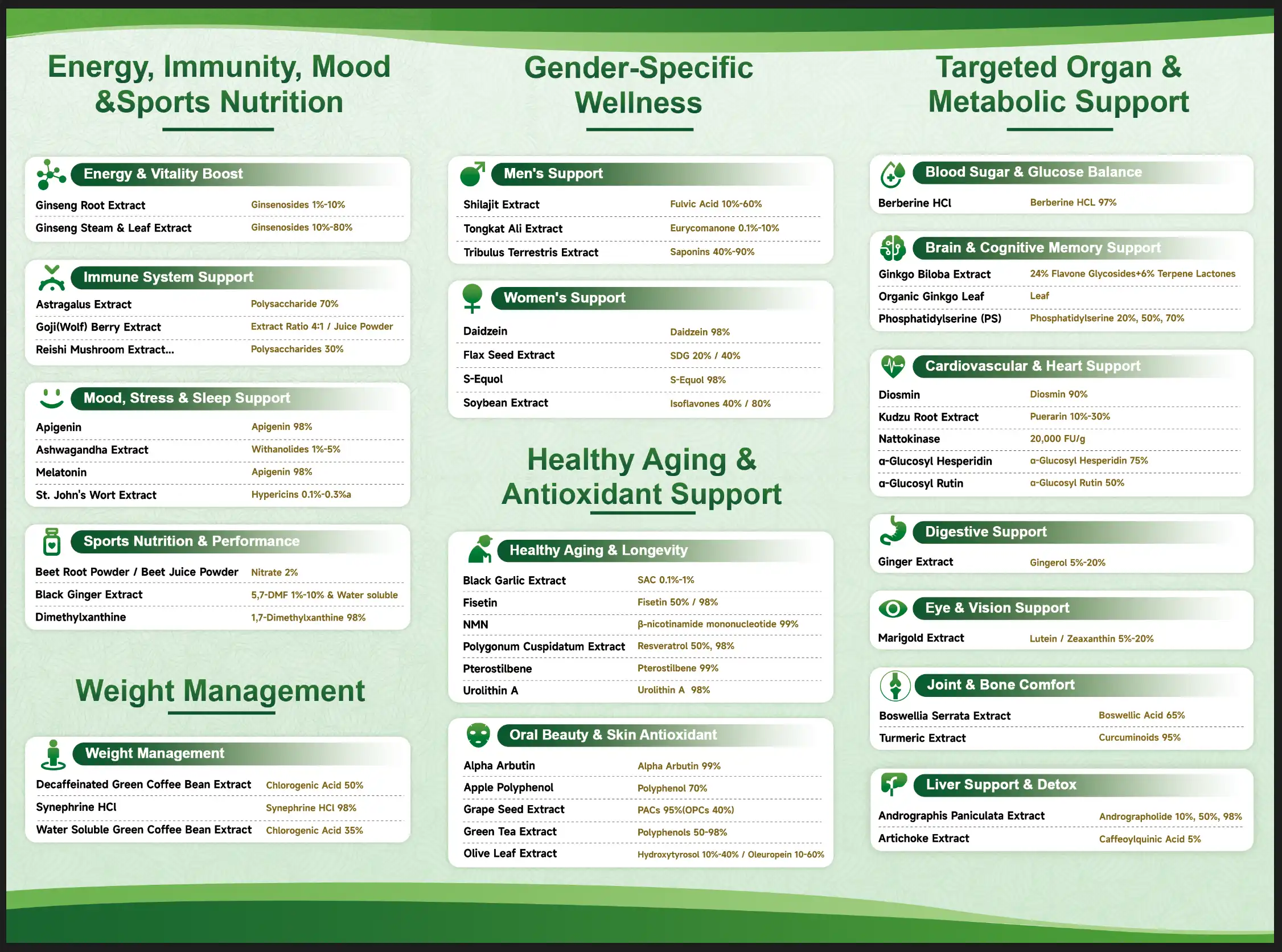
UNIWELL Biotechnology specialises in sending pharmaceutical-grade plant products to North American markets that meet the strict requirements of people who make nutraceuticals, functional foods, and cosmetics. Our astragalus extract powder is tested by a third party to make sure it is free of heavy metals, pesticide residues, and microbes. It is standardised to 70% polysaccharides and has been shown to contain astragaloside IV. We use modern continuous counter-current extraction technology in certified 100,000-grade cleanrooms to make sure that there is no batch-to-batch variation and that the quality is always the same, which is good for your brand's name.
As a supplier of astragalus extract powder with more than ten years of experience in plant ingredients, we keep a strategic store of more than one hundred metric tonnes of raw materials, which lets us usually complete standard orders within three days. Our full range of ODM/OEM services includes help with formulation, legal advice for target markets, custom packaging solutions, and all the paperwork needed for sale, which makes foreign operations easier. Each shipment comes with a full proof of analysis, and we offer free samples with technical data sheets to help you with your product development.
Find out how our low prices, unwavering dedication to quality, and quick technical support can make your supply chain more reliable and speed up the time it takes to come up with new products. Get in touch with our purchasing experts at info@uniwellbio.com to talk about your specific needs and get a quote that fits your volume needs and delivery schedule.
References
1. Auyeung, K.K., Han, Q.B., & Ko, J.K. (2016). Astragalus membranaceus: A Review of its Protection Against Inflammation and Gastrointestinal Cancers. The American Journal of Chinese Medicine, 44(1), 1-22.
2. Block, K.I., & Mead, M.N. (2003). Immune System Effects of Echinacea, Ginseng, and Astragalus: A Review. Integrative Cancer Therapies, 2(3), 247-267.
3. Cho, W.C., & Leung, K.N. (2007). In Vitro and In Vivo Immunomodulating and Immunorestorative Effects of Astragalus membranaceus. Journal of Ethnopharmacology, 113(1), 132-141.
4. Fu, J., Wang, Z., Huang, L., Zheng, S., Wang, D., Chen, S., Zhang, H., & Yang, S. (2014). Review of the Botanical Characteristics, Phytochemistry, and Pharmacology of Astragalus membranaceus. Phytotherapy Research, 28(9), 1275-1283.
5. Sinclair, S. (1998). Chinese Herbs: A Clinical Review of Astragalus, Ligusticum, and Schizandrae. Alternative Medicine Review, 3(5), 338-344.
6. Zhang, H.W., Lin, Z.X., Xu, C., Leung, C., & Chan, L.S. (2014). Astragalus (A Traditional Chinese Medicine) for Treating Chronic Kidney Disease. Cochrane Database of Systematic Reviews, 10, CD008369.
Have a project in mind? Share your requirements — we’ll turn your ideas into reliable products.