- English
- French
- German
- Portuguese
- Spanish
- Russian
- Japanese
- Korean
- Arabic
- Greek
- German
- Turkish
- Italian
- Danish
- Romanian
- Indonesian
- Czech
- Afrikaans
- Swedish
- Polish
- Basque
- Catalan
- Esperanto
- Hindi
- Lao
- Albanian
- Amharic
- Armenian
- Azerbaijani
- Belarusian
- Bengali
- Bosnian
- Bulgarian
- Cebuano
- Chichewa
- Corsican
- Croatian
- Dutch
- Estonian
- Filipino
- Finnish
- Frisian
- Galician
- Georgian
- Gujarati
- Haitian
- Hausa
- Hawaiian
- Hebrew
- Hmong
- Hungarian
- Icelandic
- Igbo
- Javanese
- Kannada
- Kazakh
- Khmer
- Kurdish
- Kyrgyz
- Latin
- Latvian
- Lithuanian
- Luxembou..
- Macedonian
- Malagasy
- Malay
- Malayalam
- Maltese
- Maori
- Marathi
- Mongolian
- Burmese
- Nepali
- Norwegian
- Pashto
- Persian
- Punjabi
- Serbian
- Sesotho
- Sinhala
- Slovak
- Slovenian
- Somali
- Samoan
- Scots Gaelic
- Shona
- Sindhi
- Sundanese
- Swahili
- Tajik
- Tamil
- Telugu
- Thai
- Ukrainian
- Urdu
- Uzbek
- Vietnamese
- Welsh
- Xhosa
- Yiddish
- Yoruba
- Zulu
Best beet root powder for natural energy boost
For a natural energy boost, the best beet root powder is one that is standardised for nitrate content (usually 2% or higher), polyphenol content (≥2% UV), and uses modern processing techniques such as continuous counter-current extraction. Beta vulgaris L. high-quality beetroot extract powder ensures batch-to-batch bioactivity consistency to overcome formulation challenges in ready-to-drink beverages, pre-workout supplements, and functional food matrices, and compliance with regulations across global markets.
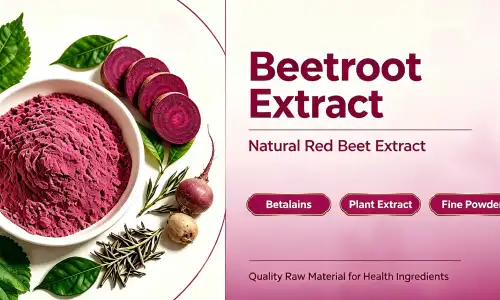
Introduction
Clean-label energy solutions are reshaping the nutraceutical and functional food industries. With producers looking for alternatives to synthetic stimulants, beetroot-derived compounds have become scientifically confirmed solutions for product development. This all-inclusive handbook covers key procurement concerns for B2B customers seeking raw material suppliers in the botanical extract business.
To choose a good beetroot root powder, you need to know more than the price. Product performance, regulatory compliance, and supply chain stability have a direct effect on formulation success and customer happiness. This guide explores the science behind the energy-boosting effects of beetroot, reviews practical selection parameters based on evidence-based frameworks, and provides actionable strategies for procurement teams working with women’s health brands, menopause support companies, hormonal balance developers, and clinical nutrition manufacturers.
The next sections focus on important aspects, from bioactive chemical profiles and quality characteristics to application techniques, market trends, and compliance needs. Such information helps decision-makers know how to forge solid collaborations with suppliers and how to create competitive product lines that match consumers’ natural energy support requirements.
The Science Behind Beet Root Powder as a Natural Energy Enhancer
Nitrate Metabolism and Cardiovascular Function
The key mechanism via which beetroot boosts energy generation is the conversion of dietary nitrate. When nitrates are eaten, they are reduced by bacteria in the mouth to nitrite molecules. These are then converted to nitric oxide in the stomach and bloodstream, which promotes vasodilation and improves the transport of oxygen to muscular tissues.
Clinical research has shown that supplementing with beetroot decreases systolic blood pressure and enhances exercise capacity. Participants who consumed standardised beetroot extracts had better endurance performance during moderate-intensity exercises, with advantages shown two to three hours after intake and continuing up to twelve hours.
Betalain Compounds and Antioxidant Protection
Beetroot includes nitrates and colours called betalains, which include betacyanins and betaxanthins. These bioactive substances provide powerful antioxidant protection by neutralising free radicals produced during metabolic activities. Beet root powder extract enables producers to produce solutions for oxidative stress management with dual functionality, providing energy support together with cellular defence mechanisms.
Studies on betalain bioavailability reveal that extraction procedures have a major impact on the retention of compounds. Advanced processing methods, including continuous counter-current extraction, protect the heat-sensitive nutrients and concentrate the active chemicals to the therapeutic threshold. Such technicality is of utmost importance when designing items that need to behave consistently throughout manufacturing runs.
B-Vitamin Complex and Folate Content
Indeed, the red beetroot is a good source of important B vitamins, including folate (B9), which is required for energy metabolism and cell function. Beetroot-based substances may be included in overall energy blends focusing on women’s health in the reproductive years and throughout the transitions of menopause. Tiredness and decreased cognitive function have been linked to folate insufficiency.
For B2B purchasers seeking confirmation that nutrients are retained after processing, raw materials should be evaluated. These gentle techniques of spray drying and air drying have been shown to be superior to high-temperature processing in retaining the nutritional integrity required for label claims and customer expectations.
How to Select the Best Beet Root Powder for Your Business Needs
Understanding the F-1 Criteria Screening Approach
Strategic sourcing starts with the setting of explicit quality standards that are in accordance with the end-product specifications. The F-1 Criteria Screening Approach considers two main parameters: nitrate concentration and particle size distribution. These criteria have a direct impact on bioavailability, solubility behaviour, and formulation stability.
The premium beetroot extract powder should contain a minimum of 2% of nitrates, measured by established analytical procedures. This concentration guarantees accurate dosage for use in various applications, without the fluctuation of whole-food powders, where the nutritional profile varies according to the seasonal harvest and storage conditions. Particle specs of 80-200 mesh allow for uniform dispersion in ready-to-drink drinks and may eliminate sedimentation problems that reduce product aesthetics and user experience.
Evaluating Product Format Options
The botanical extract market provides beetroot components in several forms, with each having unique benefits for particular uses. The whole root powder offers a comprehensive phytonutrient profile for capsule filling and bulk supplement mixes, but has solubility restrictions in aqueous preparations. Juice powder concentrations give higher flavour intensity desired in smoothie mixes and functional drinks, but need to be handled carefully to avoid caking during storage.
These problems may be overcome by advanced processing using standardised extract powders. Advanced continuous counter-current extraction separates the bioactive chemicals and removes the fibre fractions that interfere with solubility. This streamlined form allows producers to provide a therapeutic dose in a small serving size. This is particularly crucial for pre-workout shots and nitrate-loading capsules when volume is a limitation.
When evaluating supplier offers, procurement experts should compare processing processes as shown on technical data sheets. Suppliers using a mild spray drying process retain the volatile chemicals and the distinctive red-purple coloration indicative of intact betalains. Brown staining of beet root powder products is an indication of heat deterioration during manufacture, a warning of poor quality that may not function in formulations.
Certification Requirements and Supplier Transparency
Compliance with regulations is a prerequisite for entering foreign markets. Good suppliers will have a full suite of certifications to show they are compliant, including FDA facility registration, ISO22000 food safety management systems, KOSHER and HALAL verification, and organic credentials where appropriate. These operate as evidence of adherence to good manufacturing processes and also bolster confidence for downstream regulatory filings.
Procurement teams can also go beyond certifications and consider how transparent production is via facility audits or third-party verification reports. So, suppliers should provide full Certificate of Analysis paperwork with each shipment, performing heavy metal screening (lead, arsenic, cadmium, mercury), pesticide residue testing and microbiological verification. This openness is of particular importance for producers that are producing pharmaceutical-grade formulations or goods designed for sensitive populations, such as pregnant women or those with chronic health concerns.
Maximizing the Benefits: Application Methods and Dosage Guidelines
Formulation Strategies for Dietary Supplements
When translating clinical studies to commercial goods, attention to dosage regimens is critical. Research on the cardiovascular effects of beetroot often uses 300- 500 mg of standardised extract per dose, giving 6-12mmol of dietary nitrates. These concentrations provide bioactive equivalents to 500ml of fresh beetroot juice, removing issues of volume and minimising gastrointestinal discomfort from whole-food ingestion.
Manufacturers formulating pre-workout supplements may combine beetroot extract with other complementary substances such as L-citrulline and L-arginine to create a synergistic combination that supports nitric oxide generation. Strategic stacking allows for the vascular effects to be enhanced at lower levels of each individual chemical, which optimises cost structures without compromising effectiveness. These combinations are well suited for tablet and capsule dosage forms. Moisture-sensitive formulations may need specialised encapsulation or moisture-barrier packaging to ensure stability during shelf life.
Ready-to-Drink Beverage Development
“The functional beverage category is a special formulation space with unique ingredient attributes required. Beetroot extract powder for RTD applications should be easily soluble in the pH ranges often seen in fruit juice matrices, sports drinks, and improved waters. Products produced by continuous counter-current extraction have better dissolving profiles than whole root powders prepared by mechanical milling and do not separate and keep visual appeal along the distribution channels.
Another important factor in beverage applications is colour stability. Natural betalain pigments provide unique strawberry-raspberry colours as clean-label alternatives to synthetic colourants. However, these chemicals are pH sensitive and may have unpleasant brown tones in acidic settings. Advanced extraction procedures that concentrate and stabilise betalain fractions enable producers to provide consistent product appearance across formulation modifications and storage circumstances.
Sports Nutrition Market Applications
Athletes looking for performance improvement are a key market niche for beetroot-based products. The effects of nitrate on exercise efficiency, oxygen utilisation and recovery processes are well known and contribute to the design of sports nutrition products. Understanding timing methods is key to successful product development in this space, since nitric oxide peaks two to three hours after ingestion.
Pre-workout formulas often include 300- 400 mg of standardised extract in consumer-friendly packaging such as single-serve sachets or pre-mixed drinks. Beetroot may also be included in post-exercise recovery solutions, along with other substances strong in antioxidants to address exercise-induced oxidative stress. The addition of beetroot to women’s sports goods is especially useful in terms of maintaining iron status (because of the iron naturally present in the root), and in terms of helping with hormonal balance throughout training cycles and menopausal transitions.
Procurement Solutions and Market Trends in Beet Root Powder Industry
Implementing the F-2 Demand Matching Approach
Strategic sourcing requires aligning procurement volumes with production forecasts while maintaining supply chain flexibility. The F-2 Demand Matching Approach emphasizes building relationships with suppliers capable of scaling output to accommodate growth while providing consistent quality across order magnitudes. Manufacturers experiencing seasonal demand fluctuations particularly benefit from partners maintaining substantial raw material inventories exceeding one hundred metric tons, ensuring continuous availability during peak production periods.
Subscription-based ordering models offer additional advantages for established product lines, locking in favorable pricing while guaranteeing delivery schedules. This approach reduces administrative overhead associated with repeated negotiations and minimizes supply interruptions that disrupt manufacturing workflows. When evaluating potential suppliers, procurement teams should assess storage capabilities, discussing lead times for both standard and custom specifications to verify operational capacity matches business requirements.
Current Pricing Benchmarks and Cost Optimization
Market analysis indicates beetroot extract pricing varies significantly based on standardization levels, processing methods, and certification requirements. Whole beet root powder typically range from lower price points suitable for value-oriented supplement brands, while pharmaceutical-grade standardized extracts command premium pricing reflecting sophisticated processing and rigorous quality controls. Organic certifications generally add incremental costs justified by market positioning and consumer willingness to pay for verified clean-label products.
Bulk purchasing provides opportunities for cost optimization without compromising quality. Suppliers offering volume discounts on orders exceeding specific thresholds enable manufacturers to reduce per-unit costs while maintaining strategic inventory levels. However, procurement professionals must balance pricing advantages against storage considerations and shelf life parameters, ensuring material utilization aligns with turnover rates to prevent waste.
Emerging Market Trends and Innovation
The clean-label movement continues driving demand for botanically derived functional ingredients. Consumer research consistently demonstrates preference for recognizable ingredients over synthetic alternatives, positioning beetroot extract favorably for product development across categories. This trend particularly resonates with women's health supplement brands and menopause support companies, where natural solutions align with target demographic values and purchasing behaviors.
Technological advancements in extraction methodologies represent another significant trend impacting raw material selection. Suppliers investing in modern continuous counter-current extraction systems deliver products with enhanced bioavailability and stability profiles compared to conventional processing. These innovations enable formulation of next-generation products meeting sophisticated consumer expectations while maintaining competitive pricing structures through improved processing efficiency and yield optimization.
Safety, Side Effects, and Compliance for B2B Buyers
Risk Assessment and Mitigation Strategies
While clinical trials have shown beetroot to have a good safety profile, producers need to consider possible issues for certain consumer groups. The main issue is beeturia, a harmless disorder where the pigments betalains cause a red hue in urine and stools. This is a normal and safe effect, but it might potentially worry customers who are not aware of this interaction, and hence product labels should include some instructional information about this natural effect.
Special concern should be given to those individuals with renal problems or a tendency for calcium oxalate kidney stones. Beetroot contains modest amounts of oxalates, which may worsen the disease in sensitive persons. Products marketed to the general wellness consumer should include appropriate disclaimers suggesting contact with a healthcare professional if managing a kidney issue. This safety mark provides protection to producers and demonstrates responsible product management.
Quality Control Protocols and Contamination Prevention
“Robust quality assurance programmes are what differentiate reliable suppliers from commodity vendors. Key testing procedures include the use of ICP-MS to test for heavy metals to ensure that the levels of lead, arsenic, cadmium and mercury are within the limits specified in USP, EP and FDA standards. Agricultural goods are particularly scrutinised for pesticide residues and need multi-residue screening to meet the criteria of the final market.
Microbiological testing is yet another crucial control point to avoid contamination occurrences that might jeopardise consumer safety and brand reputation. The standard parameters should include a total plate count of less than 1,000 CFU/g, a yeast and mould count of less than 100 CFU/g, and the absence of harmful organisms including E. coli, Salmonella, and Staphylococcus aureus. Suppliers that are able to provide batch-specific COA verification of conformity to these standards allow confidence in formulation and regulatory submissions.
Navigating International Certification Standards
To enter the global market, you need to know the various legal frameworks for botanical extracts. U.S. producers must verify that ingredients conform with FDA dietary supplement requirements, including current Good Manufacturing Practices. European markets have additional constraints via Novel Food rules, which might limit certain forms of extracts or require some dossiers to be submitted to demonstrate safety and conventional usage.
Organic certifications increase complexity yet provide business differentiation. USDA Organic, EU Organic, and foreign counterparts have their own regulations for agricultural practices, processing processes, and facility segregation. Manufacturers seeking premium market segments should concentrate on suppliers with applicable organic credentials backed by yearly inspection paperwork and traceability mechanisms that validate organic integrity throughout the supply chains.
Conclusion
Choosing the best beetroot extract powder demands a full assessment of the science behind it, the quality standards, the supplier’s skills, and regulatory compliance. The beet root powder ingredient is well positioned for producers producing products for the women’s health, sports nutrition, and functional food industries, with established cardiovascular benefits, natural energy support mechanisms, and clean-label appeal.
Strategic procurement involves partnering with suppliers that exhibit manufacturing excellence via the use of sophisticated extraction technologies, rigorous quality controls, and a dedication to batch-to-batch consistency. Certification portfolios such as FDA registration, ISO22000, KOSHER, and HALAL verification provide worldwide market access. In the end, a good product development strategy is a balancing act of scientific effectiveness with customer expectations, legal regulations, and operational concerns that all impact market competitiveness and long-term brand success.
FAQ
1. What distinguishes beetroot extract powder from whole beet juice for energy formulations?
Standardized extract powder eliminates natural variability inherent in whole juice products, providing consistent nitrate concentrations across batches. This reliability enables precise dosing in supplement formats while reducing storage and handling challenges associated with liquid ingredients. Extract formats also concentrate bioactive compounds, allowing manufacturers to deliver therapeutic benefits in compact serving sizes without the gastrointestinal volume that whole juice consumption may cause.
2. What dosage ranges should manufacturers target for effective energy support?
Clinical research supports daily intakes of 300- 500 mg standardized extract providing 6-12mmol dietary nitrates. These concentrations demonstrate measurable improvements in exercise performance and cardiovascular function. Product development teams should consider consumption timing, as nitric oxide peaks occur two to three hours post-ingestion, influencing format selection and usage instructions for pre-workout versus daily wellness applications.
3. How do processing methods impact ingredient quality and product performance?
Advanced continuous counter-current extraction preserves heat-sensitive compounds while concentrating bioactive fractions, delivering superior stability and bioavailability compared to conventional processing. Gentle drying methods including spray and air drying maintain nutritional integrity and characteristic pigmentation, whereas high-temperature processing degrades betalains and reduces therapeutic potency. Procurement specifications should explicitly define acceptable processing parameters aligned with quality expectations.
Partner With UNIWELL for Premium Beetroot Extract Powder Supply
Sourcing decisions impact every aspect of product performance and market success. UNIWELL brings over ten years of botanical extract expertise serving women's health supplement brands, hormonal balance developers, and clinical nutrition companies throughout the United States. Our Pure beet root powder, standardized to ≥2% polyphenols and 2% nitrates, delivers the consistency and quality your formulations demand.
As an established beetroot extract powder supplier, we maintain strategic inventory exceeding one hundred metric tons, enabling a three-day average shipping for standard orders. Our facility holds FDA, ISO22000, KOSHER, and HALAL certifications supporting your regulatory requirements. Contact our technical team at info@uniwellbio.com to request samples, discuss customization capabilities, and access competitive bulk pricing tailored to your procurement needs.
References
1. Jones, A.M., Thompson, C., Wylie, L.J., Vanhatalo, A. (2018). Dietary Nitrate and Physical Performance. Annual Review of Nutrition, 38, 303-328.
2. Clifford, T., Howatson, G., West, D.J., Stevenson, E.J. (2015). The Potential Benefits of Red Beetroot Supplementation in Health and Disease. Nutrients, 7(4), 2801-2822.
3. Domínguez, R., Cuenca, E., Maté-Muñoz, J.L., García-Fernández, P., Serra-Paya, N., Estevan, M.C., Herreros, P.V., Garnacho-Castaño, M.V. (2017). Effects of Beetroot Juice Supplementation on Cardiorespiratory Endurance in Athletes. Nutrients, 9(1), 43.
4. Kapil, V., Khambata, R.S., Robertson, A., Caulfield, M.J., Ahluwalia, A. (2015). Dietary Nitrate Provides Sustained Blood Pressure Lowering in Hypertensive Patients. Hypertension, 65(2), 320-327.
5. Wruss, J., Waldenberger, G., Huemer, S., Uygun, P., Lanzerstorfer, P., Müller, U., Höglinger, O., Weghuber, J. (2015). Compositional Characteristics of Commercial Beetroot Products and Beetroot Juice Prepared from Seven Beetroot Varieties Grown in Upper Austria. Journal of Food Composition and Analysis, 42, 46-55.
6. Bahadoran, Z., Mirmiran, P., Kabir, A., Azizi, F., Ghasemi, A. (2017). The Nitrate-Independent Blood Pressure-Lowering Effect of Beetroot Juice: A Systematic Review and Meta-Analysis. Advances in Nutrition, 8(6), 830-838.
Have a project in mind? Share your requirements — we’ll turn your ideas into reliable products.