- English
- French
- German
- Portuguese
- Spanish
- Russian
- Japanese
- Korean
- Arabic
- Greek
- German
- Turkish
- Italian
- Danish
- Romanian
- Indonesian
- Czech
- Afrikaans
- Swedish
- Polish
- Basque
- Catalan
- Esperanto
- Hindi
- Lao
- Albanian
- Amharic
- Armenian
- Azerbaijani
- Belarusian
- Bengali
- Bosnian
- Bulgarian
- Cebuano
- Chichewa
- Corsican
- Croatian
- Dutch
- Estonian
- Filipino
- Finnish
- Frisian
- Galician
- Georgian
- Gujarati
- Haitian
- Hausa
- Hawaiian
- Hebrew
- Hmong
- Hungarian
- Icelandic
- Igbo
- Javanese
- Kannada
- Kazakh
- Khmer
- Kurdish
- Kyrgyz
- Latin
- Latvian
- Lithuanian
- Luxembou..
- Macedonian
- Malagasy
- Malay
- Malayalam
- Maltese
- Maori
- Marathi
- Mongolian
- Burmese
- Nepali
- Norwegian
- Pashto
- Persian
- Punjabi
- Serbian
- Sesotho
- Sinhala
- Slovak
- Slovenian
- Somali
- Samoan
- Scots Gaelic
- Shona
- Sindhi
- Sundanese
- Swahili
- Tajik
- Tamil
- Telugu
- Thai
- Ukrainian
- Urdu
- Uzbek
- Vietnamese
- Welsh
- Xhosa
- Yiddish
- Yoruba
- Zulu
Nature Resveratrol Powder Benefits for Anti-Aging and Health
Nature Resveratrol Powder is great for your health and fighting aging because it is a strong antioxidant and anti-inflammatory. This polyphenolic substance, which mostly comes from Japanese knotweed (Polygonum cuspidatum), guards the circulation system, makes you live longer, and fights oxidative stress in cells. More and more resveratrol extracts are needed in the supplement, skincare, and functional foods industries. Companies that buy from other companies want pure extracts that are stable and meet high-quality standards. What this powerful element is made of, how to get it, and how to pick a seller are all covered in this book. Before you add it to your goods, you should know all of these things.
Understanding Nature Resveratrol Powder: Composition and Health Benefits
What is Resveratrol and Where Does It Come From?
Some plants produce resveratrol (3,5,4'-trihydroxystilbene) to defend themselves from outside stress. The most Polygonum cuspidatum Sieb plant source remains crowded. Japanese knotweed contains more resveratrol than red wine or grape skins. High-quality trans-resveratrol is 10%–98% pure. Trans-isomer functions better in living organisms than cis-form. To conserve the fragile molecular structure and improve treatment, light spray drying or air drying are commonly utilized during extraction. Resveratrol powder from plants differs from lab-made powder. Synthetic resveratrol uses petroleum-based compounds. Plant-derived resveratrol is more accessible and helpful due to its complex phytochemical composition. Carbon-14 tests distinguish natural from man-made sources. This ensures B2B purchasers that items are unaltered. If clean label firms want honest customers and the greatest botanicals, they must be more realistic.
The Science Behind Resveratrol's Anti-Aging Properties
Several chemical mechanisms delay degradation in resveratrol. SIRT1 keeps cells alive and regulates metabolism. Substance activates it. SIRT1 improves DNA repair, mitochondria function, and aging-related gene output. Resveratrol reduces calories without changing your diet, according to a clinical research. It activates stress-related cell pathways to extend life. Resveratrol does more than activate SIRT1. Its powerful antioxidant properties protect cells from ROS, which harm their structure. Because reactive stress breaks down proteins, lipids, and nucleic acids, aging accelerates. Phenolic hydroxyl groups in resveratrol protect free radicals with electrons. This stops oxidation damage. Resveratrol reduces malondialdehyde and increases catalase and superoxide dismutase, according to research. The chemical alters inflammatory processes by inhibiting NF-κB, a transcription factor that causes prolonged inflammation. "Inflammaging," or long-term low-grade inflammation, is connected to metabolic syndrome, heart disease, and neurodegeneration with age. Resveratrol lowers inflammation by decreasing molecules like TNF-α and IL-6. This benefits numerous organs.
Effective Usage and Dosage: Ensuring Safe and Optimal Results
Recommended Dosages for Different Applications
Its usage and intended recipient determine how to modify the dosage. Most health supplement users use 100 mg to 500 mg of pure resveratrol extract daily, while formulations based on Nature Resveratrol Powder are often designed to balance potency, absorption, and cost efficiency. Anti-aging face care products include 0.5% to 2% resveratrol powder to protect sensitive regions from free radicals. Regular usage of 50–150 mg per serving in beneficial meals might provide long-term advantages. Heart health studies typically use 150 mg to 500 mg per day. Research seeking metabolic advantages may utilize 1000 mg per day. Typically, trans-resveratrol levels are 10%–98%. Formulators have a lot of flexibility in meeting dose targets while controlling costs. An efficient 98% pure extract requires much less than a 50% pure extract. This affects food production and sales prices. Business buyers should consider absorption issues when setting dose restrictions. Because it breaks down swiftly, oral resveratrol takes time to reach the body. Improve dose rates by micronizing, liposomal encapsulating, or combining with piperine (black pepper extract). These factors influence your particle size and other ingredient purchases.
Safety Profile and Potential Interactions
People tested resveratrol and found it safe. Bad effects are rare and typically mild. When consumed in excess, gastrointestinal ache may occur. Drug doses several times greater than human consumption have been shown to be safe in animal tests. Resveratrol is GRAS for several purposes, according to the FDA. This allows it to be added to many products. Drugs should be created with drug conflicts in mind. Resveratrol doesn't function well against platelets, so don't combine it with treatments that do. Drug-breaking cytochrome P450 enzymes are also altered by the chemical. This may affect drug efficacy. Talking to individuals and giving appropriate marketing recommendations might help a firm target certain therapeutic regions. Companies that market supplements to elderly individuals who may use prescriptions must be careful. To keep everyone safe, quality control is crucial. To ensure lead, arsenic, cadmium, and mercury levels are within legal limits, a third party should test. To ensure compliance, yeast, mold, hazardous bacteria, and total plate count are tested. Safe extraction processes are proven by liquid residue testing. If vendors provide comprehensive COAs with batch-specific data, purchasers may ensure safety requirements are maintained throughout manufacturing runs.
Comparing Nature Resveratrol Powder with Alternative Forms and Brands
Powder versus Capsule Formulations
Raw resveratrol powder outperforms packaged products for B2B enterprises, and Nature Resveratrol Powder is often preferred by manufacturers seeking greater formulation flexibility and scalable production options. Powdered drugs may be manufactured into pills, tablets, beverages, gummies, and skin treatments. This offers formulators the greatest flexibility. Buying powder in bulk usually saves money. This is particularly true for large manufacturing runs. They may use simple, organic, or allergen-free fillings to match their brand's image. Capsule items are simple to transport but less customizable than other commodities. Pre-encapsulated resveratrol is tougher to dose and may include fillers that conflict with diets or regulatory regulations in target markets. Companies may utilize nanoparticle formulation or lipid-based transport systems to boost bioavailability when making bulk powder. Products that can alter shine out in marketplaces where fresh ideas determine what people purchase. Quality is measured differently on each platform. To ensure purity, efficacy, and impurity, bulk powder must be tested more thoroughly. Trustworthy suppliers do microbial testing, heavy metal analysis, pesticide residue screens, and HPLC chromatograms to detect trans-resveratrol.
Natural versus Synthetic Resveratrol
The contrast between natural and man-made affects product positioning and client satisfaction. Isotopic analysis and phytochemical identification can prove Polygonum cuspidatum's natural resveratrol is plant-derived. The "clean label" movement encourages high-end supplements and goods to employ natural substances. Small levels of additional polyphenols in natural commodities may make them more bioactive. However, researchers are currently investigating these links. Synthetic resveratrol is chemically synthesized from oil. It might improve accuracy and save manufacturing costs. Even when divided, the molecules have the same chemical functions as natural resveratrol since they are formed of the same parts. Government support varies. Some businesses ban bogus substances in particular products. European consumers prefer natural materials, which affects how other businesses create their products.Considering sustainability while buying things is becoming increasingly essential. Grown Polygonum cuspidatum plants provide natural resveratrol to agricultural communities and supply chains. Responsible firms gather safely and sustainably. Making chemicals requires more equipment, but synthetics utilize less land than farming.
Procurement Guide: Buying Nature Resveratrol Powder for Business Needs
Understanding Market Pricing and MOQ Requirements
Grade, quantity, and seller position affect resveratrol costs greatly. 50% pure extracts used in tiny quantities cost $80–150 per kilogram. 98% pure trans-resveratrol costs $300–$600 per kilogram in pharmaceuticals. How hard it is to remove, how many steps are required to clean it, and how much money is spent on quality control determine the cost. People who purchase from other companies should consider both the kilogram and dosage prices. Better grade varieties use less material to manufacture medicinal dosages. various vendors establish various minimum order quantities (MOQ), which affects working capital and inventory management. Large sellers may require MOQs of 100 to 500 kg, which is appropriate for recognized brands with continuous demand. Smaller, more specialized suppliers usually have 5–25 kilogram MOQs. They're fantastic for limited editions, fresh names, and new goods. As the firm expands, changing sales keeps supply running without storing excess items, which would lock up capital. When order volume reaches a specific level, volume pricing systems cut prices by 10–30%. Big deals should be weighed against the whole cost of ownership, including storage, quality testing, and the risk of a faulty item.
Quality Assurance and Certification Verification
Strong quality control prevents substandard or tampered products. If you request samples before making large purchases, another lab can verify the seller's claims. The material should be tested by a third party to ensure it has the required level of trans-resveratrol, typically within ±5%. Lead should be below 2 ppm, arsenic below 1 ppm, cadmium below 1 ppm, and mercury below 0.1 ppm for heavy metal screens. Microbe tests ensure product safety. A total plate count under 1,000 CFU/g is excellent for food additives. Yeast and mold should be under 100 CFU/g. In 10-gram samples, E. coli, Salmonella, and Staphylococcus aureus should not be present. Chemical residue testing ensures the product meets EU or USDA standards. All agricultural contamination may be identified by searching for over 400 pesticides. Visiting a supplier's plant might reveal their manufacturing and quality control skills. Equipment maintenance, personnel training, and document tracking should be checked virtually or in person. Watching how cleanrooms, materials, and quality control laboratories function shows competence in real life, not just on paper.
Logistics Considerations and Documentation
Getting resveratrol from other nations requires a lot of paperwork and effort. Air freight travels in 5–10 days. It's great for urgent orders or high-value deliveries, when the higher freight costs justify the higher product cost. Ocean freight is affordable for 100-kilogram loads. Starting and finishing points vary, but the voyage may take 25–45 days. Land freight is swift and inexpensive, helping local supply lines. With the correct paperwork, customs moves fast and laws are observed. Bills must include accurate item descriptions, prices, and Harmonized System (HS) names. Resveratrol averages 2938.90. Certificates of Analysis verify product specifications and standards. Plants with phytosanitary permits satisfy the country's growth standards. Trade arrangements that benefit both sides may cut tax rates on papers with evidence of origin. People who observe religion food regulations utilize KOSHER and HALAL licenses. Smart vendors stock up on raw supplies to complete orders swiftly. If you have above 100 metric tons of products, you are supply chain-committed and financially solid. When wholesalers ship routine orders in three business days or fewer, work ceases and safety stock is reduced.
Conclusion
Scientists have shown that resveratrol powder can help make anti-aging and health-related products, such as foods, makeup, and supplements, and Nature Resveratrol Powder has become a profitable ingredient for brands targeting science-backed wellness markets. Its marketing claims that it works on multiple routes to deal with oxidative stress, inflammation, and cellular aging are backed up by a lot of clinical studies. For business-to-business buyers, the best providers are the ones who offer regular quality, full licenses, and clear testing papers. Brands can stay ahead of the competition while keeping costs low by focusing on natural sources, the right purity grades, and flexible MOQ terms when they buy in bulk. Customers want ingredients that help people live longer, that are backed by science. Companies can meet this desire by adding resveratrol to goods in a smart way.
FAQ
1. What dosage of resveratrol is ideal for anti-aging supplement formulations?
Most products that fight aging have between 100 mg and 500 mg of pure resveratrol powder in each daily dose. In clinical tests that show anti-aging benefits, doses in this range are often used. Based on how clean it is and what health claims are being made, the best amount is. High-purity extracts (98%) need much less material to hit goal doses than normal grades (50%).
2. How can I verify resveratrol quality and purity from suppliers?
Ask for full Certificates of Analysis that show HPLC data for testing for heavy metals, microbes, herbicide residues, and trans-resveratrol. Before you place big orders, have a third party test samples to make sure they are real. Make sure the seller has the right credentials, like being registered with GMP, ISO22000, and the FDA. It is possible to tell the difference between natural and man-made resveratrol using Carbon-14 tests.
3. Are there side effects from high resveratrol usage in formulations?
Resveratrol has been shown to be very safe in lab tests. If you take more than 1,000 mg per day, you might get mild stomach pain. The substance shouldn't be used in products for people who are taking anticoagulant drugs because it doesn't work very well against platelets. People should be safe and follow the rules by putting these things on the sign in the right way.
Partner with UNIWELL for Premium Resveratrol Powder Supply
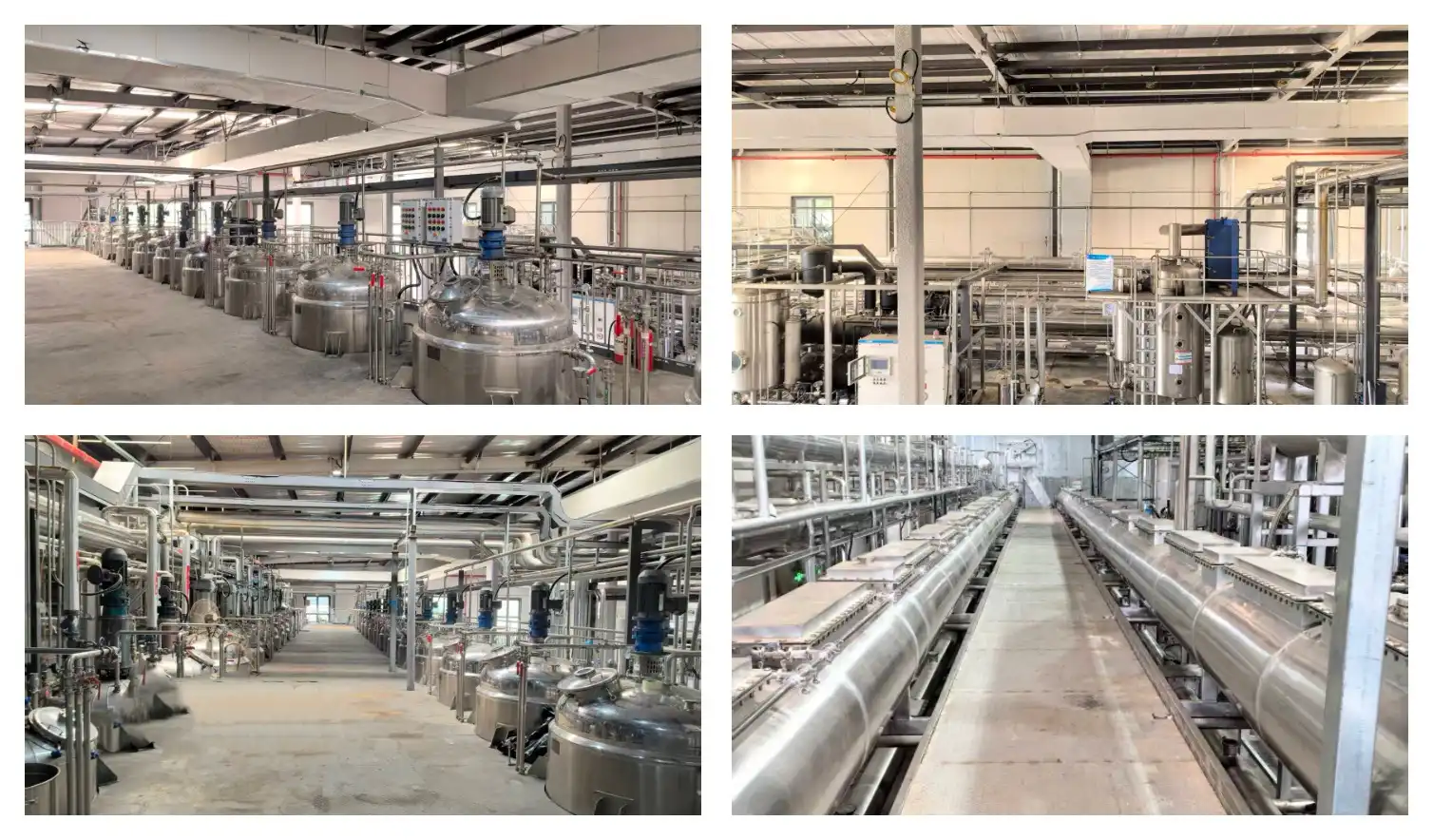
Sichuan Uniwell Biotechnology sells Nature Resveratrol Powder. Their trans-resveratrol comes from Polygonum cuspidatum, and the powder is between 10% and 98% pure. Our production plant follows strict GMP rules in 100,000-grade cleanrooms to make sure that the vegetable products we use are medical grade and don't have any added chemicals. A third party puts each batch through strict tests to make sure it is clean, works, and doesn't have any harmful ingredients. It also comes with a full COA that is allowed around the world.
Since we always have more than 100 metric tons of important raw materials on hand, we can ship normal orders in three business days. We offer full world transport options that include shipping items by land, sea, and air. They have all the paperwork to prove it, like FDA, ISO22000, KOSHER, and HALAL approvals. We do more than just bring things. We also offer full OEM/ODM design services that are tailored to your market needs, recipe preferences, and government rules.
You can email our science team at info@uniwellbio.com to talk about your individual volume needs. You can also ask for samples, look at test results for each batch, and ask about flexible MOQ arrangements. Uniwell is a great company to do business with because it has low prices, consistent quality, and a solid supply chain. It can make new vitamin formulas or add more beauty items to its line. We can help you achieve this by giving you high-quality resveratrol powder. We have been getting resveratrol from plants for more than ten years, so you can trust us.
References
1. Baur, J.A., & Sinclair, D.A. (2006). "Therapeutic Potential of Resveratrol: The In Vivo Evidence." Nature Reviews Drug Discovery, 5(6), 493-506.
2. Ramírez-Garza, S.L., et al. (2018). "Health Effects of Resveratrol: Results from Human Intervention Trials." Nutrients, 10(12), 1892.
3. Gambini, J., et al. (2015). "Properties of Resveratrol: In Vitro and In Vivo Studies about Metabolism, Bioavailability, and Biological Effects in Animal Models and Humans." Oxidative Medicine and Cellular Longevity, 2015, 837042.
4. Walle, T. (2011). "Bioavailability of Resveratrol." Annals of the New York Academy of Sciences, 1215(1), 9-15.
5. Tome-Carneiro, J., et al. (2013). "Resveratrol and Clinical Trials: The Crossroad from In Vitro Studies to Human Evidence." Current Pharmaceutical Design, 19(34), 6064-6093.
6. Singh, C.K., et al. (2014). "Resveratrol: A Novel Natural Product for Anti-Aging and Chronic Disease Prevention." Journal of Food and Drug Analysis, 22(1), 17-28.
Have a project in mind? Share your requirements — we’ll turn your ideas into reliable products.