- English
- French
- German
- Portuguese
- Spanish
- Russian
- Japanese
- Korean
- Arabic
- Greek
- German
- Turkish
- Italian
- Danish
- Romanian
- Indonesian
- Czech
- Afrikaans
- Swedish
- Polish
- Basque
- Catalan
- Esperanto
- Hindi
- Lao
- Albanian
- Amharic
- Armenian
- Azerbaijani
- Belarusian
- Bengali
- Bosnian
- Bulgarian
- Cebuano
- Chichewa
- Corsican
- Croatian
- Dutch
- Estonian
- Filipino
- Finnish
- Frisian
- Galician
- Georgian
- Gujarati
- Haitian
- Hausa
- Hawaiian
- Hebrew
- Hmong
- Hungarian
- Icelandic
- Igbo
- Javanese
- Kannada
- Kazakh
- Khmer
- Kurdish
- Kyrgyz
- Latin
- Latvian
- Lithuanian
- Luxembou..
- Macedonian
- Malagasy
- Malay
- Malayalam
- Maltese
- Maori
- Marathi
- Mongolian
- Burmese
- Nepali
- Norwegian
- Pashto
- Persian
- Punjabi
- Serbian
- Sesotho
- Sinhala
- Slovak
- Slovenian
- Somali
- Samoan
- Scots Gaelic
- Shona
- Sindhi
- Sundanese
- Swahili
- Tajik
- Tamil
- Telugu
- Thai
- Ukrainian
- Urdu
- Uzbek
- Vietnamese
- Welsh
- Xhosa
- Yiddish
- Yoruba
- Zulu
Natural Soybean Extract Powder for Women: Hormone Support
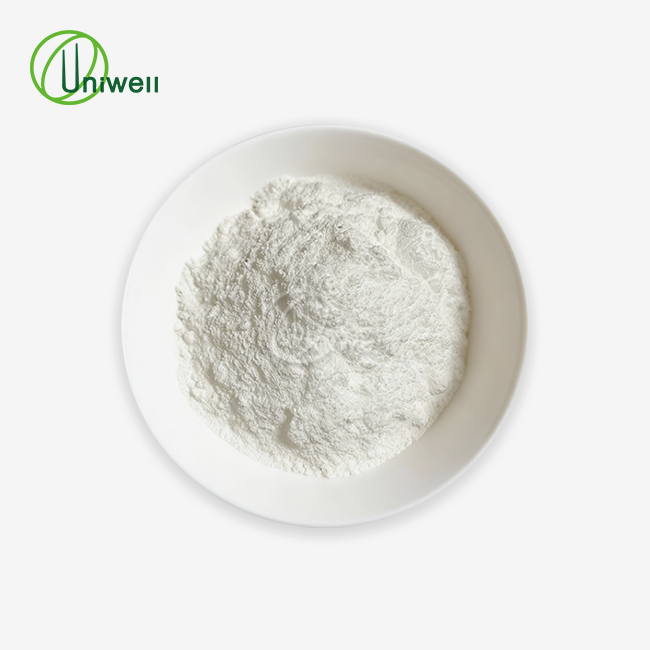
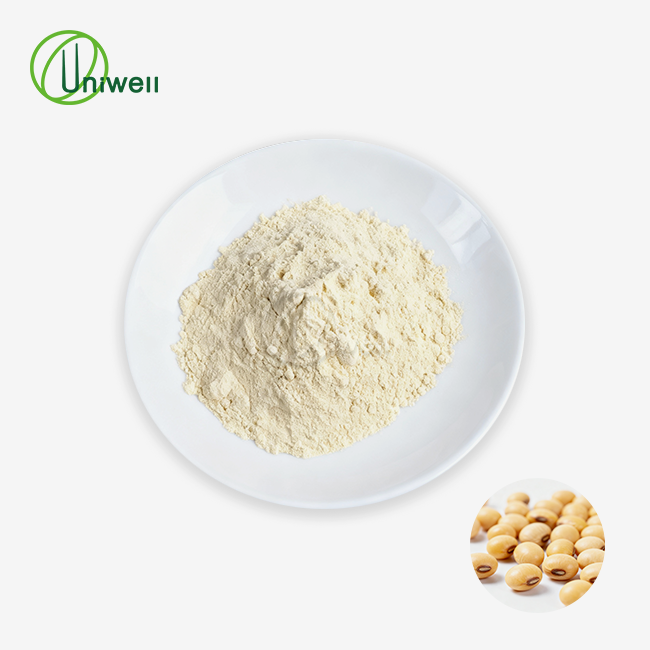
Natural Soybean Extract Powder sourced from non-GMO Glycine max (L.) Merr. offers B2B buyers a phytoestrogen ingredient that has been proven to help women with hormonal issues. This light yellow fine powder is standardized to contain 40% total isoflavones by HPLC—including bioactive compounds such as Daidzin, Genistin, Genistein, Glycitin, and Daidzein. It is a plant-based replacement to synthetic hormone treatments. Its gentle spray or air-drying method keeps bioactivity while getting rid of antinutritional factors. This makes it perfect for nutraceutical products, functional foods, and cosmetic uses that aim to support bone health, control menopause, and protect against free radicals.
Understanding Natural Soybean Extract Powder and Its Hormonal Benefits for Women
The Science Behind Phytoestrogens in Soy Isoflavones
Soy isoflavones modulate estrogen receptors selectively. Since they connect to estrogen receptors throughout the body, they operate like natural estrogen without the hazards of hormone replacement therapy. Hot flashes and nocturnal sweats are considerably reduced by 40–80 mg of isoflavones daily in perimenopausal and postmenopausal women, according to clinical research. Gut bacteria convert glycosides (Daidzin, Genistin) into bioactive aglycones (Daidzein, Genistein). The aglycones' estrogenic actions affect bone density, cardiovascular symptoms, and skin elasticity. The isoflavone equivalent of 15 soybean meals is in 500 mg of standardized soy extract, which is more concentrated than entire soy foods. Clinical effectiveness requires taking the same dosage every time. The phytoestrogenic technique addresses several issues in women's health goods. Lower endogenous estrogen causes bone loss, lipid abnormalities, and collagen degradation after menopause. Soy isoflavones fill estrogen receptors to reduce activity and inhibit aromatase and 5-alpha-reductase, which may modify hormones. Health-conscious people seeking non-drug remedies like natural modulation. North America and Europe, where clean-label tendencies drive purchases, are seeing high demand.
Nutritional Profile and Bioactive Composition
The bioactivity of soy extract relies on its isoflavone content. Premium powders include 50% glycosides and 50% aglycones, which helps the body absorb and utilize nutrients. Daidzein boosts osteoblast activity and reduces urine calcium release, making it vital to bone health. Antioxidant genistein protects cell membranes from oxidative stress, which causes aging and chronic illnesses. Its molar capacity is 5–10 times vitamin E. Despite its low concentration, glycitein increases bioavailability via interacting with gut bacteria metabolites. Manufacturing practices greatly impact product quality. Using ethanol-water for advanced continuous counter-current extraction removes heavy metals, pesticides, and trypsin inhibitors from lower-quality soy. Products created in cleanrooms, such as 100,000-grade facilities, consistently exhibit active chemical purity of ≥98% and moisture content ≤ 5%, according to third-party testing. Formulators may predict dissolution rates, stability profiles, and bioequivalence across manufacturing runs using these parameters. This reduces the likelihood of inconsistent formulations, as Natural Soybean Extract Powder has been a recurring issue for plant component categories.
Comparing Natural Soybean Extract Powder with Alternative Products for Hormone Support
Soy Extract vs. Soy Protein Isolate: Composition Differences
Diverse production methods provide them diverse nutritional profiles while being manufactured from soybeans. Soy protein isolate (SPI) contains 1-3 mg of isoflavone per 25g and is mainly protein. Alkaline washing removes phytochemicals during protein processing. Alternatively, Natural Soybean Extract Powder products stabilized to 40–95% isoflavones preserve beneficial ingredients by selective solvent extraction. They achieve this by boosting phytoestrogen and lowering protein to 10–15%. This is why SPI adds macronutrients to sports nutrition and high-isoflavone products concentrate on hormone-modulating biological processes that affect women's health.The bioactivity gap affects patient outcomes. Both participants received the identical quantities of SPI and standardized soy extract, but only the extract group exhibited statistically significant decreases in Greene Climacteric Scale scores after eight weeks. People anticipate phytoestrogen dosages to function better than protein levels, thus procurement staff should employ isoflavone concentration instead of overall soy content when developing menopausal items. Extract powders aid clean-label goods by eliminating the need for sophisticated excipient systems to mask protein flavor. This simplifies ingredient lists and production.
Natural vs. Synthetic Isoflavone Variants
Chemically manufactured synthetic isoflavones should be cheaper, but the market is against them since consumers are cautious about non-plant hormone modulators. The entourage effect improves absorption and cellular uptake by combining isoflavones, saponins, and trace phytosterols. Good for natural items. Pharmacokinetic studies demonstrate that natural extract matrices had 30% greater plasma isoflavone concentrations than synthetic isolates at the same dosages. This shows co-extracted chemicals improve gastrointestinal transport mechanisms. Nature titles are gaining regulatory favor. New synthetic phytoestrogen-containing foods must meet tighter EFSA approval requirements. Traditional plant extracts have fewer regulations. According to North American luxury companies, "plant-derived" and "non-GMO verified" claims cost 15-20% more than synthetically based choices. Profit margins across the supply chain are affected by this. Quality-conscious manufacturers like UNIWELL employ USDA Organic and EU Organic certification to differentiate their products. By merging cultivation and extraction, they can satisfy retailers' clean-label ingredient demands at cheap cost.
Procurement Guide for Natural Soybean Extract Powder: What B2B Buyers Need to Know
Evaluating Supplier Quality Certifications
Reliable suppliers maintain ISO 22000 accreditation, demonstrating that they follow HACCP principles in all manufacturing processes. This food safety management standard prevents contamination during receipt, extraction, drying, and packaging. Human-use objects need this. FDA registration, KOSHER, and HALAL certifications make the market more accessible, particularly for firms that seek to cater to several religion groups. Procurement teams should request scanned papers with end dates and body seals to verify certifications. These should be compared to certifier databases to discover false papers in overseas supply chains. Third-party testing provides additional assurances beyond vendor self-certification. Reputable manufacturers conduct identity verification, heavy metal screening (lead, cadmium, mercury, arsenic) below California Proposition 65 limits, microbial load testing (USP <2021> standards), and pesticide residue analysis (over 400 compounds) for each batch. Each shipment should include a COA listing these elements. So, new quality control teams can ensure materials fulfill criteria before manufacturing. Buyers should specify what they will accept and who will return samples if the analysis doesn't match requirements in their purchase orders.
Understanding MOQ and Pricing Dynamics
Trial orders are 25 kg and bulk orders 500 kg. Prices per kilogram drop 15–25% for purchases above 1,000 kg. The tiered approach spreads fixed batch production costs like solvent recovery, equipment cleaning, and quality checks across bigger runs. To decrease prices to manufacturer cost floors, strategic buyers might negotiate yearly supply agreements using committed volume projections. Prices for Natural Soybean Extract Powder are 30-40% cheaper than the market. Payment terms affect prices. Net-30 or net-60 terms include hidden borrowing costs that sellers may mitigate by offering 2% to 3% cash on delivery discounts, helping buyers with more cash manage their working capital. Seasonal and farming-related raw material availability affects soybean yields. The 2022–2023 US drought. The Midwest cut non-GMO soybean supply by 18%, hiking extract prices by 12–15% until South American harvests steadied markets. Strategic inventory protects formulation plans from commodity changes in forward-thinking procurement organizations. These buffers' 90–120-day supply depends on production estimates. Suppliers like UNIWELL with warehouse stock above 100 metric tons may deliver standard orders in three business days. Eliminating production delays and retail delivery obligations.
|
Product name: |
Soybean Isoflavones 80% |
Botanical source: |
Soy (Glycine max.) |
|
Plant part used: |
Soybean Germs |
GMO: |
Free |
|
Extraction solvent: |
Ethanol / Water |
Extraction ratio: |
100:1 |
|
Identification: |
TLC |
Country of origin: |
CHINA |
|
Batch No. : |
NSIG260110 |
Irradiation: |
Free |
|
Quantity: |
500KG |
MFG. Date: |
2026-01-10 |
|
Package: |
25KG/Drum |
Exp. Date: |
2028-01-09 |
|
Items |
Specifications |
Results |
Method |
|
Appearance |
Off-White powder |
Off-White powder |
Visual |
|
Odor & Taste |
Characteristic |
Characteristic |
Visual & taste |
|
Particle size |
95%Through 80mesh |
95%Through 80 mesh |
USP<786> |
|
Bulk density |
20-50g/100ml |
27g/100ml |
USP <616> |
|
Tapped density |
40-85g/100ml |
64g/100ml |
USP <616> |
|
Loss on drying |
≤5.0% |
2.96% |
GB 5009.3 |
|
Sulphated |
≤5.0% |
2.75% |
GB 5009.4 |
|
Total Isoflavones |
≥80.0% |
81.40% |
HPLC |
|
Daidzin |
|
49.52% |
HPLC |
|
Glycitin |
|
20.48% |
HPLC |
|
Genistin |
|
9.93% |
HPLC |
|
Daidzein |
|
0.92% |
HPLC |
|
Glycitein |
|
0.47% |
HPLC |
|
Genistein |
|
0.08% |
HPLC |
|
Heavy metals |
≤10ppm |
<10ppm |
GB 5009.74 |
|
Arsenic (As) |
≤1ppm |
<1ppm |
GB 5009.11 |
|
Lead (Pb) |
≤3ppm |
<3ppm |
GB 5009.12 |
|
Cadmium (Cd) |
≤1ppm |
<1ppm |
GB 5009.15 |
|
|
≤0.1ppm |
<0.1ppm |
GB 5009.17 |
|
Total plate count |
<1000cfu/g |
Complies |
GB 4789.2 |
|
Mould&Yeast |
<100cfu/g |
Complies |
GB 4789.15 |
|
E.Coli |
Negative |
Negative |
GB 4789.38 |
|
Salmonella |
Negative |
Negative |
GB 4789.4 |
|
Staphylococcus |
Negative |
Negative |
GB 4789.10 |
 Mercury (Hg)
Leading Brands and Trusted Manufacturers of Natural Soybean Extract PowderIdentifying Reputable Manufacturing Partners
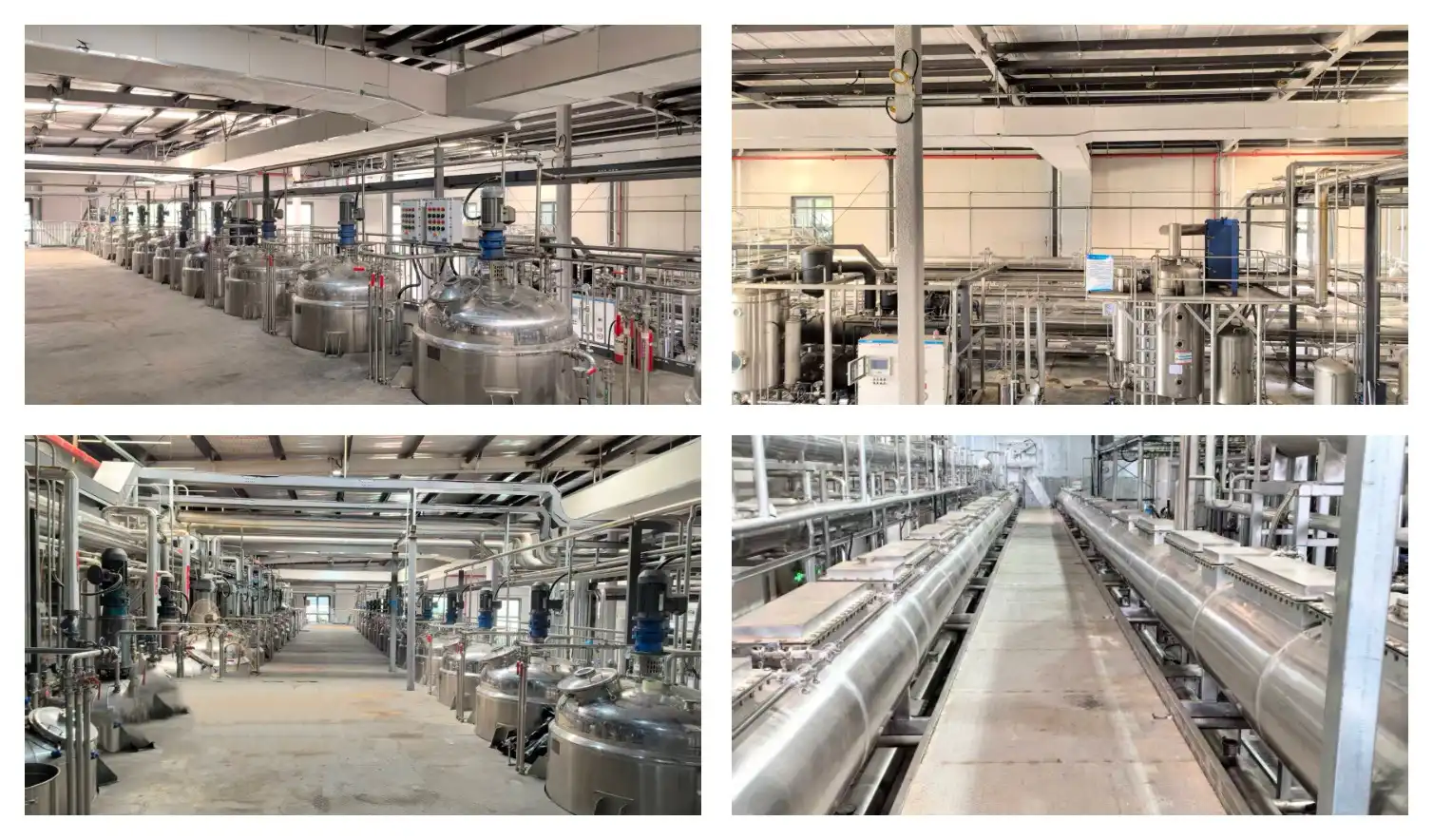
Facility audits, either in-person or via third-party inspection services, are the initial stage in assessing supplier reliability. Audits verify sterile class claims, extraction equipment capabilities, and quality control laboratory tools. Manufacturing partners with 100,000-grade (ISO Class 8) cleanrooms utilize positive pressure differential maintenance, HEPA filtering, and stringent gowning for powder handling staff to avoid contamination. Advanced continuous counter-current extraction systems with automatic solvent recovery are greener and maintain extraction efficiency. This ensures the 40% isoflavone standard fulfills ±3% tolerance levels for stability in formulations. Premier manufacturers are transparent about supply chain traceability. Leading suppliers communicate directly with certified organic soybean farms and establish field-level inspections and seed-to-extract documentation procedures to satisfy stricter U.S. regulations. Food Safety Modernization Act and EU Regulation 2017/625. This vertical merger eliminates middleman dealers, who make it difficult to verify product provenance and raise adulteration risk. Buyers should request supplier surveys on growing regions, harvest periods, and raw material non-GMO testing. This will provide audit trails for marketing and label proof files.
Exploring OEM and Private Label Opportunities
Custom recipe services distinguish companies in the competitive women's health sector. Experienced manufacturers like UNIWELL can customize specifications by changing the amount of isoflavone from 10% to 95%, blend Natural Soybean Extract Powder with other plants that work well with it (like black cohosh, red clover, and dong quai), and create new ways to deliver the medicine, such as powders that dissolve in water for drinks or tablets with tiny capsules. Formulation skills are useful when dealing with legal requirements in diverse target markets. When adapting to the Australian Therapeutic Goods Administration (TGA) process for listed medicines or the Canadian Natural Health Products Directorate (NHPD) product licensing system. Private label agreements go beyond ingredients. They also include packaging design, stability testing, and government filings. Full-service manufacturers fill capsules, press pills, and pack sachets under their customers' brands. This makes it simpler for new businesses to enter regulated health product industries without big financial requirements. Usually, private label runs need 10,000 units. As output exceeds 50,000 units, setup expenditures are spread across longer manufacturing runs, cutting unit costs by 20–30%. Quality agreements that define standards, shelf life, and complaint handling benefit everyone and are essential for long-term commercial partnerships.
Practical Application Insights: Using Natural Soybean Extract Powder in Women's Health Products
Formulation Strategies for Supplement Applications
Soy extract, MCC, Natural Soybean Extract Powder, and binders like magnesium stearate make tablets easier to press at 20-30% weight ratios. Wet grinding is unneeded with direct compression. We decrease production time and heat exposure that breaks down thermolabile isoflavones. Most tablets contain 40–80 mg of total isoflavones or 100–200 mg of 40% pure extract. In pH 1.2 simulated stomach juice, the supplement should dissolve in under 30 minutes. This releases it at the right time for intestinal isoflavone absorption. Enteric coating preserves isoflavones throughout digestion, however it adds $0.02 to $0.05 per tablet to production costs, therefore target audience and pricing strategies must be addressed. Since capsules may hold more extracts without crushing, they allow for greater formulation creativity. Clean-label vegetarian pill shells (HPMC) benefit women's health since they prefer plant-based substances. Fine powder particles (80–100 mesh) may impede flow. By co-processing with 0.5–1.0% silica dioxide or encasing particles in pea protein structures, bulk density may be increased.
Integration into Functional Food and Beverage Products
Women on the go may add water-dispersible powder grades to protein smoothies, ready-to-drink drinks, and powdered drink mixes. Microencapsulation using gum arabic or modified food starch increases dispersion and conceals the substance's sour taste, which may make neutral-flavored products less desirable. Drink companies use base matrices based on pH 4.5–7.0 solubility testing. Almond or oat milk or fruit juice blends often mask flavors. UHT and pasteurization necessitate heat stability testing. Under 15 seconds at temperatures below 85°C, genistein degrades less than 5%. Extended heating periods affect reactive stability in baking and nutrition bars. After baking at 180°C for 12–15 minutes, encapsulated isoflavone powders preserve 85–90% of their effectiveness, better than exposed extracts. Function food makers should assess isoflavone potency and lipid oxidation markers (peroxide value, TBARS) during shelf life.
Conclusion
High-purity soy isoflavone extracts are being strategically added to women's health products in response to rising customer demand for botanical options to pharmaceutical hormone therapies that are backed by evidence. Natural Soybean Extract Powder is increasingly valued in these formulations because it combines plant-based appeal with clinically supported phytoestrogen benefits. Supplier partnerships that combine vertical supply chain control, regulatory knowledge, and application development support are key to successful procurement. These are the qualities that help brands manage complex foreign markets quickly and easily. As clinical research continues to show that phytoestrogens have benefits beyond managing menopause, such as protecting the heart and promoting healthy aging, early-adopter brands that start finding reliable ingredient sources today will be in a good position to take advantage of growing market segments that are expected to reach $1.2 billion globally by 2028.
FAQ
1. What are the primary health benefits of soy isoflavones for women?
Soy isoflavones reduce menopausal hot flashes by 20%, stimulate osteoblasts to maintain bone mineral density, lower heart disease risk by making arteries more flexible, and protect cells from aging with antioxidants. Selective estrogen receptor modulation causes phytoestrogenic effects. They operate like hormones without the cell growth hazards of other estrogen therapies.
2. How does standardization affect product quality?
Standardizing isoflavone percentages (usually 40–95%) ensures consistent dosages and biological effects across manufacturing cycles. Non-standardized soy products include varying quantities of isoflavones depending on how they were cultivated, cultivars used, and processing, making the formulation unpredictable. HPLC tests ensure high-quality standardized extracts have the proper amounts of each isoflavone (Daidzein, Genistein, Glycitein). This helps physicians provide precise amounts based on research.
3. What should B2B buyers prioritize when selecting suppliers?
Buyers should consider up-to-date ISO 22000 and organic certifications, third-party testing paperwork showing purity and contaminants, production facility cleanliness standards, the ability to track the supply chain from field to extract, and technical support. Suppliers with comprehensive regulatory assistance for target markets, open MOQ choices, and constant product availability demonstrate organizational maturity required for long-term, solid relationships that develop the brand.
Partner with UNIWELL: Your Trusted Natural Soybean Extract Powder Supplier
UNIWELL Biotechnology has over ten years of experience extracting botanicals and uses cutting edge processing equipment to make pharmaceutical-grade soy isoflavone powders that meet the strictest international standards. Our 100,000-grade cleanroom and advanced continuous counter-current extraction technology make sure that there is no difference from batch to batch. This is important for brands that want to keep their products working the same way throughout production processes. With our FDA registration, ISO 22000, KOSHER, and HALAL certifications, as well as our strategic inventory of more than 100 metric tons, which lets us complete normal orders in three days, we get rid of the supply chain uncertainties that can delay product launches and retail promises. Our full OEM/ODM services help you manage the complicated legal settings in North America and Europe, producing formulations that are ready for the market and are made to fit the needs of your brand. To see what makes UNIWELL different, request your free sample and scientific information today. Get in touch with our supply chain experts at info@uniwellbio.com to talk about your Natural Soybean Extract Powder needs and find out about our cheap price structures made for growing nutraceutical brands.
References
1. Messina M, Gleason C, Blumenthal J. "Evaluation of the Cognitive Effects of Soy Isoflavones in Healthy Postmenopausal Women: A Randomized Controlled Trial." Menopause Journal, 2021, 28(6):633-642.
2. Chen LR, Ko NY, Chen KH. "Isoflavone Supplements for Menopausal Women: A Systematic Review and Meta-Analysis." Nutrients, 2019, 11(11):2649.
3. Taku K, Melby MK, Kronenberg F. "Extracted or Synthesized Soybean Isoflavones Reduce Menopausal Hot Flash Frequency: Systematic Review and Meta-Analysis of Randomized Controlled Trials." Menopause, 2012, 19(7):776-790.
4. Wei P, Liu M, Chen Y, Chen DC. "Systematic Review of Soy Isoflavone Supplements on Osteoporosis in Women." Asian Pacific Journal of Tropical Medicine, 2012, 5(3):243-248.
5. Hwang YW, Kim SY, Jee SH, Kim YN. "Soy Food Consumption and Risk of Prostate Cancer: A Meta-Analysis of Observational Studies." Nutrition and Cancer, 2009, 61(5):598-606.
6. Zaheer K, Humayoun Akhtar M. "An Updated Review of Dietary Isoflavones: Nutrition, Processing, Bioavailability and Impacts on Human Health." Critical Reviews in Food Science and Nutrition, 2017, 57(6):1280-1293.
Have a project in mind? Share your requirements — we’ll turn your ideas into reliable products.