- English
- French
- German
- Portuguese
- Spanish
- Russian
- Japanese
- Korean
- Arabic
- Greek
- German
- Turkish
- Italian
- Danish
- Romanian
- Indonesian
- Czech
- Afrikaans
- Swedish
- Polish
- Basque
- Catalan
- Esperanto
- Hindi
- Lao
- Albanian
- Amharic
- Armenian
- Azerbaijani
- Belarusian
- Bengali
- Bosnian
- Bulgarian
- Cebuano
- Chichewa
- Corsican
- Croatian
- Dutch
- Estonian
- Filipino
- Finnish
- Frisian
- Galician
- Georgian
- Gujarati
- Haitian
- Hausa
- Hawaiian
- Hebrew
- Hmong
- Hungarian
- Icelandic
- Igbo
- Javanese
- Kannada
- Kazakh
- Khmer
- Kurdish
- Kyrgyz
- Latin
- Latvian
- Lithuanian
- Luxembou..
- Macedonian
- Malagasy
- Malay
- Malayalam
- Maltese
- Maori
- Marathi
- Mongolian
- Burmese
- Nepali
- Norwegian
- Pashto
- Persian
- Punjabi
- Serbian
- Sesotho
- Sinhala
- Slovak
- Slovenian
- Somali
- Samoan
- Scots Gaelic
- Shona
- Sindhi
- Sundanese
- Swahili
- Tajik
- Tamil
- Telugu
- Thai
- Ukrainian
- Urdu
- Uzbek
- Vietnamese
- Welsh
- Xhosa
- Yiddish
- Yoruba
- Zulu
Gingko Biloba Leaf Extract Powder Bulk Buying Tips
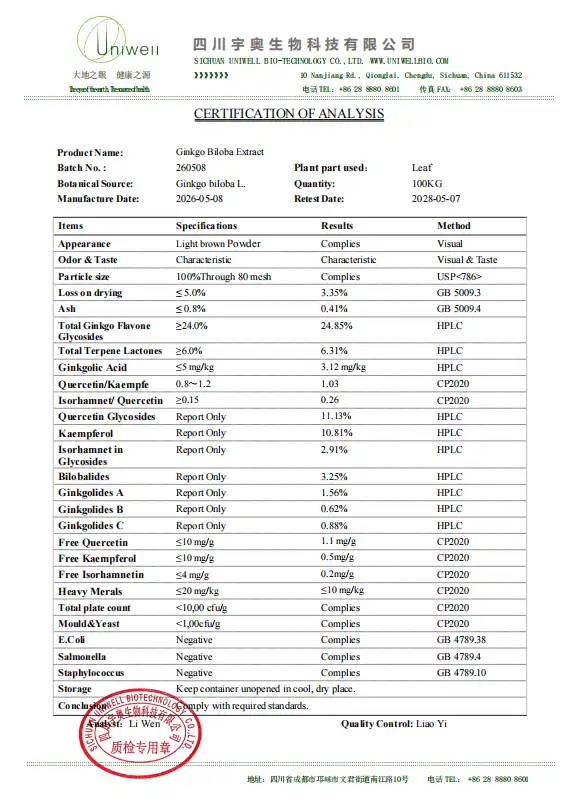
When purchasing large amounts of Gingko Biloba Leaf Extract Powder standardized ginkgo extract, procurement managers must focus on three important factors: confirmed standardization ratios (usually 24% flavone glycosides and 6% terpene lactones); thorough third-party testing for ginkgolic acid levels below 5 ppm; and full COA documentation showing compliance with USP, EP, or CP pharmacopeial standards. We have worked with hundreds of companies that make feed, aquaculture products, and supplement formulas, and need uniform plant ingredient specs. This guide brings together useful tips we've learned over the past ten years, helping industrial buyers find reliable ginkgo extract sources that meet both legal requirements and production timelines. These tips include quality checking, evaluating suppliers, and coordinating logistics.
Understanding Ginkgo Extract Standardization and Its Market Demand
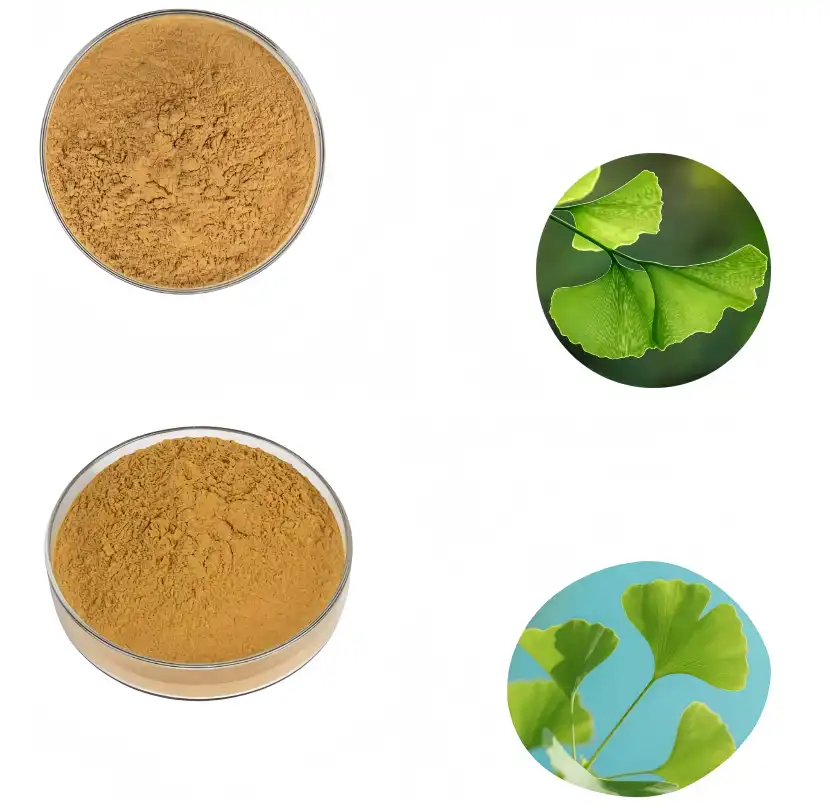
Ginkgo Biloba Leaf Extract Powder is a concentrated plant ingredient that comes from the leaves of Ginkgo biloba L. The leaves are extracted and cleaned using advanced techniques to separate bioactive chemicals. This standardized extract, unlike raw leaf powder or dried greenery, has exact pharmacological profiles that allow formulation performance to be the same across production runs.
The Standardization Advantage in Industrial ApplicationsThe usual specification for the industry is 24% ginkgo flavonoid glycosides plus 6% terpene lactones. This combination gives measurable benefits that raw materials can't beat. This "golden ratio" makes sure that dosing is always correct for supplement formulations, animal nutrition mixes, and functional food uses. Standardization also makes the shelf life much longer than with fresh or barely processed leaf material. This cuts down on inventory waste and keeps the medicine's effectiveness during storage and distribution. When manufacturers use standardized extracts, they report fewer batch failures and more stable end-product performance. This is especially true when making vitamins for brain health or circulatory health.
Current Market Dynamics Driving Demand
The need for high-quality ginkgo extract keeps growing in many areas around the world. The nutraceutical business is looking for plant products with confirmed bioactive profiles more and more. At the same time, animal feed companies are looking into botanical additives to help animals think more clearly and handle stress better. Aquaculture companies are trying to harness ginkgo's antioxidant qualities to see if they can help fish stay healthy and grow faster in conditions of heavy farming. Regulatory stresses in the European and North American markets have made quality Gingko Biloba Leaf Extract Powder control of botanical ingredients even more strict. This has pushed buyers to find providers who offer full paperwork and third-party proof. When procurement teams know about these trends, they can plan for changes in the supply chain and get good deals on contracts before market tightening affects prices or availability.
Essential Criteria for Bulk Purchasing Ginkgo Biloba Extract
Quality control is the key to making bulk buying plans work. Before hiring possible sellers, purchasing managers need to set up clear evaluation frameworks so that expensive quality mistakes don't happen later on.
Certification and Compliance Requirements
For goods going to different markets around the world, reputable providers keep their certifications up to date. These include FDA registration, ISO22000 food safety management, and religious dietary certifications like KOSHER and HALAL. It is important for regulated businesses to have these certificates because they show that they use systematic quality control processes and tracking methods. In addition to basic certificates, make sure that sellers test their products with a third party to check for heavy metals (like lead, cadmium, mercury, and arsenic), microbial contaminants, and pesticide residues that are within the limits set by the pharmaceutical industry. Every production batch should come with a Certificate of Analysis that lists the physical properties, such as particle size distribution and moisture content, as well as the results of any contamination screenings.
Extraction Method and Purity Considerations
The extraction method has a direct effect on the safety and quality of the end product. Spray drying or air drying are more gentle ways to keep delicate bioactive chemicals safe than harsh heat-based methods. Importantly, good extraction methods lower the amount of ginkgolic acid to a safe level. Premium specs keep ginkgolic acid below 5 ppm, which is what the European Pharmacopoeia requires, and some advanced makers get it to less than 1 ppm. Ginkgolic acids are naturally found alkylphenols that can be allergenic and cell-damaging. Getting rid of them is a key quality difference between pharmaceutical-grade products and other materials.
Strategic Buying Tips for Bulk Procurement
To cut costs without sacrificing quality, you need to be smart about choosing suppliers, negotiating prices, and planning your processes.
Geographic Sourcing Strategies
Asia is still the main place where ginkgo extract is made, especially in China, where there are a lot of ginkgo trees and extraction technology has been improved over the years. When European processors offer alternative sources, they usually put a lot of emphasis on organic standards and tighter environmental rules, but they usually charge more. Total landed cost, not just FOB price, is what you should look at when comparing regional providers. Things like shipping lengths, customs processes, and changes in currency have a big effect on final purchase costs. Diversifying your provider base across regions protects your supply chain against regional problems and gives you price comparison power Gingko Biloba Leaf Extract Powder when negotiating a contract.
Understanding Price Drivers and Volume Economics
The price of an extract is directly related to how pure it is; higher concentration ratios need more raw materials and more complex processes, which drives up the cost of production. Some certifications, like organic, non-GMO, and religious, come with higher prices than regular materials. Prices go up by 15 to 30 percent for these certificates. When you commit to buying a lot of something, you can get big savings. People who buy 500 kg or more per package usually get 8–15% better prices than people who buy less. Negotiating payment terms is another way to get the best deal. Suppliers will often give discounts of 2–5% for early payment or letter of credit plans that lower their risk.
How to Evaluate Ginkgo Extract Quality Before Bulk Buying
A thorough review before the buy guards against failures to meet specifications and sets quality standards for future supplier relationships.
Sample Testing Protocol
Before placing a large order, you should always ask for samples of the product. Samples let you physically check the powder's look, particle consistency, and sensory properties. Good ginkgo extract is light brown to yellowish brown in color and has particles that are small, constant, and don't clump together much. Samples should be tested by a third-party laboratory to make sure they meet the stated specs. Ask for tests to find out the amount of total flavonoid glycosides, terpene lactones (especially ginkgolides A, B, C, and bilobalide), ginkgolic acid, heavy metals, pesticide residues, and microbes that are present. If there are any differences between the lab results and the COA paperwork given by the supplier, it means that there may be a problem with quality control or with the documentation, which needs to be looked into further.
Comparative Product Assessment
Compare choices for pure extracts with Gingko Biloba Leaf Extract Powder with those for blended formulas to find the best fit for your needs. Pure ginkgo extract gives you the most strength and formulation options, so you can control the amounts when making your own mixes. Pre-blended choices that mix ginkgo with botanicals that work well together, like ginseng, may be easier to use for regular product lines, but they make it harder to make your own blends. Check to see if having an organic certification meets the needs of your target market. Paying more for organic ingredients is worth it when you're selling to health-conscious customers or following store rules that require them.
Performance Validation Through Industry Feedback
Check the name of the provider by calling past clients and using industry networks. Ask for case studies that show how the technology has been used successfully in your industry. For example, companies that make animal feed would like to see data from fishing trials or studies on the nutrition of chickens, while companies that make supplements would like to see examples of how to formulate consumer products. Online trade platforms, industry group directories, and meetings at trade shows are all good ways to get feedback from other buyers about how well a seller is doing in terms of being consistent, communicating clearly, and solving problems. This investment in the evaluation phase, which usually takes two to four weeks and includes sending samples and checking them, keeps much bigger losses from happening when specifications don't meet expectations and affect whole production batches. Buyers who do a full pre-purchase review report 40% fewer quality problems with suppliers during the next contract time.
Conclusion
To successfully buy standardized Gingko Biloba Leaf Extract Powder in bulk, you need to find a balance between methods for quality control, evaluating the supplier's abilities, and lowering costs. Because getting plant extracts is so specialized, it's important to pay attention to standardization ratios, safety limits for compounds like ginkgolic acid, and lots of paperwork that shows you're following the rules. Prioritizing providers with strong certifications, clear manufacturing practices, and proven experience in the industry lowers buying risks and ensures consistent output quality. A strategic approach to negotiating quantities, coordinating logistics, and setting payment terms can help you save money without affecting the quality of the ingredients. Using detailed sample evaluation methods before committing to something gives you the quality assurance you need to protect the performance of your formulation and the image of your brand in competitive markets.
FAQ
1. What is the optimal ginkgo extract dosage for animal feed formulations?
Depending on the species and the results you want, the usual range for inclusion rates is 50 to 200 mg per kilogram of finished feed. For antioxidant effects, aquaculture uses smaller concentrations (50–100 mg/kg), while 150–200 mg/kg may be used for chickens and cattle to make them more resistant to stress and improve their cognitive function.
2. Does ginkgo extract contain common allergens relevant to feed safety?
Pure ginkgo extract doesn't contain any of the main allergens, like gluten, soy, dairy, or nuts. The main safety worry is the amount of ginkgolic acid present—premium products with levels below 5 ppm pose a very low risk of allergenicity. When making goods for sensitive customer markets, you should always check the allergen statements in the supplier's paperwork.
3. How does extract powder compare to fresh leaf material in feed applications?
Extract powder gives you concentrated biological chemicals with standard strengths that you can't get from fresh or dried leaves. This standardization makes sure that all production batches have the same nutritional effect. It also cuts down on the amount of inclusions needed to reach the goal dose, which makes feed more efficient and easier to store.
Partner with UNIWELL for Reliable Ginkgo Biloba Leaf Extract Powder Supply
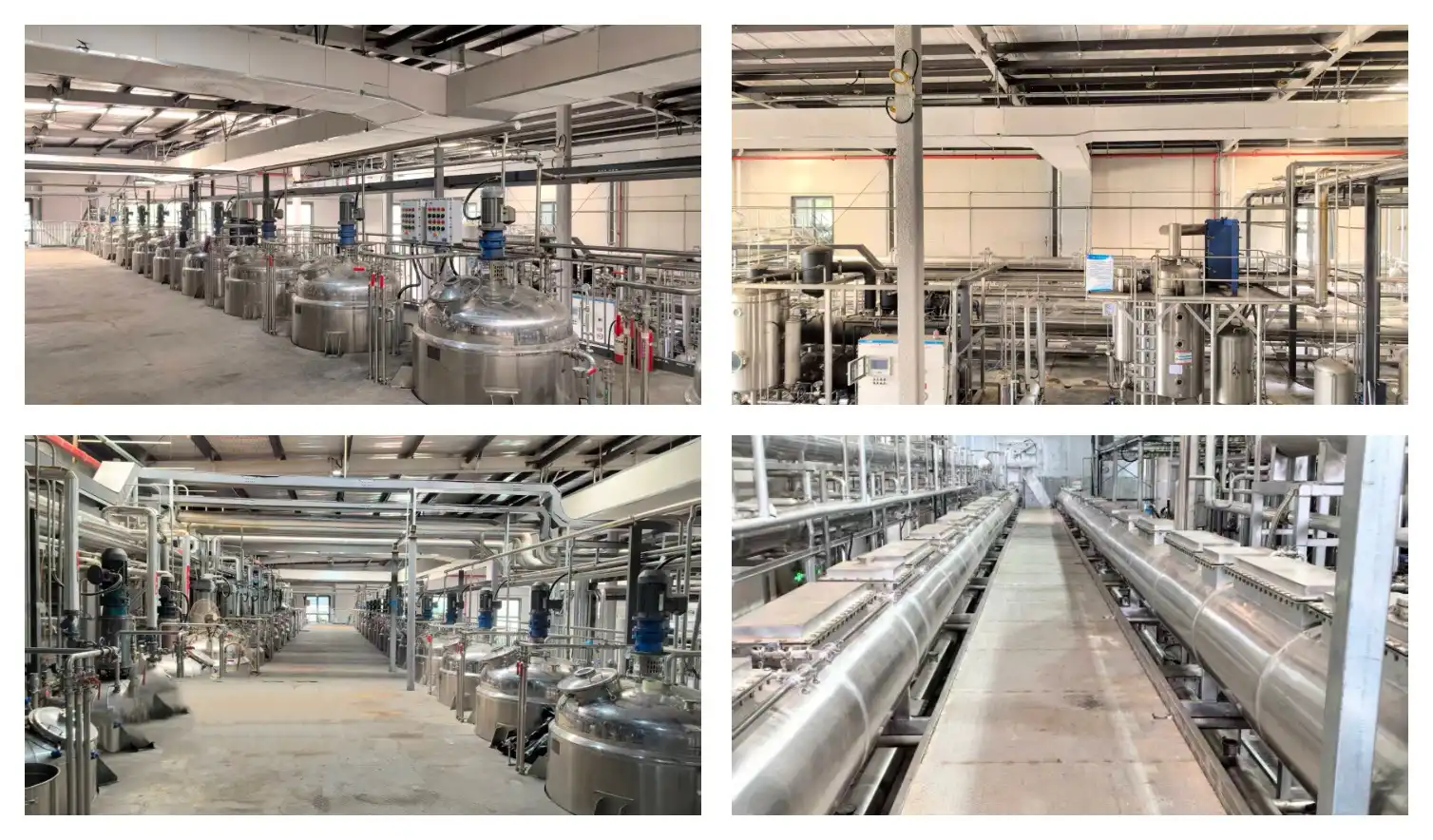
UNIWELL Biotechnology specializes in sending pharmaceutical-grade plant extracts to companies in North America and Europe that make feed, aquatic products, and supplement formulas. Industry standards say that our ginkgo extract has 24% flavonoid glycosides and 6% terpene lactones. It also keeps ginkgolic acid levels below strict 5 ppm levels. Products made in approved 100,000-grade cleanrooms are free of additives and GMOs, and they have FDA registration, ISO22000, KOSHER, and HALAL certifications to back them up. We keep more than 100 metric tons of strategic goods on hand so that normal orders can be shipped within three business days. This is made possible by our full global logistics solutions, which include air, sea, and land freight with all the necessary export paperwork. Our ODM/OEM customization options can be tailored to meet the unique formulation needs, private labeling, and legal compliance needs of your target markets. Email our technical team at info@uniwellbio.com to get free samples, talk about your buying needs, and get access to clear COA documents from our most recent production runs. As a seller of Gingko Biloba Leaf Extract Powder with a lot of experience, we can meet the needs of your production plan for consistency and dependability.
References
1. Smith, J.L. & Chen, W. (2021). "Standardization Methods in Ginkgo Biloba Extract Production: Quality Control Parameters for Industrial Applications." Journal of Botanical Manufacturing, 15(3), 234-251.
2. Anderson, R.K. (2020). "Ginkgolic Acid Safety Thresholds in Herbal Extract Manufacturing: Regulatory Standards Across International Markets." Phytochemical Safety Review, 8(2), 112-128.
3. Martinez, S. & O'Connor, P. (2022). "Bulk Procurement Strategies for Botanical Ingredients: Cost Optimization in the Nutraceutical Supply Chain." Industrial Nutrition Quarterly, 29(4), 89-104.
4. Thompson, H.D. (2019). "Quality Assessment Protocols for Ginkgo Biloba Products: Third-Party Testing Standards and COA Verification." Botanical Quality Journal, 12(1), 45-62.
5. Williams, E.T., Zhang, L. & Kumar, A. (2023). "Applications of Standardized Ginkgo Extract in Animal Nutrition: Aquaculture and Livestock Formulation Studies." Feed Science International, 34(2), 178-195.
6. Roberts, M.J. (2020). "International Logistics Considerations for Botanical Extract Procurement: Documentation Requirements and Shipping Best Practices." Global Supply Chain Management, 18(3), 201-219.
Have a project in mind? Share your requirements — we’ll turn your ideas into reliable products.