- English
- French
- German
- Portuguese
- Spanish
- Russian
- Japanese
- Korean
- Arabic
- Greek
- German
- Turkish
- Italian
- Danish
- Romanian
- Indonesian
- Czech
- Afrikaans
- Swedish
- Polish
- Basque
- Catalan
- Esperanto
- Hindi
- Lao
- Albanian
- Amharic
- Armenian
- Azerbaijani
- Belarusian
- Bengali
- Bosnian
- Bulgarian
- Cebuano
- Chichewa
- Corsican
- Croatian
- Dutch
- Estonian
- Filipino
- Finnish
- Frisian
- Galician
- Georgian
- Gujarati
- Haitian
- Hausa
- Hawaiian
- Hebrew
- Hmong
- Hungarian
- Icelandic
- Igbo
- Javanese
- Kannada
- Kazakh
- Khmer
- Kurdish
- Kyrgyz
- Latin
- Latvian
- Lithuanian
- Luxembou..
- Macedonian
- Malagasy
- Malay
- Malayalam
- Maltese
- Maori
- Marathi
- Mongolian
- Burmese
- Nepali
- Norwegian
- Pashto
- Persian
- Punjabi
- Serbian
- Sesotho
- Sinhala
- Slovak
- Slovenian
- Somali
- Samoan
- Scots Gaelic
- Shona
- Sindhi
- Sundanese
- Swahili
- Tajik
- Tamil
- Telugu
- Thai
- Ukrainian
- Urdu
- Uzbek
- Vietnamese
- Welsh
- Xhosa
- Yiddish
- Yoruba
- Zulu
How to Use Nature Polygonum Cuspidatum Extract Powder Guide
Nature Polygonum Cuspidatum Extract Powder is a concentrated plant ingredient that comes from Japanese Knotweed. It has Trans-Resveratrol amounts that are defined to be between 10% and 98%. If you want to get the most out of this powder, you can put it in dietary supplement capsules at doses ranging from 50 mg to 500 mg per serving, mix it with the right solubilizing agents to make functional beverages, or use it in cosmetics at 0.5 to 3% concentrations for anti-aging purposes. The polyphenol's healing potential is at its highest when stored properly in cool, dark places and delivered in ways that make it more bioavailable. This is true for both food and pharmaceutical uses.
Understanding Polygonum Cuspidatum Extract Powder
There has been a huge increase in demand for high-potency resveratrol sources in the plant extract business. Polygonum cuspidatum is now a key ingredient for formulators working with the anti-aging, cardiovascular support, and women's health markets. This perennial plant, which is known as Hu Zhang in traditional Eastern medicine, has one of the highest amounts of Trans-Resveratrol found in nature. Trans-Resveratrol is a stilbenoid compound that has gotten a lot of attention in clinical studies.
Botanical Origin and Extraction Process
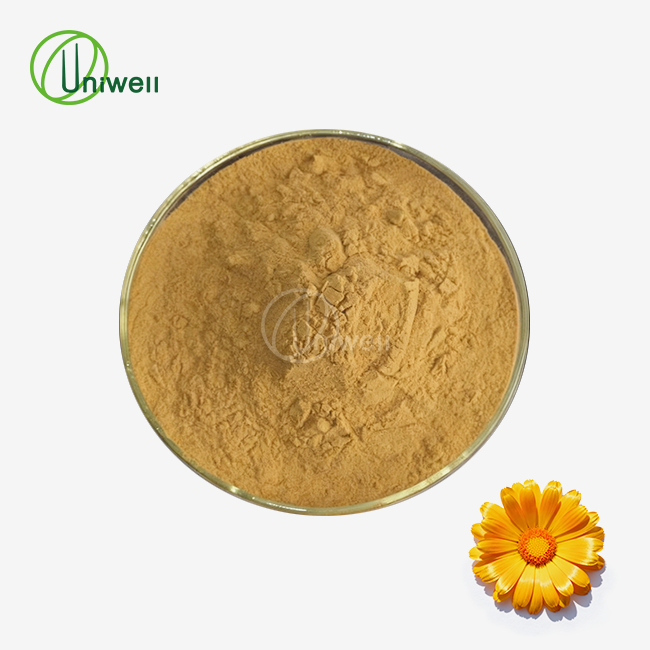
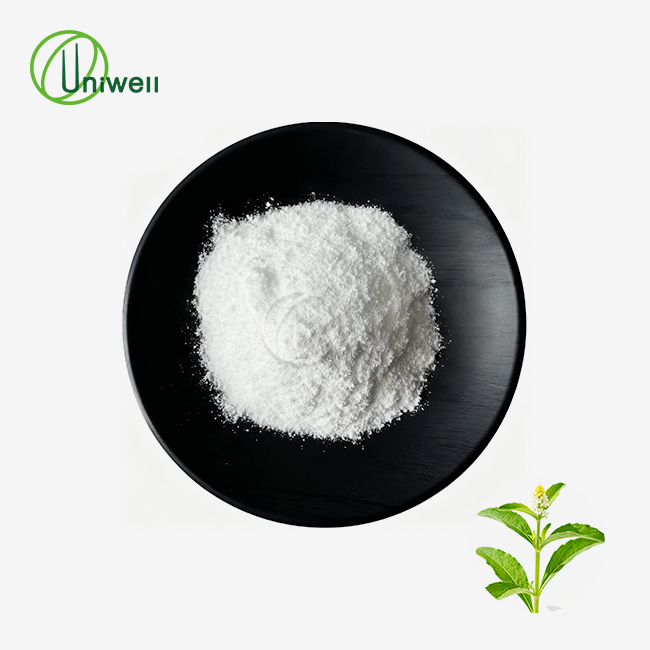
Polygonum cuspidatum Sieb. et Zucc., which is widely known as Japanese Knotweed, grows very well in East Asia because the conditions there are perfect for its phytochemical makeup. The extraction process starts with carefully picking rhizomes and roots. These are then cleaned and shrunk down to a smaller size. Advanced solvent extraction methods, which usually use ethanol-based systems, separate the desired molecules from unpleasant ones like emodin, an anthraquinone that might have laxative effects. After going through a series of complex steps for purification, such as crystallization and chromatographic separation, the crude extract is turned into powders that range in color from brown (lower concentration) to white (high-purity forms topping 98% Trans-Resveratrol).
Resveratrol Content and Bioactive Mechanisms
Trans-Resveratrol is a strong SIRT1 (Sirtuin 1) promoter. SIRT1 is a protein that is linked to processes that make cells live longer and control metabolism. Clinical studies have shown that it can change inflammation pathways, help endothelial function, and protect neurons through a number of different biochemical processes. Because the powder is standardized, formulators can make medicines with known effective levels. A 50% Trans-Resveratrol specification gives supplement makers exact control for modest antioxidant support, and a 98% pharmaceutical-grade material lets high-dose protocols be studied in clinical nutrition situations.
How to Effectively Use Nature Polygonum Cuspidatum Extract Powder
When resveratrol-rich plant products are used strategically, they need to be formulated in a way that meets legal requirements and meets effectiveness goals. To make solutions that are ready for market and meet both technical performance standards and customer expectations, product makers have to figure out dose parameters, transport system selection, and safety procedures.
Dosage Recommendations by Application Category
The desired health result and the extract's normal potency, Nature Polygonum Cuspidatum Extract Powder, play a big role in figuring out the right inclusion rates. The following advice is based on how the industry normally works and is in line with rules and guidelines for clinical research:
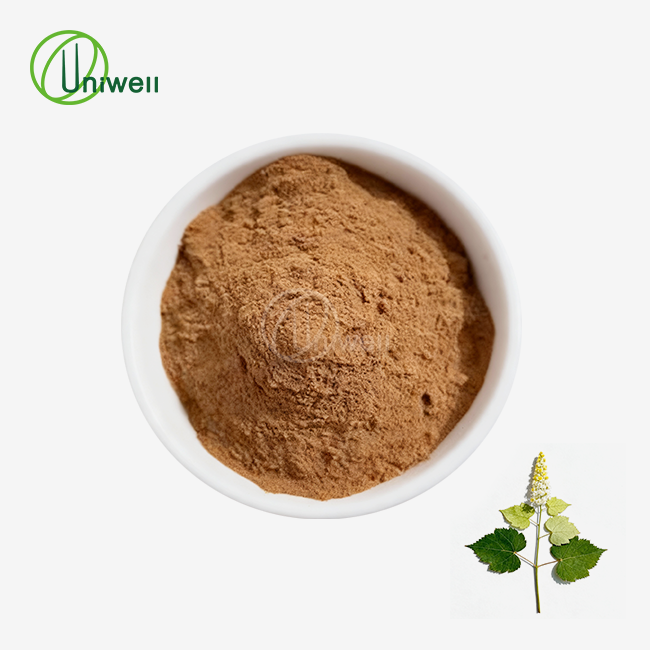
- Typical pill or tablet antioxidant supplements include 50–150 mg of powder standardized to 50% Trans-Resveratrol. This indicates each dosage contains 25–75 mg of active substance. Advanced anti-aging approaches may employ 250–500 mg of 98% pure extract, which provides larger therapeutic levels shown in a research on living longer. Resveratrol-rich supplements at 100 to 200 mg per day with plant-based substances like black cohosh or red clover are used in menopausal products.
- Functional Beverage Integration: Resveratrol is hydrophobic, making powdered and ready-to-drink blends difficult to dissolve. Successful products employ 30 to 100 mg of pure extract per dosage plus cyclodextrin complexation or liposomal administration to make it more soluble and accessible. The powder is bitter at large concentrations, therefore it must be camouflaged with natural sweeteners and plant extracts that work well together.
- Topical Cosmetic Applications: 0.5–3% powder is blended with anti-aging creams and serums. When 50% normal material is utilized, 0.25 to 1.5% includes Trans-Resveratrol. Formulators must employ opaque wrapping and stabilizers like vitamin E or ferulic acid to keep antioxidants active since the chemical is light-sensitive.
Incorporation Methods and Technical Considerations
Polygonum cuspidatum extract powder's brown to white particles impair mixing and stability. Geometric dilution provides the highest accuracy for direct compression tablet manufacturers when mixing extract with fillers like microcrystalline cellulose or dicalcium phosphate over time. Powder doesn't clump during automated encapsulation when its uniform moisture content is below 5%, which is suitable for capsule filling. Resveratrol doesn't dissolve in water, making it difficult for beverage producers. Soaking the powder in modest volumes of ethanol and diluting it with water or forming inclusion complexes with beta-cyclodextrin at 1:8 to 1:10 ratios work. Microencapsulation using maltodextrin or gum arabic matrices is another option. These prevent oxygen from breaking down the active ingredient and make it easier to distribute. Temperature during manufacture greatly affects drug efficacy. Trans-Resveratrol is stable below 60°C (140°F), but higher temperatures convert it into the chemically less active Cis-form. Air or spray drying is preferable than high-temperature approaches because processing stages should minimize heat stress.
Comparing Nature Polygonum Cuspidatum Extract Powder with Other Extracts
Formulators looking for resveratrol have a few different source choices to choose from. Each one has its own pros and cons when it comes to purity, cost, and marketplace. Knowing these differences helps you make smart purchasing choices that are in line with your brand's image and what your target customers want.
Polygonum Cuspidatum versus Alternative Botanical Sources
Japanese Knotweed and Polygonum cuspidatum are the same plant species, although market names might be misleading. Some dealers offer "Japanese Knotweed extract" from wild-collected European or North American material, while others state their "Polygonum cuspidatum extract" originates from mature Asian plants. The main difference between plants is how they are produced and removed. Material developed in regulated agricultural settings has better batch-to-batch consistency, which worries producers who need to forecast specifications over several production runs. Brands that promote wine's health advantages like resveratrol from Vitis vinifera's skins or seeds. Trans-Resveratrol is extracted at 2%–20%. This requires considerably greater inclusion rates to get the same dosage. This makes capsule formulations difficult since space restricts fill weight. Cost tests reveal Polygonum cuspidatum extract is the greatest value for pharmaceutical-grade standards. Compared to grapes, resveratrol costs 40–60% less per milligram.
Standardized Extracts versus Synthetic Resveratrol
Chemical processing makes Trans-Resveratrol that is purer than 99%, getting rid of all the plant matrix components. Regulatory status varies by region, and some markets show that consumers prefer plant-based products even though they are more expensive and may not be as pure. In pharmaceutical uses where "natural" claims are less important for marketing, synthetic material is cheaper. However, dietary supplement brands that want to attract health-conscious consumers almost always choose plant extracts. The phytochemical makeup in whole-plant extracts, which includes polydatin, emodin derivatives, and other polyphenols, may have synergistic effects that can't be replicated by synthetic chemicals that are taken alone, such as Nature Polygonum Cuspidatum Extract Powder, but this is still an area that needs more clinical research.
Procurement Guide for Nature Polygonum Cuspidatum Extract Powder
To get trustworthy, top-notch botanical raw materials, you need to carefully look at your suppliers' skills, keep clear records of their quality control, and negotiate in a smart way. The global supply chain for resveratrol-rich extracts has both chances and risks, but buying teams that are well-informed and follow strict screening procedures can handle both.
Evaluating Supplier Qualifications and Certifications
The vendor of Nature Polygonum Cuspidatum Extract Powder has many third-party certificates proving their skill. ISO 22000 accreditation verifies entire food safety management systems. These systems incorporate production-wide hazard assessments and critical control locations. KOSHER and HALAL certifications help religious products reach new customers. FDA registration does not indicate a product is authorized, but it shows a business is ready to follow US market entry procedures. Check the supplier's manufacturing equipment and certifications. For pharmaceutical-grade materials, ISO Class 7 (Class 10,000) or higher cleanrooms reduce particle pollution and bacteria load. Supercritical CO2 systems, counter-current extraction columns, and preparative HPLC characteristics demonstrate superior extraction technology and consistent quality. Review facility audit reports from independent inspectors or visit the plant to check how requirements are fulfilled.
Quality Assurance Protocols and Testing Documentation
A complete Certificate of Analysis (COA) should accompany each batch, including various quality variables assessed using scientific procedures. High-Performance Liquid Chromatography (HPLC) measures Trans-Resveratrol versus expectations. Usually, 90–110% of the identified number is appropriate. The COA must distinguish between Trans and Cis isomers since some dealers offer total resveratrol without specifying whether the medically superior Trans configuration makes up the quantity.The product should fulfill international standards, such as USP <232> and <233> portions, via ICP-MS testing for heavy metals. Pesticide residue panels for organochlorines, organophosphates, and pyrethroids protect farmland. Microbial testing include total plate count, yeast and mold counts, and Salmonella, E. coli, and Staphylococcus aureus pathogen screens. You may trust data more when vendors provide third-party evidence from Eurofins or SGS.
Why Choose UNIWELL as Your Polygonum Cuspidatum Extract Supplier
Choosing an ingredient partner requires more than price comparison. You should also consider production reliability, technical support, and long-term supply security. For over 10 years, our organization has extracted plants for North American women's health brands, menopausal support companies, and high-end nutrition providers.
Manufacturing Excellence and Quality Infrastructure
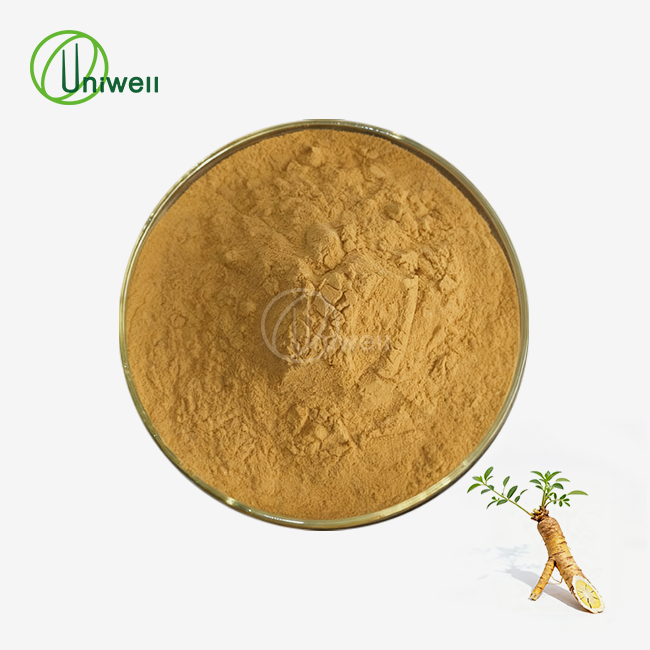
The ISO 22000, FDA, KOSHER, and HALAL certifications of our factory support its tight quality control procedures. These certifications ease regulator approval of your completed items. Our 100,000-grade laboratory regulates pharmaceutical particles for resveratrol extracts. This makes it durable enough for difficult applications. Advanced continuous counter-current extraction method nearly eliminates batch-to-batch variances that complicate stability testing and product standards. Third-party testing ensures every manufacturing run is clean, effective, and contaminant-free. Our powder is chemical-free, non-GMO, and backed by evidence to support health-conscious clients' "clean label" demands. Colors vary from dark to white fine powder, matching standardization levels. Trans-Resveratrol concentrations from 10% to 98% were investigated using established HPLC techniques.
Comprehensive Technical and Regulatory Support
Nature Polygonum Cuspidatum Extract Powder offers technical assistance to product development teams, including samples, TDS, SDS, and first application recommendations to address formulation issues. Our formulation experts can assist you with dose, distribution, and product stability for skin anti-aging serums or heart health pill supplements. Value also includes regulatory handling. Our staff maintains current on FDA dietary supplement guidelines, EU new food rules, and USP/EP description criteria in all our target markets. We provide customs agents and regulatory reviewers with documentation to ensure seamless goods registration and entrance. These documents include COAs, allergy declarations, BSE/TSE reports, and country-of-origin certifications.
Flexible Customization and Reliable Supply Chain
OEM and ODM services enable collaborations rather than sales. We ensure that extraction ratios, particle size distributions, and packaging layouts match your manufacturing process and market strategy. Our research and development team can produce extract profiles that match bioactivity or organoleptic requirements for brands that wish to stand out. Our supply chain is solid due to our strategic storage of over 100 metric tons of raw materials in various specifications. With this much stock, standard orders may be fulfilled in three business days without manufacturing delays that might affect start dates or seasonal marketing windows. Our logistics coordination staff provides air, sea, and land freight options and export documentation to ensure all destinations fulfill customs standards. Competitive pricing gives you fantastic value without reducing quality, which your brand's image relies on. Growing relationships benefit from volume-based pricing. Guaranteed quality standards and unequaled batch-to-batch consistency simplify quality control and decrease formulation changes between manufacturing cycles.
Conclusion
Nature Polygonum Cuspidatum Extract Powder is a flexible and scientifically proven ingredient that can help with a wide range of health issues, from heart health to anti-aging. To use it correctly, you need to know about standardization factors, dosage parameters that are in line with clinical studies, and formulation methods that keep bioavailability high while still meeting stable needs. The plant has a higher concentration of resveratrol than other sources, and it is also more cost-effective. This makes it a great choice for formulators who want to make products for women's health, menopause support, and high-end supplements. To be successful at procurement, you need to work with suppliers who can show that they can make great products, keep detailed records of quality, understand regulations, and be reliable in the supply chain. This turns key relationships into competitive benefits.
FAQ
1. What purity levels are available for Nature Polygonum Cuspidatum Extract Powder?
Standardized specifications include HPLC-tested 10%–98% Trans-Resveratrol. Formulators may pick quantities that satisfy dosage objectives and cost limits. The 50% grade is the industry standard for general supplement usage, while the 98% pharmaceutical-quality material is suitable for high-potency formulae that need less powder per dosage.
2. Can this extract be used in both dietary supplements and cosmetic products?
The powder is flexible in many applications. For antioxidant and circulatory health, dietary supplement manufacturers include it in capsules, tablets, and functional beverages. Cosmetic formulators utilize 0.5–3% resveratrol in anti-aging serums and lotions because it affects skin tissue oxidative stress indicators. Stability and transport system enhancements must be considered for each application and product structure.
3. What certifications does UNIWELL provide with this extract?
The FDA has recognized and certified our Nature Polygonum Cuspidatum Extract Powder as KOSHER, HALAL, ISO 22000, and KOSHER. Each batch includes a Certificate of Analysis with HPLC Trans-Resveratrol findings, heavy metal screens, pesticide residue testing, and microbiological analysis. Independent lab verification adds quality assurance and helps you satisfy regulatory filing requirements.
Partner with UNIWELL for Premium Resveratrol Extract Solutions
UNIWELL has over ten years of experience extracting plants and is ready to help you with Nature Polygonum Cuspidatum Extract Powder your manufacturing projects with pharmaceutical-grade Nature Polygonum Cuspidatum Extract Powder. As a reliable provider for women's health brands and clinical nutrition businesses all over the US, we offer consistent quality, full technical support, and reliable inventory availability, all of which shorten the time it takes to develop your products. Our team of formulation experts can help you figure out the best dose, stability methods, and ways to follow the rules for your target markets. Get in touch with us at info@uniwellbio.com right away to get free samples, full technical information, and special bulk prices for Nature Polygonum Cuspidatum Extract Powder for sale. Partnering with a maker that wants your success by providing high-quality goods and quick service can give you a competitive edge.
References
1. Baur, J.A., & Sinclair, D.A. (2006). Therapeutic potential of resveratrol: the in vivo evidence. Nature Reviews Drug Discovery, 5(6), 493-506.
2. Cottart, C.H., Nivet-Antoine, V., & Beaudeux, J.L. (2014). Review of recent data on the metabolism, biological effects, and toxicity of resveratrol in humans. Molecular Nutrition & Food Research, 58(1), 7-21.
3. Gescher, A.J., & Steward, W.P. (2003). Relationship between mechanisms, bioavailability, and preclinical chemopreventive efficacy of resveratrol: a conundrum. Cancer Epidemiology, Biomarkers & Prevention, 12(10), 953-957.
4. Ko, J.H., Sethi, G., Um, J.Y., Shanmugam, M.K., Arfuso, F., Kumar, A.P., Bishayee, A., & Ahn, K.S. (2017). The role of resveratrol in cancer therapy. International Journal of Molecular Sciences, 18(12), 2589.
5. Patel, K.R., Scott, E., Brown, V.A., Gescher, A.J., Steward, W.P., & Brown, K. (2011). Clinical trials of resveratrol. Annals of the New York Academy of Sciences, 1215(1), 161-169.
6. Walle, T. (2011). Bioavailability of resveratrol. Annals of the New York Academy of Sciences, 1215(1), 9-15.
Have a project in mind? Share your requirements — we’ll turn your ideas into reliable products.