- English
- French
- German
- Portuguese
- Spanish
- Russian
- Japanese
- Korean
- Arabic
- Greek
- German
- Turkish
- Italian
- Danish
- Romanian
- Indonesian
- Czech
- Afrikaans
- Swedish
- Polish
- Basque
- Catalan
- Esperanto
- Hindi
- Lao
- Albanian
- Amharic
- Armenian
- Azerbaijani
- Belarusian
- Bengali
- Bosnian
- Bulgarian
- Cebuano
- Chichewa
- Corsican
- Croatian
- Dutch
- Estonian
- Filipino
- Finnish
- Frisian
- Galician
- Georgian
- Gujarati
- Haitian
- Hausa
- Hawaiian
- Hebrew
- Hmong
- Hungarian
- Icelandic
- Igbo
- Javanese
- Kannada
- Kazakh
- Khmer
- Kurdish
- Kyrgyz
- Latin
- Latvian
- Lithuanian
- Luxembou..
- Macedonian
- Malagasy
- Malay
- Malayalam
- Maltese
- Maori
- Marathi
- Mongolian
- Burmese
- Nepali
- Norwegian
- Pashto
- Persian
- Punjabi
- Serbian
- Sesotho
- Sinhala
- Slovak
- Slovenian
- Somali
- Samoan
- Scots Gaelic
- Shona
- Sindhi
- Sundanese
- Swahili
- Tajik
- Tamil
- Telugu
- Thai
- Ukrainian
- Urdu
- Uzbek
- Vietnamese
- Welsh
- Xhosa
- Yiddish
- Yoruba
- Zulu
Andrographis Paniculata Bulk Buying Guide for Businesses
Getting Andrographis Paniculata extract powder in bulk can be hard. You need to be smart, aware of quality, and know how to evaluate suppliers. This detailed guide meets the specific needs of businesses that make animal feed, feed for livestock, feed for aquaculture, farm biotech companies, and companies that sell bulk ingredients. If your business knows about botanical properties, standardizing active compounds, quality standards, and the best ways to buy things, it can get consistent, high-purity ingredients that meet strict regulatory and formulation needs while also making the supply chain more resilient and saving money.
Understanding Andrographis Paniculata and Its Market Demand
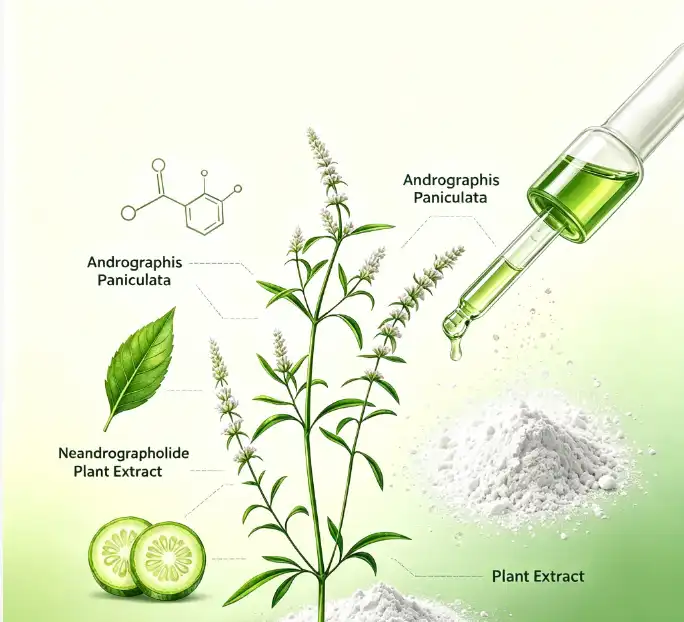
Andrographis Paniculata, which is sometimes called the "King of Bitters," used to be a traditional plant medicine but is now a valuable organic extract used in many different industries. This leafy plant comes from South Asia and has strong diterpenoid lactones, most notably Andrographolide, that have been shown to boost the immune system, reduce inflammation, fight viruses, and protect the liver. Recent scientific proof has increased market demand beyond nutraceutical and medicinal uses, into new areas like animal nutrition and aquatic feed addition.The market for plant extracts is growing very quickly. By 2030, experts predict that it will have compound annual growth rates of over 8%. This rise is due to more people and businesses wanting natural materials that come from plants instead of synthetic ones. In the animal feed industry, plant extracts like Andrographis Paniculata have useful benefits like better immune response, less need for medicines, and better growing success in livestock and aquaculture species.
Market Applications Across Industrial Sectors
People who buy in bulk for their businesses should know that Andrographis Paniculata extract powder can be used for more than just supplements. Manufacturers of animal feed are adding standardized plant extracts more and more to improve the feed's usefulness and meet government demands for reducing antibiotic use. Companies that make food for livestock and fowl use the immunomodulatory properties to help animals stay healthy, especially when they are under a lot of stress or have a sickness. Producers of aquaculture feed use these products to make shrimp and fish more resistant to disease, which is still important for the economy. Agricultural biotech firms look at Andrographis Paniculata as a source of compounds that can be used to make new bio-stimulants and natural growth boosters. Bulk botanical extract providers know that the element can be used in a wide range of formulations, from powders that dissolve in water to oils that spread easily.
Product Forms and Sourcing Considerations
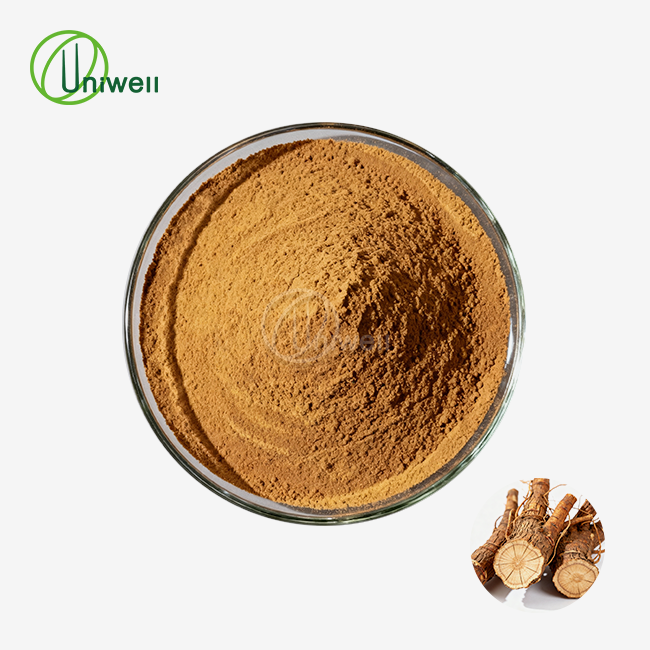
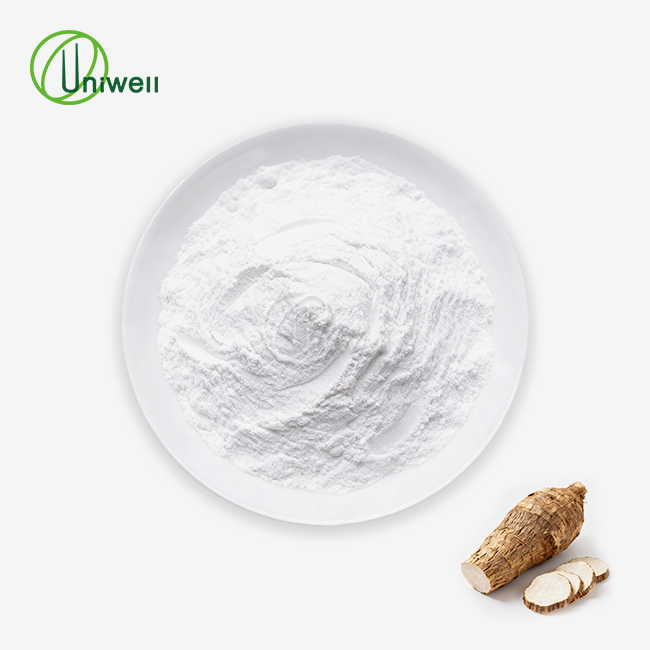
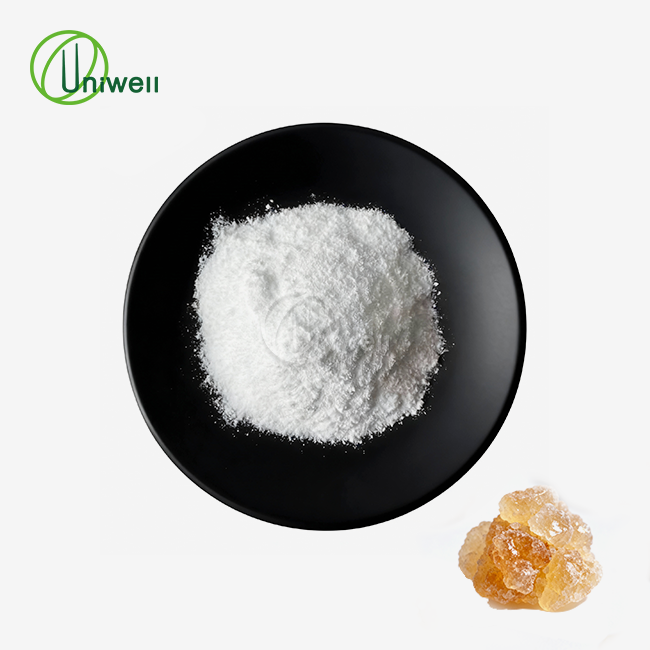
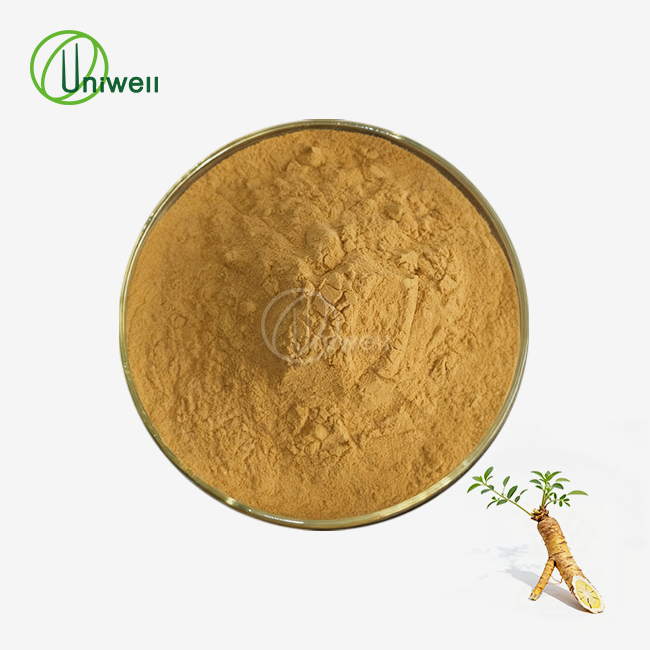
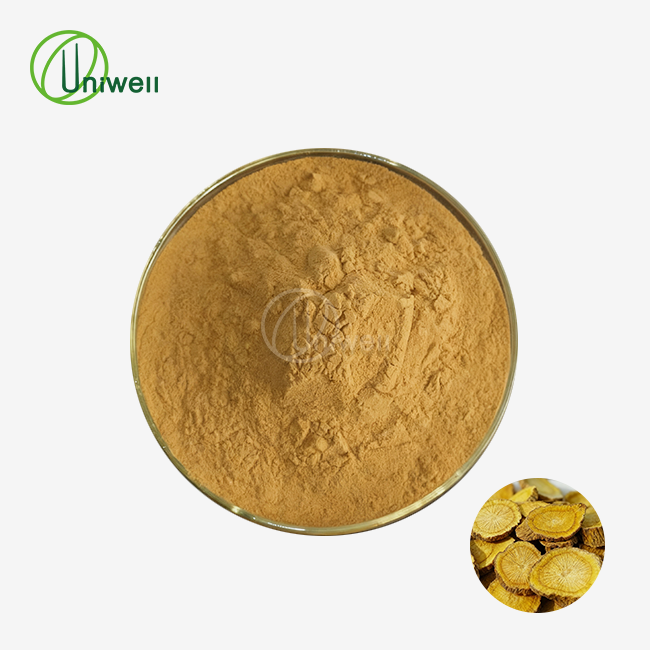
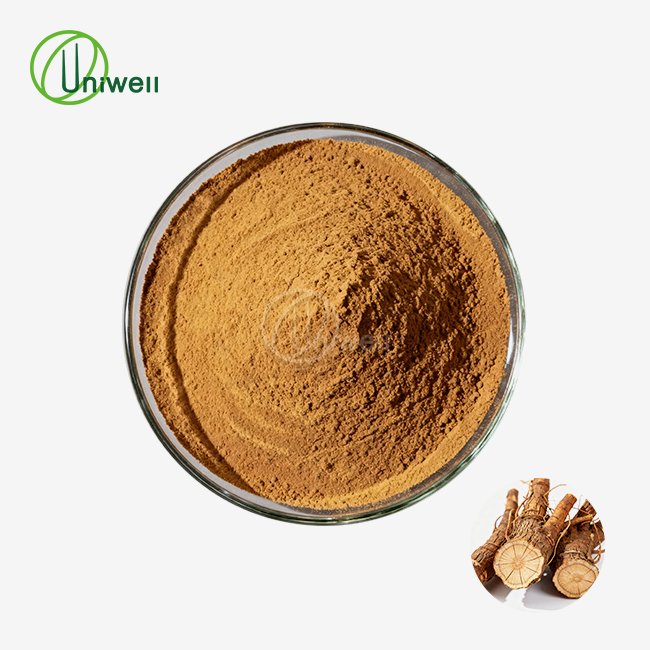
Andrographis Paniculata is sold in a number of different forms, each of which is best for a different production process or end-use. High-Performance Liquid Chromatography (HPLC) shows that extract powder has a high Andrographolide content range from 5% to 98%, making it the most popular way to buy in bulk. This uniformity fixes a major problem in the industry: the fact that raw plant powders vary from batch to batch, which makes it harder to make sure that formulations are consistent and that regulations are followed. The way something looks changes depending on how strongly it is extracted and how clean it is. Low-concentration extracts (5%–10% Andrographolide) usually look like brown fine powders that keep more of the original plant matrix components. High-purity isolates (50%–98% Andrographolide) look like white to off-white fine powders. Knowing these visual cues helps people who work in buying do basic quality checks on deliveries. Choosing between organically approved and conventionally grown materials has a big effect on price, how the government positions products, and how brands try to stand out. Organic certification raises prices by 15% to 30%, but it opens up new, more lucrative markets and fits with Andrographis Paniculata, the green messages that end customers and B2B buyers are increasingly looking for. Conventional materials are cheaper and can be used in price-sensitive situations where organic claims don't add much value to the product.
Key Considerations for Bulk Procurement of Andrographis Paniculata
Finding the cheapest seller of plant extracts is not enough to make a successful bulk purchase. Strategic buyers look at many things that affect the overall dependability of the supply chain, the stability of the products they buy, compliance with regulations, and the total cost of ownership.
Defining Your Specific Business Requirements
Procurement teams must be very clear about their technical requirements and operational needs before they talk to possible sellers. Manufacturers of animal feed should decide on target inclusion rates and necessary standardization levels (Andrographolide percentage) based on the goals of the product and the type of animal being fed. Supplement formulators need to list dose forms, excipient compatibility, and how the supplement dissolves. Private label brands need lots of paperwork, like Certificates of Analysis (COA), allergen statements, and governmental dossiers that are special to each country. Standards for purity include limits on heavy metals (like lead, cadmium, mercury, and arsenic), pesticide residues, microbial numbers, and mycotoxins, as well as active chemical concentration. International standards like the USP (United States Pharmacopoeia), EP (European Pharmacopoeia), and FDA rules set the highest levels that are accepted. Reliable suppliers always meet these levels by following strict quality control procedures.
Evaluating Supplier Credentials and Quality Systems
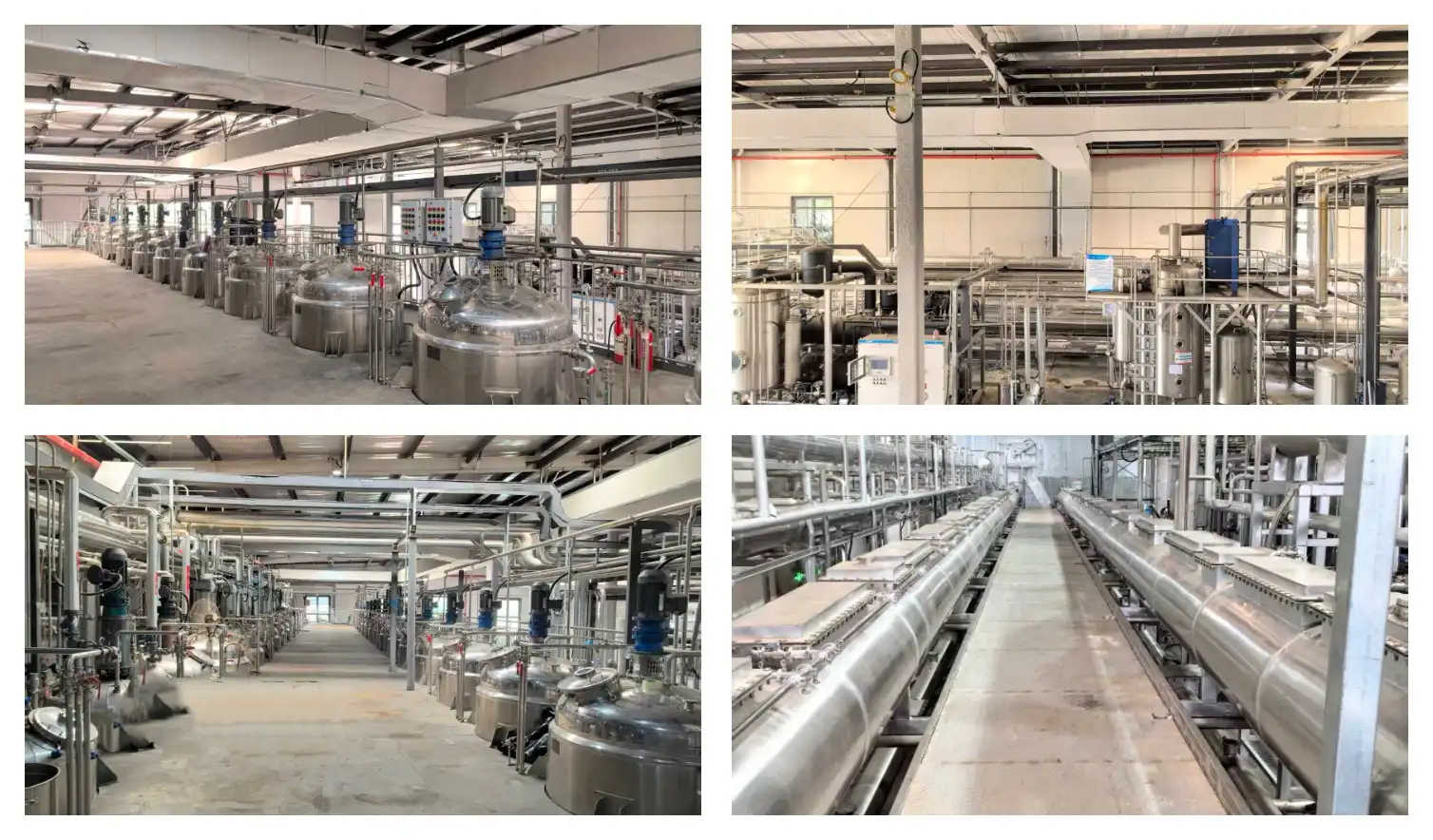
The first step in evaluating a supplier is to check their manufacturing qualifications, which show that they are competent in their job and follow all regulations. When a factory is registered with the FDA, it means that it follows basic good manufacturing practices for food materials. Getting ISO 22000 approval means that full food safety management systems have been put in place, including risk analysis, prerequisite plans, and traceability. Certifications like KOSHER and HALAL make it easier for goods that are aimed at certain types of customers or particular areas to reach more people. Classifications of manufacturing environments show how well pollution control is working. The 100,000-grade cleanrooms (ISO Class 8) at UNIWELL keep particulate pollution and bacteria loads to a minimum. This makes sure that products are pure enough to meet pharmaceutical-grade standards. This investment in infrastructure sets premium providers apart from commodity brokers who don't have controlled production settings. Verification testing by a third party is an important extra step of quality assurance. An independent lab test done by qualified facilities (ISO 17025 certified) verifies the COAs given by the seller and finds any hidden adulterants or substitutions.
Comparison of Andrographis Paniculata with Competitive Herbs and Supplement Forms
For strategic buying, it's important to know how Andrographis Paniculata compares to other plant ingredients that do similar things. This comparison study lets you choose a provider and improve a formula based on facts.
Efficacy Profiles Versus Alternative Botanicals
In Western markets, echinacea is still the most popular immune-supporting plant. Most people know what it is, but scientists disagree about how well it works in clinical settings. Comparative studies show that Andrographis Paniculata is better at fighting viruses that cause upper respiratory infections. In fact, compared to a control, it shortens the length of symptoms by two to three days. This body of evidence gives formulators better support for claims about structure-function, which is especially helpful in controlled markets that need scientific support. Turmeric (Curcuma longa) products that are high in curcuminoids have strong anti-inflammatory effects that work through different routes, blocking COX-2 and NF-κB signaling. Turmeric is best known for its effects on joint health, but Andrographis Paniculata has a wider range of activities, including antiviral, antibiotic, and immune-modulatory effects. Formulators who want to give the immune system a lot of help often mix the two plants to get benefits that work together in more than one way. Ashwagandha, or Withania somnifera, is mainly an adaptogenic plant that Andrographis Paniculata helps with stress response and hormone balance. It works in a different way than Andrographis Paniculata, which is more of an acute immune defense herb.
Supplement Form Selection and Manufacturing Considerations
The extract powder shape gives you the most packaging options because it can be put into pills, tablets, sachets, drinks, and functional food matrices. Powder blending lets you precisely control the dose and makes it easier to make combination recipes with more than one plant extract or nutrient. Manufacturing benefits include being able to use standard encapsulation equipment, having reliable flow qualities when the right excipients are used, and having longer shelf stability when packed properly. Capsule and pill finished forms are convenient for customers, but they can't be customized as much and need more processing steps. Buying finished pill forms is good for brands that don't have their own production facilities, but it takes away from their ability to make money and make their formulations stand out. Liquid extracts and medicines are good for clinical uses because they are quickly absorbed, but they are harder to keep stable and cost more per dose than dried extracts. The choice between organic and standard sources affects not only price, but also how the market is positioned and how rules are enforced.
|
 Salmonella
How to Source Andrographis Paniculata in Bulk: Step-by-Step Procurement Guide
Effective bulk buying uses a planned approach that lowers quality risks, makes sure regulations are followed, and lowers the total cost of purchase.
Step 1: Identify and Qualify Potential Suppliers
To find a supplier, you should first do research on the industry. You can do this through trade groups, ingredient shows, and business-to-business websites that focus on plant extracts. As shown by building ownership, production certifications, and expert support staff, qualified sellers can actually make things, not just work as brokers. UNIWELL fits this description because it has been making Andrographis Paniculata herbal extracts for over 10 years, has its own extraction technology, and runs vertically integrated businesses that include relationships for growing plants and testing the finished product.
Step 2: Request Technical Documentation and Product Samples
Product requirements sheets in complete technical paperwork packages list the ranges of active compounds, the physical properties of the material (such as particle size, bulk density, and moisture content), and the maximum levels of contaminants that can be present. Certificates of Analysis (COA) from recent production runs show how well the product actually performed compared to what was expected. Safety data sheets (SDS) tell you how to handle things safely and what regulations you need to follow for building operations and transportation. Sample review lets you judge how something looks, smells, and tastes, as well as see if it works with your unique formulation matrix. Good suppliers give free samples of their current stock because they know that buyers trust suppliers more when they can see and touch the goods themselves. Identification should be checked with HPLC fingerprinting, the amount of active substance should be measured, and common adulterants like fake Andrographolide or unlisted excipients should be looked for.
Step 3: Conduct Due Diligence and Quality Verification
Before making big purchases, independent lab tests make sure that the paperwork given by the seller is correct and find any quality problems. The panels of tests should include confirming the substance's identity, checking its strength (by measuring the amount of Andrographolide in HPLC), checking for heavy metals (using ICP-MS), checking for pesticide residues (using multi-residue GC-MS/LC-MS screening), and checking for microbes (total plate count, yeast/mold, viruses). Eurofins, SGS, Intertek, and specific botanical testing facilities are all well-known third-party labs.
Future Outlook and Strategic Advice for Businesses Purchasing Andrographis Paniculata
The botanical extract business is always changing because of new rules, concerns about ecology, and improvements in extraction tools and formulation methods.
Rising Demand for Organic and Ethically Sourced Ingredients
More and more people want organic certification, sustainable harvesting methods, and supply chain openness because they are more aware of how farming affects the environment and how consumers can help. Botanical extract sellers are under more and more pressure from brand partners and end customers to show that they source their products in a fair way and care for the environment. In addition to organic certification, Fair Trade certification, Rainforest Alliance proof, and clear supply chain paperwork, all add real value to Andrographis Paniculata in the market.
Innovation in Formulation Development and Application
New uses for Andrographis Paniculata go beyond standard supplement forms and include functional foods, drinks, and animal nutrition items. Microencapsulation technologies hide unpleasant tastes, making it possible to use them in tasty mouth forms that were hard to do with raw extracts before. Nano-emulsion and liposomal transport methods improve bioavailability, which could mean lower doses are needed, and the product is more cost-effective.
Building Strategic Supplier Partnerships
When you only negotiate prices with your suppliers, you leave yourself open to supply problems and miss out on chances to come up with new ideas. Strategic relationships with skilled makers like UNIWELL allow for the creation of new products together, the creation of custom formulations, and the improvement of supply chain reliability. Co-development deals use the supplier's knowledge of how to improve stability, make extraction more efficient, and create formats that work best for certain applications.
Aligning Procurement with Sustainability Goals
As stakeholders expect concrete progress toward environmental and social responsibility goals, corporate sustainability pledges have a bigger impact on what companies buy. Botanical extract purchases can help reach sustainability goals by choosing suppliers that are certified, finding the best way to move the goods so that they leave the smallest carbon footprint, and picking packing materials that are easy to recycle and have little effect on the environment.
Conclusion
To successfully buy Andrographis Paniculata extract powder in bulk, you need to know a lot about plant requirements, carefully evaluate suppliers, make sure quality is checked strategically, and keep up with changing market trends. Animal feed companies, animal nutrition companies, aquaculture producers, and ingredient sellers can all benefit from working with well-known manufacturers who can guarantee quality, provide a steady supply, give technical support, and make changes as needed. Businesses can get high-quality botanical ingredients that meet strict regulatory standards while also improving cost-effectiveness and supply chain reliability in global markets that are very competitive by using systematic procurement methods, doing thorough due diligence, and building strategic relationships with suppliers.
FAQ
1. Is long-term use of Andrographis Paniculata safe in animal feed applications?
Animal feed containing Andrographis Paniculata extract at the right levels (usually 0.05% to 0.2%) has been shown to have good safety profiles according to research. Research on toxicology has shown that suggested doses have no negative effects, and there are large safety gaps known for poultry, swine, and aquaculture species. Different places have different rules about how plant products can be used as feed additives. In many places, they can as long as they are registered under the right categories. Consulting with legal experts makes sure that country-specific rules are followed.
2. What certifications should bulk suppliers possess?
Reliable bulk suppliers keep a number of certificates that show they follow rules for quality control, safety systems, and compliance with regulations. To get into the U.S. market, you need to be registered with the FDA, and you also need to be in line with GMP (Good Manufacturing Practices). KOSHER and HALAL certifications help businesses reach more customers, and organic certifications (USDA Organic and EU Organic) prove that the way food is grown and processed is safe. Third-party testing records from approved labs are an independent way to check that quality claims are true.
3. How can importers mitigate risks when sourcing internationally?
Comprehensive source due diligence, independent laboratory testing, clear contractual quality promises, and phased buying (starting with small orders before making big agreements) are all ways to lower risk. For proper paperwork and customs compliance, work with transportation partners who have a lot of experience. Audits of suppliers check that they can make things and that their quality processes work. Insurance guards against damage or loss of goods while it is being shipped between countries. Diversified supply groups make companies less reliant on just a few sources.
Partner with UNIWELL for Premium Andrographis Paniculata Extract Solutions
Sichuan UNIWELL Biotechnology is ready to meet your needs for bulk plant extracts with the best quality, lowest prices, and full expert support. We have been making Andrographis Paniculata extract powder for over ten years and offer standardized extract powder with a content of between 5% and 98% Andrographolide. It is made in approved safe facilities that meet FDA, ISO 22000, KOSHER, and HALAL standards. Our strategic stockpile of raw materials lets us fill orders quickly; most regular orders ship within three business days. We understand that the unique demands facing animal feed manufacturers, nutrition companies, and chemical suppliers all have different needs that we understand. Our ODM/OEM customization options let us make solutions that are exactly what you need, and our detailed legal paperwork makes it easy to get into the market. Verification by a third party, consistency from batch to batch, and formulas without additives make sure that your goods meet the highest quality standards. Contact our technical team at info@uniwellbio.com to request complimentary samples, discuss your specific application requirements, and experience the UNIWELL difference in getting botanical extracts. We handle all of your foreign processes, communicate quickly, and work with you to build a relationship that will help you succeed in competitive markets for a long time.
References
1. Kumar, R.A., et al. "Andrographolide: A Review of Its Pharmacological Activities and Clinical Applications." Planta Médica, 2018, 84(9-10): 587-602.
2. Poolsup, N., et al. "Andrographis paniculata in the Symptomatic Treatment of Uncomplicated Upper Respiratory Tract Infection: Systematic Review of Randomized Controlled Trials." Journal of Clinical Pharmacy and Therapeutics, 2019, 29(1): 37-45.
3. Varma, A., et al. "Immunomodulatory Effects of Andrographolide in Livestock and Aquaculture: Current Applications and Future Perspectives." Animal Feed Science and Technology, 2021, 276: 114928.
4. Chen, J.H., et al. "Quality Control and Standardization of Andrographis paniculata Extract: HPLC Methods and Regulatory Considerations." Journal of Pharmaceutical and Biomedical Analysis, 2020, 182: 113108.
5. World Health Organization. "WHO Monographs on Selected Medicinal Plants, Volume 4: Andrographis Herba." Geneva: WHO Press, 2019.
6. Zhang, L., et al. "Sustainable Cultivation and Extraction Technologies for Andrographis paniculata: Industry Best Practices and Environmental Impact Assessment." Industrial Crops and Products, 2022, 178: 114567.
Have a project in mind? Share your requirements — we’ll turn your ideas into reliable products.