- English
- French
- German
- Portuguese
- Spanish
- Russian
- Japanese
- Korean
- Arabic
- Greek
- German
- Turkish
- Italian
- Danish
- Romanian
- Indonesian
- Czech
- Afrikaans
- Swedish
- Polish
- Basque
- Catalan
- Esperanto
- Hindi
- Lao
- Albanian
- Amharic
- Armenian
- Azerbaijani
- Belarusian
- Bengali
- Bosnian
- Bulgarian
- Cebuano
- Chichewa
- Corsican
- Croatian
- Dutch
- Estonian
- Filipino
- Finnish
- Frisian
- Galician
- Georgian
- Gujarati
- Haitian
- Hausa
- Hawaiian
- Hebrew
- Hmong
- Hungarian
- Icelandic
- Igbo
- Javanese
- Kannada
- Kazakh
- Khmer
- Kurdish
- Kyrgyz
- Latin
- Latvian
- Lithuanian
- Luxembou..
- Macedonian
- Malagasy
- Malay
- Malayalam
- Maltese
- Maori
- Marathi
- Mongolian
- Burmese
- Nepali
- Norwegian
- Pashto
- Persian
- Punjabi
- Serbian
- Sesotho
- Sinhala
- Slovak
- Slovenian
- Somali
- Samoan
- Scots Gaelic
- Shona
- Sindhi
- Sundanese
- Swahili
- Tajik
- Tamil
- Telugu
- Thai
- Ukrainian
- Urdu
- Uzbek
- Vietnamese
- Welsh
- Xhosa
- Yiddish
- Yoruba
- Zulu
Fermented Resveratrol Powder Explained: Everything You Need to Know Before You Buy
Fermented Resveratrol Powder is a big step forward for health-focused product makers when it comes to bio-manufactured ingredients. Unlike other plant extracts, this bio-fermented version of Polygonum cuspidatum (Japanese Knotweed) uses modern yeast fermentation technology to produce ≥98% pure trans-resveratrol. In addition to ensuring that the product is more bioavailable and uniform between batches, the procedure eliminates harmful impurities including emodin and polycyclic aromatic hydrocarbons (PAHs). This guide provides procurement professionals with the knowledge they need to make informed decisions about purchasing this next-generation ingredient, such as those who work for firms that discover novel nutrients, assist women through menopause, or create women's health supplements.
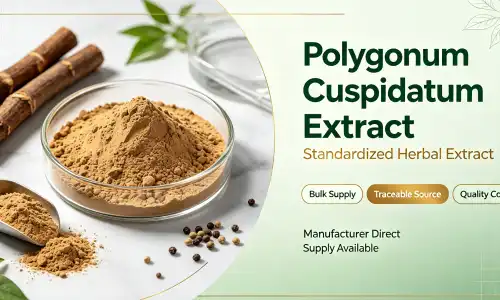
Introduction: Why Fermentation Changes Everything
Conventional plant extraction has issues with heavy metal contamination, PAHs, and gastrointestinal side effects from emodin, despite the fact that resveratrol is valued for its cardiovascular, anti-aging, and antioxidant qualities. Agricultural variability is removed and consistency is enhanced by regulating the production of high-purity trans-resveratrol by fermentation utilizing modified yeast strains (such as Saccharomyces cerevisiae and Yarrowia lipolytica). This encourages a consistent supply of pharmaceutical-grade goods that must be of the highest quality and comply with standards for OEM applications, women's health, and clinical nutrition.
Understanding Fermented Resveratrol Powder: Production and Properties
What Makes Bio-Fermented Resveratrol Different?
Instead of employing solvent extraction, metabolic engineering and synthetic biology are used to manufacture fermented resveratrol powder. In controlled bioreactors, several yeast species transform simple glucose into trans-resveratrol (3,5,4′-trihydroxy-trans-stilbene). This biotechnology strategy is more exact than traditional farming, providing a consistent molecular structure and removing pollutants originating from plants.
Yeast cultures that have been genetically altered to develop particular enzyme pathways for the production of stilbenoid are the first step in the fermentation process. Temperature, pH, oxygen levels, and food feeds are all continuously monitored during the fermentation period. Following the separation of the biomass, the trans-resveratrol is purified by crystallization and filtration, resulting in a purity level of at least 98%, as shown by High-Performance Liquid Chromatography (HPLC). In contrast to the beige or brownish hues of plant extracts that contain tannins, chlorophyll, and other organic co-extractives, the final result is off-white to white.
Enhanced Bioavailability and Absorption Mechanisms
Researchers have found that Fermented Resveratrol Powder is better at being absorbed by the gut than raw plant extracts. The bio-identical molecular structure made by fermentation is very similar to human biochemical routes, which makes it easier for the molecules to be taken in through enterocyte membranes. It is also easier to predict pharmacokinetics when plant fibres, polysaccharides, and other compounds that get in the way are not present.
Studies demonstrate that resveratrol switches on sirtuins, which are a collection of proteins that govern the health and lifespan of cells. By promoting healthy endothelium function and regulating inflammatory pathways, the chemical also aids in heart health. For formulators working on menopausal health, hormonal balance, and age-related wellness, where consistent efficacy is crucial, these procedures are particularly successful.
Quality Control and Certification Standards
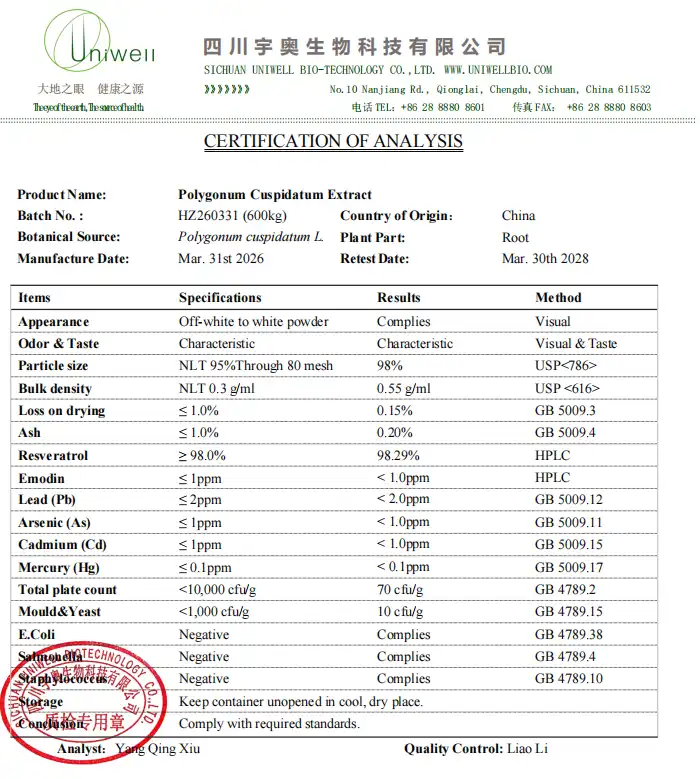
To keep the quality at a pharmaceutical level, strict rules must be followed throughout production. The Certificate of Analysis (COA) should confirm the amount of trans-resveratrol, any remaining solvents, the presence of heavy metals (usually less than 10ppm), and the important lack of Emodin (less than 1ppm or not found). Reliable providers have licenses like FDA registration, ISO22000 (food safety management), KOSHER, and HALAL, which make sure they follow the rules in many different regulatory markets.
Consistency from batch to batch is one of the best things about fermentation technology. In contrast to farming harvests that are affected by weather, soil conditions, and yearly changes, controlled fermentation ensures that each production run meets the same standards. This dependability is very helpful for supplement companies that need to stick to their label claims and cosmetic companies that need colour stability in finished products.
Fermented vs. Non-Fermented Resveratrol Powder: A Comparative Analysis
Absorption Efficiency and Potency Differences
Procurement workers need to know how production methods affect clinical effectiveness when they look at different ingredient choices. Traditional Polygonum cuspidatum extracts usually have between 50 and 98% trans-resveratrol, as well as cis-resveratrol isomers, Emodin (0.5 to 5%), and other polyphenolic compounds. Higher doses of Emodin cause stomach problems, which limits the variety of ingredients that can be used to make supplements for longer life and hormone support products.
Fermented Resveratrol Powder does not have this problem at all. Since Emodin levels are not measurable (<1ppm), formulators can be sure that therapeutic amounts will be added without causing stomach problems. Focusing only on trans-resveratrol—the biologically active isomer—makes the substance more powerful where it's needed. Comparative bioavailability studies show that fermentation-derived pure trans-resveratrol has better plasma concentration curves than complex plant matrices that might make absorption harder.
Safety Profile and Contaminant Risk Management
Products made from naturally occurring plants that contain resveratrol may become polluted. Japanese Knotweed grows swiftly in a wide range of soil types and commonly takes up heavy metals like lead, cadmium, and arsenic from contaminated areas. Toxic compounds known as PAHs are produced when organic matter burns incompletely. They can get plant raw materials, which makes it challenging to adhere to regulations, particularly in European markets with stringent restrictions.
These risks can't happen with fermentation technology. Pharmaceutical-grade substrates are used in the closed-system bioreactor environment, which keeps outside contaminants from getting in. Quality tests always show that the amount of heavy metals is well below the legal limit, and the amount of PAHs is so low that they can't be found. This clean safety profile is very important for women's health uses, since the purity of the product has a direct effect on consumer trust and the brand's reputation.
Source Material and Supply Chain Stability
Agricultural sources of resveratrol face problems that are to be expected. Changes in harvest times, food yields, and the weather can cause prices to go up and down and gaps in supply. Unexpected problems can happen in supply chains when geopolitical factors affect areas that are growing quickly. On the other hand, fermentation plants are open all year and plan their production around predicted demand. The prices and abundance of raw materials, mostly glucose made from maize or other carbohydrate sources, stay fixed around the world.
Pharmaceutical formulation companies and high-end nutraceutical brands that can't handle ingredient shortages or changes in quality care a lot about how reliable this supply chain is. When you work with fermented sources, strategic inventory management is easier to plan for. This helps just-in-time manufacturing models and frees up working capital that would have been used to buy safety stock.
Procurement and Sourcing Guide for Fermented Resveratrol Powder
Identifying Reputable Suppliers and Certification Requirements
To find reliable suppliers of Fermented Resveratrol Powder, you need to do your research in a number of areas. As a first step, certification badges like ISO22000, GMP (Good Manufacturing Practices), FDA facility registration, and organic licenses, if available, show a dedication to quality systems. Suppliers should easily give you reports from third parties that confirm the purity requirements, the safety of microbes, and the lack of contaminants.
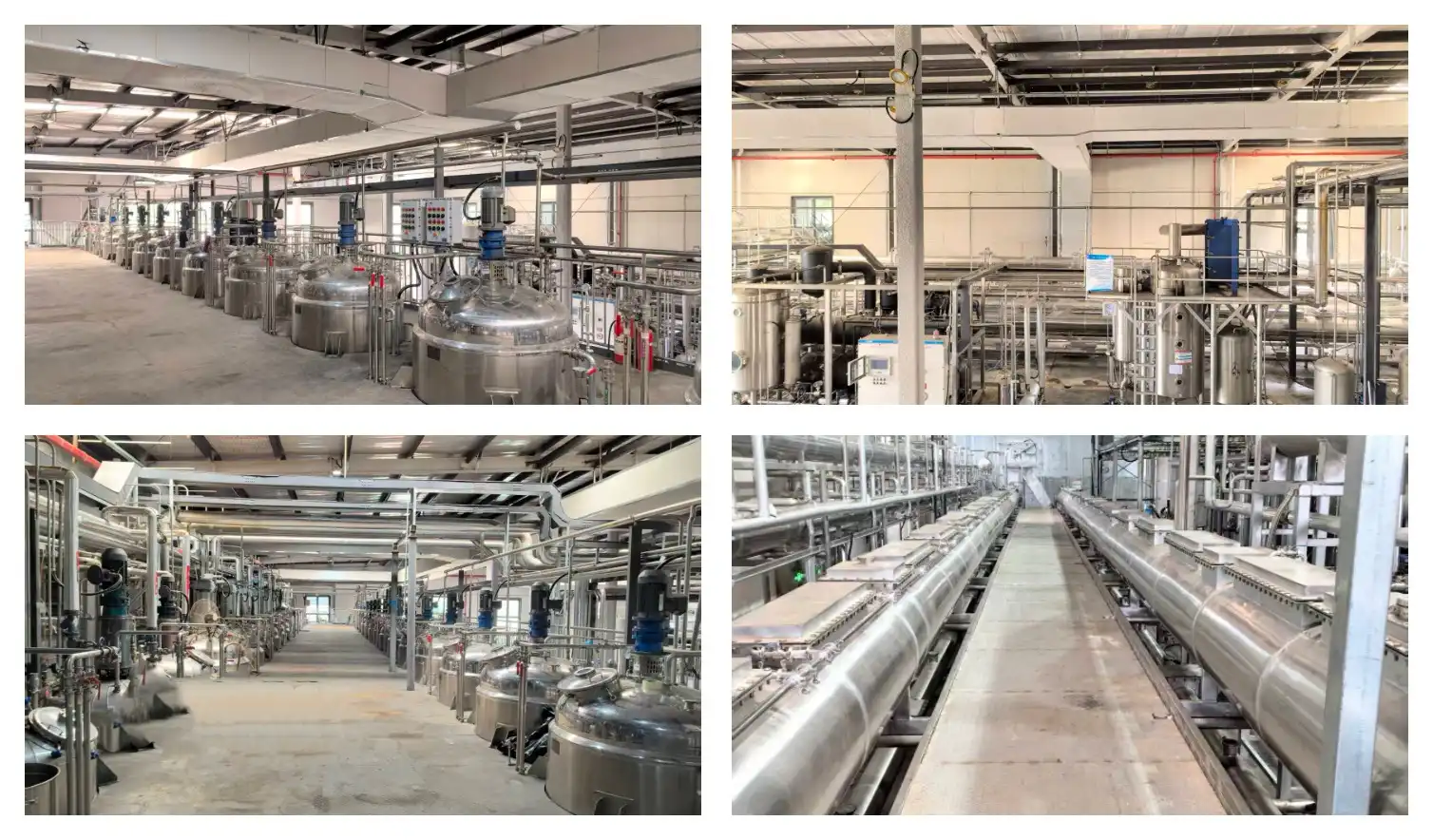
Check out more than just certifications. Also look into production skills and technical knowledge. Trading companies that get their goods from a lot of different contract makers don't have as much control over quality factors as suppliers who have their own fermentation facilities. Being open about fermentation strains, purification methods, and analytical testing techniques shows that the business is sophisticated. With over 10 years of experience in botanical extracts and dedicated fermentation capabilities, companies like Sichuan Uniwell Biotechnology have the infrastructure needed for a steady supply.
Ask for full product information, like Technical Data Sheets (TDS), Safety Data Sheets (SDS), Certificates of Analysis (COAs) from the most recent production runs, and stability studies that show how long the product will last in different storage conditions. This information lets you evaluate the risk in a smart way and helps regulatory applications for finished goods going into markets with strict processes for authorising ingredients.
Bulk Purchasing Considerations: MOQs, Pricing, and Logistics
Bulk purchasing decisions balance cost efficiency with supply security. MOQ for fermented resveratrol typically ranges from 1–25 kg, with lower trial quantities available but better pricing at higher volumes. Pricing varies by purity, certification, and order size, with pharmaceutical-grade material commanding a premium due to higher performance and compliance value. Total landed cost includes logistics choice (air for urgency, sea for cost efficiency) and customs documentation. Reliable suppliers with strong stockholdings and complete export paperwork ensure fast fulfillment and reduced shipment delays.
Sample Evaluation Criteria and Quality Verification
Before bulk purchasing, sample evaluation is essential. Request 50–100 g samples with batch-specific COAs and examine essential physical qualities such as color (white to off-white), particle size distribution, and flowability for processing appropriateness. Examine any inconsistencies with supplier data and confirm quality using independent laboratory testing for heavy metals, residues, microorganisms, and trans-resveratrol concentration using HPLC. To assess solubility, stability, compatibility, and performance in final applications, conduct small-scale formulation studies.
Choosing the Best Fermented Resveratrol Powder for Your Business Needs
Systematic Evaluation Framework for Supplier Selection
To choose the best Fermented Resveratrol Powder for your company, you need to do a structured evaluation of a number of factors. Purity standards must match the needs of the intended use. For example, pharmaceutical formulas need purity levels of at least 99%, while some nutritional uses can handle levels of at least 98%. Bioavailability factors affect both dosage estimates and label claims. Make sure that providers provide research to back up their claims or can help with bioavailability studies.
Certification portfolios should match the rules of the market you want to reach. Products coming into the US are sourced from FDA-registered facilities and, if necessary, follow USP (United States Pharmacopoeia) monographs. Novel Food authorisation is becoming more and more necessary for some uses in European markets. Suppliers who are familiar with EU regulatory settings can get into the market faster. The KOSHER and HALAL approvals make it easier to reach more religious customers who are strict about following their diets.
Cost-effectiveness is more than just unit pricing. Look at the total value, which should include technical support, help with regulations, options for custom packaging, and flexible payment terms. If you need to pay a supplier ahead of time, Net 30 or Net 60 payment terms make managing your cash flow easier. Reliability in lead time affects inventory planning; for example, consistent shipments of stock items in three to five days and custom production runs that take six to eight weeks have different effects on procurement strategies.
Customization and OEM Collaboration Opportunities
High-value partnerships extend beyond ingredient supply into ODM/OEM collaboration, accelerating product development through formulation expertise, regulatory support, and manufacturing integration. This is especially valuable in women’s health supplements, enabling customized blends such as fermented resveratrol with synergistic botanicals for menopause support. Customization options include micronization to improve bioavailability, excipient optimization for processing, and tailored standardization levels. Technical collaboration also covers stability testing, compatibility studies, and pilot-scale validation to ensure successful commercial launch.
After-Sales Service and Long-Term Partnership Value
Supplier relationships extend beyond initial purchase, relying on responsive after-sales support for issues such as analysis queries, shipping delays, or formulation challenges. Dedicated account management ensures continuous communication on supply status, production planning, and market changes. Proactive quality control includes batch notifications, COA verification, and traceable documentation linking raw materials to finished goods. Continuous improvement in fermentation technology enhances purity and cost efficiency, while market intelligence sharing supports long-term strategic procurement decisions.
Practical Applications and Future Trends of Fermented Resveratrol Powder
Nutraceutical Applications Driving Market Growth
Fermented Resveratrol Powder is being used more and more in different types of supplements. Medications for extending life and fighting ageing often mix resveratrol with NAD+ precursors like NMN (Nicotinamide Mononucleotide) or NR (Nicotinamide Riboside). This makes cellular energy pathways work better together. Because fermented sources don't contain Emodin, higher doses of resveratrol—often 500 to 1000 mg daily—can be taken without causing digestive problems that make it hard to make plant extracts.
The health of women is a particularly promising market segment. Resveratrol's phytoestrogenic and antioxidant qualities are used in menopause support items to help with hot flashes, sleep problems, and mood swings. Formulas that help balance hormones and are used to treat PCOS (Polycystic Ovary Syndrome) or perimenopause include resveratrol along with plants such as vitex, maca, and rhodiola. Cardiovascular health supplements focus on resveratrol's ability to support endothelial cells and control the inflammatory response in a healthy way. This makes them appealing to older people who are trying to keep their blood pressure and metabolic markers in check.
The neutral taste and white powder look make it easy to add to healthy drinks and foods. Fermented Resveratrol Powder is added to protein shakes, beauty-from-within collagen drinks, and health shots without changing the taste or look of the products. Powders that dissolve easily can be made into liquid supplements, which is becoming more and more popular among younger people who prefer ease to traditional pills.
Cosmetic and Dermatological Product Innovation
Resveratrol is widely used in premium skincare and nutricosmetics for its antioxidant and anti-aging benefits. Its white, neutral color improves formulation aesthetics compared to plant extracts, supporting high-end positioning. Clinical studies show it protects collagen, reduces oxidative stress, and modulates inflammation related to photoaging. Stability challenges due to poor water solubility are addressed through liposomal encapsulation, nano-emulsions, and cyclodextrin complexes, improving bioavailability and formulation performance in cosmetic systems.
Emerging Technologies and Market Outlook
Fermentation technology is advancing through strain optimization, process intensification, and improved downstream purification. Next-generation yeast strains enhance productivity and efficiency, reducing costs while maintaining quality. Continuous fermentation replaces batch processing, increasing throughput and reducing environmental impact. Market demand for fermented resveratrol is rising due to aging populations, clean-label preferences, and stricter contaminant regulations. Bioavailability-enhancing technologies and personalized nutrition platforms further expand applications and targeted marketing opportunities.
Conclusion
Fermented Resveratrol Powder is a better option than regular plant extracts because it is pharmaceutical-grade pure, more bioavailable, and doesn't contain harmful contaminants like Emodin and PAHs. The bio-fermentation way of production guarantees stability from batch to batch, a reliable supply, and safety profiles that meet strict regulatory standards in markets around the world. Strategically finding this next-generation ingredient gives procurement workers who work in the women's health, menopause support, hormonal balance, and elite nutraceutical sectors a big edge over their competitors. Systematic supplier review focused on certifications, technical skills, customisation support, and long-term relationship value helps people make smart choices that improve the effectiveness of products and set them apart in the market. As fermentation technology keeps getting better and market demand rises, brands that adopt it early will be at the forefront of new ideas in categories like beauty from within, longevity, and wellness.
FAQ
1.What dosage of fermented resveratrol is recommended for supplement formulations?
Fermented Resveratrol Powder FAQ: Common Questions. Doses used in clinical studies usually range from 150 mg to 1000 mg per day, based on the health results that are wanted. 150–300 mg is often used in cardiovascular support formulas, while 500–1000 mg may be used in anti-aging and longevity formulas. Fermented sources don't have Emodin, so higher doses can be used without causing stomach problems that make it hard to make plant extract formulations. Check the rules for the market you want to reach, and think about doing bioavailability studies to get the best dosage suggestions for certain product claims.
2.Does fermented resveratrol interact with other supplement ingredients or medications?
Resveratrol has generally good safety profiles, and there aren't many concerns about interactions. Because resveratrol has a slight antiplatelet effect, it may combine with blood thinners. This should be mentioned in the right way on the label. When formulators mix it with other ingredients that promote life, like NMN, quercetin, or pterostilbene, they should make sure that the two work well together by testing for stability. Fermented trans-resveratrol is less likely to combine with other substances than complex plant extracts that contain many bioactive chemicals because it is more pure.
3.How does fermentation enhance resveratrol absorption compared to plant extracts?
Fermentation creates bio-identical trans-resveratrol molecules that work with human metabolic pathways, making it easier for the intestines to absorb them. Plant products have chemicals like fibres, tannins, and others that might make it harder to absorb or need more work to be digested. Fermented powder dissolves more quickly in the digestive tract because it is pharmaceutical-grade pure and has the right amount of particles of each size. All of these things make bioavailability better, which means that smaller amounts are needed to get the same plasma ratios as raw plant sources.
Partner with UNIWELL: Your Trusted Fermented Resveratrol Powder Supplier
Fermented Resveratrol Powder (≥98% trans-resveratrol by HPLC) made by Sichuan Uniwell Biotechnology is of medicinal grade and comes with FDA registration, ISO22000, KOSHER, and HALAL approvals. Our advanced bio-fermentation technology gets rid of Emodin and PAHs and guarantees that there is no batch-to-batch difference. These are important benefits for women's health brands, menopause support products, and high-end nutraceutical formulas. We have a strategic inventory of more than 100 metric tonnes, and we can ship most orders within three business days. Our global logistics solutions cover all types of freight, including air, sea, and land.
Our team offers full ODM/OEM services, which include formulating new products, giving regulatory advice for target markets, making custom packaging, and providing technical support while the products are on the market. Each package has thorough COA paperwork and compliance certificates that make sure it goes through customs smoothly. We offer competitive pricing, guaranteed quality, and unmatched consistency, whether you need samples for initial evaluation, bulk orders for commercial production, or to work together to develop a new product.
Get in touch with our purchasing agents right away at info@uniwellbio.com to ask for product details, sample packages, or to talk about your needs for a unique formulation. Find out why top companies that make pharmaceutical formulations and botanical extracts choose UNIWELL as their Fermented Resveratrol Powder manufacturer of choice.
References
1. Baur JA, Sinclair DA. Therapeutic potential of resveratrol: the in vivo evidence. Nature Reviews Drug Discovery, 2006; 5(6):493-506.
2. Cottart CH, Nivet-Antoine V, Beaudeux JL. Review of recent data on the metabolism, biological effects, and toxicity of resveratrol in humans. Molecular Nutrition & Food Research, 2014; 58(1):7-21.
3. Walle T, Hsieh F, DeLegge MH, et al. High absorption but very low bioavailability of oral resveratrol in humans. Drug Metabolism and Disposition, 2004; 32(12):1377-1382.
4. Gambini J, Inglés M, Olaso G, et al. Properties of resveratrol: in vitro and in vivo studies about metabolism, bioavailability, and biological effects in animal models and humans. Oxidative Medicine and Cellular Longevity, 2015; 2015:837042.
5. Ko JH, Sethi G, Um JY, et al. The role of resveratrol in cancer therapy. International Journal of Molecular Sciences, 2017; 18(12):2589.
6. Chimento A, De Amicis F, Sirianni R, et al. Progress to improve oral bioavailability and beneficial effects of resveratrol. International Journal of Molecular Sciences, 2019; 20(6):1381.
Have a project in mind? Share your requirements — we’ll turn your ideas into reliable products.