- English
- French
- German
- Portuguese
- Spanish
- Russian
- Japanese
- Korean
- Arabic
- Greek
- German
- Turkish
- Italian
- Danish
- Romanian
- Indonesian
- Czech
- Afrikaans
- Swedish
- Polish
- Basque
- Catalan
- Esperanto
- Hindi
- Lao
- Albanian
- Amharic
- Armenian
- Azerbaijani
- Belarusian
- Bengali
- Bosnian
- Bulgarian
- Cebuano
- Chichewa
- Corsican
- Croatian
- Dutch
- Estonian
- Filipino
- Finnish
- Frisian
- Galician
- Georgian
- Gujarati
- Haitian
- Hausa
- Hawaiian
- Hebrew
- Hmong
- Hungarian
- Icelandic
- Igbo
- Javanese
- Kannada
- Kazakh
- Khmer
- Kurdish
- Kyrgyz
- Latin
- Latvian
- Lithuanian
- Luxembou..
- Macedonian
- Malagasy
- Malay
- Malayalam
- Maltese
- Maori
- Marathi
- Mongolian
- Burmese
- Nepali
- Norwegian
- Pashto
- Persian
- Punjabi
- Serbian
- Sesotho
- Sinhala
- Slovak
- Slovenian
- Somali
- Samoan
- Scots Gaelic
- Shona
- Sindhi
- Sundanese
- Swahili
- Tajik
- Tamil
- Telugu
- Thai
- Ukrainian
- Urdu
- Uzbek
- Vietnamese
- Welsh
- Xhosa
- Yiddish
- Yoruba
- Zulu
What Is Fermented Resveratrol Powder? Benefits, Purity, and Science Explained
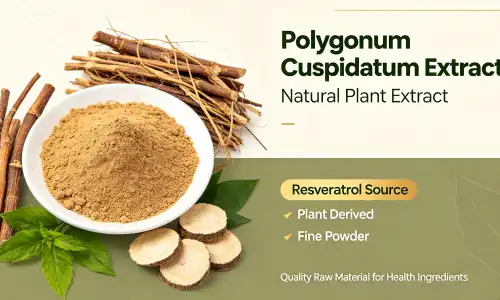
is a revolutionary new way to take flavonoid supplements. Fermented Resveratrol Powder, on the other hand, uses modern yeast fermentation technology to produce trans-resveratrol that is ≥98% pure, unlike traditional plant extracts that come from Japanese knotweed. This controlled microbial process gets rid of harmful contaminants like emodin and polycyclic aromatic hydrocarbons (PAHs), making sure that the product is very safe and very bioavailable. This ingredient has consistent quality and is backed by FDA, ISO22000, KOSHER, and HALAL certifications for formulators making women's health supplements, menopause support products, and clinical nutrition solutions. When B2B decision-makers know about an ingredient's production method, scientific validation, and procurement benefits, they can choose ingredients that meet strict standards for effectiveness and meet consumer demand for clean-label solutions.
Understanding Fermented Resveratrol Powder
Biotechnology is making resveratrol through fermentation, which is very different from the usual ways of extracting it. This cutting edge method solves important problems in the industry while providing a better mix of ingredients specifically designed for use in medicinal and nutritional products.
Bio-Fermentation Production Method
In a laboratory context, trans-resveratrol is produced from glucose sources by bio-fermentation using engineered yeast strains such as Saccharomyces cerevisiae or Yarrowia lipolytica. This metabolic engineering approach doesn't employ any farming goods at all, thus there are no regular changes or uncertain supply chains. Because the fermentation containers maintain the ideal pH, temperature, and nutrient levels, microorganisms may convert simple carbohydrates into the beneficial stilbenoid molecule. Following fermentation, the next stage of cleaning is crystallization and sifting, which results in a fine, white to off-white powder that, according to HPLC examination, has a trans-resveratrol level of at least 98%. This consistency is very helpful for manufacturers who need to make sure that all of their batches meet exact specifications.
Bio-fermentation is a better way to get Polygonum cuspidatum than standard extraction in a number of scientific ways. Resveratrol from plants often contains emodin, an anthraquinone substance that is naturally found in knotweed stems and upsets the stomach. This makes it harder to vary the doses in supplements. Fermented varieties get rid of this worry completely, allowing higher doses to be used for hormonal balance and long life without causing digestive problems. Plants growing in dirt also run the risk of getting heavy metals and PAHs from polluted environments. By avoiding these ways of contamination, laboratory fermentation creates an ingredient that is free of farming leftovers and meets strict European and American purity standards.
Chemical Composition and Stability Advantages
Trans-resveratrol (3,5,4′-trihydroxy-trans-stilbene, CAS 501-36-0), the medicinally active isomer, is more stable than its cis-counterpart. On the other hand, Fermented Resveratrol Powder changes very little and retains its trans-configuration with exceptional stability when stored on a regular basis. The compound's crystalline form permits it to survive longer if maintained in sealed containers away from light and moisture. Between 253°C and 255°C is when it melts.
Comparative research shows that fermented and extracted resveratrol have very different physical and chemical properties. Due to leftover plant matrices and tannins, plant extracts usually look beige to light brown. This could cause discolouration in finished cosmetic products. Fermented material looks like pure white powder, which keeps its good looks in nutricosmetic serums and creams for picky customers. The better colour comes from not having any plant pigments or oxidised polyphenols, which are common in herbal products. Particle size distribution in micronised grades usually falls below 20 microns, which improves bioavailability and dissolution rates when added to functional drinks or capsules.
Quality Control and Manufacturing Standards
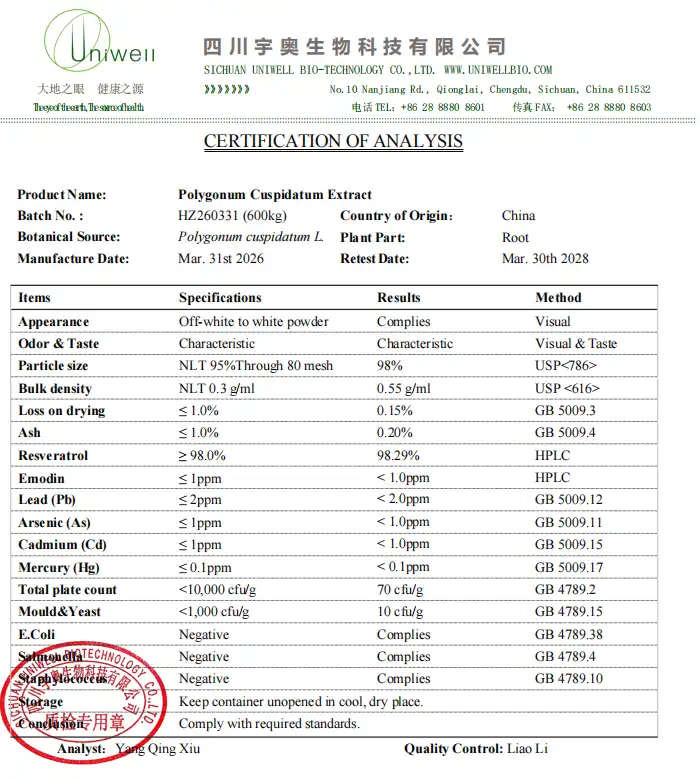
Every step of the production process is governed by strict quality assurance rules. A lot of tests are done on each batch, such as an HPLC purity analysis, heavy metal screening (<10ppm total metals), microbial testing, and PAH measurement (<2ppb, often not visible). Every shipment comes with a Certificate of Analysis (COA), which proves that the requirements were met. To meet the needs of a wide range of customers, manufacturing facilities keep their FDA registration, ISO22000 food safety management certification, and religious dietary certifications (KOSHER and HALAL) up to date.
Traceability systems keep track of raw materials from where the glucose comes from to where they are fermented, cleaned, and finally packed. This record of paperwork helps with regulatory applications for new food approvals in the EU and Generally Recognised as Safe (GRAS) decisions in the US. Stability tests show that the strength stays the same over 24 months when stored in the right way. This gives formulators accurate shelf-life information to help them plan when to start making new products.
Health Benefits and Scientific Validation
Over the past twenty years, there has been a lot more scientific research showing that resveratrol is good for your health. Better bioavailability is seen in fermented variants, which turns lab results into results that are useful for human health.
Antioxidant and Cellular Longevity Mechanisms
Resveratrol is widely referred to be a calorie restriction mimic related with longevity pathways because it activates sirtuins, notably SIRT1, which modulates NAD+-dependent pathways essential to cellular aging, mitochondrial biogenesis, and metabolic efficiency. Clinical results in postmenopausal women that show improvements in vascular function and inflammatory biomarkers suggest its use in menopause-related formulations. Its antioxidant effect, which reduces ROS and oxidative stress while raising endogenous antioxidant enzyme activity and malondialdehyde levels, makes it beneficial for hormone-related oxidative stress support items.
Hormonal Balance and Women's Health Applications
Depending on the kind of tissue, resveratrol can have both estrogenic and anti-estrogenic effects via modulating estrogen receptor activation as a selective estrogen receptor modulator (SERM). With possible advantages over hormone replacement therapy, this justifies its usage in women's health formulations for menopausal symptoms as hot flashes and night sweats. Clinical research on perimenopausal women demonstrates decreased vasomotor symptoms and an enhanced quality of life. Additionally, it helps maintain bone mineral density by encouraging osteoblast activity and preventing osteoclast development.
Cardiovascular and Metabolic Health Support
By increasing endothelial nitric oxide generation, promoting vasodilation, and preserving normal blood pressure, resveratrol promotes cardiovascular health. Postmenopausal women with increased cardiovascular risk benefit from improvements in flow-mediated dilation and decreases in systolic blood pressure, according to meta-analyses. Additionally, it stimulates AMPK, which enhances insulin sensitivity, increases muscle glucose absorption, and decreases hepatic glucose synthesis. This supports metabolic health and makes it appropriate for all-encompassing wellness formulations that target both metabolic and cardiovascular functions.
Safety Profile and Dosage Considerations
Resveratrol has been tested in many clinical trials and has been shown to be very safe. Most people take between 100 mg and 500 mg of supplements every day. Some studies have used doses as high as 2,000 mg without any major side effects. Because Fermented Resveratrol Powder doesn't contain emodin, it doesn't cause stomach tolerance issues like other plant extracts do, which gives formulators more dose options. Pharmacokinetic studies show that trans-resveratrol is quickly absorbed and then goes through a lot of first-pass metabolism. Within 30 to 60 minutes of consumption, plasma amounts reach their highest point.
Possible drug conflicts should be thought about when a product is being made. Because it itself is an antiplatelet, resveratrol may make the effects of antiplatelet drugs stronger. Also, because it is a substrate for cytochrome P450 enzymes and glucuronidation pathways, it should not be used at the same time with medicines that are broken down in these ways. Fully complete product labels should have the right warnings and suggestions for talking to medical professionals, especially for people who are taking prescription drugs.
Making the Right Choice: Comparison and Procurement Considerations
To choose the best resveratrol ingredient, you need to carefully consider a lot of technical and business factors. When procurement workers understand these factors, they can make choices that are in line with how the product is positioned and what the target market needs.
Fermented Versus Extracted Resveratrol Analysis
The main difference between production methods is not just the manufacturing process, but also the purity, safety, and performance of the products. The purity of resveratrol taken from Polygonum cuspidatum plants is usually between 50% and 98%. Lower purity grades have higher amounts of emodin and other plant parts. Even though there are plant extracts that are 98% pure, they are more expensive and there is still a chance that some contaminants will be present.
Fermented Resveratrol Powder always gives ≥98% purity with almost undetectable emodin levels, which fixes the main problem with botanical sources. This higher purity means that the recipe will behave in a regular way, and you won't have to worry about differences in contaminant levels from batch to batch. Having a white powder appearance is good for cosmetics because it keeps the product from turning yellow or brown over time, which can happen with plant extracts and make them look bad.
When it comes to bioavailability, fermented materials are also better. Micronised Fermented Resveratrol Powder is easier to dissolve and absorb because it doesn't contain any plant matrix components and has a better particle size distribution. Both types give trans-resveratrol, but the fermented types are better because they don't have as many other substances that might interfere with the active ingredient's bioavailability.
Supplier Certification and Regulatory Compliance
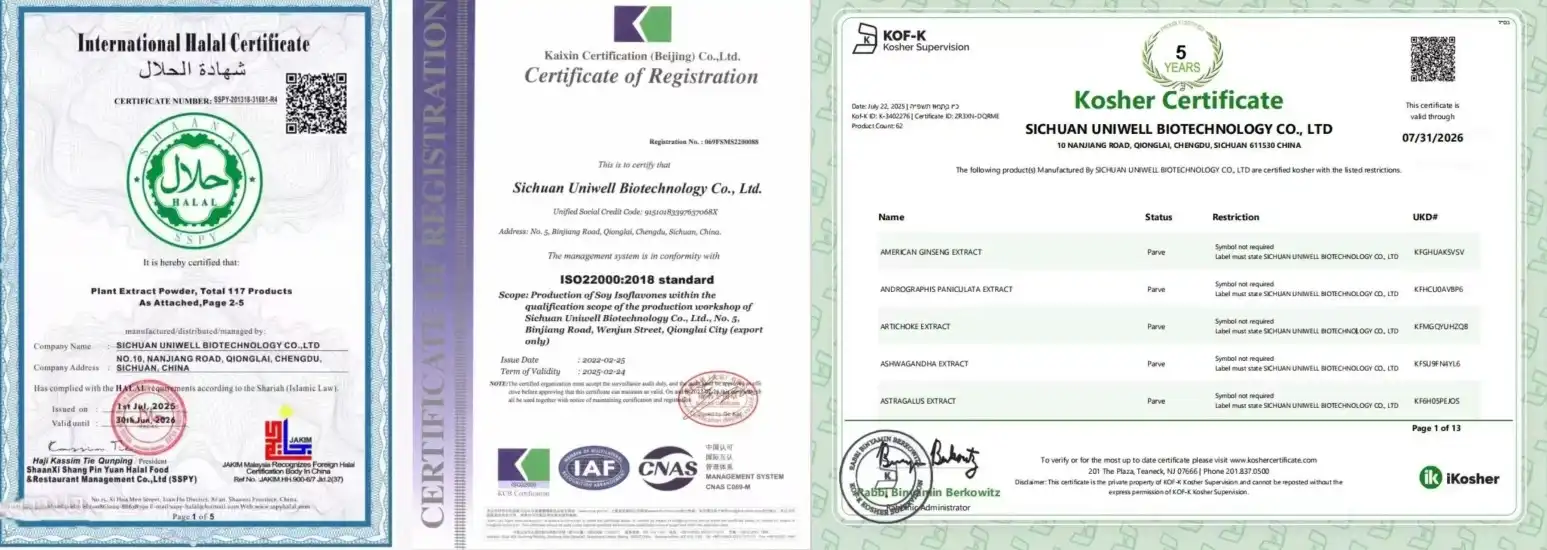
Working with compliant suppliers needs up-to-date regulatory and certification portfolios. While ISO 22000 validates HACCP-based food safety management throughout production, FDA certification guarantees compliance with cGMP criteria. Extra certifications like KOSHER and HALAL guarantee adherence to religious dietary regulations and increase market access. Customs clearance, regulatory filings, and international transparency requirements are supported by strong documentation capabilities, such as COAs, SDS, specifications, GMO declarations, and regulatory status.
Cost Structures and Bulk Procurement Logistics
Pricing factors weigh the cost of ingredients against their quality, purity, and the reliability of the supplier. While Fermented Resveratrol Powder usually costs more than less pure plant products, the price per unit of pure trans-resveratrol is often comparable when the active ingredient content is taken into account. The emodin-free profile and higher purity make formulation easier and lower the risk of customer tolerance problems. This adds value beyond just comparing the costs of ingredients.
Through volume agreements and smart inventory management, bulk procurement methods get the best value for money. Most of the time, the minimum order quantity is between 1 kg for a sample and 25 kg, 50 kg, or 100 kg for large drums used in production. When suppliers keep large stocks of raw materials, they can fill orders quickly. Usually, standard orders are shipped within three business days. This level of inventory depth helps just-in-time manufacturing methods work and guards against supply problems.
Logistics planning skills set superior providers apart. Freight solutions that include air, sea and land transfer options can meet a wide range of delivery deadlines and budgets. The integrity of the ingredients is protected during international shipping when they are properly packed in fibre drums with two food-grade poly bags. Having all the necessary export paperwork, like commercial invoices, packing lists, certificates of origin, and phytosanitary certificates, makes it easier to get goods through customs at borders.
Private Label and OEM Collaboration Opportunities
Strategic suppliers offer more than simply ingredients. Additionally, they provide value-added services that accelerate market entrance and help businesses stand out. Through private label collaborations, clients may use well-known formulae and production expertise to swiftly introduce products under their own names. This approach allows brand owners to concentrate on marketing and distribution while reducing development time and expenses.
Working together with an OEM (Original Equipment Manufacturer) gives brands that have unique manufacturing needs the freedom to make changes. Suppliers with a lot of experience know how to deal with the different rules and regulations in each target market. They change formulations to meet the rules in each country about the amount of ingredients allowed, the claims that can be made, and the labelling requirements. This knowledge is especially helpful for brands that want to expand internationally, since rules in the US, the EU, and other major markets are very different from one another.
Custom packaging options give you more ways to stand out. Suppliers who offer different types of packing, such as bulk powder, pre-measured sachets, capsules, or tablets, can meet the needs of a wide range of product ideas and customer tastes. Labelling services that include brand graphics, text for regulatory compliance, and lot tracking information make it easier to go from buying ingredients to having finished goods that are ready to be sent out.
Trusted Brands and Market Options for B2B Clients
Fermented Resveratrol Powder is sold all over the world, and there are a number of well-known sources whose quality and technical know-how are known for being consistent. The best way to choose a partner is to look at the supplier's qualifications, producing skills, and service infrastructure.
Supplier Evaluation Criteria
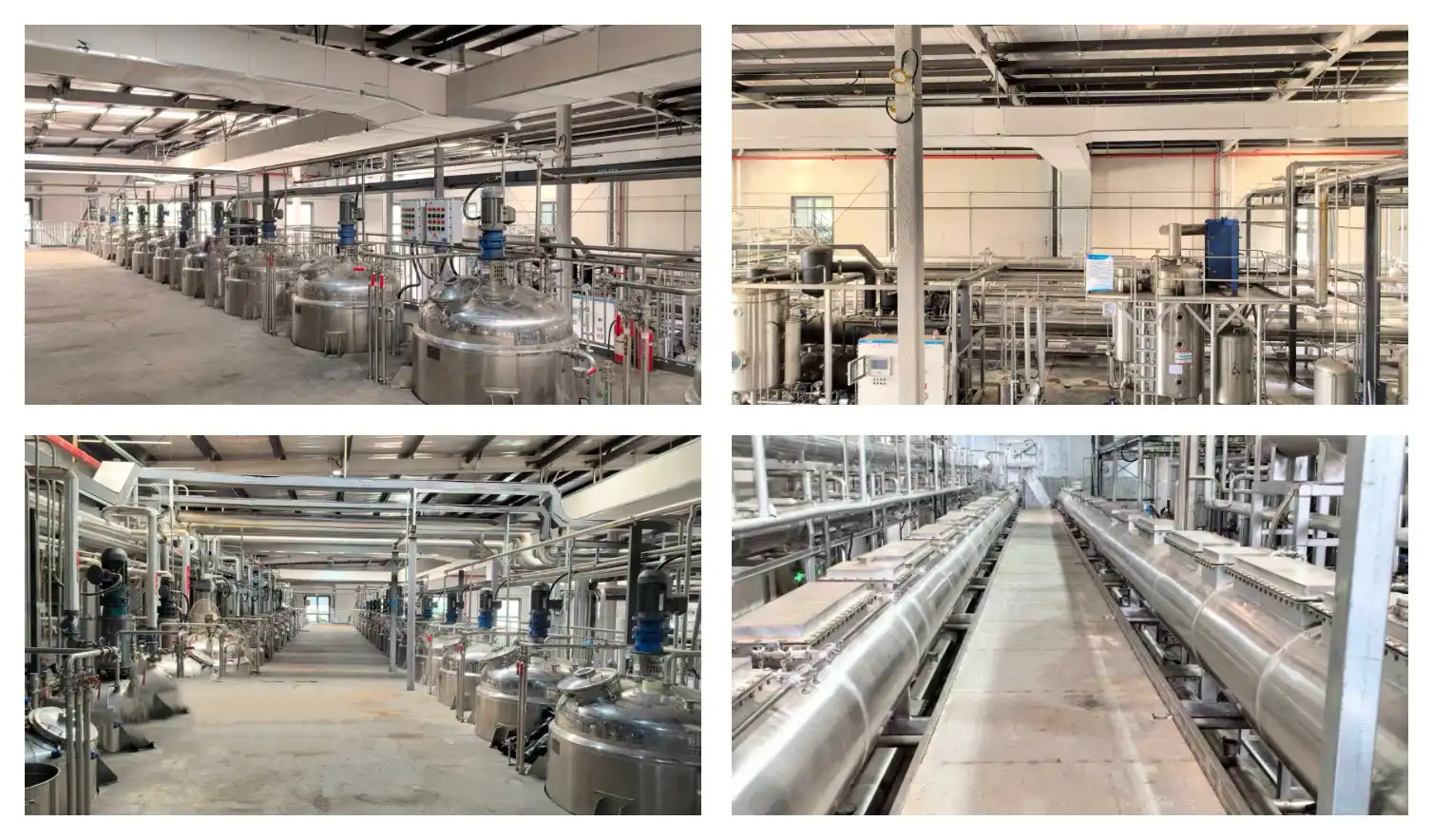
Manufacturing capacity is one of the most important things to think about. Scale is important for meeting the needs of growing brands, and facilities that use multi-ton fermentation tanks and constant counter-current extraction technology show that they can do it. Over ten years of production experience means that processes have been fine-tuned, quality systems have been set up, and solving skills have been built up. This helps customers by providing stable supply and technical support.
Quality infrastructure includes more than just simple tests; it also includes full analytical tools. Advanced HPLC systems for checking purity, inductively coupled plasma mass spectrometry (ICP-MS) for finding heavy metals, and microbial testing labs make sure that products are fully characterised. When suppliers do their own testing, they can cut down on turnaround times and provide quick technical support when formulation questions come up.
Transparency in the supply chain makes it possible to track things and control risks. Professional supply chain management is shown by suppliers who map their supply networks, keep records of where they get their raw materials, and keep backup sellers on hand. This openness is especially important for brands that need to show their supply chains in order to get organic, non-GMO, or environmental certificates.
UNIWELL's Competitive Advantages for Women's Health Formulators
Sichuan Uniwell Biotechnology Co., Ltd. integrates cultivation, extraction, and application support with over 10 years of experience in botanical extracts meeting strict international standards. Advanced counter-current extraction maximizes active compound yield while minimizing degradation, ensuring strong batch consistency for clinical nutrition and pharmaceutical use. With over 100 tonnes of raw material inventory and rapid 3-day dispatch, Uniwell ensures stable supply. Full logistics, regulatory documentation, and global shipping support further streamline procurement, while competitive pricing and consistent quality make it ideal for women’s health formulations.
ODM/OEM Service Capabilities
Uniwell provides full ODM/OEM services covering product development through to market launch. The technical team customizes formulations, labeling, extraction ratios, and documentation to meet USP/EP, FDA, and Novel Food requirements, ensuring global compliance. Pre-sales support includes samples, TDS, SDS, and formulation guidance, while compliance services extend beyond COAs to legal and testing support. Flexible logistics and export documentation ensure smooth delivery, with ongoing post-sales support for tracking, scaling, and market expansion.
Conclusion
In conclusion, for formulators making cutting-edge women's health vitamins, menopause support goods, and hormonal balance solutions, Fermented Resveratrol Powder is the ideal ingredient. Bio-fermentation technology removes emodin and PAH contaminants that are naturally found in plant extracts, giving the product an unmatched level of purity at ≥98% trans-resveratrol. The white powder look, better absorption, and great batch stability make it useful for many things, from nutricosmetics to stacks of supplements for long life. Scientific proof shows important health benefits, including antioxidant defence, routes for cellular life, heart health support, and metabolic health improvement. When making purchases, companies should look for providers that offer a wide range of certifications, clear production information, fast fulfilment, and ODM/OEM services that add value. These relationships help brands stand out by using higher-quality ingredients and shortening the time it takes to bring new formulations to market. This meets customer demand for health solutions with clean labels that have been proven scientifically.
FAQ
1.What advantages does fermented resveratrol offer compared to plant extracts?
Fermented Resveratrol Powder gets rid of emodin, which is a stomach-irritant that is naturally found in Japanese knotweed extracts. This means that higher doses can be taken without having stomach problems. The bio-fermentation process makes a white powder that is free of the heavy metals and PAHs that are common in plants growing in dirt. Better purity (≥98% trans-resveratrol) and no batch-to-change make sure that formulations work the same way every time. Better particle size distribution makes them more bioavailable than standard extracts.
2.How can I be sure that the seller is real and that the product is pure?
Ask for a lot of paperwork, like Certificates of Analysis (COA) with HPLC purity data, heavy metal testing results, microbial analysis, and emodin quantification. Check the supplier's certifications, like FDA registration, ISO22000, KOSHER, and HALAL, with the groups that gave them out. Ask for samples to be tested by a third party that is not connected to you, and look at how responsive the seller is, how much technical knowledge they have, and whether they have paperwork that shows the supply chain is clear from the raw materials to the finished product.
3.Are there potential side effects or ingredient interactions?
In clinical studies, taking up to 2,000 mg of Fermented Resveratrol Powder every day was found to be completely safe. Some possible interactions include stronger antiplatelet effects when paired with blood-thinning drugs and possible interactions with drugs broken down by cytochrome P450 pathways. The emodin-free profile gets rid of the digestive problems that come with plant products, but people who are on prescription drugs should talk to their doctors before taking supplements.
Partner with UNIWELL: Your Trusted Fermented Resveratrol Powder Supplier
UNIWELL is an expert at providing premium bio-Fermented Resveratrol Powder that is 98 percent pure and designed specifically for companies that make women's health supplements, menopause support products, and hormonal balance formulas. Our FDA-registered and ISO22000-certified facility keeps strategic inventory of more than 100 metric tonnes, which lets us offer standard fulfilment in three days to meet your production schedules. We offer full ODM/OEM services, such as regulatory advice, custom formulation development, and private label solutions that are made for the American and European markets. Email our technical team at info@uniwellbio.com to get Fermented Resveratrol Powder samples, scientific specs, and bulk price information. As one of the biggest companies that makes Fermented Resveratrol Powder, we can offer you low prices, guaranteed specs, and batch stability that can't be beat. This will help your brand's commitment to quality and innovation.
References
1. Baur, J.A., Sinclair, D.A. (2006). Therapeutic potential of resveratrol: the in vivo evidence. Nature Reviews Drug Discovery, 5(6), 493-506.
2. Cottart, C.H., Nivet-Antoine, V., Beaudeux, J.L. (2014). Review of recent data on the metabolism, biological effects, and toxicity of resveratrol in humans. Molecular Nutrition & Food Research, 58(1), 7-21.
3. Evans, H.M., Howe, P.R., Wong, R.H. (2017). Effects of resveratrol on cognitive performance, mood and cerebrovascular function in post-menopausal women: a 14-week randomized placebo-controlled intervention trial. Nutrients, 9(1), 27.
4. Liu, Y., Ma, W., Zhang, P., He, S., Huang, D. (2015). Effect of resveratrol on blood pressure: a meta-analysis of randomized controlled trials. Clinical Nutrition, 34(1), 27-34.
5. Smoliga, J.M., Baur, J.A., Hausenblas, H.A. (2011). Resveratrol and health: a comprehensive review of human clinical trials. Molecular Nutrition & Food Research, 55(8), 1129-1141.
6. Timmers, S., Konings, E., Bilet, L., Houtkooper, R.H., van de Weijer, T., Goossens, G.H., et al. (2011). Calorie restriction-like effects of 30 days of resveratrol supplementation on energy metabolism and metabolic profile in obese humans. Cell Metabolism, 14(5), 612-622.
Have a project in mind? Share your requirements — we’ll turn your ideas into reliable products.