- English
- French
- German
- Portuguese
- Spanish
- Russian
- Japanese
- Korean
- Arabic
- Greek
- German
- Turkish
- Italian
- Danish
- Romanian
- Indonesian
- Czech
- Afrikaans
- Swedish
- Polish
- Basque
- Catalan
- Esperanto
- Hindi
- Lao
- Albanian
- Amharic
- Armenian
- Azerbaijani
- Belarusian
- Bengali
- Bosnian
- Bulgarian
- Cebuano
- Chichewa
- Corsican
- Croatian
- Dutch
- Estonian
- Filipino
- Finnish
- Frisian
- Galician
- Georgian
- Gujarati
- Haitian
- Hausa
- Hawaiian
- Hebrew
- Hmong
- Hungarian
- Icelandic
- Igbo
- Javanese
- Kannada
- Kazakh
- Khmer
- Kurdish
- Kyrgyz
- Latin
- Latvian
- Lithuanian
- Luxembou..
- Macedonian
- Malagasy
- Malay
- Malayalam
- Maltese
- Maori
- Marathi
- Mongolian
- Burmese
- Nepali
- Norwegian
- Pashto
- Persian
- Punjabi
- Serbian
- Sesotho
- Sinhala
- Slovak
- Slovenian
- Somali
- Samoan
- Scots Gaelic
- Shona
- Sindhi
- Sundanese
- Swahili
- Tajik
- Tamil
- Telugu
- Thai
- Ukrainian
- Urdu
- Uzbek
- Vietnamese
- Welsh
- Xhosa
- Yiddish
- Yoruba
- Zulu
Where can I buy fermented resveratrol powder online?
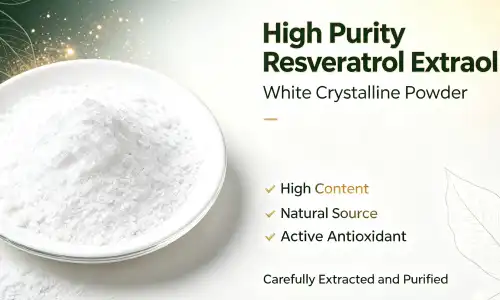
online is easiest when you buy it from a reputable company that has advanced bio-fermentation technology and all the necessary certifications. Some businesses, like Sichuan Uniwell Biotechnology, are experts at making ≥98% trans-resveratrol through yeast fermentation, which gets rid of harmful chemicals like Emodin and PAHs. These sellers keep their FDA, ISO22000, KOSHER, and HALAL certifications up to date. This makes sure that B2B buyers in the nutraceutical, menopause support, and hormonal balance supplement sectors can always count on regular batch quality and regulatory compliance.
Introduction
Finding high-quality Fermented Resveratrol Powder demand has grown incredibly in the nutraceutical industry. This is because more people are learning about supplements for women's health and living longer. There are different kinds of plant products from Japanese Knotweed, but bio-fermented ones are much better at being pure and bioavailable. When companies make menopause support products, hormonal balance formulas, and high-end anti-aging vitamins, the ingredients they use have a direct effect on how well the products work, how safe they are for customers, and how well their brand is known.
This complete guide gives procurement workers the skills they need to easily manage the world's supplier environment. We look at important quality indicators, licensing standards, and buying strategies that are in line with rules in both US and foreign markets. Understanding the differences between resveratrol that comes from fermentation and resveratrol that comes from extraction is important as health trends move toward clean-label, scientifically proven ingredients. Our goal is to give you useful information that will make your buying process easier, lower the risks in the supply chain, and help you make better products with better bioactive ingredients.
Understanding Fermented Resveratrol Powder
What Makes Fermentation Technology Different
Using yeast types like Saccharomyces cerevisiae, Fermented Resveratrol Powder is created through clever metabolic engineering. Through controlled fermentation, this bio-manufacturing process changes glucose into trans-resveratrol, making a bio-identical compound that is very pure (≥98% purity, as shown by HPLC analysis). Solvent extraction methods often produce irregular batches that are tainted with impurities that come from plants. The fermentation way is very different from this.
The change happens in bioreactors that are kept clean, where yeast cells make resveratrol molecules under very close observation. This controlled environment gets rid of the seasonal changes and soil contamination risks that come with getting food from farms. The fine powder that is made is white to off-white and has better physical and chemical qualities than knotweed extracts, which are yellow or brownish in colour. In micronised grades, the particle size distribution usually gets D90 values below 20 microns, which makes breakdown rates and absorption in the gut much better.
Enhanced Bioavailability and Health Benefits
When compared to plant-extracted options, the chemical structure made through fermentation is much more bioavailable. Clinical research shows that bio-fermented trans-resveratrol activates pathways for cellular longevity more effectively, which supports heart health through antioxidant mechanisms. The compound can cross biological membranes more easily, which means that smaller doses are needed to keep the therapeutic effect.
Fermented variants are especially liked by end users because they help with metabolism and reduce inflammation. For companies that want to make products for women's health, the emodin-free feature stops stomach problems that are common with regular knotweed extracts. This safety benefit is especially helpful when making products to help women with menopause symptoms, who often have higher levels of sensitivity. Because it doesn't contain Polycyclic Aromatic Hydrocarbons, fermented powder is even better for brands that care about clean label claims and customer trust.
Production Process and Quality Assurance
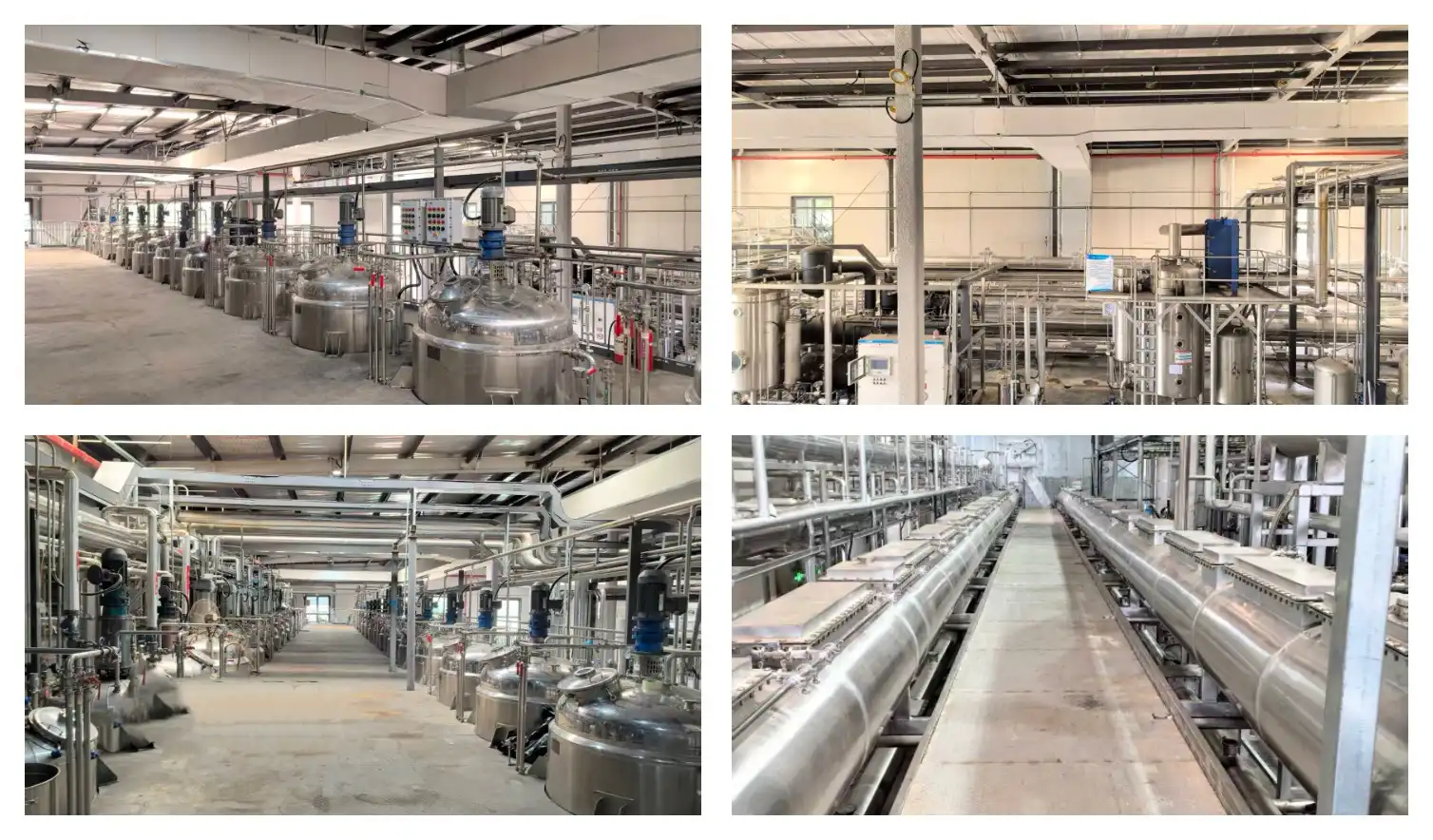
After synthesis, modern fermentation facilities use continuous counter-current extraction technology to get the most yield and purity. The process starts with choosing the strain and getting the culture ready. It then goes through controlled fermentation cycles and ends with chromatographic techniques for cleaning. Each batch of production goes through strict testing procedures, such as HPLC proof, heavy metal screening, and microbial assessment.
Quality control methods include more than just testing the finished product. Monitoring pH levels, temperature changes, and oxygen supply in real time during fermentation makes sure that all production runs are the same. This methodical technique gets rid of batch-to-batch variation, which is a problem that always comes up when farming raw materials are affected by changes in the environment. As a result, the ingredient always meets the exact requirements, which helps makers keep their promises about product stability and following the rules.
Key Factors to Consider When Buying Fermented Resveratrol Powder Online
Essential Quality Certifications and Compliance Standards
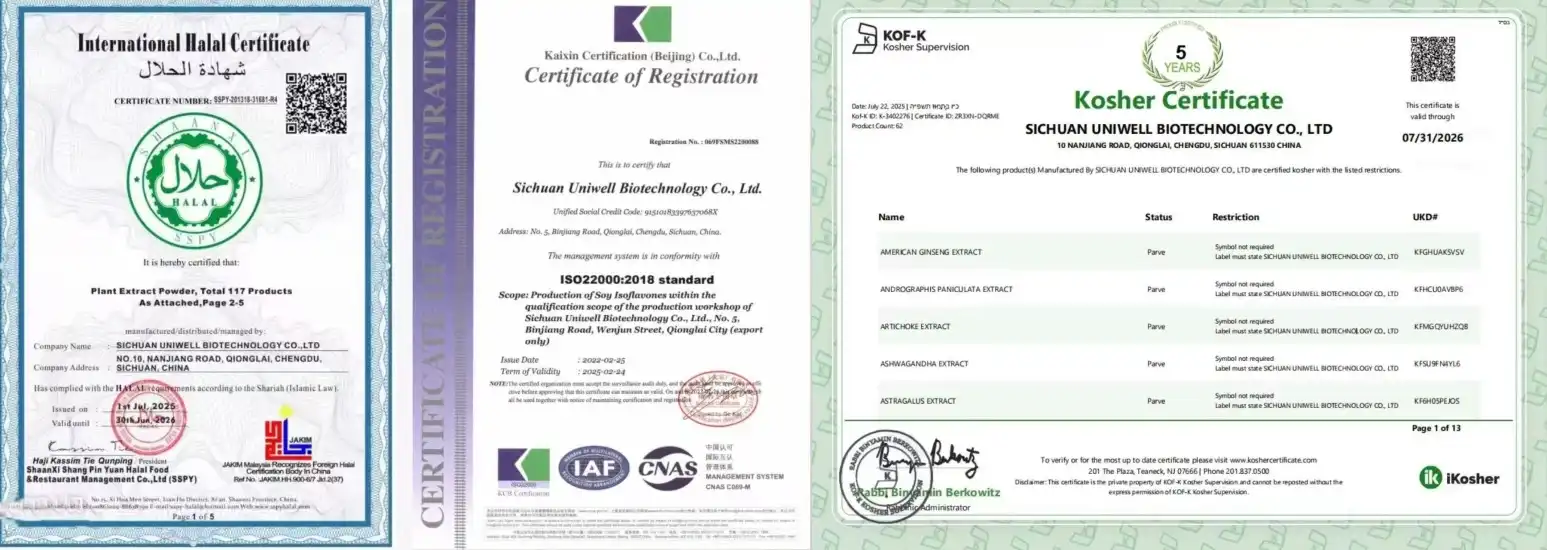
If you choose suppliers with a wide range of certifications, your business will be safer from regulatory problems and poor quality. Registration with the FDA proves that factories follow the rules of Current Good Manufacturing Practice. ISO22000 approval proves that food safety management systems work. With KOSHER and HALAL certifications, brands that cater to certain groups of people or international markets with religious dietary needs can reach more customers.
In addition to basic certifications, make sure that suppliers keep records that support Clean Label initiatives. Ask for Certificates of Analysis that show the amount of trans-resveratrol, the lack of Emodin (usually less than 1ppm or not measurable), and PAH levels below 2ppb. Specifications for heavy metals should prove that total amounts are less than 10ppm. This would solve the problem of contamination that some plant-based sources have. Suppliers who provide Fermented Resveratrol Powder third-party testing reports from approved labs show that they are honest and committed to quality.
Organic certification isn't as common for fermented ingredients, but it can help high-end product lines stand out. GMP compliance makes sure that process controls stop cross-contamination while products are being made, packed, and stored. All of these certificates work together to create a quality assurance system that protects both the safety of end users and the image of your brand.
Comparing Fermented Versus Traditional Extraction Methods
When comparing two things side by side, it's clear that fermentation technology is better. When Polygonum cuspidatum is traditionally extracted, it gives off resveratrol and Emodin, an anthraquinone that, in small amounts, can make you go to the toilet and make your stomach hurt. This substance limits the highest dose that can be given and makes it hard for makers to make medicines for sensitive groups.
With fermented varieties, this worry goes away completely, allowing for stronger versions that don't have any bad effects. The bio-fermented material looks like white powder, which keeps finished products from changing colour. This is especially important for nutricosmetic uses where colour stability affects how people see the product. It is common for plant extracts to add yellow or brown tones that move into capsules, tablets, and topical creams over time.
Dosage Guidance and Safety Profiles
Fermented resveratrol supplements that aim to make people live longer and improve heart health usually come in doses of 150 mg to 500 mg per day. Studies in humans show that bioavailability makes it possible for smaller doses to have beneficial effects compared to plant extracts. For business-to-business buyers, this means better cost-effectiveness and customer value offers when making finished goods.
Safety traits show that they are well tolerated by a wide range of people. Since Emodin isn't present, stomach problems are less likely to happen, and purity levels above 98% keep you from being exposed to unknown compounds that are in crude extracts. To back up label claims, suppliers should give toxicology data and allergen statements. The soft digestive profile is especially helpful for companies making goods to help with menopause or keep hormones in balance, since the people they want to sell to often already have digestion issues.
Top Trusted Suppliers and Brands for Fermented Resveratrol Powder
Identifying Credible Manufacturers in Global Markets
There are dedicated biotechnology companies that only make bio-manufactured ingredients and specialised plant extract companies that can also process ingredients. Sichuan Uniwell Biotechnology is a great example of a high-tech business because it has over ten years of production experience and modern facilities that can handle large-scale fermentation. Their strategic stockpile of more than 100 metric tonnes lets them quickly fill orders; standard specs usually mean shipping within three business days.
Suppliers who are trustworthy talk openly about how they make things, where they get their materials, and how they check the quality of their work. They keep strong records that allow them to track products from the fermentation batch all the way through to final packaging. Geographical factors affect the choice of provider. Asian makers can often offer reasonable prices because they have already set up the infrastructure for Fermented Resveratrol Powder, while European and North American sources may be closer to some markets, making them more convenient.
Certification Verification and Authenticity Assessment
Requesting full certification packages before signing purchase deals is the first step in the authentication process. Suppliers that are trustworthy will gladly give you copies of their FDA licenses, ISO certifications, and building inspection reports. Check certificate numbers with the organisations that issued them to make sure they are still good and up to date. Some certifications need to be renewed every year, so make sure that the times on the paperwork are up to date.
Testing a product in a separate lab is the best way to make sure it works. Ask for samples with Certificates of Analysis, and then have them tested by third-party labs that are recognised as being reliable. The HPLC test should make sure that the amount of trans-resveratrol in the sample matches what was claimed, and the targeted screening should find Emodin and PAH contamination. This investment guards against low-quality materials that hurt the quality of the product and the integrity of the company.
Organic and Specialty Product Options
Fermentation is not the same as farming, but some sellers offer fermented products that are certified organic and made with organic glucose substrates and processing aids that are compatible. These speciality grades cost more, but they cater to niche markets that need organic certification for all ingredients. Check to see if the people you want to buy from you value organic certification enough to justify the extra costs.
There are also speciality options like micronised grades that dissolve better and can be used for direct compression tableting or beverage applications. Some companies make custom particle size distributions that work best with certain delivery formats. It is true that liposome and nanoemulsion preparations make liquid products more water-soluble, but they also make the unit costs a lot higher. Check to see if the technology benefits fit with your goals for product growth and your plan for setting prices.
How to Purchase Fermented Resveratrol Powder Online for B2B
Step-by-Step Procurement Framework
To successfully buy in bulk, you must first be clear about your exact needs, such as the level of purity you want, the particle size you prefer, and any certifications you require. Make detailed requests for quotes that include expected numbers, delivery dates, and quality paperwork. Before starting to talk about prices, the first thing you should do when working with a provider is ask for samples of the product, technical data sheets, and safety paperwork.
Sample evaluation lets you see for yourself how the powder looks, what its particle properties are, and how it dissolves in a way that meets your formulation needs. Do some preliminary tests to see how well the ingredient will work with other ingredients in the formula to find any possible interactions. During this phase of the evaluation, make sure that the supplier is responsive and can provide technical support. This is because working together requires good communication channels.
Once the sample has been approved, you should talk about pricing structures while taking into account commitments to buy in bulk, payment terms, and possible long-term supply agreements. Larger minimum order amounts usually mean better unit prices, but you need to weigh the cost saves against the costs of keeping goods and the need for working capital. Make it clear how long it will take from placing an order to receiving it, taking into account production schedules and the time it takes to ship Fermented Resveratrol Powder internationally. Set clear quality standards and acceptance factors that will let you know when packages meet your contractual responsibilities.
Digital Platforms and Direct Supplier Channels
More and more, business-to-business procurement uses specialised online platforms to connect buyers of ingredients with verified suppliers. These marketplaces make it easier to find what you're looking for, but dealing directly with makers usually gets you better prices and more customisation choices. Websites for businesses that offer detailed product information, downloads for certifications, and direct inquiry forms show that they are professional businesses that are ready to do business internationally.
Email is still the most common way for businesses to talk to each other, and info@uniwellbio.com is a common way for companies like Sichuan Uniwell Biotechnology to get in touch. Videoconferencing makes it possible to do video tours of facilities and expert talks, which is especially helpful when distance makes it impossible to visit in person. International purchasing is easier when suppliers have help teams that speak more than one language.
Logistics and Certification Compliance
Smooth international logistics require coordination between suppliers, freight forwarders, and customs brokers to ensure complete documentation, including commercial invoices, packing lists, certificates of origin, and health certificates for clearance. Compliance with destination-specific regulations (especially US and EU) is essential. Fermented resveratrol is typically packed in food-grade polyethylene bags within fiber drums, protected by inert gas or desiccants to control moisture. Proper labeling with lot numbers and expiry dates ensures traceability and inventory control.
Making an Informed Decision: Choosing the Right Fermented Resveratrol Powder Supplier
Balancing Price with Quality Assurance
Procurement should balance cost with quality assurance, as overly low prices may indicate weak raw materials, inadequate testing, or poor manufacturing controls. Transparent quotations detailing materials, testing, packaging, and logistics enable fair supplier comparison. Volume commitments (6–12 months) can secure better pricing and stable supply, while flexible payment terms support cash flow. Strong QA systems, rigorous testing, and open communication help prevent recalls and regulatory risks, ensuring long-term supply reliability for fermented resveratrol.
Delivery Lead Times and Supply Chain Dependability
Reliable delivery directly impacts production planning and customer commitments. Stocked standard orders can ship quickly, with Uniwell averaging around three business days, while custom specifications require longer lead times for production scheduling and quality control. MOQ levels typically range from 25–100 kg for mid-sized buyers, with bulk purchasers benefiting from lower unit costs. Buyers should confirm whether MOQs apply per SKU or across combined product orders when managing diversified procurement.
OEM Customization and Private Labeling Capabilities
Strategic suppliers provide ODM/OEM services that go beyond ingredient supply, including custom formulation development, packaging design, and regulatory documentation support for US, EU, and other markets. Customization may involve particle size adjustment, tailored resveratrol blends, or advanced encapsulation technologies to improve stability and delivery performance. Private labeling enables smaller brands to launch products without heavy manufacturing investment, while flexible production and low MOQ support diverse business needs and market entry strategies.
Conclusion
To find high-quality Fermented Resveratrol Powder, you need to carefully look at the credentials of the supplier, the product specifications, and the supplier's ability to meet your business goals. Bio-fermentation technology is more pure, safer, and consistent than traditional plant extraction. This puts your products in a better position to succeed in markets that are already very competitive. Long-term relationships are built by giving priority to providers with thorough certifications, clear quality systems, and a history of reliability. As the need for clean-label supplements for women's health and longer life continues to grow, smart ingredient sources becomes more important for brand differentiation and building trust with customers. By following the steps in this guide, buying professionals will be able to confidently find high-quality material that will help them come up with new products and grow the market.
FAQ
1.What are typical lead times for bulk fermented resveratrol orders?
Standard things from well-known sellers usually ship three to five business days after an order is confirmed. Lead times may go up to two to four weeks if the specifications are very specific and require special production runs. This depends on the supplier's ability and the testing needs. International shipping can take an extra one to three weeks, based on where the package is going and what goods method is chosen. Suppliers like Sichuan Uniwell Biotechnology that keep strategic inventory can quickly meet standard requirements.
2.How can I authenticate product potency before purchase?
Ask for samples that come with Certificates of Analysis that show the trans-resveratrol content from HPLC tests. Independent third-party lab tests should be done to confirm the claimed specifications. Suppliers with a good reputation will welcome verification testing and give you enough samples for a full evaluation. Check the testing methods to make sure they are in line with USP or EP monograph guidelines, if relevant.
3.What certifications are essential for importing into the USA?
Registration of manufacturing sites with the FDA is the minimum level of compliance for ingredient providers. Following the rules is easier when you have ISO22000 food safety certification and GMP compliance documentation. NDI notifications or figuring out the GRAS status may be needed depending on the final use of the product. Suppliers should give papers that say the product meets the standards for food-grade products and include the right paperwork to help with customs clearing.
Connect with UNIWELL: Your Trusted Fermented Resveratrol Powder Supplier
With premium bio-Fermented Resveratrol Powder made to the highest industry standards, UNIWELL is ready to assist you in finding the ingredients you require. Our advanced fermentation technology gives you ≥98% trans-resveratrol in the form of a pure white powder that is free of any Emodin or PAH contamination. With FDA, ISO22000, KOSHER, and HALAL certifications, we meet the highest quality standards for women's health vitamins, formulations that help with menopause, and high-end nutritional uses.
Our strategic inventory of more than 100 metric tonnes and average shipping time of three business days keep your production schedules on track. Our technical team is here to help you with everything from your first question to the development of your new products, whether you need to buy in bulk or have ODM/OEM solutions made to fit the needs of a specific market. Email our ingredient experts at info@uniwellbio.com to get samples, technical information, or to talk about your unique formulation needs with a provider who cares about your success.
References
1. Baur, J.A., and Sinclair, D.A. (2006). "Therapeutic potential of resveratrol: the in vivo evidence." Nature Reviews Drug Discovery, 5(6), 493-506.
2. Gambini, J., Inglés, m., Olaso, G., et al. (2015). "Properties of Resveratrol: In Vitro and In Vivo Studies about Metabolism, Bioavailability, and Biological Effects in Animal Models and Humans." Oxidative Medicine and Cellular Longevity, 2015, Article ID 837042.
3. Ko, J.H., Sethi, G., Um, J.Y., et al. (2017). "The Role of Resveratrol in Cancer Therapy." International Journal of Molecular Sciences, 18(12), 2589.
4. Nunes, S., Danesi, F., Del Rio, D., and Silva, P. (2018). "Resveratrol and inflammatory bowel disease: the evidence so far." Nutrition Research Reviews, 31(1), 85-97.
5. Ramirez-Garza, S.L., Laveriano-Santos, E.P., Marhuenda-Muñoz, M., et al. (2018). "Health Effects of Resveratrol: Results from Human Intervention Trials." Nutrients, 10(12), 1892.
6. Sergides, C., Chirila, M., Silvestro, L., et al. (2016). "Bioavailability and safety study of resveratrol 500 mg tablets in healthy male and female volunteers." Experimental and Therapeutic Medicine, 11(1), 164-170.
Have a project in mind? Share your requirements — we’ll turn your ideas into reliable products.