- English
- French
- German
- Portuguese
- Spanish
- Russian
- Japanese
- Korean
- Arabic
- Greek
- German
- Turkish
- Italian
- Danish
- Romanian
- Indonesian
- Czech
- Afrikaans
- Swedish
- Polish
- Basque
- Catalan
- Esperanto
- Hindi
- Lao
- Albanian
- Amharic
- Armenian
- Azerbaijani
- Belarusian
- Bengali
- Bosnian
- Bulgarian
- Cebuano
- Chichewa
- Corsican
- Croatian
- Dutch
- Estonian
- Filipino
- Finnish
- Frisian
- Galician
- Georgian
- Gujarati
- Haitian
- Hausa
- Hawaiian
- Hebrew
- Hmong
- Hungarian
- Icelandic
- Igbo
- Javanese
- Kannada
- Kazakh
- Khmer
- Kurdish
- Kyrgyz
- Latin
- Latvian
- Lithuanian
- Luxembou..
- Macedonian
- Malagasy
- Malay
- Malayalam
- Maltese
- Maori
- Marathi
- Mongolian
- Burmese
- Nepali
- Norwegian
- Pashto
- Persian
- Punjabi
- Serbian
- Sesotho
- Sinhala
- Slovak
- Slovenian
- Somali
- Samoan
- Scots Gaelic
- Shona
- Sindhi
- Sundanese
- Swahili
- Tajik
- Tamil
- Telugu
- Thai
- Ukrainian
- Urdu
- Uzbek
- Vietnamese
- Welsh
- Xhosa
- Yiddish
- Yoruba
- Zulu
Does ginseng root extract help with cognitive function?
Does ginseng root extract aid with brain function? Yes. This botanical element is largely obtained from Panax ginseng C.A. Mey. and includes bioactive chemicals termed ginsenosides that have shown neuroprotective effects in clinical investigations. Research has shown that standardised doses of ginsenosides ranging from 5% to 80% may boost memory recall, mental clarity, and minimise cognitive tiredness. This extract is a clinically verified ingredient for cognitive health formulations targeting mental clarity and brain function based on its mode of action, including neurotransmitter modulation and increased cerebral blood flow.

Introduction
Consumers are more aware of their mental wellbeing as well as their physical health, and this has led to a significant growth in the worldwide market for cognitive health elements. The top spot goes to ginseng root extract, which gives B2B procurement experts an age-old botanical that has the backing of current science. When designing products for women’s health supplement businesses, menopausal support firms, hormonal balancing formula producers, and high-end nutraceutical brands, it is important to have knowledge of the botanical background, active chemical profiles, and quality characteristics of this ingredient.
This mammoth resource answers the most pressing concerns procurement teams want to know: How can ginsenosides help brain function? What are the quality indicators that separate premium extracts from low-grade ones? What certifications would assure compliance in foreign markets? We will address these factors from the perspective of practical application to assist clinical nutrition firms and pharmaceutical formulation experts in making educated sourcing selections that are in alignment with efficacy criteria and market positioning plans.
Understanding Ginseng Root Extract and Cognitive Function
Botanical Origins and Active Compounds
Asian ginseng (Panax ginseng C.A. Mey.) is the most researched type for cognitive uses. It is extracted from roots, which are grown for four to six years to maximise ginsenoside concentration. These triterpenoid saponins, in particular Rg1, Rb1 and Re, are the principal active ingredients that contribute to cognitive improvement. The extracts are standardised to include 5–80% total ginsenosides (determined by high-performance liquid chromatography (HPLC) for accuracy).
American ginseng (Panax quinquefolius) has a distinct ginsenoside profile with greater Rb1 levels and provides relaxing support for cognition rather than excitement. Siberian ginseng (Eleutherococcus senticosus) is not a real Panax species, but it does contain eleutherosides B and E, which act as adaptogens that help with stress-related cognitive loss. This knowledge of the differences allows the formulator to choose the proper kinds to get the desired product results.
Mechanisms of Cognitive Support
Ginsenosides have neuroprotective effects via several mechanisms. They boost the production of acetylcholine, a neurotransmitter needed for the creation and retrieval of memories. Studies in neuropsychopharmacology have shown that ginsenoside Rg1 is beneficial for the neurogenesis of the hippocampus, the part of the brain that controls learning and spatial memory. The anti-inflammatory characteristics diminish neuroinflammation linked with cognitive loss, while the antioxidant activity protects neurones against oxidative stress.
The cerebrovascular advantages also help with cognition. The extract enhances endothelial function and boosts the generation of nitric oxide, extending the capacity of blood vessels and providing more oxygen and nutrients to brain tissue. This vascular support is especially helpful for formulas that address age-related cognitive impairments or hormonal fluctuations that impact mental clarity.
Available Extract Forms and Formats
Botanical extract wholesalers provide a wide range of product forms to suit a variety of formulation requirements. Spray-dried and air-dried powders provide versatility in capsule manufacture, tablet compression, and beverage applications. The fine powder is brownish-yellow to brown in colour and usually has a particle size of 80 to 120 mesh, which makes it flow well in automated filling equipment.
Vegetable glycerine bases are suitable for tincture production and liquid supplement formulations, such as liquid concentrates and standardised extracts. Encapsulated forms are easy for firms looking for turnkey solutions to produce products. Each form has different benefits with regard to bioavailability, shelf stability and consumer acceptance. It is thus important to assess these factors in relation to the particular product needs and target market.
Key Benefits of Ginseng Root Extract for Cognitive Health in B2B Applications
Standardised ginseng root extract provides a range of advantages that address many of the key pain areas in cognitive health product development. Knowing these benefits allows procurement teams to better position ingredients in the competitive market sectors.
Enhanced Mental Energy Without Stimulant Side Effects
Ginsenosides are not like caffeine-based cognitive enhancers that leave you jittery and crashing in energy. Ginsenosides boost mental alertness by optimising metabolism, not by stimulating the adrenal glands, and the effect is lasting. Clinical investigations using standardised extracts (4–7% total ginsenosides) indicate enhanced response speed and maintained concentration on cognitive activities without an increase in heart rate or blood pressure. The chance for this clean energy profile resonates with health-conscious customers looking for substitutes to conventional stimulants, especially in the women’s wellness space, where hormonal sensitivity to caffeine presents market potential.
Its adaptogenic characteristics regulate the hypothalamic-pituitary-adrenal axis, helping the body maintain homeostasis while under stress from mental exertion. Products containing 200- 400 mg standardised extract per serving may legally claim to boost mental stamina and cognitive endurance with human clinical evidence. This evidence-based positioning supports marketing claims and enhances customer confidence in premium formulations.
Immune-Cognitive Connection for Holistic Brain Health
Recent findings indicate a reciprocal association between immunological functioning and cognitive ability. Ginsenosides promote natural killer cell activity and improve antibody response. They provide a systemic resilience that indirectly improves brain health. It is well established that chronic low-grade inflammation affects neurotransmitter function and promotes cognitive ageing. Ginsenoside Rb1 directly targets this route with its anti-inflammatory effects.
Here are the core advantages this immune-cognitive synergy offers for product development:
- Dual-Action Formulations: Products combining cognitive support with immune enhancement appeal to consumers seeking comprehensive wellness solutions, reducing the need for multiple supplement regimens and increasing perceived value.
- Seasonal Relevance: Immune-supporting cognitive products gain traction during fall and winter months when illness concerns peak, extending product relevance beyond traditional nootropic positioning.
- Aging Population Appeal: Older demographics experiencing both immune senescence and cognitive decline represent a growing market segment responsive to ingredients addressing both concerns simultaneously.
These strategic advantages enable brands to differentiate within crowded cognitive health categories while addressing authentic consumer needs documented in market research.
Gender-Specific Cognitive Applications
Hormonal changes have a massive effect on cognitive performance, generating focused possibilities for women’s health supplement businesses and menopausal support product firms. Ginsenosides have moderate phytoestrogenic activity that may ameliorate cognitive consequences of falling oestrogen levels in perimenopause and menopause. Clinical observations have shown gains in mental clarity, verbal memory and processing speed in women throughout menopausal transitions.
The hormonal regulation is by soft touch with oestrogen receptor beta, maintaining neurotransmitter balance without the hazards of hormone replacement treatment. Korean red ginseng extracts may be positioned as a premium product for women's cognitive health throughout hormonal changes to meet an unmet market demand. Having supporting documentation for these gender-specific uses adds credibility with healthcare practitioners who are recommending supplements to individuals managing menopausal symptoms.
Comparing Ginseng Root Extract with Other Cognitive Supplements
Extract Forms: Powder vs. Capsule vs. Liquid
Procurement choices need to take account of the impact of physical form on bioavailability, formulation flexibility and end-user experience. Powder extracts standardised to specified ginsenoside percentages are the most versatile, enabling accurate dose control and inclusion into a wide variety of delivery methods including capsules, pills, sachets and functional drinks. The brownish-yellow to brown fine powder obtained from Panax ginseng root is easily soluble in hot water and is suitable for use in tea and instant beverages.
Pre-encapsulated goods minimise the number of production processes, but are less customisable and often have higher per-unit prices. Liquid ginseng root extract extracts are rapidly absorbed. But they are difficult to store and have a shorter shelf life than properly preserved powders. Brands making premium cognitive health products commonly use spray-dried powders standardised to 40-80% total ginsenosides (HPLC) to balance efficacy, stability and formulation flexibility.
Ginseng Varieties: Asian, American, and Siberian
Asian ginseng (Panax ginseng) has a stimulating cognitive impact, ideal for products that target mental energy, attention and alertness. The ginsenoside profile is skewed towards Rg1, which is related with excitatory neurotransmitter activation. American ginseng has a greater concentration of Rb1, which produces relaxing cognitive support that is beneficial for stress-related mental fatigue and anxiety-associated cognitive impairment. Korean red ginseng undergoes boiling and drying, increasing certain ginsenoside metabolites and bioavailability.
Despite the popular name, Siberian ginseng is not a true ginseng and includes eleutherosides, not ginsenosides. It’s adaptogenic and indirectly enhances cognitive function via stress tolerance and immunological regulation. • Procurement teams should explicitly indicate botanical origins (Panax ginseng C.A. Mey. for Asian ginseng) to assure product uniformity and label claims accuracy. Each of these categories has its own formulation objectives within lines of cognitive health products.
Organic vs. Conventional: Quality and Certification Considerations
Whether organic or conventional affects the raw material cost, regulatory compliance, and brand positioning. Organic certification involves third-party proof that the farming procedures do not include synthetic pesticides or fertilisers, which sometimes increases the cost of raw materials by 30-60%. Pesticide residue testing is important whether organic or not. All European markets need testing for over 400 possible residues according to EC 396/2005.
High-quality conventional extracts that satisfy the criteria of the USP monograph and undergo rigorous quality control may be as good as or better than organic options in purity and safety. The choice should be aligned with what your target market expects and your brand identity. Premium nutraceutical firms that target health-conscious customers tend to invest in organic certification as a way to differentiate themselves. Clinical nutrition companies may put more emphasis on standardisation accuracy and batch consistency than on organic designation. Heavy metal testing (lead <3ppm, arsenic <1ppm, cadmium <1ppm, mercury <0.1ppm using ICP-MS) is required regardless of how it is grown.
Procurement Guide: How to Source High-Quality Ginseng Root Extract for Cognitive Products
Supplier Evaluation and Certification Requirements
You will need to do a lot of research and not just compare prices to find a quality ginseng root extract source. Certification portfolios must have FDA registration, ISO22000 food safety management, and other area-specific certifications like KOSHER and HALAL for goods accessing different worldwide markets. These certifications prove systematic quality management and regulatory understanding that are vital for supply chain integrity.
Authenticating the botanical source and traceability data guards against adulteration, a perennial business problem. Good suppliers will provide a Certificate of Analysis (COA) for each batch of product showing the ginsenoside content by HPLC, microbiological parameters (total plate count less than 1000 CFU/g, no E. coli, Salmonella, or Staphylococcus per USP standards), and heavy metal and pesticide residue testing results. HPLC fingerprinting by suppliers can confirm root vs. leaf origin based on the Re/Rg1 ratio and avoid replacement of less costly aerial portions for root extracts.
Bulk Purchasing Strategies and Quality Assurance
Strategic inventory management involves a tradeoff between the cost-effectiveness of inventory control and the risk of quality deterioration. Suppliers with high stockpiles of raw materials (100+ metric tonnes) show manufacturing capability and can deliver big orders on compressed schedules, usually three business days for standard orders. Wholesale orders may frequently activate discounts, but the procurement staff should make sure the storage conditions maintain the ginsenoside stability.
Even when buying from approved sources, quality assurance processes must involve evaluating incoming raw material. Third-party laboratory verification of ginsenoside content, microbiological limits and contaminant levels eliminates formulation failures and avoids market recalls. Transparent suppliers with whom you develop long-term relationships, and who allow you to examine their facilities and retain samples of each batch, help ensure consistent product quality from one manufacturing run to the next. Protecting formulation integrity by negotiating supply agreements that stipulate allowable ginsenoside variation ranges (generally ±5% from stated specification).
Regulatory Compliance for International Markets
Different global regulatory environments have different criteria for verification of botanical extracts. Under the United States FDA rules, plant extracts are considered dietary ingredients and hence must comply with New Dietary Ingredient notifications if introduced after October 1994, while Panax ginseng has grandfather status. The EU laws on Novel Food apply to substances that have not been eaten in the EU before. Asian ginseng is widely considered to be outside of the scope of these restrictions since it has a recorded history of usage.
Export paperwork varies by country of destination but usually contains phytosanitary certifications, certificates of origin and declarations of regulatory compliance. Suppliers who provide full logistical assistance including air freight, sea freight and land transport co-ordination with appropriate paperwork make the international purchase easier. Finished good testing is required for products entering regulated markets to demonstrate compliance with country-specific heavy metal limitations, microbiological standards and labelling regulations. The risk of non-compliance and the time to market are reduced when you collaborate with suppliers that have expertise in these regulatory environments.
Practical Usage and Dosage Recommendations for Cognitive Benefits
Evidence-Based Dosage Guidelines
Clinical studies demonstrating cognitive advantages generally used 200–400 mg daily of standardised extract with 4–7% total ginsenosides, while higher potency extracts (40–80% ginsenosides) allow for beneficial lower-dose formulations. The bioavailability of ginsenosides is dependent on the individual microbiome makeup, where intestinal bacteria transform the parent chemicals into more easily absorbed metabolites. This unpredictability makes a split daily dosage (morning + afternoon) preferable to a single high dose.
This means that products that are supposed to provide acute cognitive improvement during intellectually demanding activities are effective within 1-4 hours of administration, but chronic advantages that accrue with regular usage take 4-12 weeks of constant supplementation. Formulation techniques should be consistent with the advantages offered and should clearly communicate realistic timeframes for customer expectations. Moderate dosages (200mg standardised extract) in combination with supplementary nootropics such as L-theanine or phosphatidylserine via synergistic processes might boost perceived effectiveness.
Safety Considerations and Contraindications
In clinical investigations, ginseng root extract has been shown to have a favourable safety profile with moderate and uncommon side effects. Digestive upset, sleep problems if taken late in the day, and occasional headaches on first usage are possible adverse effects. These usually resolve with sustained usage or modification of the dose. Product labelling should warn customers of possible sleep disturbance from the moderate stimulating effects, and cognitive formulations should be taken earlier in the day.
Product packaging and marketing materials should clearly state contraindications. Ginsenosides may enhance the effects of anticoagulant drugs. People using anticoagulant medications should contact their healthcare providers before use. Individuals with hormone-sensitive disorders should seek medical advice, since it has modest phytoestrogenic action. People with diabetes should watch their blood sugar while taking ginseng since it may lower glucose levels. Pregnancy and breastfeeding are other cautious categories where insufficient safety data are available. By communicating these restrictions clearly, you may develop customer confidence and lower your liability risk.
Formulation Best Practices for Stability and Efficacy
The stability of ginsenosides may be maximised by controlling the production conditions, selection of the excipient and storage characteristics. Degradation is accelerated by light, heat and moisture; aluminium foil packing with nitrogen flushing prevents oxidative loss. Store at temperatures below 25 °C with relative humidity below 60 % to retain potency during the indicated shelf life ranges.
Synergies of ingredients boost perceived product performance. Asian ginseng, combined with other adaptogenic herbs such as ashwagandha or rhodiola, makes complete stress-response formulas. The B-vitamins and phospholipids work along with the metabolic pathways turned on by ginsenosides, which may help improve clinical results. Do not formulate with compounds that may work against the action of the ginseng, such as high-dose sedatives or minerals that do not work together and may limit absorption. Stability testing under accelerated settings (40°C, 75% relative humidity) should indicate retention of ginsenosides over 90% at expiry date to assure label claim correctness throughout product life.
Conclusion
Ginseng root extract is a scientifically verified and economically feasible substance for cognitive health product development. provide neuroprotection, boosts mental energy without the jittery effects of stimulants, and supports sex-specific cognitive demands during hormonal shifts. Procurement success depends on working with recognised suppliers who offer clear quality documentation, remain compliant with regulations in foreign markets, and ensure batch-to-batch consistency. Understanding the dose ranges, safety issues, and best practices for formulation allows for the creation of successful products that satisfy market needs, while establishing customer confidence via evidence-based claims.
FAQ
1. Is long-term use of ginseng root extract safe for cognitive support?
Clinical studies monitoring ginseng supplementation for periods up to three years report sustained safety profiles with no serious adverse events attributed to the botanical ingredient. Periodic cycling—consuming for eight to twelve weeks followed by a two-week break—represents a conservative approach some practitioners recommend, though continuous use appears well-tolerated in healthy adults. Regular monitoring by healthcare providers benefits individuals with pre-existing medical conditions or those taking prescription medications.
2. How does ginseng compare to ginkgo biloba for cognitive enhancement?
Both botanicals demonstrate cognitive benefits through different mechanisms. Ginkgo biloba primarily improves cerebral blood flow and acts as an antioxidant, while ginsenosides modulate neurotransmitters and provide neuroprotective effects. Some formulations combine both ingredients for complementary action. Ginseng typically shows broader benefits including energy and immune support, whereas ginkgo focuses more specifically on memory and circulation. Product positioning should reflect these distinctions when targeting specific consumer needs.
3. Does ginseng root extract affect blood pressure?
Research shows complex cardiovascular effects varying by dose and individual baseline. Moderate doses (200- 400 mg standardized extract) generally produce neutral or mildly beneficial effects on blood pressure regulation. Individuals with hypertension should consult healthcare providers before use, though well-controlled studies have not documented clinically significant blood pressure elevations. Products should include appropriate labeling advisories for consumers with cardiovascular conditions.
Partner with UNIWELL for Premium Ginseng Root Extract Supplier Solutions
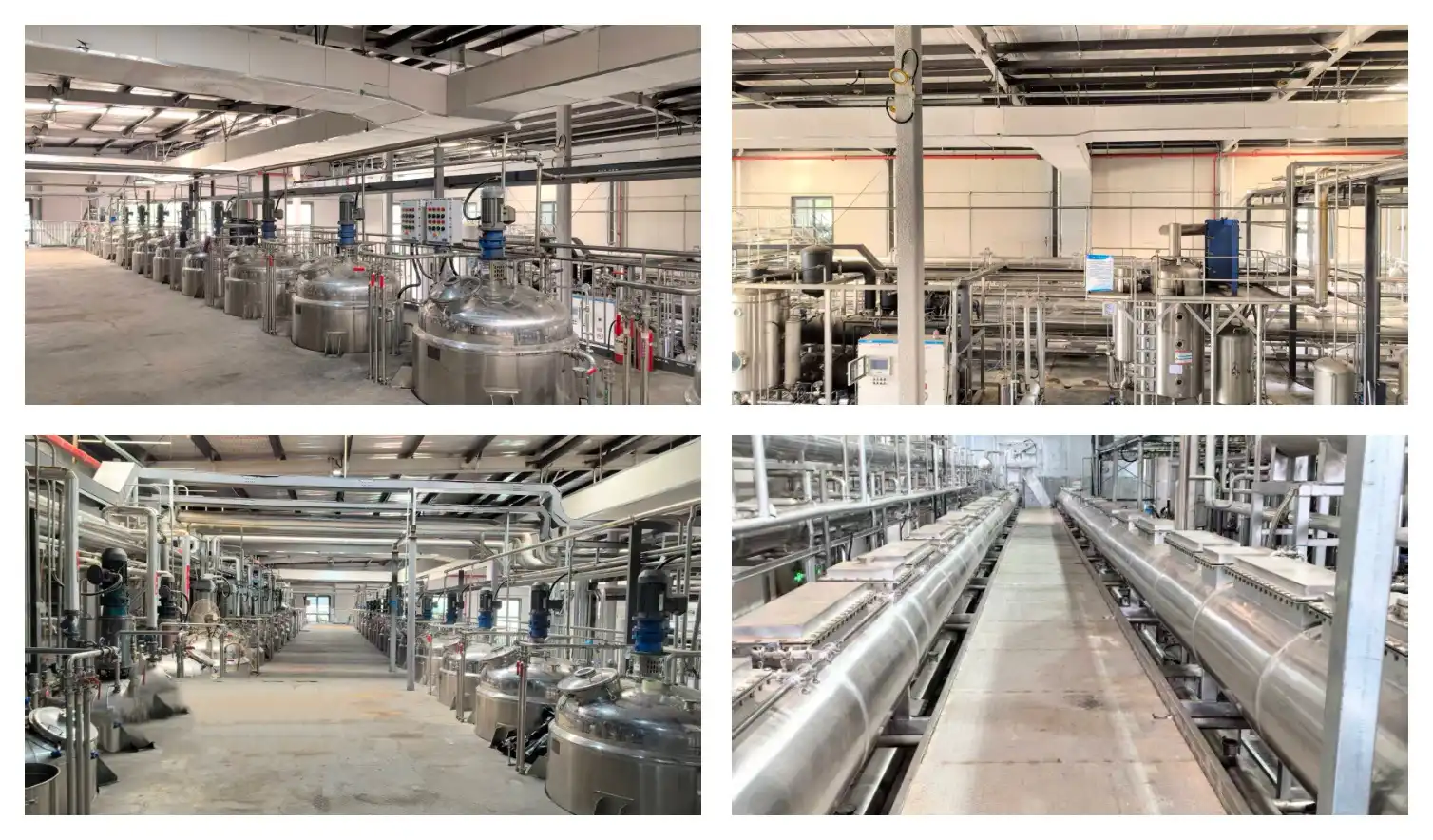
UNIWELL specializes in delivering pharmaceutical-grade botanical extracts that meet the exacting standards of women's health supplement brands, clinical nutrition companies, and hormonal balance formula developers. Our Panax ginseng C.A. Mey. root extract powder standardized to 80% ginsenosides via HPLC represents the pinnacle of quality, backed by FDA registration, ISO22000, KOSHER, and HALAL certifications. With over ten years of production experience and advanced continuous counter-current extraction technology, we guarantee zero batch-to-batch variation and global regulatory compliance. Our strategic inventory exceeds one hundred metric tons, enabling three-business-day shipping for standard orders. Contact our technical team at info@uniwellbio.com to request complimentary samples, comprehensive COA documentation, and competitive pricing for bulk ginseng root extract for sale to elevate your cognitive health product formulations.
References
1. Kennedy, D. O., & Scholey, A. B. (2003). Ginseng: Potential for the enhancement of cognitive performance and mood. Pharmacology Biochemistry and Behavior, 75(3), 687-700.
2. Reay, J. L., Kennedy, D. O., & Scholey, A. B. (2005). Single doses of Panax ginseng reduce blood glucose levels and improve cognitive performance during sustained mental activity. Journal of Psychopharmacology, 19(4), 357-365.
3. Scholey, A., & Kennedy, D. (2002). Acute, dose-dependent cognitive effects of Ginkgo biloba, Panax ginseng and their combination in healthy young volunteers: differential interactions with cognitive demand. Human Psychopharmacology: Clinical and Experimental, 17(1), 35-44.
4. Kim, S., Nah, S. Y., & Rhim, H. (2008). Neuroprotective effects of ginseng saponins against NMDA-induced excitotoxicity in vitro. Journal of Ginseng Research, 32(4), 261-266.
5. Radad, K., Moldzio, R., & Rausch, W. D. (2011). Ginsenosides and their CNS targets. CNS Neuroscience & Therapeutics, 17(6), 761-768.
6. Smith, I., Williamson, E. M., Putnam, S., Farrimond, J., & Whalley, B. J. (2014). Effects and mechanisms of ginseng and ginsenosides on cognition. Nutrition Reviews, 72(5), 319-333.
Have a project in mind? Share your requirements — we’ll turn your ideas into reliable products.