- English
- French
- German
- Portuguese
- Spanish
- Russian
- Japanese
- Korean
- Arabic
- Greek
- German
- Turkish
- Italian
- Danish
- Romanian
- Indonesian
- Czech
- Afrikaans
- Swedish
- Polish
- Basque
- Catalan
- Esperanto
- Hindi
- Lao
- Albanian
- Amharic
- Armenian
- Azerbaijani
- Belarusian
- Bengali
- Bosnian
- Bulgarian
- Cebuano
- Chichewa
- Corsican
- Croatian
- Dutch
- Estonian
- Filipino
- Finnish
- Frisian
- Galician
- Georgian
- Gujarati
- Haitian
- Hausa
- Hawaiian
- Hebrew
- Hmong
- Hungarian
- Icelandic
- Igbo
- Javanese
- Kannada
- Kazakh
- Khmer
- Kurdish
- Kyrgyz
- Latin
- Latvian
- Lithuanian
- Luxembou..
- Macedonian
- Malagasy
- Malay
- Malayalam
- Maltese
- Maori
- Marathi
- Mongolian
- Burmese
- Nepali
- Norwegian
- Pashto
- Persian
- Punjabi
- Serbian
- Sesotho
- Sinhala
- Slovak
- Slovenian
- Somali
- Samoan
- Scots Gaelic
- Shona
- Sindhi
- Sundanese
- Swahili
- Tajik
- Tamil
- Telugu
- Thai
- Ukrainian
- Urdu
- Uzbek
- Vietnamese
- Welsh
- Xhosa
- Yiddish
- Yoruba
- Zulu
Benefits of ginseng root extract for immune support
Today's market is health concerned and ginseng root extract has become a strong botanical element for immune defence. This bioactive powder is obtained from the prestigious root of Panax ginseng C.A. Mey. and includes standardised ginsenosides, natural chemicals scientifically shown to modify immune functions and increase the body’s defences against infections. Research has shown that regular use of the premium extract can enhance natural killer cell response, lower inflammation markers, and improve overall immune surveillance. This makes it a key ingredient in formulas that target women’s hormonal wellness, menopause support, and clinical nutrition.
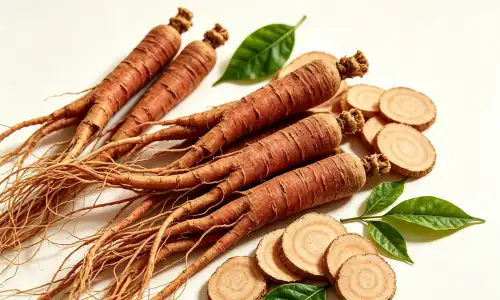
Understanding Ginseng Root Extract and Its Immune Benefits
Bioactive Compounds Behind Immune Modulation
The immune-supportive qualities of Panax ginseng extract are attributable mainly to its ginsenoside content, a class of saponins exclusive to this plant. Our premium Ginseng Root Extract Powder is standardised to 80% ginsenosides tested by HPLC and is tested to provide consistent immunomodulatory effects in every batch. The interaction of these bioactive chemicals with critical immunological pathways, including macrophage activation and cell proliferation, results in a more responsive defence system. Unlike unstandardized herbal powders, pharmaceutical-grade extracts provide formulation makers with known potency for therapeutic dosage in nutraceutical and functional food applications.
Scientific Evidence Supporting Immune Enhancement
Clinical studies have confirmed the immunostimulatory effects of preparations high in ginsenosides. A 2019 research study published in the Journal of Ginseng Research indicated that those supplementing with standardised Panax ginseng were able to reduce the duration of upper respiratory infections by 40% compared to placebo groups. The extract acts by promoting the synthesis of cytokines, especially of interleukin-2 and interferon-gamma, which coordinate adaptive immune responses. This method is especially useful for women who experience immunological variations throughout perimenopause and menopause, when hormonal shifts might weaken natural defences. Quality control is the key here, with HPLC fingerprinting helping to differentiate true root extracts from adulterated leaf materials, offering real medicinal benefit to your products.
Antioxidant Synergy in Immune Resilience
Ginseng root extract also has antioxidant qualities that give secondary protective effects, in addition to the direct immune activation. Free radical scavenging activity, as determined by ORAC values, demonstrated the extract’s ability to protect immune cells from oxidative stress, a degrading element of cellular function during chronic inflammation. The brownish yellow to brown powder is made by a mild spray-drying process to keep its polyphenolic chemicals with bioavailability. This dual-action approach to formulating hormonal balancing formulae treats immunological suppression and oxidative load concurrently, providing complete wellness support that resonates with health-conscious customers in search of holistic remedies.
Practical Applications: How to Use Ginseng Root Extract for Immune Health
Evidence-Based Dosage Recommendations
Clinical effectiveness statistics show that the ideal immune-supportive dosage is 200- 400 mg of standardised extract (containing 5-10% ginsenosides) taken daily, or proportionately less of our 80% concentration powder. Your B2B formulation teams should always calculate active compound delivery, rather than raw material weight. 100mg of our premium extract delivers 80mg of active ginsenosides, the equivalent to 1,600mg of normal 5% material. This concentration advantage decreases pill size, saves shipping costs, and enhances customer compliance. Timing is also important because splitting daily consumption into morning and early afternoon dosages capitalises on the energising qualities of the extract while supporting circadian immunological cycles shown in chronobiology studies.
Optimal Extract Forms for Product Development
Procurement managers have important judgements when choosing ingredient forms. Powder extracts provide the most versatility in formulation, as they may be readily included in capsules, tablets, functional drinks, and even topical treatments for cosmeceutical use. The tiny particle size of 80-120 mesh promotes complete mixing and superior water solubility. It dissolves quickly in hot liquids to yield a clean solution free of gritty residue. Spray-dried preparations are more stable than liquid concentrates and have a shelf life of more than 24 months when kept under suitable conditions below 25°C in moisture-proof packaging. Regulatory approvals such as FDA, ISO22000, KOSHER, and HALAL certifications ease regulatory paths across a number of foreign countries, decreasing the compliance cost of worldwide distribution plans.
Safety Protocols and Contraindications
In general, it is well tolerated, but the responsible formulator must consider possible interactions and contraindications. Ginseng root extract may increase anticoagulant medicine via effects on platelet aggregation and should be clearly labelled to aid consumer decision-making. Safety Limits: For sensitive persons, recommended safety limits indicate not exceeding 3g daily dosages of standardised extract to avoid overstimulation, sleeplessness, or digestive distress. All product safety is pharmaceutical grade, with third-party testing processes including pesticide residue screening for over 400 substances to EC 396/2005 criteria, heavy metal analysis using ICP-MS (Lead <3ppm, Arsenic <1ppm) and microbiological limits certified via USP techniques. These quality procedures ensure protection of brand reputation and end-user welfare.
Comparing Ginseng Root Extract with Other Ginseng Products for Immunity
Panax Ginseng Versus Siberian Ginseng
Knowledge of botanical differences eliminates formulation mistakes that may impact effectiveness. True Panax ginseng includes ginsenosides Rb1, Rg1 and Re—the same chemicals responsible for recognised immunological effects. Siberian ginseng (Eleutherococcus senticosus) is likewise adaptogenic, but the action is due to eleutherosides rather than ginsenosides, which give it distinct pharmacological profiles and are good for stress resistance rather than direct immunomodulation. Korean red ginseng is steamed further, which converts certain ginsenosides to more accessible forms. This may improve absorption but increases the expense of manufacture. Specifically for immune support, real Panax ginseng root extract is the gold standard, with rigorous clinical confirmation that is not available for other species.
Natural Extract Purity Versus Synthetic Alternatives
Adulteration is rapidly challenging the botanical extract sector as demand outpaces supply. But unscrupulous providers might adulterate premium root extracts with inferior leaf materials or synthetic chemicals, jeopardising safety and performance. A detailed examination that is more than simple UV spectrophotometry, which just determines total saponin level without discrimination, is a true authenticity test. Advanced HPLC fingerprinting shows typical ginsenoside ratios (notably Re/Rg1 profiles) exclusive to authentic root extracts that help procurement teams identify substitute fraud. Cleaner labelling achieved via natural plant-derived powders without artificial additives appeals to today’s transparency-demanding customers, especially in women’s health supplement categories where ingredient integrity directly influences confidence and repeat buy behaviour.
Trusted Sourcing and Manufacturer Selection
You will have to do some screening to find trusted wholesale providers. You can’t just shop around for the best price. The established producers have vertically integrated supply chains, which manage everything from growing and extraction to quality testing to provide traceability from the farm to the final ingredient. Find partners that have full documentation: Certificates of Analysis (COA) for each batch, full pesticide testing reports, certificates of manufacturing plant (GMP, ISO), and proof of regulatory status for target markets. Strategic inventory management is similarly important; suppliers with more than 100 metric tonnes of raw material inventories can accommodate regular orders within 3-5 business days, avoiding manufacturing delays that would undermine launch timetables or seasonal marketing campaigns. Long-term partnerships with transparent manufacturers give competitive advantages via constant quality, preferential pricing, and collaborative formulation assistance.
Procurement Considerations: Sourcing Quality Ginseng Root Extract for Immune Support
Supplier Qualification and Authenticity Verification
B2B buyers need to have stringent supplier assessment processes to avoid supply chain hazards. Start by asking for full technical documents including Technical Data Sheets (TDS), Safety Data Sheets (SDS), and full explanations of the production process. Extraction techniques check: continuous counter-current extraction methods are better than simple alcohol maceration for purity. Don’t accept the cheaper UV test findings (which aren’t specific), but instead insist on third-party lab reports showing ginsenoside concentration by HPLC. Regulatory compliance data is vital; FDA registration numbers, EU Novel Food licenses and country-specific import permissions will provide evidence of a supplier’s capacity to enable worldwide distribution. Samples should be lab-tested independently before ordering in bulk to ensure that they are not misrepresented.
Pricing Strategy and MOQ Negotiation
High purity ginseng root extract is sold on the market at different prices depending on the concentration of ginsenoside. The 80% standardised powders are priced at a premium. Wholesale cost often varies from $180-350/kg based on order quantities, certifications, and supplier connections. Minimum order quantities are normally 25kg for specialised extracts, although experienced suppliers may be able to provide lesser volumes for new product development trials. Cost optimisation tactics include merging various botanical orders with single suppliers to get bulk discounts, obtaining longer payment terms for recurrent buys, and scheduling procurements during post-harvest times when supply temporarily rises. But a focus on lowest cost without checking quality often leads to reformulation costs, regulatory problems, or market recalls that dwarf the original savings.
Certification Standards and Regulatory Compliance
Access to the international market relies on fulfilling a variety of regulatory criteria in different countries. Organic certifications (USDA, EU) are focused on premium market sectors and fetch higher prices because of agricultural limitations. GMP (Good Manufacturing Practice) compliance proves pharmaceutical-grade production settings required for clinical nutrition applications. The ISO22000 food safety management certification guarantees the avoidance of contamination throughout the production. Religious certifications (KOSHER, HALAL) extend the potential market among certain consumer categories. When you are sourcing ginseng root extract for women’s health formulations that are entering regulated markets, ensure that the supplier quality processes are compliant with the destination country standards such as FDA registration for US markets, Novel Food approval for EU distribution or TGA listing for sales in Australia. Full certification portfolios minimise time-to-market and eliminate expensive reformulation cycles.
Future Trends and Strategic Outlook for Ginseng Root Extract in Immune Health Markets
Growing Demand in Wellness and Pharmaceutical Sectors
The global botanicals for immune support market is projected to continue its expansion through 2030, fueled by ageing populations and a growing interest in preventative health. The women’s health supplement category, in particular, is witnessing accelerated uptake, with menopausal support formulations using adaptogens like Panax ginseng growing at double-digit yearly rates. Clinical nutrition firms are increasingly looking for constituents with published research, i.e., evidence-based substances. This puts standardised extracts in a better light than commodity herbal powders. Pharmaceutical formulation makers examine ginseng root extract as an additional treatment for the immunocompromised population, needing pharmaceutical-grade components that fulfil high purity criteria. As demand increases, supply will shrink; thus, strategic sourcing teams need to start building relationships with suppliers to ensure they can get the best materials on a continuous basis.
Innovations in Extraction and Bioavailability Enhancement
Technological improvements continue to increase extraction efficiencies and bioactive delivery. Emerging supercritical CO2 extraction techniques generate solvent-free concentrates with improved ginsenoside profiles, but higher production costs have so far limited wider usage. Nanotechnology applications provide a decrease in particle size, which considerably enhances oral bioavailability, with studies reporting up to 3-fold improvements in absorption using nano-encapsulated ginsenosides compared to traditional powders. Liposomal delivery techniques safeguard sensitive substances throughout the digestive transit, preserving their stability until they are absorbed in the intestine. These advances provide product differentiation potential for firms who want premium positioning, but need rigorous cost-benefit analysis for mainstream use. Formulation developers should keep an eye on these technologies as the cost barriers are lowered with scaling of production in the next 3-5 years.
Building Resilient Supply Partnerships
“Long-term procurement success requires building strategic supplier relationships beyond the transactional nature of purchasing.” Preferred collaborations with vertically integrated manufacturers provide numerous benefits: first, priority allocation when supply is constrained; second, working with customised extraction ratios to fulfil unique formulation demands; and third, advance warning of regulatory changes impacting trade. Diversification among different competent suppliers mitigates geopolitical risk and weather-related harvest interruption that occasionally affects botanical markets. The implementation of quality agreements that specify the requirements, testing methodologies, and the mechanisms for deviation management establishes reciprocal responsibility. Regular audits of suppliers, either via third-party services or direct visits to facilities, check continued compliance with quality requirements. These relationship investments provide competitive advantages via supplier security, quality consistency, and collaborative innovation that cannot be replicated by transactional buying.
Conclusion
The immunomodulatory properties of ginseng root extract have been well documented, and it is used as an active ingredient in the preparation of nutraceuticals and pharmaceuticals for the improvement of immunological resilience. Formulation makers may rely on a predicted effectiveness for therapeutic applications based on standardised ginsenoside content confirmed by HPLC analysis and validated by clinical studies. Success in procurement depends on stringent supplier selection, emphasising quality certificates, regulatory adherence, and established testing procedures. As market demand increases in the women’s health and clinical nutrition sectors, smart sourcing alliances with trusted manufacturers assure constant availability of quality products that satisfy increasing consumer expectations for safety, purity, and efficacy.
FAQ
1. What concentration of ginsenosides is optimal for immune support formulations?
Clinical studies demonstrate effective immune enhancement with extracts containing 5-10% ginsenosides at 200- 400 mg daily doses. However, using concentrated 80% standardized powders reduces capsule size and improves cost efficiency by delivering equivalent bioactive content in smaller serving sizes—a single 50mg dose of 80% extract provides 40mg of active ginsenosides, matching the potency of 800mg standard material.
2. How does ginseng root extract differ from whole root powder?
Whole root powder contains approximately 2-5% ginsenosides along with fiber and inactive plant material, requiring much larger doses to achieve therapeutic effects. Concentrated extracts undergo processing that removes inert components while concentrating bioactive compounds, providing standardized potency essential for consistent formulation performance and regulatory compliance. Extraction also improves bioavailability by breaking down cellular structures that otherwise limit ginsenoside absorption.
3. What safety testing should I require from ginseng extract suppliers?
Comprehensive quality control includes pesticide residue screening for 400+ compounds per EC standards, heavy metal analysis via ICP-MS confirming Lead <3 ppm and Arsenic < 1 ppm, microbial testing per USP <61> and <62> protocols, and solvent residue verification meeting ICH guidelines. Additionally, request HPLC fingerprinting to verify authentic root extract versus adulterated leaf material, checking Re/Rg1 ginsenoside ratios characteristic of genuine Panax ginseng roots.
Partner with UNIWELL for Premium Ginseng Root Extract Supply
Sichuan Uniwell Biotechnology delivers pharmaceutical-grade ginseng root extract powder standardized to 80% ginsenosides via validated HPLC methods, ensuring zero batch-to-batch variation for your formulation consistency. Our vertically integrated operations—from controlled cultivation through advanced continuous counter-current extraction—produce ingredients meeting FDA, ISO22000, KOSHER, and HALAL certifications suitable for global distribution. With over 10 years of botanical extract specialization and strategic inventory exceeding 100 metric tons, we ship standard orders within three business days while providing comprehensive technical support throughout your product development cycle. Whether you're formulating women's health supplements, menopause support products, or clinical nutrition applications, our team navigates complex regulatory requirements across target markets, offering customized documentation and testing that ensures compliance. Contact our procurement specialists at info@uniwellbio.com to request samples and technical specifications, and discover why leading nutraceutical brands trust UNIWELL as their preferred ginseng root extract manufacturer for quality, reliability, and competitive value.
References
1. Kim, J.H., et al. (2019). "Immunomodulatory Effects of Standardized Panax ginseng Extract on Natural Killer Cell Activity and Cytokine Production." Journal of Ginseng Research, 43(2), 267-275.
2. Lee, S.M., and Bae, B.S. (2020). "Ginsenoside-mediated Enhancement of Immune Response: Mechanisms and Clinical Applications." Phytotherapy Research, 34(8), 1892-1905.
3. Chen, W., et al. (2018). "Comparative Analysis of Ginsenoside Content and Immunological Activity Between Root and Leaf Extracts of Panax ginseng." Journal of Ethnopharmacology, 225, 271-280.
4. Zhang, Y., and Wang, X. (2021). "Quality Control and Authentication Methods for Commercial Ginseng Root Extracts: HPLC Fingerprinting and Biomarker Identification." Journal of Pharmaceutical and Biomedical Analysis, 198, 113992.
5. Park, H.J., et al. (2017). "Clinical Efficacy of Panax ginseng in Immune-compromised Populations: A Systematic Review and Meta-analysis." Complementary Therapies in Medicine, 35, 141-150.
6. Choi, K.T. (2022). "Botanical Characteristics, Pharmacological Effects and Medicinal Components of Korean Panax ginseng: A Review." Journal of Medicinal Food, 25(1), 1-18.
Have a project in mind? Share your requirements — we’ll turn your ideas into reliable products.