- English
- French
- German
- Portuguese
- Spanish
- Russian
- Japanese
- Korean
- Arabic
- Greek
- German
- Turkish
- Italian
- Danish
- Romanian
- Indonesian
- Czech
- Afrikaans
- Swedish
- Polish
- Basque
- Catalan
- Esperanto
- Hindi
- Lao
- Albanian
- Amharic
- Armenian
- Azerbaijani
- Belarusian
- Bengali
- Bosnian
- Bulgarian
- Cebuano
- Chichewa
- Corsican
- Croatian
- Dutch
- Estonian
- Filipino
- Finnish
- Frisian
- Galician
- Georgian
- Gujarati
- Haitian
- Hausa
- Hawaiian
- Hebrew
- Hmong
- Hungarian
- Icelandic
- Igbo
- Javanese
- Kannada
- Kazakh
- Khmer
- Kurdish
- Kyrgyz
- Latin
- Latvian
- Lithuanian
- Luxembou..
- Macedonian
- Malagasy
- Malay
- Malayalam
- Maltese
- Maori
- Marathi
- Mongolian
- Burmese
- Nepali
- Norwegian
- Pashto
- Persian
- Punjabi
- Serbian
- Sesotho
- Sinhala
- Slovak
- Slovenian
- Somali
- Samoan
- Scots Gaelic
- Shona
- Sindhi
- Sundanese
- Swahili
- Tajik
- Tamil
- Telugu
- Thai
- Ukrainian
- Urdu
- Uzbek
- Vietnamese
- Welsh
- Xhosa
- Yiddish
- Yoruba
- Zulu
The Benefits Of Beetroot Powder
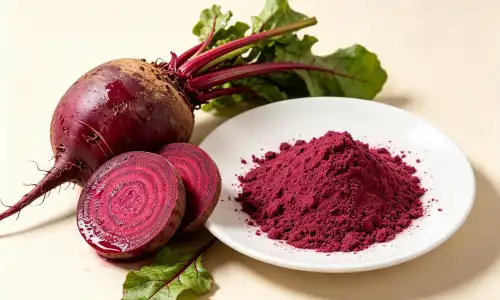
Beet root powder has the benefit of being a concentrated source of nourishment and is more shelf-stable and bioactively dense than raw beetroot. This high-quality red-purple component isolated from Beta vulgaris L. delivers consistent quantities of nitrates, polyphenols and betalains that enhance cardiovascular health, athletic performance and natural food colouring applications. It tackles critical formulation difficulties for supplement companies, nutraceutical developers and functional food producers seeking clean-label solutions, along with consistent batch quality and prolonged shelf life.
Understanding Beetroot Powder: Nutritional Facts and Core Benefits
The expanding body of scientific information supporting the health-promoting effects of these substances has driven the demand for beetroot-derived compounds. Red beetroot extract powder focuses the nutrient profile present in whole beetroot, while removing variability that affects product formulation.
Nutritional Profile and Active Compounds
Beetroot extract includes naturally occurring nitrates, which are metabolised to nitric oxide and cause vasodilation and increased blood flow. Our Pure Beetroot Extract Powder contains polyphenols ≥ 2% and is produced using gentle spray and air drying techniques to safeguard heat-sensitive nutrients. The concentrated format provides a similar amount of bioactives to 500ml beetroot juice in just a few grammes, alleviating bulk problems in capsule/tablet formulations. This standardisation removes the seasonal volatility and erratic potency which is the bane of juice concentrates and raw root preparations.
Cardiovascular Health Support
Clinical studies show that red beetroot dietary nitrates enhance healthy blood pressure levels in adults. These chemicals help improve endothelial function and circulation in the cardiovascular system via the nitric oxide pathway. These advantages are in line with the aims of hormonal balance, which is why product producers focusing on menopausal support and women’s health sectors are well aware of this. Better circulation is important to general wellbeing throughout physiological changes. The powder is concentrated and may be easily and accurately dosed in formulations where the emphasis is on cardiovascular health maintenance.
Athletic Performance and Endurance
More and more sports nutrition firms are including beetroot concentrate into their pre-workout mixes and endurance formulae. Natural Nitrates enhance oxygen transport to the working muscles to enhance stamina and power production during exercise. The athletes get the performance advantages without the gastrointestinal upset that might come with consuming liquid beetroot juice. This makes standardised powder forms excellent for nitrate-loading methods in sports nutrition products, both professional and amateur.
Antioxidant Activity and Weight Management
The pigments responsible for the characteristic colour of beetroot are betalains, which show strong free radical scavenging activity. These substances help to maintain the health of cells and may supplement weight control strategies by providing metabolic assistance. These multifunctional qualities targeting oxidative stress and cardiovascular and metabolic health goals are valued by clinical nutrition firms designing all-in-one wellness formulations.
Versatile Industrial Applications
In addition to nutritional supplements, beet root powder is also used by food and beverage businesses looking for clean-label alternatives to artificial colourants. The extract delivers persistent strawberry-raspberry colour in yoghurts, functional drinks and confectionery goods, avoiding pH-dependent colour changes in complicated food matrices. Cosmetic formulators include beetroot extracts in skin care products for their antioxidant benefits and natural pigmentation, complementing hair and skin health formulas with botanical authenticity that speaks to today’s customers.
How to Use Beetroot Powder Effectively in Product Development
Successful product formulation requires understanding optimal inclusion rates and application-specific considerations that maximize efficacy while maintaining manufacturing efficiency.
Dosage Guidelines Across Application Categories
Dietary supplement formulations typically incorporate 500mg to 3,000mg of standardized beetroot powder per serving, depending on target health claims and delivery format. Sports nutrition products aiming for performance enhancement employ higher dosing ranges of 3,000mg to 6,000mg to achieve clinically relevant nitrate intake. Functional food applications utilize 1-3% inclusion rates for beverages and 2-5% for bars and gummies, balancing bioactive delivery with organoleptic considerations. Cosmetic formulations generally incorporate 0.5-2% in topical preparations, where antioxidant and natural coloring properties enhance product appeal.
Integration Strategies for Different Product Formats
Ready-to-drink beverage developers benefit from our advanced continuous counter-current extraction technology that solves solubility challenges inherent in raw beetroot powder. The refined particle size and improved dispersion characteristics prevent settling and ensure uniform color distribution in functional waters and smoothies. Tablet and capsule manufacturers appreciate the low inclusion rates enabled by concentrated extracts, avoiding texture issues and reducing per-unit production costs. Gummy and chew formulations leverage both the functional benefits and natural coloring properties, creating heart-health confections with clean-label positioning.
Quality Control and Safety Considerations
Manufacturing consistency depends on rigorous quality control protocols throughout the supply chain. Each production batch undergoes comprehensive testing for heavy metals, microbial contamination, and active compound concentration before receiving Certificate of Analysis documentation. Our facility maintains FDA, KOSHER, HALAL, and ISO22000 certifications, ensuring compliance with diverse market requirements. The gentle processing methods preserve bioactivity while eliminating undesirable compounds that could compromise product safety or efficacy. Storage in cool, dry conditions away from light maintains product stability throughout the typical 24-month shelf life, supporting efficient inventory management for manufacturers.
Comparing Beetroot Powder with Other Formats and Competitors
Strategic purchase choices include evaluation of alternative formats and supplier capabilities against particular operating needs and market positioning goals.
Cost, Shelf Life, and Formulation Flexibility: A Side-by-Side Comparison
Beetroot juice is easy to drink straight away, but poses serious logistical issues for B2B purchasers. The perishable nature needs cold chain management, which increases the transportation costs and limits the distribution flexibility. Juice concentrates may help with some of the storage challenges, but they typically have additional sugars or preservatives that go against clean label positioning objectives. Pre-encapsulated goods are convenient for consumers, but limit formulation options and raise per-unit costs for firms who want to build unique product lines. Standardised beet root powder extracts are the most versatile since they enable producers to customise administration methods while controlling the quantity of active ingredients.
Organic vs. Conventional Specifications
Organic beetroot powder is expensive but gives access to natural product channels that need certification to enter the market. Brands that focus on bioactive standardisation, rather than organic certification, might benefit from the cost benefits of conventional extracts when purchase choices are driven by effectiveness claims, such as in sports and clinical nutrition. Both categories need third-party testing techniques to verify levels of pesticide residue, heavy metals and microbiological safety. A procurement team that understands the target market’s preferences and the regulatory context can make the best specification choices that are consistent with brand positioning and margin goals.
Competitive Landscape and Supplier Differentiation
Top vendors distinguish themselves on extraction technique, quality consistency, and supply chain dependability. Some vendors supply standard spray-dried formulations with varying potency and colour characteristics that challenge formulation creation. Premium providers use sophisticated processing techniques to ensure 0% batch-to-batch fluctuation, important for businesses demanding high-quality standards throughout manufacturing cycles. Supplier assessments should include certification portfolios, inventory depth, technical support capabilities, and regulatory knowledge relevant to target markets. For manufacturers that serve numerous foreign markets, having a partner that can provide full paperwork packages and advise on how to navigate region-specific compliance regulations is a great value.
Sourcing Beetroot Powder: Practical Guide for Bulk Procurement
To build solid supplier relationships, it is important to systematically assess supplier capabilities and market conditions that affect the success of long-term partnerships.
Identifying Qualified Suppliers
Global sourcing platforms link customers with manufacturers with various levels of quality and service. Often, better value results from direct partnerships with extraction experts rather than multi-tier distribution intermediaries that add expenses without adding quality of product or technical assistance. Manufacturing certifications, quality management systems, and traceability methods from botanical source to final packaging should be verified during supplier qualification. Site audits or third-party inspection services check the stated capabilities and identify possible risk factors before entering into supplier agreements.
Negotiation Strategies and Pricing Considerations
Generally, volume agreements may enable tiered pricing systems that can enhance profitability for established brands with known demand patterns. The market validation stages benefit from variable minimum order quantities for new product launches, which help to reduce inventory risk. Besides the unit price, other important factors for discussion are the payment terms, shipping responsibility, and quality assurance clauses. Annual supply agreements with quarterly volume predictions provide suppliers with information to help production planning, while providing buyers with pricing stability that protects against raw material volatility. Strategic procurement teams must weigh cost optimisation against security of supply, especially for items with extended regulatory clearance cycles.
Quality Verification and Compliance Documentation
Strict inbound inspection procedures safeguard firms against expensive production delays due to poor raw materials. Review of Certificate of Analysis should validate active compound quantities, contaminant levels, and identity testing findings prior to release of materials for production usage. Retention samples are used for after-launch testing should problems emerge about product performance. Companies that provide specialised testing services and regulatory advice for target markets simplify compliance processes, especially for firms entering new geographic areas with unfamiliar ingredient laws. Documentation packages for innovative food approvals, FDA GRAS findings, or particular country registrations are value-added services that justify supplier relationships above commodity price concerns.
Case Study Applications Across Industries
A leading sports nutrition company has revamped its pre-workout range using standardised beetroot extract, which guarantees a consistent nitrate dose, supporting performance claims in worldwide markets. Concentrated extract was shown to be more effective in flavour masking with 40% less serving size than juice powder to increase consumer compliance. In one example, a cosmetics producer substituted synthetic red colourants with beetroot extract in their natural skincare collection, gaining clean-label positioning that appealed to ecologically aware customers. The stable pigment profile showed consistent colour throughout pH ranges for face serums and hair care products. A beverage company exploited the cardiovascular advantages and natural colouring of beet root powder to create a line of heart-health drinks and secure retail distribution in natural product channels where organic certification and ingredient transparency influenced buying choices.
Future Trends and Innovations in Beetroot Powder Usage
Market evolution is driven by consumer health objectives and processing technology developments, offering opportunity for forward-thinking ingredient purchasers and product creators.
Emerging Application Categories
More and more energy supplement formulas are combining beetroots with adaptogenic herbs and other performance botanicals to create synergistic blends for a wide range of health goals. Natural cosmetics firms are exploring the antioxidant activity of beetroot in anti-aging formulations that leverage the customer desire for known botanical ingredients. Red beetroot extracts are finding their way into protein bars, morning cereals and savoury snacks, broadening the use of beetroot beyond the conventional beverage and supplement sectors, according to functional food producers. The increasing convergence of beauty-from-within supplements and topical cosmetics opens the door for unified product lines that capitalise on beetroot’s multifunctional characteristics for internal and exterior wellness solutions.
Progress in Processing Technology
Continuous counter-current extraction techniques provide a major step forward from the old batch procedure, providing a greater rate of bioactive recovery and better uniformity. Low moisture levels are achieved for long shelf life, and gentle drying processes allow the preservation of heat-sensitive chemicals. Encapsulation methods that preserve the nitrates from early degradation allow time-release formulations and increase stability in difficult product matrices. These processing advances tackle the quality consistency difficulties that have traditionally hampered the use of beetroot powder in tightly regulated pharmaceutical and clinical nutrition applications and open formulation possibilities.
Strategic Recommendations for Procurement Teams
Proactive ingredient buyers are seeking developing research that supports new health claims and application categories that might lead to surges in demand in the future. “Companies that partner with leaders in extraction technology can leverage next-generation specifications for improved bioavailability or functional properties.” Strategic inventory buffer maintenance guards against supply interruptions and allows for fast reaction to market opportunities or competition threats. Supplier partnerships providing formulation help and market information may give competitive advantages in quickly changing sectors where the pace of innovation is the key to market leadership. When companies have multiple regional markets, they benefit from suppliers with multi-certification capabilities and regulatory experience to assist effective worldwide product launches.
Conclusion
Beet root powder is a multi-purpose ingredient with scientifically proven benefits suitable for many formulation aims in the areas of nutritional supplements, functional meals, sports nutrition and natural cosmetics. The concentrated format gives standardised bioactive substances to promote cardiovascular health, athletic performance and antioxidant protection, while also providing clean-label colouring solutions. Good buying means examining supplier skills in areas such as extraction technology, quality consistency, certification portfolios and technical support services. With the market trends favouring botanical ingredients and holistic wellness formulations, beetroot extract is set to rise further in a range of application categories, benefiting brands who are ahead of the curve and have trustworthy supply relationships with manufacturers that are quality-centric.
FAQ
1. What are the primary health benefits of beetroot powder in supplement formulations?
Beetroot powder provides cardiovascular support through naturally occurring nitrates that convert to nitric oxide, promoting healthy blood pressure levels and improved circulation. Athletic performance enhancement results from increased oxygen delivery to muscles during exercise. Antioxidant betalains support cellular health and metabolic function, making red beet extract valuable for comprehensive wellness formulations targeting women's health, menopause support, and hormonal balance applications.
2. How does standardized beetroot extract powder differ from regular beetroot powder?
Standardized extracts employ advanced continuous counter-current extraction to concentrate bioactive compounds while eliminating natural variability in nutrient profiles. This delivers consistent polyphenol and nitrate levels across production batches, solving formulation challenges related to potency and solubility. Regular beetroot powder maintains the complete plant matrix but presents variable active compound concentrations and dissolution characteristics that complicate Ready-to-Drink applications and precise dosing requirements.
3. What quality certifications should B2B buyers prioritize when sourcing beetroot powder?
FDA registration, ISO22000 food safety management, KOSHER, and HALAL certifications demonstrate comprehensive quality systems and market access capabilities. Organic certification opens natural product retail channels for brands prioritizing this positioning. Third-party testing verification for heavy metals, pesticide residues, and microbial contamination provides additional quality assurance. Suppliers offering complete documentation packages supporting specific market requirements streamline regulatory compliance workflows.
Partner with UNIWELL for Premium Beetroot Extract Solutions
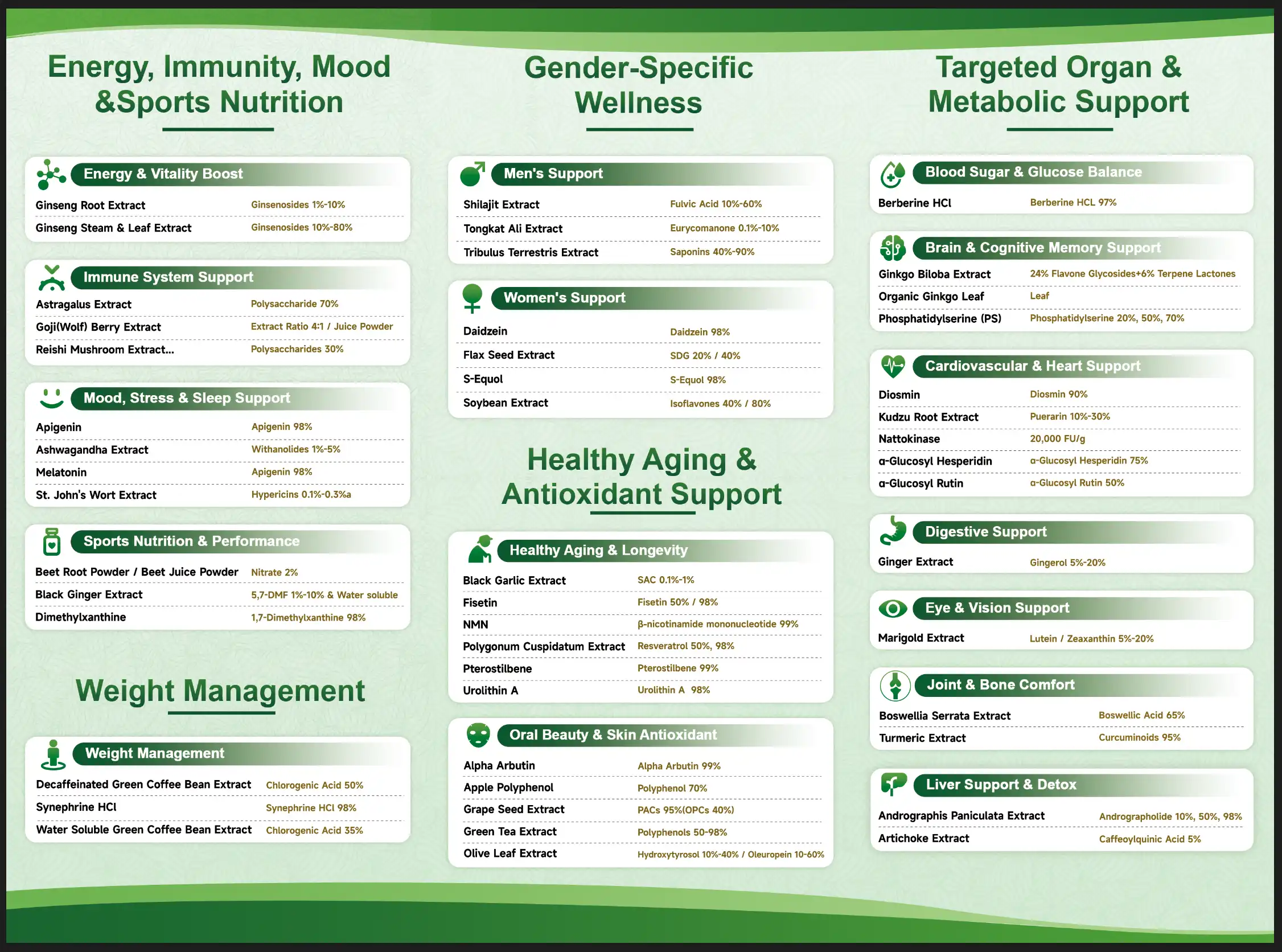
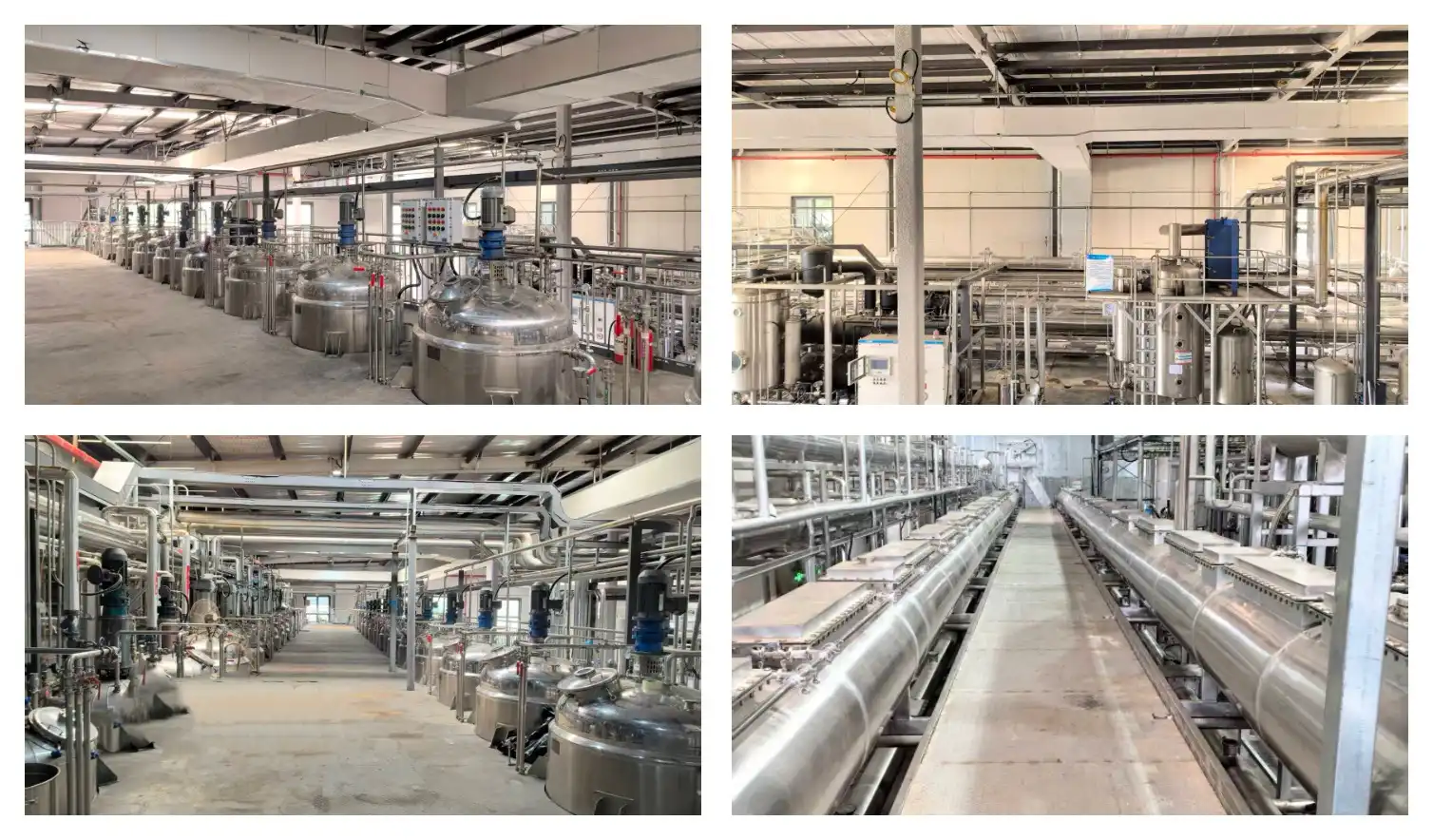
UNIWELL Biotechnology specializes in manufacturing superior-quality beet root powder backed by over ten years of botanical extraction expertise. Our Pure Beetroot Extract Powder, derived from Beta vulgaris L. root, delivers standardized polyphenol levels ≥ 2% through advanced continuous counter-current extraction technology that ensures zero batch-to-batch variation. We maintain strategic raw material inventory exceeding one hundred metric tons, enabling standard order shipment within three business days on average. Our dedicated team provides comprehensive ODM/OEM services, navigating USP/EP, FDA, and Novel Food regulatory landscapes to deliver market-ready solutions tailored to your specifications. Each batch includes Certificate of Analysis documentation verifying compliance with European and American quality standards. Whether you require beet root powder for sale in bulk quantities or customized formulations for specialized applications, our facility holds FDA, KOSHER, HALAL, and ISO22000 certifications supporting global market compliance. Contact our supply chain specialists at info@uniwellbio.com to discuss your project requirements and receive product samples with technical data sheets. As a trusted beetroot powder supplier, we deliver the quality consistency, regulatory expertise, and responsive service your brand demands.
References
1. Clifford, T., Howatson, G., West, D.J., & Stevenson, E.J. (2015). The potential benefits of red beetroot supplementation in health and disease. Nutrients, 7(4), 2801-2822.
2. Domínguez, R., Cuenca, E., Maté-Muñoz, J.L., García-Fernández, P., Serra-Paya, N., Estevan, M.C., Herreros, P.V., & Garnacho-Castaño, M.V. (2017). Effects of beetroot juice supplementation on cardiorespiratory endurance in athletes: A systematic review. Nutrients, 9(1), 43.
3. Lundberg, J.O., Weitzberg, E., & Gladwin, M.T. (2008). The nitrate-nitrite-nitric oxide pathway in physiology and therapeutics. Nature Reviews Drug Discovery, 7(2), 156-167.
4. Velmurugan, S., Gan, J.M., Rathod, K.S., Khambata, R.S., Ghosh, S.M., Hartley, A., Van Eijl, S., Sagi-Kiss, V., Chowdhury, T.A., Curtis, M., Kuhnle, G.G., Wade, W.G., & Ahluwalia, A. (2016). Dietary nitrate improves vascular function in patients with hypercholesterolemia: a randomized, double-blind, placebo-controlled study. American Journal of Clinical Nutrition, 103(1), 25-38.
5. Wootton-Beard, P.C., & Ryan, L. (2011). A beetroot juice shot is a significant and convenient source of bioaccessible antioxidants. Journal of Functional Foods, 3(4), 329-334.
6. Wruss, J., Waldschitz, D., Huemer, S., Uygun, P., Lanzerstorfer, P., Müller, U., Höglinger, O., & Weghuber, J. (2015). Compositional characteristics of commercial beetroot products and beetroot juice prepared from seven beetroot varieties grown in Upper Austria. Journal of Food Composition and Analysis, 42, 46-55.
Have a project in mind? Share your requirements — we’ll turn your ideas into reliable products.