- English
- French
- German
- Portuguese
- Spanish
- Russian
- Japanese
- Korean
- Arabic
- Greek
- German
- Turkish
- Italian
- Danish
- Romanian
- Indonesian
- Czech
- Afrikaans
- Swedish
- Polish
- Basque
- Catalan
- Esperanto
- Hindi
- Lao
- Albanian
- Amharic
- Armenian
- Azerbaijani
- Belarusian
- Bengali
- Bosnian
- Bulgarian
- Cebuano
- Chichewa
- Corsican
- Croatian
- Dutch
- Estonian
- Filipino
- Finnish
- Frisian
- Galician
- Georgian
- Gujarati
- Haitian
- Hausa
- Hawaiian
- Hebrew
- Hmong
- Hungarian
- Icelandic
- Igbo
- Javanese
- Kannada
- Kazakh
- Khmer
- Kurdish
- Kyrgyz
- Latin
- Latvian
- Lithuanian
- Luxembou..
- Macedonian
- Malagasy
- Malay
- Malayalam
- Maltese
- Maori
- Marathi
- Mongolian
- Burmese
- Nepali
- Norwegian
- Pashto
- Persian
- Punjabi
- Serbian
- Sesotho
- Sinhala
- Slovak
- Slovenian
- Somali
- Samoan
- Scots Gaelic
- Shona
- Sindhi
- Sundanese
- Swahili
- Tajik
- Tamil
- Telugu
- Thai
- Ukrainian
- Urdu
- Uzbek
- Vietnamese
- Welsh
- Xhosa
- Yiddish
- Yoruba
- Zulu
How to use ginseng root extract for stress relief
To relieve stress with ginseng root extract, you need to choose high-quality standardised products with 5-80% ginsenosides, which are often taken from the roots of Panax ginseng C.A. Mey. The suggested dosage is 200- 400 mg of standardised extract, in pill, powder or tea form, taken daily, ideally in the morning or early afternoon for maximum adaptogenic effect. Regular usage for 4-8 weeks helps to control cortisol levels, improve HPA axis function and increase mental resilience during times of increased employment or lifestyle stress.
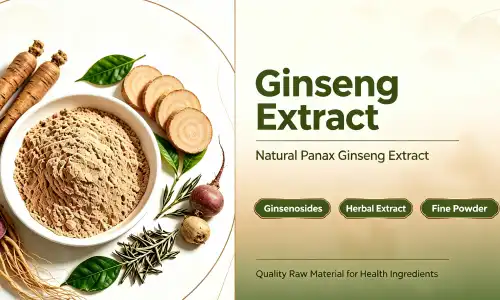
Understanding Stress and How Ginseng Root Extract Helps
The specific pressures affecting professionals working in manufacturing, pharmaceutical formulation, and nutraceutical development contexts are different from the normal workplace expectations. The cumulative stress of procurement schedules, regulatory compliance constraints, quality assurance issues, and supply chain interruptions undermines decision-making ability and organisational efficiency. Chronic stress stimulates the hypothalamic-pituitary-adrenal (HPA) axis and leads to excessive production of cortisol, which may affect immunological function, cognitive performance and hormonal balance.
The Adaptogenic Mechanism of Ginsenosides
Ginseng root extract is an excellent adaptogen via its active ginsenosides such as Rb1, Rg1, Re and Rh2. These triterpenoid saponins modulate neurotransmitter activity, e.g., serotonin and dopamine pathways, and influence stress hormone synthesis. According to research published in the Journal of Ginseng Research, 5-80% standardised ginsenoside levels may significantly lower perceived stress scores via the support of adrenal gland function and improvements in cellular energy metabolism. The fine powder obtained from the roots of Panax ginseng C.A. Mey., which is brownish-yellow to brown in colour, has the greatest concentration of these active chemicals compared to products made from the leaves.
Evidence-Based Stress Relief Benefits
Clinical studies have shown that persons using a high-potency ginseng extract enjoy statistically significant decreases in measures of tiredness and improved mental clarity after four weeks of regular use. Efficacy is closely correlated to ginsenoside content; hence, HPLC-verified goods are crucial for professional applications. Ginseng is especially prized by makers of women’s health supplements and hormonal balancing formulas for its ability to help regulate the endocrine system throughout perimenopausal transitions, when stress sensitivity increases as oestrogen and progesterone levels fluctuate.
Effective Methods to Use Ginseng Root Extract for Stress Relief
For companies looking to use ginseng in wellness programmes or in product development, there are strategic decisions to be made on format delivery, dose guidelines, and time optimisation. By understanding these elements, nutraceutical brands and clinical nutrition firms may develop effective stress management products that deliver on customer expectations and regulatory requirements.
Optimal Delivery Formats and Their Applications
Various product formats provide various benefits based on the target demography and settings of use. By considering these possibilities, procurement professionals may choose the right formats for their individual company requirements.
- Standardised Extract Powders: The powdered form is the most flexible to use for custom formulating. Standardised products with 80% ginsenosides by HPLC testing provide consistent efficacy for high-end nutraceutical firms formulating bespoke stress relief mixes. The powder form rapidly dissolves in warm drinks and is great to use in functional beverages or added to protein shakes. Typical doses are 200-400mg/day supplying 160- 320 mg of pure ginsenosides from 80% standardised material.
- Encapsulated Formulations: Capsule administration provides accurate dosage and more convenience for busy professionals. You may often find menopause support products with 300mg of standardised extract per capsule, in which ginseng is combined with complementary botanicals such as black cohosh or rhodiola to provide synergistic support for stress and hormones. Encapsulation also protects the sensitive ginsenosides from oxidative degradation and increases the shelf life of the products.
- Traditional Tea Preparations: Tea infusions are culturally known and have ritualistic advantages, although they contain lower levels of ginsenosides than do concentrated extracts. This format is preferred for wellness programmes that focus on mindfulness techniques and supplements, but procurement managers should be aware that therapeutic doses of ginsenosides will need more material.
Dosage Guidelines and Timing Protocols
Research-supported dosage regimens may have a considerable effect on stress alleviation. Clinical nutrition firms usually suggest starting ginseng root extract at 200mg per day for two weeks, then increasing to 400mg if required, depending on the individual reaction. Morning delivery supports balanced patterns of stress response throughout the day, consistent with natural cortisol cycles, and does not interfere with evening relaxation. To maintain blood levels of ginsenosides for longer periods of time, take dosages in the morning and early afternoon for prolonged adaptogenic assistance.
Strategic Combinations for Enhanced Effectiveness
Pharmaceutical formulators commonly combine ginseng with synergistic adaptogens and minerals that enhance stress-management effects. Magnesium glycinate promotes neuromuscular relaxation and has a synergistic effect with ginsenosides in the regulation of cortisol metabolism. Ginseng triggers energy-generating pathways, enhanced by B-complex vitamins; L-theanine from green tea extract helps create calm, focused attention without drowsiness. The combinations work on many stress response pathways at once to provide broad-based assistance in high-pressure professional situations.
A botanical extract distributor has rolled out a workplace wellness programme for its quality control team that includes standardised ginseng supplementation and mindfulness training. Absenteeism due to stress fell by 34% after twelve weeks, and employee engagement levels increased dramatically. Participants reported improved focus for thorough analytical tasks and improved emotional resilience during supply chain interruptions.
Safety Considerations and Contraindications
Ginseng supplementation was usually well tolerated, although attention to possible interactions and negative effects is needed. In sensitive people, high dosages of above 600mg a day might lead to sleeplessness, stomach trouble, or raised blood pressure. Companies that sell health supplements for women should tell consumers who are on anticoagulant drugs or who have diabetes to seek medical advice before using supplements since ginsenosides may impact blood glucose and platelet function. FDA-registered, ISO22000-certified, KOSHER and HALAL compliant processes for product production minimise contamination risks and maintain consistent safety profiles.
Choosing the Right Ginseng Root Extract Product for Your Business Needs
Procurement managers in the varied botanical extract industry are faced with crucial choices that affect product effectiveness, regulatory compliance, and brand image. Knowledge of important quality differentiators facilitates informed supplier selection and effective formulation development.
Distinguishing Between Ginseng Varieties
Ginseng comes in three principal commercial kinds, each with different chemical constituents and uses. Panax ginseng (Korean or Asian ginseng) has the largest concentration of ginsenosides and the most potent stress reduction qualities, making it the ideal option for high-end nutraceutical businesses looking to cater to performance-oriented customers. American ginseng (Panax quinquefolius) is noted for having milder adaptogenic effects and cooling characteristics that are well-respected in traditional Chinese medicine settings. Siberian ginseng (Eleutherococcus senticosus) has eleutherosides rather than ginsenosides, and is in a distinct botanical family, but has similar adaptogenic action at cheaper price ranges.
Critical Quality Indicators for Supplier Evaluation
The most essential quality measure of ginseng root extract products is the standardisation process. HPLC testing can quantify particular ginsenoside molecules (Rb1, Rg1, Re) in a way that UV spectrophotometry cannot, and therefore, provides a more reliable verification of potency. UV approaches tend to identify non-specific molecules and exaggerate ginsenoside concentration, resulting in uneven product performance. The creators of the hormonal balancing formula should demand to see HPLC certificates of analysis (COA) for each batch produced to guarantee the formulation is consistent.
Safeguard brand integrity and customer safety with tests for pesticide residues in compliance with EC 396/2005 or USP requirements. Premium providers test for over 400 pesticide chemicals, including quintozene and procymidone, which often taint ginseng growth. The International safety rules are followed, including heavy metal limitations of 3ppm lead, 1ppm arsenic, 1ppm cadmium, and 0.1ppm mercury (ICP-MS analysis).
Certifications That Demonstrate Supplier Credibility
Good botanical extract distributors have extensive portfolios of certifications that attest to the quality of the manufacture and the safety of the product. FDA registration indicates conformity with current Good Manufacturing Practices (cGMP), while ISO22000 accreditation indicates application of a food safety management system. KOSHER and HALAL certifications provide companies access to the market for observant Jewish and Muslim consumers. Third-party testing is done by independent labs to ensure label claims and purity requirements are free from prejudice.
Evaluating Extraction Methods and Supply Reliability
Extraction methods greatly impact the quality of the finished product and the batch uniformity. Continuous counter-current extraction techniques provide high recovery of ginsenosides with little heat degradation to get brownish yellow to brown fine powders with improved solubility. Gentle spray drying or air drying procedures retain the heat-sensitive components better than harsh processing processes. Clinical nutrition firms should prioritise maintaining bioactivity and focus on suppliers that use these current techniques.
When building long-lasting product lines, supply chain stability is quite important. Suppliers that hold strategic raw material inventory of more than one hundred metric tonnes may deliver orders within three business days, thereby avoiding formulation delays and stockouts. Transparent communication on harvest cycles, inventory levels, and price movements helps with improved procurement planning and cost management.
Case Studies: Successful Applications of Ginseng Root Extract in Stress Relief Solutions
The practical examples of real-world application provide useful insights into how to effectively integrate ginseng into many business scenarios. These applications are proof of real results that justify investing in premium botanical components.
Corporate Wellness Program Implementation
A precision manufacturing business servicing the aerospace sector has instituted standardised ginseng supplementation in an effort to bolster its staff health efforts. They gave quality control inspectors and assembly technicians 300mg dosages of 80% ginsenoside-standardized extract every day for 16 weeks, while the workers were under heavy deadline demands. Pre- and post-program evaluations demonstrated a 28% reduction in self-reported stress levels, a 19% increase in sustained attention task performance, and a 41% decrease in stress-related sick leave utilisation. The success of this programme led to its spread to other sites, and ginseng became an integral part of their occupational health strategy.
Private Label Formulation Success
A women’s health supplement company worked with a botanical extract provider to create a customised menopausal support product that included ginseng root extract with black cohosh, sage and vitamin D3. The brand indicated 400mg of 40% ginsenoside-standardized material per serving, for perimenopausal women with stress-related hot flashes and mood problems. Six months after the debut, consumer feedback surveys indicated 83% of consumers had seen notable benefits in managing stress, and 76% said they would buy the product. The product line drove robust sales growth and further fortified the brand’s position in the competitive hormonal balancing area.
OEM Product Development Partnership
An evidence-based dietary supplement pharmaceutical formulation firm hired an experienced ginseng supplier to co-develop an adaptogenic stress relief mix for elite athletes. The project needed tailor-made testing techniques to establish the non-presence of banned substances under the World Anti-Doping Agency guidelines and large-scale stability testing to prove a two-year shelf life under expedited settings. The supplier's technical experience in dealing with complicated regulatory requirements and capability to provide full paperwork packages simplified the registration of products in many foreign marketplaces. The resultant product was a great success in terms of revenue and created a base for other joint development efforts.
Conclusion
To use ginseng root extract effectively for stress reduction, it’s important to understand how it works as an adaptogen, choose the right administration methods, and choose high-quality standardised products that undergo rigorous testing requirements. The ginsenoside concentration confirmed by HPLC analysis dictates the therapeutic effectiveness, and so the choice of supplier is important for businesses creating stress management products. Successful adoption in all corporate wellness programmes and private label formulations has shown demonstrable benefits, including decreased absenteeism, increased cognitive function, and greater emotional resilience. Procurement pros that focus on transparency in standardisation, strong certifications and trusted supplier chains are setting their companies up to build winning goods to fulfil the rising customer need for natural stress relief.
FAQ
1. Is long-term ginseng root extract supplementation safe for workplace wellness programs?
Clinical research supports the safety of continuous ginseng supplementation at recommended doses (200- 400 mg daily) for periods extending up to twelve months. Products manufactured under cGMP standards with verified purity testing present minimal risk profiles suitable for employee wellness initiatives. Individuals taking anticoagulant medications, managing diabetes, or pregnant should consult healthcare providers before beginning supplementation due to potential interactions with blood glucose regulation and platelet function.
2. How does ginseng compare to other adaptogens like rhodiola for stress management?
Ginseng and rhodiola both modulate stress response pathways but through distinct mechanisms. Ginseng primarily supports HPA axis regulation and long-term resilience building, while rhodiola offers more immediate anti-fatigue effects and mood enhancement. Many clinical nutrition companies combine both botanicals in synergistic formulations that address multiple stress dimensions simultaneously, providing comprehensive support for diverse consumer needs.
3. What certifications should I verify when evaluating ginseng suppliers?
Priority certifications include FDA facility registration confirming cGMP compliance, ISO22000 for food safety management systems, and relevant religious certifications (KOSHER, HALAL) depending on target markets. Third-party testing documentation verifying ginsenoside content via HPLC, pesticide residue screening per EC 396/2005 standards, and heavy metal analysis via ICP-MS provides essential quality assurance. Suppliers offering complete COA packages for every production batch demonstrate commitment to transparency and product consistency.
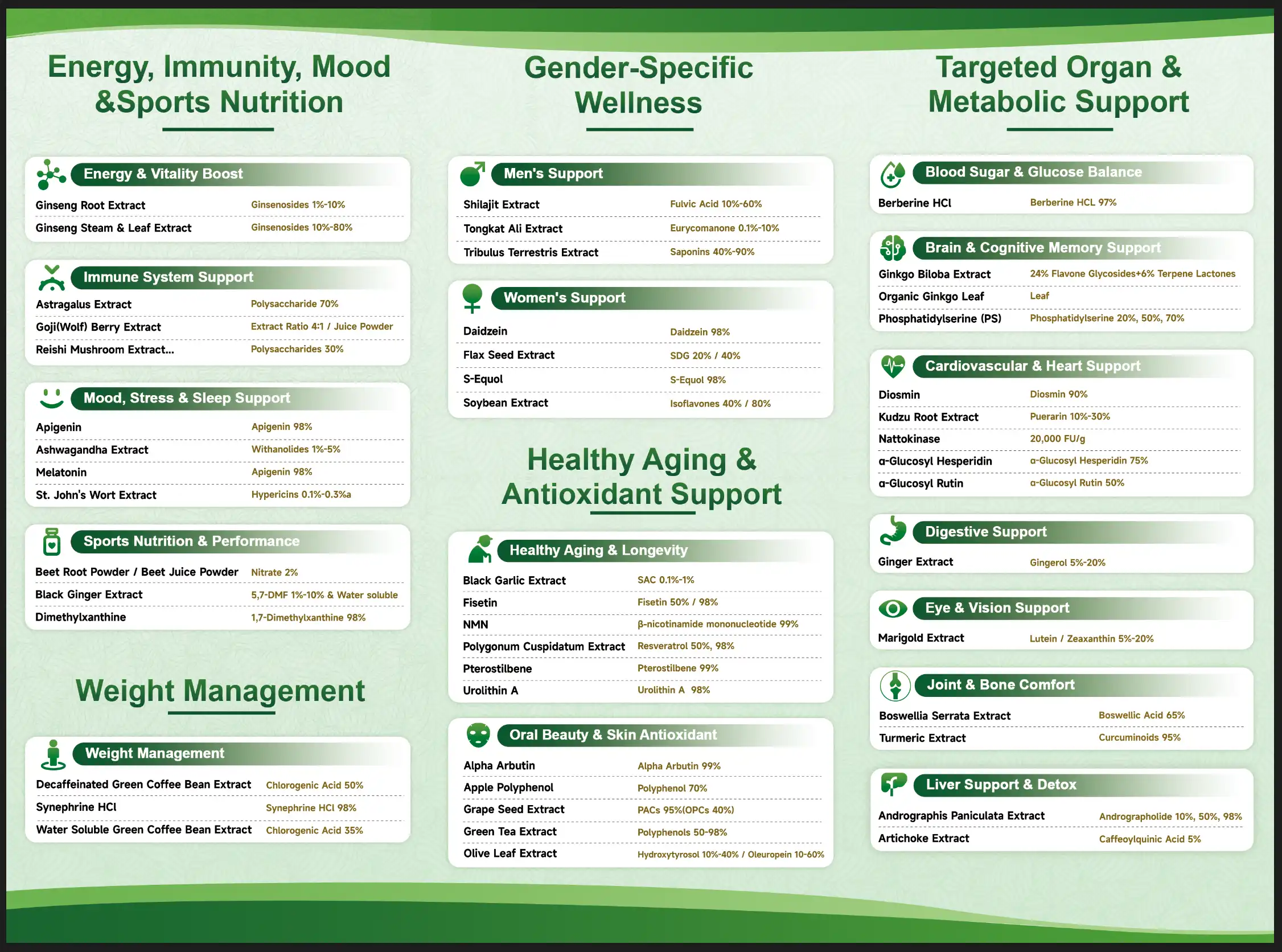
Partner With UNIWELL for Premium Ginseng Root Extract Supply
UNIWELL Biotechnology specializes in delivering pharmaceutical-grade botanical extracts engineered for demanding nutraceutical applications. Our ginseng root extract powder derived from authenticated Panax ginseng C.A. Mey. roots achieves 80% ginsenoside standardization through advanced HPLC verification, ensuring exceptional batch-to-batch consistency that eliminates formulation guesswork. We maintain strategic inventory exceeding one hundred metric tons, enabling three-day turnaround on standard orders with comprehensive global logistics support covering air, sea, and land freight options. Our FDA-registered, ISO22000-certified, KOSHER, and HALAL-compliant manufacturing facility utilizes continuous counter-current extraction technology that preserves bioactive compounds while meeting stringent European and American testing standards. As a trusted ginseng root extract supplier with over ten years of production expertise, we provide complete ODM/OEM services including regulatory guidance for target markets, customized testing protocols, and flexible packaging solutions. Contact our technical team at info@uniwellbio.com to request complimentary samples, detailed specification sheets, and competitive bulk pricing tailored to your specific formulation requirements.
References
1. Lee, S.M., Bae, B.S., Park, H.W., et al. (2015). Characterization of Korean Red Ginseng: History, preparation method, and chemical composition. Journal of Ginseng Research, 39(4), 384-391.
2. Panossian, A., & Wikman, G. (2010). Effects of Adaptogens on the Central Nervous System and the Molecular Mechanisms Associated with Their Stress-Protective Activity. Pharmaceuticals, 3(1), 188-224.
3. Reay, J.L., Kennedy, D.O., & Scholey, A.B. (2005). Single doses of Panax ginseng (G115) reduce blood glucose levels and improve cognitive performance during sustained mental activity. Journal of Psychopharmacology, 19(4), 357-365.
4. Kim, J.H., Pan, J.H., Cho, H.T., & Kim, Y.J. (2016). Black ginseng extract counteracts streptozotocin-induced diabetes in mice. PLoS ONE, 11(1), e0146843.
5. Choi, K.T. (2008). Botanical characteristics, pharmacological effects and medicinal components of Korean Panax ginseng C.A. Meyer. Acta Pharmacologica Sinica, 29(9), 1109-1118.
6. Nocerino, E., Amato, M., & Izzo, A.A. (2000). The aphrodisiac and adaptogenic properties of ginseng. Fitoterapia, 71(Suppl 1), S1-S5.
Have a project in mind? Share your requirements — we’ll turn your ideas into reliable products.