- English
- French
- German
- Portuguese
- Spanish
- Russian
- Japanese
- Korean
- Arabic
- Greek
- German
- Turkish
- Italian
- Danish
- Romanian
- Indonesian
- Czech
- Afrikaans
- Swedish
- Polish
- Basque
- Catalan
- Esperanto
- Hindi
- Lao
- Albanian
- Amharic
- Armenian
- Azerbaijani
- Belarusian
- Bengali
- Bosnian
- Bulgarian
- Cebuano
- Chichewa
- Corsican
- Croatian
- Dutch
- Estonian
- Filipino
- Finnish
- Frisian
- Galician
- Georgian
- Gujarati
- Haitian
- Hausa
- Hawaiian
- Hebrew
- Hmong
- Hungarian
- Icelandic
- Igbo
- Javanese
- Kannada
- Kazakh
- Khmer
- Kurdish
- Kyrgyz
- Latin
- Latvian
- Lithuanian
- Luxembou..
- Macedonian
- Malagasy
- Malay
- Malayalam
- Maltese
- Maori
- Marathi
- Mongolian
- Burmese
- Nepali
- Norwegian
- Pashto
- Persian
- Punjabi
- Serbian
- Sesotho
- Sinhala
- Slovak
- Slovenian
- Somali
- Samoan
- Scots Gaelic
- Shona
- Sindhi
- Sundanese
- Swahili
- Tajik
- Tamil
- Telugu
- Thai
- Ukrainian
- Urdu
- Uzbek
- Vietnamese
- Welsh
- Xhosa
- Yiddish
- Yoruba
- Zulu
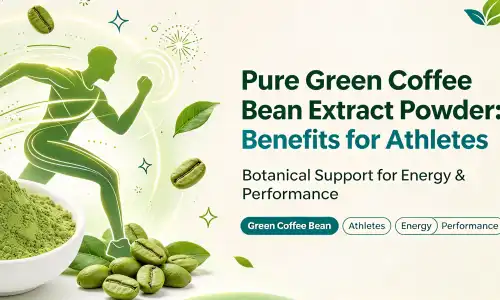
Pure Green Coffee Bean Extract Powder: Benefits for Athletes
Pure green coffee bean extract powder is drawing serious attention from sports nutrition brands and B2B formulators across the United States. It is extracted from unroasted beans of the Coffea species and retains significant levels of chlorogenic acids (CGAs), the main bioactive ingredients that are mostly eliminated during the roasting process. Standardized CGA content (HPLC) between 40% and 80% gives athletes meaningful assistance for metabolism, endurance and recuperation. For product directors and procurement teams developing performance supplement lines, the first step to a confident sourcing selection is knowing the clinical profile and supply parameters of this ingredient.
Understanding Pure Green Coffee Bean Extract Powder
It helps to know precisely what you are producing with before you look at any item for a sports nutrition SKU. Ground unroasted coffee into powder is not pure green coffee bean extract powder. It’s a concentrated plant extract calibrated to provide specific quantities of chlorogenic acid that raw beans can’t.
What Sets It Apart from Roasted Coffee?
Chlorogenic acids are easily degraded by roasting. When the temperature increases to > 400 °F, the concentration of CGA in the material decreases by 50–90% and byproducts such as acrylamide are formed. The low temperature water or water-ethanol extraction of pure green coffee bean extract powder totally prevents this. The outcome is a fine, light green to yellowish-brown powder with essentially no negative consequences of baking.
Active Compound Profile
The main compound that works is 5-caffeoylquinic acid (5-CQA), which is the most bioactive form of CGA and is linked to controlling glucose metabolism. It is important that a pure green coffee bean extract powder with high standards lists both Total Chlorogenic Acids and 5-CQA on the COA. Our product is always between 40% and 80% Total CGA by HPLC, and the particles are all 80 mesh so that they mix evenly.
Physical and Safety Specifications
The extract is water soluble and stable in beverage systems with pH of 3.5 to 4.5 and is ideal for incorporation into RTD and pre-workout drink formulations. Heavy metals should be fewer than 10 parts per million, total plate count less than 1,000 CFU/g and caffeine concentration less than 2% (standard) or 0.1% (decaffeinated). The food is certified by FDA, KOSHER, HALAL and ISO22000.
Key Benefits of Green Coffee Bean Extract Powder for Athletes
The market for sports nutrition wants ingredients that have clinical evidence that can be defended. A lot of reliable research has been done on green coffee bean extract powder in a number of performance-related areas.
Energy and Endurance Support
It gives you a smooth, long-lasting boost without the sharp crash that comes with adding synthetic caffeine. The standard-grade extract has natural caffeine in it. In 2012, Diabetes, Metabolic Syndrome, and Obesity published a study that found people who took CGA supplements for 22 weeks had a much lower body fat percentage. People who do endurance sports need to make sure their blood sugar stays stable during long workouts. The way CGA changes glucose levels directly addresses this problem.
Antioxidant Protection Against Exercise-Induced Oxidative Stress
When you train hard, your body releases free radicals that hurt muscle tissue and make it take longer to heal. It is mostly CGA that makes up green coffee extract. It has many antioxidants that get rid of reactive oxygen species. The Journal of Agricultural and Food Chemistry has a study that says chlorogenic acids get rid of DPPH radicals very well. So, it makes sense to mix this ingredient with EGCG and L-Carnitine in formulas that burn fat and have more than one ingredient.
Metabolic and Recovery Benefits
CGA stops glucose-6-phosphatase from doing its job. This lowers the amount of glucose the liver makes and aids in the repair of glycogen after exercise. A study that came out in 2019 in the journal Nutrients found that regular use of CGA pills slightly lowered fasting blood glucose. This biological action, along with stimulant substances like capsaicin and EGCG, is very helpful for weight-class athletes and people who want to change the way their bodies look.
How to Use Green Coffee Bean Extract Powder for Athletic Performance?
A good ingredient can be turned into a useful product by knowing the right dose and when to take it. This is what the research says about using it in sports.
Recommended Dosage Parameters
In most clinical tests, each dose contains 200 to 400 mg of standardized pure green coffee bean extract powder, which is equal to 45 to 50 percent CGA. The effective dose changes downward in a linear way for higher concentration grades (60%–80% CGA). Between 30 and 45 minutes before a workout is when both caffeine and CGA are most likely to be absorbed.
Decaffeinated Versions for Specific Use Cases
For evening healing recipes, people who are sensitive to caffeine, and "stimulant-free" label claims, the decaf version (<0.1% caffeine) is best. Brands that want to sell to Health Canada or markets that are sensitive to Prop 65 limits can switch to the decaf grade without changing the structure of the whole product. You can get both the Standard and Decaf models, and the COA paperwork matches.
Safety and Sensitivity Considerations
The normal grade always has less than 2% caffeine, which is below the safe level for daily pill use. Formulators should make a note of how certain stimulant ingredients may react with each other. Clinical studies of long-term CGA use have not shown any negative effects on the liver or kidneys, but it is still a good idea to label drugs cautiously for people who are sensitive to them.
Comparing Pure Green Coffee Bean Extract Powder to Other Supplement Forms
When product directors look at where to get ingredients, they need to be able to compare different formats and options with a clear head.
Powder vs. Capsule Form
The pure green coffee bean extract powder of 80 mesh is uniformly mixed with ordinary fillers during high speed tablet compression. The bulk density is consistent (0.40–0.60 g/ml), which is good for capsule producers since the weight of each capsule is kept the same. Pre-filled capsule ingredients can’t be put directly to ready-to-drink beverages and functional gummies, but powder ingredients may.
Pure Extract vs. Blended Versions
CGA efficacy is typically diluted by customized mixtures to save money. Formulators may regulate exactly how much of an active chemical is in each serving with a certified pure extract and HPLC-verified COA. This is vital if you combine green coffee bean extract powder with L-Carnitine, capsaicin, or EGCG, since each ingredient has to provide its own dosage.
Green Coffee Extract vs. Green Tea Extract
Both ingredients are plant products that are high in polyphenols, but their main effects are different. More research has been done on green tea extract (EGCG) for thermogenesis. More research is being done on green coffee extract (CGA) to help control blood pressure and glucose levels. Because they work in different ways, multi-target weight control methods often have both of them in them. The effects of EGCG and pure green coffee bean extract powder are additive, not antagonist.
B2B Procurement Insights: Sourcing Pure Green Coffee Bean Extract Powder
When buying this much, you need more than a low unit price to make a choice. Here are some things that set a reliable provider apart from a risky one.
Evaluating Supplier Credibility
First you need to become certified. A trusted brand manufacturing pure green coffee bean extract powder should have FDA facility registration, ISO22000, KOSHER, and HALAL certifications. The COA of each batch should mention the quantity of caffeine, heavy metals (Lead <2 ppm, Arsenic <1 ppm), and microorganisms. The standard procedure is to get a complete COA before testing a sample. It is not an additional step.
Bulk Pricing, MOQ, and Logistics
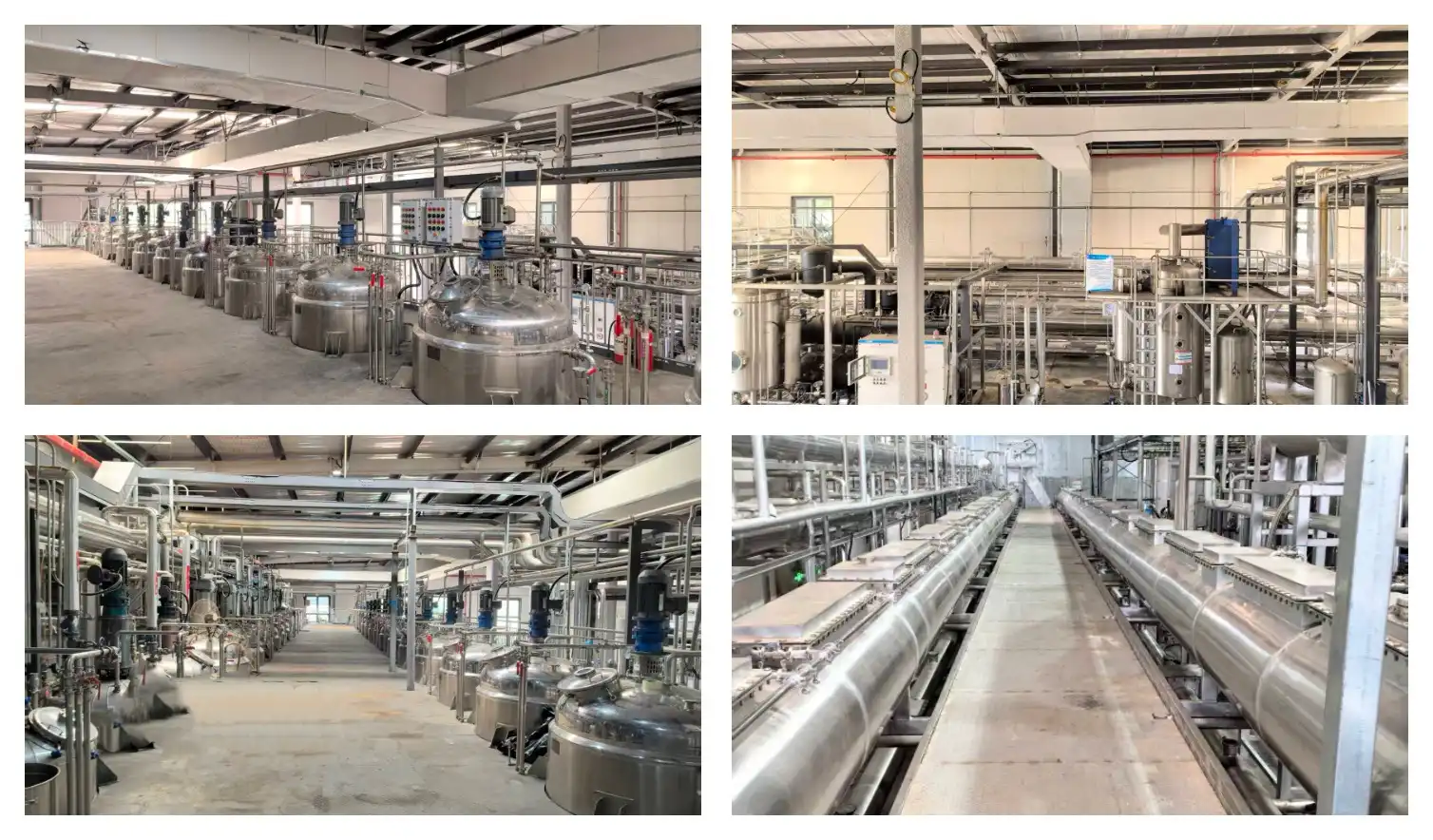
Standard orders are sent within three business days from a strategic stock of more than 100 metric tons at UNIWELL. Bulk packaging is available in 25 kilogram and 50 kg barrels to suit high volume manufacturing demands. Global Logistics handles all types of freight by air, sea and land. They provide complete export documentation including COA packaging, certificates of origin, and MSDS. When buying teams negotiate annual contracts for 5–30 metric tons, volume-tiered pricing on multi-grade SKUs (40%/50%/60%/70%/80% CGA) helps them save money.
Private Label and Customization
Every composition has various demands. UNIWELL’s ODM/OEM program modifies CGA content, caffeine grade (Standard or Decaf) and packaging design to suit the demands of each SKU. Preparation of documentation to fulfill US FDA DSHEA, EU Novel Food and Health Canada NHP criteria is underway.
Conclusion
Pure green coffee bean extract powder has a profile that is backed by science and works well with weight loss, fitness, and healing supplements. It has a standard amount of CGA, two grades of caffeine, and safety data that shows it is safe. This gives product directors a reliable ingredient that meets regulatory requirements. When B2B buyers are in charge of supplement portfolios with multiple SKUs, the decision to buy comes down to how reliable the supplier is, how good the documentation is, and how flexible the supplier is. A well-equipped manufacturer makes a real difference in these areas.
FAQ
1. Is green coffee bean extract safe to combine with other pre-workout ingredients?
Yes, at standard formulation doses. CGA works through glucose metabolism pathways distinct from thermogenic compounds like capsaicin or EGCG, so stacking is common and clinically supported. Monitor total caffeine when using the standard-grade extract alongside other caffeine sources.
2. What is the difference between Standard and Decaf versions?
The Standard grade contains <2% caffeine and suits pre-workout applications. The Decaf grade contains <0.1% caffeine, supporting "stimulant-free" label claims and evening-use formulas. Both carry the same CGA specification range and full COA documentation.
3. How do you verify that the extract is not adulterated with roasted coffee?
HPLC analysis detects Hydroxymethylfurfural (HMF), a marker formed during roasting. Genuine pure green coffee bean extract powder should show negligible or non-detectable HMF levels — a parameter included in our batch testing protocol.
4. What packaging formats are available for bulk orders?
We supply 25 kg and 50 kg drums with moisture-resistant inner liners. Given the hygroscopic nature of the powder, maintaining relative humidity below 40% during storage and production is recommended.
5. Can you support regulatory submissions for Health Canada or EU markets?
Yes. We prepare documentation packages aligned with FDA DSHEA, EU Novel Food, and Health Canada NHP requirements as part of our standard ODM/OEM service.
Request Samples from UNIWELL — Your Green Coffee Bean Extract Powder Supplier
UNIWELL offers pure green coffee bean extract powder that is FDA-registered and ISO22000-certified. It comes in different grades, ranging from 40% to 80% CGA, and comes in both standard and decaf choices. The company also offers full COA paperwork and ships orders within three business days on average. Our team responds quickly, whether you need a sample to start evaluating a formulation or are ready to talk about pricing for an annual contract. Email us at info@uniwellbio.com to get samples or a bulk price right away.
References
1. Thom, E. (2007). The effect of chlorogenic acid enriched coffee on glucose absorption in healthy volunteers and its effect on body mass when used long-term in overweight and obese people. Journal of International Medical Research, 35(6), 900–908.
2. Vinson, J. A., Burnham, B. R., & Nagendran, M. V. (2012). Randomized, double-blind, placebo-controlled, linear dose, crossover study to evaluate the efficacy and safety of a green coffee bean extract in overweight subjects. Diabetes, Metabolic Syndrome and Obesity, 5, 21–27.
3. Onakpoya, I., Terry, R., & Ernst, E. (2011). The use of green coffee extract as a weight loss supplement: A systematic review and meta-analysis of randomised clinical trials. Gastroenterology Research and Practice, 2011, 382852.
4. Ludwig, I. A., Clifford, M. N., Lean, M. E. J., Ashihara, H., & Crozier, A. (2014). Coffee: Biochemistry and potential impact on health. Food & Function, 5(8), 1695–1717.
5. Tajik, N., Tajik, M., Mack, I., & Enck, P. (2017). The potential effects of chlorogenic acid, the main phenolic components in coffee, on health: A comprehensive review of the literature. European Journal of Nutrition, 56(7), 2215–2244.
6. Suzuki, A., Kagawa, D., Ochiai, R., Tokimitsu, I., & Saito, I. (2002). Green coffee bean extract and its metabolites have a hypotensive effect in spontaneously hypertensive rats. Hypertension Research, 25(1), 99–107.
Have a project in mind? Share your requirements — we’ll turn your ideas into reliable products.