- English
- French
- German
- Portuguese
- Spanish
- Russian
- Japanese
- Korean
- Arabic
- Greek
- German
- Turkish
- Italian
- Danish
- Romanian
- Indonesian
- Czech
- Afrikaans
- Swedish
- Polish
- Basque
- Catalan
- Esperanto
- Hindi
- Lao
- Albanian
- Amharic
- Armenian
- Azerbaijani
- Belarusian
- Bengali
- Bosnian
- Bulgarian
- Cebuano
- Chichewa
- Corsican
- Croatian
- Dutch
- Estonian
- Filipino
- Finnish
- Frisian
- Galician
- Georgian
- Gujarati
- Haitian
- Hausa
- Hawaiian
- Hebrew
- Hmong
- Hungarian
- Icelandic
- Igbo
- Javanese
- Kannada
- Kazakh
- Khmer
- Kurdish
- Kyrgyz
- Latin
- Latvian
- Lithuanian
- Luxembou..
- Macedonian
- Malagasy
- Malay
- Malayalam
- Maltese
- Maori
- Marathi
- Mongolian
- Burmese
- Nepali
- Norwegian
- Pashto
- Persian
- Punjabi
- Serbian
- Sesotho
- Sinhala
- Slovak
- Slovenian
- Somali
- Samoan
- Scots Gaelic
- Shona
- Sindhi
- Sundanese
- Swahili
- Tajik
- Tamil
- Telugu
- Thai
- Ukrainian
- Urdu
- Uzbek
- Vietnamese
- Welsh
- Xhosa
- Yiddish
- Yoruba
- Zulu
Organic Ginkgo Leaf: A B2B Guide to Benefits and Uses
When seeking botanical ingredients for women's health and nutraceutical products, organic ginkgo leaf is a diverse and science-backed alternative. This ingredient, derived from the ancient Ginkgo biloba tree, provides producers with a full-spectrum botanical solution packed with naturally occurring flavonoids and terpenoids. Whole leaf powder retains the whole phytochemical profile of the plant vs condensed extracts and is suitable for firms that focus on authenticity, clean labelling and organic certification. This book covers the main elements of health supplement and functional food products for B2B buyers, including composition, use, procurement approaches and compliance.
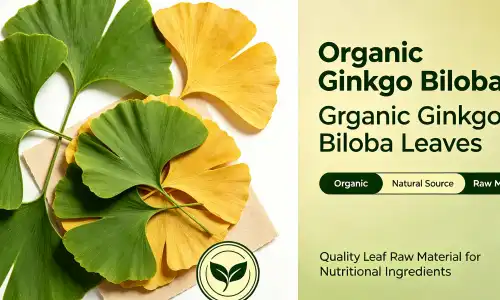
Understanding Organic Ginkgo Leaf: Composition, Benefits, and Scientific Backing
What Makes Organic Ginkgo Leaf Unique?
"Organic ginkgo leaf" means Ginkgo biloba tree leaves cultivated without the use of GMOs, pesticides or man-made chemicals. If it’s certified organic, you may trace a product from the client back to the farm. It also needs to comply with the requirements of the USDA and the EU. This dedication to purity is so important for business to business buyers who want to target clients who care about their health and who know where their materials originate from and how they affect the environment.
Key Active Compounds and Their Functional Roles
Organic ginkgo leaf contains a lot of good chemicals. Quercetin, kaempferol, and isorhamnetin are all flavonoid glycosides, which are very good antioxidants that protect cells from oxidative stress. Sometimes called terpene lactones, ginkgolides and bilobalide are good for your vessels because they help blood flow and the production of nitric oxide. Whole leaf powder keeps the plant's natural balance, so it gives you a full range of herbal effects. On the other hand, standardized extracts make these chemicals stronger. As a result, formulators who are making goods to help with menopause, hormonal balance, and brain health will find it very appealing. This is because holistic ingredient profiles are popular with end users in all of these areas.
Scientific Evidence Supporting Cognitive and Antioxidant Benefits
Studies on people have shown that some parts of Ginkgo biloba can help with remembering, mental clarity, and keeping nerves healthy. Studies published in reputable journals show that people over the age of 65 and those whose memories are getting worse can make their brains smarter. Some things that help get rid of free radicals are called flavonoids. Over time and stress may damage cells, but this may help protect them. Standardized extracts are used in most clinical trials, but the whole leaf still has the same basic compounds, so it's a natural choice for brands that want clear labels and little processing. These benefits that have been proven by science make the product more attractive to business-to-business clients who want to sell to the brain wellness, women's health, and menopause support markets.
Key Uses and Application Scenarios for B2B Clients
Versatile Formulation Opportunities
Organic ginkgo leaf powder can be used in a lot of different things. Its color ranges from light brown to greenish brown, and it tastes bitter. It goes well with herbal teas, functional drinks, pills, and skin care products. The design stays the same because the bits are between 40 and 60 mesh. In other words, it can be used for both liquid treatments and solid doses.
Companies that make health products for women can add ginkgo leaf to menopause treatment mixes because it helps the blood flow and fights free radicals. Because whole-herb botanicals are adaptogenic, hormonal balance formulas are more appealing to people who want natural alternatives to synthetic ones. High-end nutraceutical brands care about the ingredient's full range and organic approval because they fit with their pricey branding and moral source stories.
Common Product Formats and Dosage Guidance
The organic ginkgo leaf powder can be used to make a number of different ways to get around. You might want to think about these real-life examples of applications:
- Herbal Teas and Infusions: To make tasty, healthy drinks that people who care about their health will enjoy, mix 500 mg to 1,000 mg of herbs per serving. The curve of the whole leaf makes the item look more real and backs up claims that it is natural.
- Encapsulated Supplements: Taking 400 mg to 800 mg pills of vitamins makes it easy to get the right amount for your brain and blood flow. Labels with only ingredients are clean because they are easier to read when there are no fillers or additives.
- Topical Cosmetics: Ginkgo leaf powder has a lot of antioxidants and can be mixed with face masks, serums, and creams to help slow down the aging process and fight oxidative stress. As more and more beauty items are being made from plants, this one fits in with that trend.
These apps are in line with new market trends where people care about being honest, taking care of the earth, and their health in general. When people buy in bulk, they can make more of their products while keeping costs low and the supply chain safe.
Emerging Trends and Market Positioning
Plant-based remedies are becoming more popular around the world because people want ingredients that are clean and haven't been changed much. The organic ginkgo leaf is a great choice for this story and stands out in a group of similar items. Brands that help women deal with menopause, women's health, and hormonal balance can use the ingredient's history and scientific support to make their product stories more interesting. Because the ingredient is legal and can be used in many different ways, it helps distributors and OEM makers get their products to market faster and offer a wider range of options.
Procurement Guide: How to Source Quality Organic Ginkgo Leaf
Certification and Purity Standards
The first step in good buying is to check the organic approval. Check out providers that have been certified as USDA or EU Organic. This means that they follow strict rules for farming and handling. There should be notes on each batch of certificates about how they were made and when they expire. It is only when something is certified organic that man-made herbicides, GMOs, and irradiation are not used. This fits the needs of the target markets, where rules are getting tighter and customers have higher expectations for every batch of organic ginkgo leaf.
Third-Party Testing and Quality Assurance
Suppliers you can trust have a third party test each batch very carefully. It's important to do tests for heavy metals like lead, arsenic, cadmium, and mercury, as well as tests for pesticide residue and microbiological safety. Certificates of Analysis (COA) should prove that the item is safe according to worldwide rules set by organizations such as the FDA, EP, and USP. People who want to buy something should make sure that the Total Plate Count stays below 500,000 CFU/g and that Salmonella and E. coli tests come back negative. These quality controls protect brands and lower their risk of being sued. This is very important for brands that want to sell to businesses that make medicines and those that work in clinical nutrition.
Extract vs. Whole Leaf Powder: Key Distinctions
It is very important to know the difference between controlled extracts and whole leaf powder. Flavonoids and terpenoids are often concentrated 50:1 in order to get certain amounts of them in extracts. Whole leaf powder, on the other hand, keeps the natural makeup and doesn't split or chemically change it. This difference changes the price, the freedom to make your own recipes, and the marketing claims. Extracts are better for people who want correct amounts and clinical-grade strength, while whole leaf powder is best for brands that care about being real and doing as little processing as possible. They should pick items that fit with the brand's image and the tastes of the people they want to buy from.
Cost Considerations and Minimum Order Quantities
You can save a lot of money by buying in bulk. Suppliers usually charge different prices for orders of different sizes, with MOQs running from 25 kg to 100 kg. One way that brands can customize their packages to meet the needs of different markets is by adding their own labels or going with smaller stock sizes. When you compare providers, you should not only look at the unit price but also the terms of shipping, wait times, and ways to pay. To stay competitive in markets that are always changing, it's important to build long-term relationships with reliable suppliers. This will ensure stable prices and consistent supply chain performance.
Supplier Evaluation Checklist
To build a trusting relationship with an organic ginkgo leaf supplier, make sure they meet the following requirements before you choose them:
- Certification and Documentation: Look at the organic licenses, COAs for each batch, and tracking records.
- Testing Protocols: Have a third party test for heavy metals, pesticides, and bacterial contaminants.
- Production Capacity: Check how much product you have, how long the wait time is, and how well your business can handle rising demand.
- Knowledge of the Rules: Make sure the seller knows the rules of the market you want to reach, like FDA, EU, and other foreign compliance.
- Technical Support: Look for companies that offer ongoing customer service, help with setup, and ideas for how to use the tools.
These evaluation tools, people who work in procurement can build partnerships that guarantee consistent quality, openness in the supply chain, and regulators' trust.
Side Effects, Dosage, and Compliance for Safe B2B Use
Understanding Potential Side Effects
Most of the time, organic ginkgo leaf is safe to use when done right, but it's important to know about any possible side effects before making a product. Some people have had mild gut pain, headaches, or allergy reactions on their skin. Ginkgolic acids are chemicals that are found naturally in ginkgo leaves. They can kill cells and make people allergic if there are a lot of them around. Good providers keep the amount of ginkgolic acid below 5 parts per million (ppm), and for top grades, they keep it even lower, at less than 1 ppm. Business to business clients should ask for full specifications and test results to make sure that formulations meet safety standards.
Recommended Dosage Levels and Industry Standards
There are different dosage ideas for different types of products and for different ways they will be used. Pills should have around 400 mg to 800 mg per serving, while herbal teas and infusions should have around 500 mg to 1,000 mg per serving. In the past, things have been used in this way, and early study results back this up. There are rules for labeling and health claims that manufacturers should follow. These rules can be found from regulatory bodies and industry groups. When making products for certain health conditions or groups of people, talking to regulatory experts and formulation scientists can help you figure out tricky dose issues.
Regulatory Compliance and Documentation
It is important for business-to-business buyers to follow FDA rules, the EU Food Supplements Directive (2002/46/EC), and other foreign rules when sourcing organic ginkgo leaf. Labels need to list the botanical and common names of the ingredients, along with the country where they are from. They should also have logos for organic certification and the right disclaimers. When making health claims, you need to be very careful not to break the law. Structure-function claims should be backed up by strong scientific evidence. Certificates of Origin, Phytosanitary Certificates, and Compliance Declarations are just a few of the forms that suppliers who have worked with foreign markets before can give. This helps the customs process go faster and makes it less likely that a package will be held up or turned down.
Guidance for Manufacturers and Distributors
Strong quality management systems should be in place at companies that use organic ginkgo leaf in their goods. Supplier audits, testing of incoming materials, and verification of finished products should all be part of these systems. Documentation trails help find things and make it easy for regulators to check things out. It is less of a distributor's duty if they make sure that sources keep their licenses and testing standards up to date. Trust in compliance grows when you work with sellers who offer legal advice and technical help. It also speeds up the process of getting new goods on the market.
Making the Right Choice: Comparing Organic Ginkgo Leaf Products and Brands
Organic Ginkgo Leaf vs. Other Botanicals
Instead of ginkgo, you could use ginseng, bacopa, gotu kola, or another herb, depending on the goals of the formula and the tastes of the people you want to sell it to. Organic ginkgo leaf is said to be good for your brain and blood flow, and a lot of research and customer reviews back this up. Ginseng can help you deal with stress and energy because it has adaptogenic properties. Not many people know that both bacopa and gotu kola can help your memory and keep your neurons healthy, but they do. Costs vary, but this botanical is generally less expensive than pricey adaptogens. This makes it a good choice for people who want to find a mix between how well it works, how much it costs, and how popular it is in the market.
Pure vs. Blended Formulations
People who want supplements with only one ingredient will like pure organic ginkgo leaf recipes that stress how pure and open the ingredients are. In mixed preparations, ginkgo is mixed with plants that work well with it. This makes the impacts greater and the range of functions better. Blends can make something more unique and marketable, but they can also make it harder to label and follow the rules. There are different ways to set prices. Because they look better on the label, pure formulas generally cost more, while blends offer value-added positioning and can reach more people. Businesses that want to buy should think about the brand's identity, the people they want to sell to, and the competition when they look at formulation strategies.
Reliable Purchasing Channels
If you buy organic ginkgo leaf through a trusted source, you can be sure that the product is real and that the supply chain is safe. You can get more information, more peace of mind about quality, and better prices when you work directly with approved organic farms and companies that make plant products. Online business-to-business (B2B) platforms and wholesalers offer a lot of options and benefits, but sources should be carefully researched. Meeting new people and making smart choices is easy when you use professional networks and go to trade shows. More weight should be given to sellers who have legal certificates, strict testing methods, and a track record of exporting goods.
Key Factors for Brand Selection
Before you choose an organic ginkgo leaf provider, check out their track record, how reliable they are, and how helpful their customer service is. Brand names that have been around for ten years or more show that the company is technically sound and stable in its operations. Suppliers who keep strategic stocks of raw materials on hand make sure that orders are filled quickly and that the supply chain is strong. Options for customization, like custom mesh sizes, packaging, and formulation help, let products stand out and change with the times in the market. Having a competitive price, guaranteeing quality, and unmatched stability from batch to batch makes partnerships with suppliers better and earnings go up in the long run.
Conclusion
firms selling nutraceutical, women's health and menopausal support products to other firms in these areas may utilize organic ginkgo leaf. This product includes complete variety of ingredients, certified organic and scientific support, so it is simple to distinguish this product from others and acquire customers' confidence. If you wish to purchase properly you need to know the approval requirements, quality checks and regulations. Working with reputable suppliers allows manufacturers and distributors to access high-quality botanical goods that are produced under rigorous safety and sustainability requirements. In highly competitive global marketplaces, companies may perform well if they make wise judgments on formulation, are clear on where their ingredients originate from and have appropriate documentation.
Frequently Asked Questions
How do I verify the authenticity of organic ginkgo leaf powder?
1. Ask your provider for Certificates of Analysis (COA) and papers that say the food is organic that are unique to each batch. A real organic ginkgo leaf will have the words "USDA Organic" or "EU Organic" on it, as well as records of where it came from and heavy metal, pesticide, and microbe test results from a third party. Reliable providers give you all the information you need, which is clear and follows the rules.
2. What is the difference between whole leaf powder and standardized extract?
There is nothing added to or changed chemically in whole leaf powder, so it keeps the full natural profile of ginkgo leaves. This means that it usually gives you a full-spectrum botanical experience. Extractions with standardized ratios, such as 50:1, are often used to get certain amounts of active chemicals. For goods with clean labels, whole leaf powder works well, and preparations give exact amounts for medical uses.
3. Can organic ginkgo leaf be used in cosmetic formulations?
Yes, organic ginkgo leaf powder can be used in face masks, serums, creams, and other skin care products. Antioxidants help protect skin from damage and keep it healthy. Follow the rules, such as EU makeup Regulation (EC) No 1223/2009, and make sure the powder meets the standards for makeup.
Partner with UNIWELL for Premium Organic Ginkgo Leaf Supply
Sichuan Uniwell Biotechnology Co., Ltd. is the organic ginkgo leaf supplier you can trust! They sell organic Ginkgo biloba whole leaf powder that has been checked out and is 100% pure. We've been making things for over ten years and have more than 100 metric tons of them stored for peace of mind. We can now ship most orders within three business days. Cutting-edge continuous counter-current extraction technology and tight testing that meets FDA, ISO22000, KOSHER, and HALAL standards are used in our modern plant. This makes certain that each batch is the same and that the goods can be bought legally everywhere in the world. We offer full ODM/OEM services, custom packaging, and all the paperwork needed by the government to make exporting easy. You can email us at info@uniwellbio.com to talk about your need for organic ginkgo leaf for sale and find out how our low prices, constant quality, and reliable supply chain can help your business.
References
1. McKenna, D.J., Jones, K., & Hughes, K. (2001). Botanical medicines: Efficacy, safety, and regulation of herbal supplements and phytomedicines. Journal of Alternative and Complementary Medicine, 7(Suppl 1), S107-S113.
2. Blumenthal, M., Goldberg, A., & Brinckmann, J. (2000). Herbal Medicine: Expanded Commission E Monographs. Austin, TX: American Botanical Council.
3. World Health Organization. (1999). WHO Monographs on Selected Medicinal Plants, Volume 1. Geneva: World Health Organization.
4. European Medicines Agency. (2015). Assessment Report on Ginkgo biloba L., Folium. London: Committee on Herbal Medicinal Products.
5. Natural Standard Research Collaboration. (2010). Foods, Herbs & Supplements: Ginkgo Biloba. St. Louis, MO: Elsevier Mosby.
6. American Herbal Pharmacopoeia. (2003). Ginkgo Leaf: Standards of Analysis, Quality Control, and Therapeutics. Scotts Valley, CA: American Herbal Pharmacopoeia.
Have a project in mind? Share your requirements — we’ll turn your ideas into reliable products.