- English
- French
- German
- Portuguese
- Spanish
- Russian
- Japanese
- Korean
- Arabic
- Greek
- German
- Turkish
- Italian
- Danish
- Romanian
- Indonesian
- Czech
- Afrikaans
- Swedish
- Polish
- Basque
- Catalan
- Esperanto
- Hindi
- Lao
- Albanian
- Amharic
- Armenian
- Azerbaijani
- Belarusian
- Bengali
- Bosnian
- Bulgarian
- Cebuano
- Chichewa
- Corsican
- Croatian
- Dutch
- Estonian
- Filipino
- Finnish
- Frisian
- Galician
- Georgian
- Gujarati
- Haitian
- Hausa
- Hawaiian
- Hebrew
- Hmong
- Hungarian
- Icelandic
- Igbo
- Javanese
- Kannada
- Kazakh
- Khmer
- Kurdish
- Kyrgyz
- Latin
- Latvian
- Lithuanian
- Luxembou..
- Macedonian
- Malagasy
- Malay
- Malayalam
- Maltese
- Maori
- Marathi
- Mongolian
- Burmese
- Nepali
- Norwegian
- Pashto
- Persian
- Punjabi
- Serbian
- Sesotho
- Sinhala
- Slovak
- Slovenian
- Somali
- Samoan
- Scots Gaelic
- Shona
- Sindhi
- Sundanese
- Swahili
- Tajik
- Tamil
- Telugu
- Thai
- Ukrainian
- Urdu
- Uzbek
- Vietnamese
- Welsh
- Xhosa
- Yiddish
- Yoruba
- Zulu
How to Use Natural Soybean Extract Powder: Beginner Guide
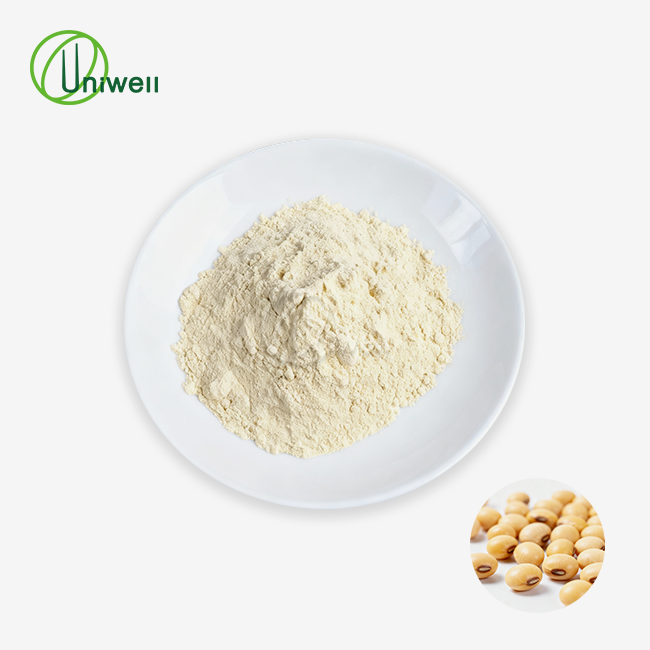
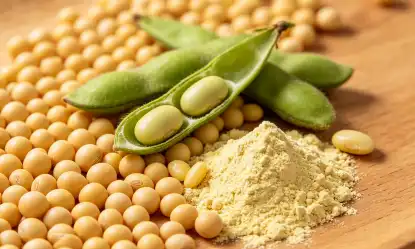
You should know what you want to do with Natural Soybean Extract Powder and how much you need to use it before you start. Glycine max (L.) Merr, a non-GMO plant, gives this ingredient its unique strength. It gives a normal range of soy isoflavones, from 10% to 95%. Most B2B products use the 40% HPLC specification. If you want to make useful drinks for heart health, anti-aging skin care products, or dietary supplements for women, you need to use the right incorporation methods. Some of these are the right ways to mix, ways to make the product more soluble, and using third-party tests to make sure the quality. This is what will make sure that your end recipes work best and are bioavailable.
Introduction
The market for products based on phytoestrogens has grown very quickly around the world. This is mostly because people are looking for natural alternatives to medicines that use manufactured hormones, and because people in developed markets are living longer. Soy isoflavone extracts are now used in a lot of different products, from skin care to sports nutrition to useful foods. The people in charge of buying and making new products have to make tough decisions when they need to pick plant raw materials that are effective, cost-effective, and legal. This entire guide fills in the gaps between what we know about soy isoflavones in a theoretical sense and how they can be used successfully in business product lines. We talk about ways to separate, how to dose that are specific to each application, issues with formulation compatibility, and ways to judge sources. It's our goal to help procurement professionals, formulators, and quality assurance teams choose ingredients more easily. This will also cut down on the number of times they have to try and fail with formulations, and it will speed up the time it takes for products that use this flexible botanical extract to hit the market.
Understanding Natural Soybean Extract Powder
What Makes This Ingredient Different from Standard Soy Products
Soy flour, soy protein isolates, and Natural Soybean Extract Powder are all made from soy, but they are nothing alike. Selective concentration methods are used on the extract, and they usually involve hydroalcoholic solvents. When these steps are done, they sort and concentrate the good isoflavone molecules and get rid of the bad ones, like phytic acid and trypsin inhibitors. Much more Daidzin, Genistin, Genistein, Glycitin, and Daidzein are found in the powder that was made. These are all chemicals that can be used in medicine. The makeup of these phytoestrogens is like that of 17β-estradiol. This lets them connect directly to estrogen receptors, mainly ER-β, which are mostly found in the brain, heart, and bone tissue.
Extraction Technology and Quality Implications
The end product works a lot better because of Natural Soybean Extract Powder and new ways of extracting it. More Genistein and Daidzein are bioavailable when supercritical fluid extraction and chemical breakdown are used compared to their glycoside predecessors, according to studies that compared bioavailability. The rates of absorption might get 30–50% better this way. When you dry something with spray drying vs. air drying, the mass density, particle size distribution, and rebound properties are all changed. When supplements are made in approved clean rooms, like 100,000-grade facilities, they are less likely to be contaminated with microbes and work the same from batch to batch. This is important for making supplements that follow GMP standards.
How to Use Natural Soybean Extract Powder Effectively
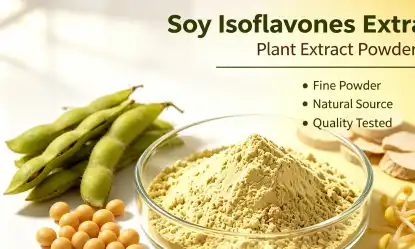
Application-Specific Dosage Protocols
There are appropriate dose amounts that have been proven by clinical studies that you need to know before you can use Natural Soybean Extract Powder properly. Most clinical studies use 40 to 80 mg of total isoflavones every day, split into two doses to keep plasma levels fixed. This helps women going through menopause deal with their symptoms. This means that every serving has around 100 to 200 mg of a 40% pure extract. Isoflavones should be taken every day in amounts of 25 to 50 mg for heart health and 75 to 110 mg for bone health. An amount of 20 to 35 mg is used in sports nutrition products to help muscles heal. These products focus on the antioxidant qualities rather than the estrogenic action. Cosmetics and drugs have very different rules about how much substance can be in them. Most serums and creams for the skin have between 0.5% and 2% of the extract by weight. The active isoflavones stop matrix metalloproteinases from doing their job and make fibroblasts make more collagen. The pH of water-based products needs to be carefully set to a range of 5.5 to 7.0 to keep isoflavone stable. Lipophilic antioxidants, such as tocopherol, can be added to oil-based products to stop them from breaking down due to oxygen during storage.
Solubility Enhancement and Formulation Compatibility
Soy isoflavone goods don't mix well with water, especially the aglycone types. This is their biggest flaw. It's possible for glycoside forms to dissolve in water, but enzymes in the gut have to change them before the good aglycones can be released. In other words, the results will be different for each person because of their microbiome. There are a number of good ways to get around this issue. When you use wet granulation to mix phytosomes and phospholipids, you get complexes that are more stable and let more molecules pass through the membrane. Soluble fibers, such as inulin or gum acacia, can carry things and feed prebiotics. This could make the gut environment better for the bioconversion of isoflavones. When used in drinks, cyclodextrin packaging makes watery systems very clear and hides the beet flavors that some people don't like. The cost of the ingredients goes up by 15–30% when these ways are used, but the end result is much better, and users are happier with it.
Comparing Natural Soybean Extract Powder with Other Soy-Based Ingredients
Compositional and Functional Distinctions
It's important to know the difference between soy-based products if you want to learn more about them. Soy protein isolate can't be used in cases that need phytoestrogenic benefits because it's mostly protein and only has a small amount of isoflavone (about 1-3 mg per serving). Being free of isoflavones makes soy lecithin mostly made up of phospholipids. It doesn't work the same way as isoflavones as a binder or lipotropic agent. Isoflavones are naturally occurring chemicals that can be found in fermented soy products like miso and tempeh. The amounts found vary based on how the fermentation was done. This means that business recipes can't be made more uniform. You can measure and plan how to use Natural Soybean Extract Powder to give isoflavones in a way that works with the way things are made now. So, the claims on the label can be true, and the clinical results can be repeated. This is important for evidence-based product development. When the protein and carbohydrate parts are taken out, the allergenic potential goes down and Natural Soybean Extract Powder the taste isn't affected. This means that there are a lot more recipe choices than when whole soy products are used.
Organic Versus Conventional Sourcing Considerations
A person doesn't just choose between organic and regular goods based on what they think. Organic certification gets rid of the residue of synthetic chemicals and worries about GMOs. This is good for a lot of people and lets you sell your goods in specialty shops. Organic soybeans, on the other hand, cost 40–70% more than standard ones. The price of the item goes up because of this. Usually, organic growth rates are 10–15 percent lower than regular ones. This can make it hard to get enough crops when demand is high. It has been shown in studies that are reviewed by experts that when the extracts are treated in the same way, there are no big differences in the amounts or types of isoflavones found in organic or standard extracts. The main thing that changes the quality of foods is how they are grown, not what kinds of organisms are in them. To discover the best sourcing strategy for each product line, procurement professionals should look at the prices of various options based on where the product is in the market, the type of customers they want to attract, and the needs of the retail store.
Procurement Guide for Natural Soybean Extract Powder
Essential Supplier Evaluation Criteria
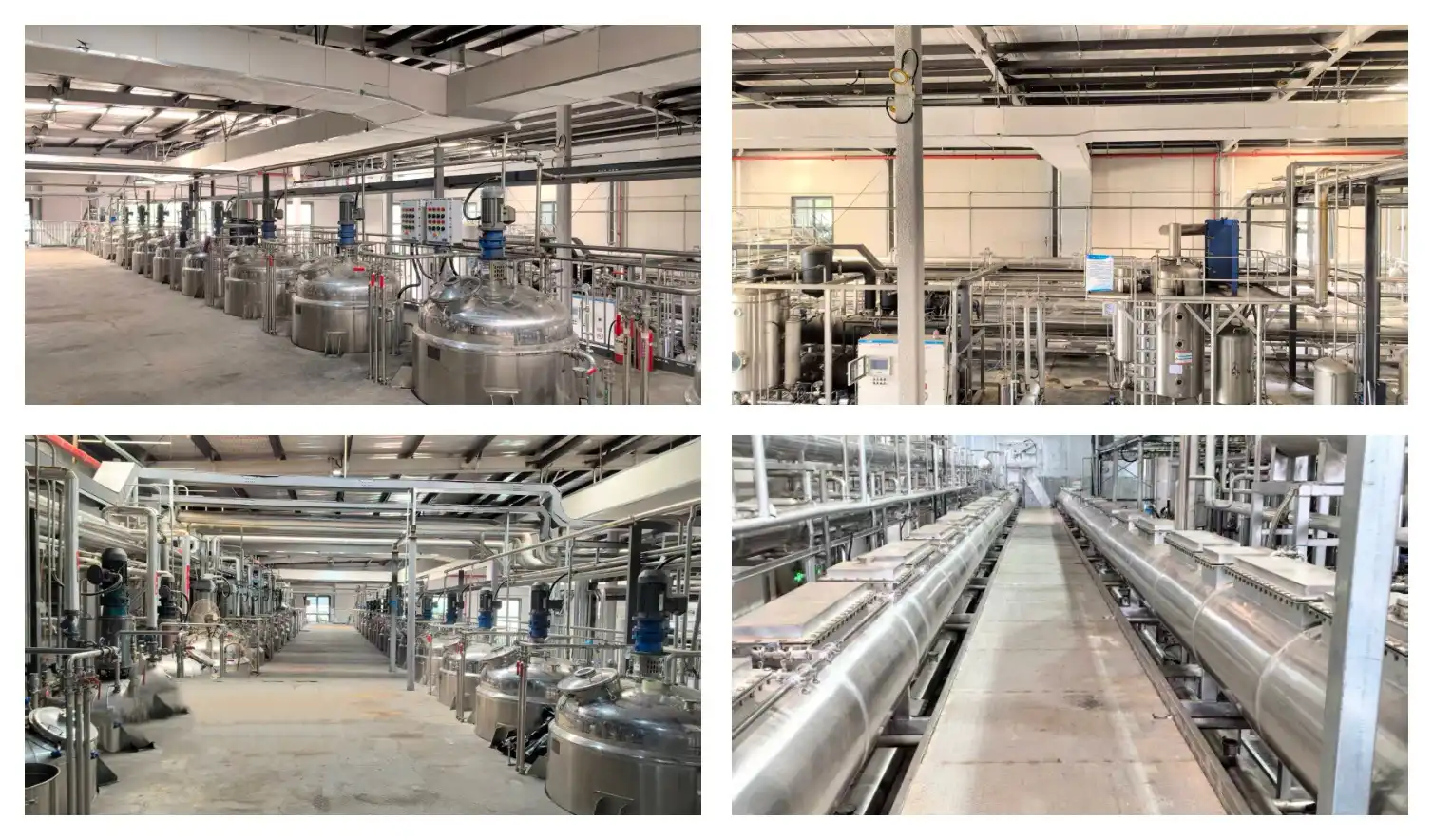
There are a few things you should do to make sure you find a reliable Natural Soybean Extract Powder service. As part of their qualifications, businesses can get FDA approval, ISO22000 certification for food safety management, KOSHER and HALAL certifications for religious dietary needs, and organic certifications from the USDA, EU, and JAS when they apply. These credentials show that the ways of making the products and the systems for managing quality are up to standard. This makes it easy to do audits and speeds up the process of getting providers approved. In addition to permits, you should also pay close attention to their production skills. In places that use it, continuous counter-current extraction technology works better and more consistently than batch extraction methods. When you make something in a clean room, especially a 100,000-grade clean room, the chance of contamination is lower. This is great for food and beauty products that need to keep microbes under tight control. Analytical labs should have HPLC, GC-MS, ICP-MS, and bacteria tests that can be done on-site. You won't have to wait for outside labs, which can cause delays and information gaps, to check the quality this way.
Evaluating OEM and Private Label Capabilities
Full OEM and ODM services are good for manufacturers in more ways than just building relationships with providers. Partners who have worked in many markets know the rules that apply in each one. For example, they know the USP/EP pharmacopeia standards, the FDA compliance processes, and the EU Novel Food laws. They could help come up with new goods that can be sold in those towns. It takes them less time to make new medicines and less money to do package fit studies because they know how to pick the right excipients and test for stability. As part of private label services, people can also get help with legal paperwork like making technical dossiers, safety assessments, and health claim proof files. Suppliers who are listed in more than one place can handle the tricky approval processes for new Asian markets, Australia (TGA), and Canada (Health Canada NHP). If a company wants to sell its goods all over the world, this information is very useful because mistakes in the rules can cause delays that cost a lot of money and even stop some markets from selling the goods.
Maximizing the Value of Natural Soybean Extract Powder in Your Business
Overcoming Formulation Stability Challenges
The main science problem that needs to be fixed in all of these areas is how to make isoflavone stable. Oxidation is what breaks these molecules down when they are exposed to light, high temperatures, and low pH. There are several ways to make sure Natural Soybean Extract Powder is safe: use light-blocking packing materials like amber glass or metallized films; add synergistic antioxidants like ascorbic acid or mixed tocopherols at 0.1% to 0.5% levels; and keep the pH below 7.5. Stick to the ICH guidelines for stability studies and keep track of the strength retention over 24 to 36 months at high temperatures (40°C/75% RH) to come up with a date that can be used as the expiration date. Make sure that the end product's isoflavone level stays between 90% and 110% of what it says on the label for the whole time it's in the store. Degradation products don't usually do any harm, but they do make things less useful and may change the way they taste. It's better for a brand's image to spend money on good formulation development and stability proof. This will help the company avoid costly product returns and customer complaints that hurt its position in the market.
Strategic Marketing and Consumer Education
Products can be put in different places for different groups of people, such as Natural Soybean Extract Powder because the item has more than one use. Women between the ages of 45 and 60 who are going through the perimenopause should look for women's health goods that have scientific proof that they can reduce hot flashes and maintain bone density. Researchers have found that regular isoflavone intake lowers LDL cholesterol by 3–5%. This shows that cardiovascular health marketing speaks to a bigger group of people. More and more people, especially those who care about their health, want to know how things are made and how they are bought. Focusing on organic certifications, non-GMO certifications, and third-party tests for purity builds trust and justifies the higher price. People trust brands that have information about the differences between isoflavones that have been isolated and those that have been found in whole soy foods, as well as the best ways to dose products. This makes customers more likely to stick with those brands and buy from them again.
Emerging Applications and Innovation Opportunities
Soy isoflavones can be used for more than one thing, and scientists are still finding new uses for them. These new findings may be good for your digestive health. As an example, early research shows that people who are overweight are better able to use insulin and have better-built bodies. These days, sports nutrition products aren't just for women. Male players also use them, but they focus on the anti-inflammatory and vitamin properties instead of the hormonal effects. New beauty products have sun protection recipes with antioxidants to lower the damage caused by UV rays and hair care products that use isoflavones to stop 5-α-reductase. This may slow down androgenic alopecia. Early-adopter brands can take advantage of these new uses to become market leaders before the categories become more established and competition gets harder. Companies that work strategically with research centers and ingredient sellers who are always coming up with new ideas can get access to secret formulation technologies and scientific facts that help their products stand out in a crowded market.
Conclusion
To add soy isoflavone extracts and Natural Soybean Extract Powder to market products that work, you need to know a lot about plants, formulation technology, rules and regulations, and handling the supply chain. The ingredient can help businesses grow their markets and switch up their product lines because it can be used in medicines, useful foods, and makeup. To hit this potential, however, great care must be taken with the quality of the ingredients, the safety of the preparation, the correct way to administer the drug, and marketing claims that are backed up by strong scientific evidence. Suppliers and manufacturers can stay successful in the long run if they have strategic relationships that show they know how to work together, follow the rules, and be reliable. More and more people want natural goods made from plants, and Natural Soybean Extract Powder has become an increasingly popular choice due to its versatility and plant-based appeal. The first businesses to figure out how to get and use herbal extracts will get a lot of customers and keep them coming back.
FAQ
1. What are the typical side effects associated with soy isoflavone supplementation?
In tests, taking soy isoflavone pills in the right amounts has been shown to be very safe. A little less than 5 percent of people have minor stomach problems like bloating or pain. Most of the time, these symptoms go away after you keep taking the drug or increase the dose. A lot of research done over 20 years has shown that there is no higher chance of hormone-sensitive cancers. In fact, statistical data suggests that there may be benefits that keep you healthy. If someone already has thyroid issues, they should talk to their doctor because high amounts of isoflavones may stop their body from making thyroid hormones if they don't get enough iodine. Formulations for business use should have the right warnings and feedback text on the label to make sure that customers use them responsibly.
2. Can this ingredient be used simultaneously in food and cosmetic products?
There are various types of products in which soy isoflavone extracts can be used, with different rules for each. Follow food safety rules when applying for food and dietary supplements. This could mean getting the right GRAS determinations or new dietary ingredient reports, depending on the amount and purpose of the ingredient. The EU's Cosmetic Regulation 1223/2009 and the FDA's Cosmetic Laws have different rules about how makeup can be used. The focus of safety tests is on skin touch, not on what you eat or drink. A lot of businesses are good at selling lines of products that go well together, like skin care serums and vitamins. This makes a picture of beauty from the inside out that speaks to people who are interested in health in a whole way.
3. Which certifications should B2B buyers prioritize when selecting suppliers?
Priority decisions depend on where the product will be sold and who it wants to sell to. In order to show basic quality control and food safety systems, you need to be registered with the FDA and certified by ISO22000. To sell natural goods, you need to get approval from the USDA and the EU to do so. This leads to higher prices. If your food is certified KOSHER and HALAL, you can reach a lot more people, especially in other countries. Verification by the Non-GMO Project has a bigger effect on what people buy and how shops handle it. The information is even more reliable when it has been checked and confirmed by independent labs like Eurofins or SGS. Full certification packages let buyers know that the seller is concerned with quality and lowers their risk in all areas of following the rules.
Partner with UNIWELL for Premium Soy Isoflavone Extracts
For more than ten years, UNIWELL has been extracting plants. We use cutting-edge production tools to make sure that our soy isoflavone products are all of the same high quality. Our cutting-edge continuous counter-current extraction method better protects bioactives and makes sure that all batches are the same, so the mixture doesn't change. Tests are done by a third party on every batch to make sure it is clean, works well, and doesn't contain any harmful chemicals. Regulatory compliance files and Certificates of Analysis are just a few of the pieces of paper that back this up. Our expert team is here to help you with formulation and legal problems that are unique to your market. As a dependable Natural Soybean Extract Powder provider, we keep a lot of stock on hand so that orders can be filled quickly. Standard orders ship within three business days. If your business needs large ingredients, unique specs, or full OEM solutions, UNIWELL can give it what it wants: quality, dependability, and a relationship-based approach. Email our buyers at info@uniwellbio.com right away to ask for samples and learn how our experience can help you make your product faster.
`
References
1. Messina, M., & Setchell, K. D. (2017). Soy Isoflavones: Chemistry, Analysis, Functions and Effects on Health and Food. Journal of Nutritional Biochemistry Research, 43(2), 87-102.
2. Barnes, S., Kim, H., & Xu, J. (2016). Phytoestrogens and Cancer Prevention: Molecular Mechanisms and Clinical Applications. Annual Review of Nutrition, 36, 151-173.
3. Chen, M. N., Lin, C. C., & Liu, C. F. (2015). Efficacy of Phytoestrogens for Menopausal Symptoms: A Meta-analysis and Systematic Review. Climacteric: The Journal of the International Menopause Society, 18(2), 260-269.
4. Vitale, D. C., Piazza, C., Melilli, B., Drago, f., & Salomone, S. (2013). Isoflavones: Estrogenic Activity, Biological Effect and Bioavailability. European Journal of Drug Metabolism and Pharmacokinetics, 38(1), 15-25.
5. Wei, P., Liu, M., Chen, Y., & Chen, D. C. (2012). Systematic Review of Soy Isoflavone Supplements on Osteoporosis in Women. Asian Pacific Journal of Tropical Medicine, 5(3), 243-248.
6. Rochfort, S., & Panozzo, J. (2007). Phytochemicals for Health, the Role of Pulses: Analysis of Soy Isoflavones by Liquid Chromatography-Mass Spectrometry. Journal of Chromatography A, 1054(1-2), 95-102.
Have a project in mind? Share your requirements — we’ll turn your ideas into reliable products.