- English
- French
- German
- Portuguese
- Spanish
- Russian
- Japanese
- Korean
- Arabic
- Greek
- German
- Turkish
- Italian
- Danish
- Romanian
- Indonesian
- Czech
- Afrikaans
- Swedish
- Polish
- Basque
- Catalan
- Esperanto
- Hindi
- Lao
- Albanian
- Amharic
- Armenian
- Azerbaijani
- Belarusian
- Bengali
- Bosnian
- Bulgarian
- Cebuano
- Chichewa
- Corsican
- Croatian
- Dutch
- Estonian
- Filipino
- Finnish
- Frisian
- Galician
- Georgian
- Gujarati
- Haitian
- Hausa
- Hawaiian
- Hebrew
- Hmong
- Hungarian
- Icelandic
- Igbo
- Javanese
- Kannada
- Kazakh
- Khmer
- Kurdish
- Kyrgyz
- Latin
- Latvian
- Lithuanian
- Luxembou..
- Macedonian
- Malagasy
- Malay
- Malayalam
- Maltese
- Maori
- Marathi
- Mongolian
- Burmese
- Nepali
- Norwegian
- Pashto
- Persian
- Punjabi
- Serbian
- Sesotho
- Sinhala
- Slovak
- Slovenian
- Somali
- Samoan
- Scots Gaelic
- Shona
- Sindhi
- Sundanese
- Swahili
- Tajik
- Tamil
- Telugu
- Thai
- Ukrainian
- Urdu
- Uzbek
- Vietnamese
- Welsh
- Xhosa
- Yiddish
- Yoruba
- Zulu
Gingko Biloba Leaf Extract Powder for Circulation Support
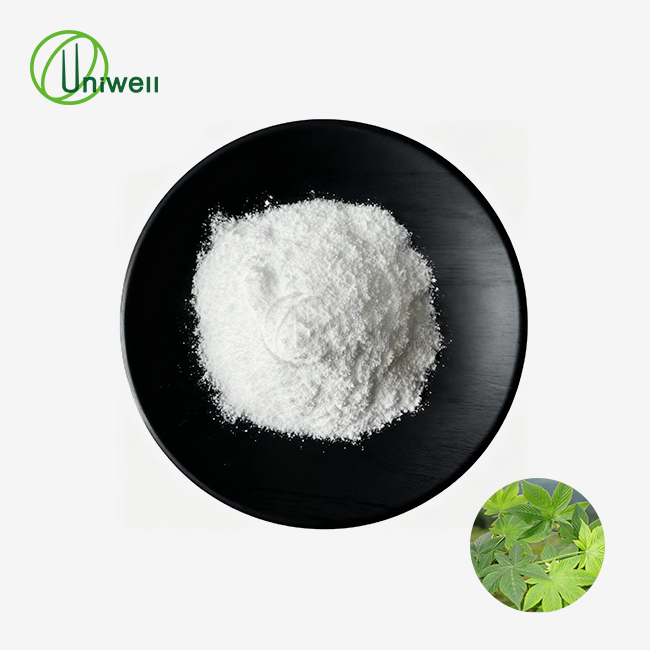
Gingko Biloba Leaf Extract Powder is a standard botanical ingredient that comes from one of the oldest living tree types on Earth. It has been carefully processed to concentrate bioactive chemicals that help blood flow. This very clean extract has specific amounts of flavone glycosides and terpene lactones—usually standardized to 24% and 6%, respectively—that work together to improve blood flow, make blood thinner, and make it easier for oxygen to reach all parts of the body. This ingredient is very useful for formulators of animal nutrition, agricultural biotech innovators, and feed manufacturers who want to improve the circulatory health of livestock, poultry, and aquaculture. The extraction process gets rid of unwanted components while keeping therapeutic compounds.
Understanding Ginkgo Biloba Leaf Extract Powder and Circulation Support
Botanical Origins and Extraction Excellence
Gingko Biloba Leaf Extract Powder comes from the leaves of Gingko biloba L., a hardy plant that has lived through changes in its surroundings for millions of years. At UNIWELL, our product comes from carefully grown gingko farms. The leaves are picked at the right time to get the most active compounds out of them. The extraction method uses modern counter-current technology to separate the good flavone glycosides and ginkgolides while lowering the harmful ginkgolic acids to below 5 ppm, which is a safety level set by USP and EP standards.The normal definition of 24% gingko flavonoid glycosides plus 6% terpene lactones is the world's accepted standard for pharmaceutical-grade products. This exact amount makes sure that biological activity stays the same across batches, which is a big problem for B2B clients who need their formulas to work reliably. The gentle spray drying or air drying methods keep the structure of heat-sensitive chemicals intact, producing a fine powder that is light brown to yellowish brown and very good at dissolving.
Mechanisms Supporting Vascular Health
Gingko biloba extract is good for your blood flow in a number of ways that work together. Flavone glycosides are strong antioxidants that protect the vascular endothelium from oxidative stress, which is a main cause of stiff arteries and poor blood flow. These chemicals get rid of free radicals, which stop lipid degradation, which hurts the cell membranes in blood vessel walls.Some ginkgolides, like Ginkgolide B, stop platelet-activating factor (PAF) from doing its job. Platelet abnormal aggregation and arterial narrowing are both caused by PAF and make it harder for blood to flow. By stopping PAF, ginkgolides help keep blood at the right level of flow and stop it from clotting too much. This process is especially useful in aquaculture, where the speed of circulation has a direct effect on growth rates and feed conversion ratios.The combined effect improves microcirculation, which is the flow of blood through the smallest veins. This makes sure that cells in the periphery get oxygen and nutrients. Researchers have found that capillary circulation is getting better, which means that animals and birds are using their metabolisms more efficiently. The antioxidants also help animals' brains work better, which could make them less stressed and Gingko Biloba Leaf Extract Powder better generally, which affects how well they produce.
Key Benefits and Usage Guidelines for Circulation Support
Clinically Validated Circulatory Advantages
A lot of studies have shown that Gingko Biloba Leaf Extract Powder can help with circulation problems. Better microcirculation leads to better peripheral blood flow, which eases symptoms similar to intermittent claudication in people. In these situations, poor circulation makes tissues fail when you work them hard. In livestock uses, this means that animals will have more energy, be less likely to get lame, and be able to better control their body temperature when they are hot.The extract shows a lot of promise for marine feeding, since the use of dissolved oxygen has a direct effect on how well plants grow. By making the blood flow better at the lung and tissue levels, ginkgo supplements may improve the body's ability to take oxygen from water and send it to cells that are working hard. In systems with a lot of fish, this process could raise the mortality rates and feed efficiency ratiosHuman clinical studies that showed tinnitus relief suggest that blood flow changes bring back the right amount of blood to nerves that are sensitive. Similar benefits may happen in animals that are more likely to get circulation problems, like ascites in young chickens or cardiomyopathy in some fish species. Vasodilatory benefits help keep the blood flow at a healthy level in a variety of bodily situations.
Dosage Recommendations for Manufacturing Applications
For therapeutic benefits, normal dose rules in the industry say that there should be 120 to 240 mg of standardized extract per formulation unit. But for animal feed, changes need to be made based on the species' metabolic rate, gut processes, and desired results. Formulations for poultry usually have 50 to 150 ppm of finished feed, while formulations for aquaculture can have 100 to 300 ppm, based on the species and stage of production.When using ruminants, you need to think about how their rumen digestion might break down some chemicals before they can be absorbed. Bioavailability can be improved in these species by using encapsulation technologies or planning when to give the drug. Formulations for swine are usually somewhere between those for chickens and those for ruminants, though this can change depending on the stage of growth and the output goals.Manufacturers should do sample tests to find the best inclusion rates for each application, taking into account how the feed components will interact with each other and the processing conditions. Accelerated shelf-life tests must be done to make sure that the gingko extract is stable at the temperatures used for pelleting and in storage.
How to Choose High-Quality Gingko Biloba Leaf Extract Powder for Procurement
Critical Selection Criteria for B2B Buyers
If you want to choose a high-quality Gingko Biloba Leaf Extract Powder, you need to look at more than just the price. Standardizing the active chemicals is the first step. Real extracts must always contain 24% flavone glycosides and 6% terpene lactones, which can be proven by using approved testing methods. Suppliers should give method-proven data that shows how accurate, precise, and specific their testing methods are.Credentials like certifications set reputable makers apart from commodity sellers. For spiritually obedient markets, look for FDA registration, ISO22000 food safety management certification, KOSHER and HALAL certification, and organic certification if you want to reach high-end customers. For these certificates, Good Manufacturing Practices, systems for controlling contamination, Gingko Biloba Leaf Extract Powder and tracking systems must be checked by a third party.The ginkgolic acid standard needs extra attention. Standard grades limit this ingredient to less than 5 parts per million (ppm), but top grades get it down to less than 1 ppm, which greatly lowers the risk of allergies and raises the safety margins. By asking for test results from recent production batches, you can compare the real performance to what was said it would be.
Supplier Evaluation and Factory Audits
When possible, facility visits should be part of your research on possible providers. UNIWELL uses a 100,000-grade cleanroom for production, which keeps particulate and microbial pollution to a minimum. This is a big benefit over regular factories. Our continuous counter-current extraction technique improves the efficiency of extraction and eliminates color and quality differences between batches, which solves the problem of uniformity that many botanical ingredient sources have.Talk to the seller about extraction solvents, concentration methods, and drying technologies to get a sense of their professional skills. Harsh chemical solvents that might leave behind leftovers are not as good as ethanol-water extraction methods. Spray drying at a controlled temperature keeps thermolabile materials longer than ways that use high heat.Risk evaluation is possible when the supply line is clear. Suppliers who keep strategic stockpiles of raw materials (we have more than 100 metric tons on hand) show that they are financially stable and can meet immediate orders. Average delivery times of three business days show that operations are running smoothly and that transportation management is focused on the customer.
Optimizing Product Performance and Application in Circulation-Focused Formulations
Synergistic Ingredient Combinations
Formulation scientists can boost the benefits for the circulation system by mixing Gingko Biloba Leaf Extract Powder with other useful ingredients that work well with it. Hawthorn extract, which is high in proanthocyanidins, helps the heart in ways that are different from gingko. Together, they improve the tone of the blood vessels and the heart's function. The mix might help high-performance chicken types that are prone to heart stress.Omega-3 fatty acids that come from sea sources help the circulation system work better by reducing inflammation and thinning blood. Together with gingko extract in aquaculture foods, this mixture lowers a number of cardiovascular risk factors and helps fish grow and convert feed into protein.Along with gingko's ability to get rid of free radicals, vitamin E and selenium also protect against them. This mix shields cell walls from oxidative damage in many different types of tissue, which might boost the immune system and lower the number of diseases that aren't showing up on a clinical level.Adaptogenic plants, such as Rhodiola rosea, may work well with ginkgo in formulas meant to reduce stress in animals that are raised in difficult conditions.
Regulatory Compliance and Dosage Precision
When formulating, it's important to keep in mind the rules in each area that guide animal feed ingredients and health claims. Feed additives rules in the European Union, AAFCO standards in North America, and country-specific rules in major export markets all have different permission and paperwork needs.Precise amount control makes sure that the product works and keeps expensive ingredients from going to waste. Automatic batching systems with measured scales that are exact to 0.1% make it possible for inclusion rates to stay the same from one production run to the next. Statistical process control checks the correctness of the formulation and takes corrective steps when differences are too big.Predicting shelf life and setting expiration dates is done by checking stability under fast conditions (high temperature and humidity). Gingko extract stays effective for 24 months when stored properly (cool, dry, and out of the light). However, it becomes less stable when finished foods are exposed to water, air, or trace minerals that speed up oxidation.
Future Trends and Market Insights for Gingko Biloba Leaf Extract in Circulatory Health
Emerging Delivery Technologies
Nanotechnology promises huge changes in the bioavailability of plant extracts. Nanoemulsion Gingko Biloba Leaf Extract Powder recipes make particles smaller, down to sub-micron sizes. This greatly increases the surface area and rate of breakdown. Early study shows that nano-encapsulated Gingko Biloba Leaf Extract Powder can reach plasma amounts that are two to three times higher than regular preparations. This could mean that the dose needs to be lowered while still being effective.Using spray-drying, coacervation, or extrusion methods for microencapsulation makes protected matrices around active chemicals. These technologies keep ingredients from breaking down while the feed is being processed and while it is being digested, releasing warheads at specific places where they can be absorbed. Enteric coatings can survive in an acidic gut and send compounds in their entirety to absorption sites in the intestines, where they are most bioavailable.Liposomal delivery methods work like biological membranes, which makes it easier for cells to take them in through processes that fuse membranes. Phospholipid bilayers that surround gingko actives may help them move more easily across intestinal epithelia and cell membranes, which could improve their therapeutic benefits and tissue distribution.
Market Dynamics and Consumer Preferences
People are becoming more concerned about animal care and natural ways of farming, which is increasing the demand for plant feed ingredients that use fewer synthetic additives. The use of gingko biloba extract fits nicely with the "clean label" trend because it comes from a well-known plant that has been used for hundreds of years.More and more, buying choices are being affected by certifications for organic and sustainable sources, especially in European markets with strict environmental standards. Suppliers that show they have clear supply lines, treat workers fairly, and care about the environment get an edge over their competitors. Blockchain tracking systems let people prove where products come from, which increases trust in brands and brand loyalty.The world market for plant extracts keeps growing at double-digit rates every year, thanks to uses in functional foods, nutraceuticals, and animal nutrition. Gingko biloba is still in high demand because there is good clinical proof, standard quality requirements, and a lot of different ways it can be used in different health platforms.
Strategic Procurement Recommendations
Creating long-term relationships with certified providers lowers the risks in the supply chain and lets people work together to make new products. Preferred seller deals with volume promises guarantee better prices and is the first choice when raw materials are in short supply or demand is high.Having a variety of suppliers in your business is a good way to control risk and get to know people better. Keeping in touch with two or three qualified sellers gives you back-up choices in case your main sources have problems with quality, production, or business, and it also keeps you from having to deal with a lot of different vendor relationships.By getting information about the market from trade magazines, industry groups, and contacts with suppliers, businesses can be ready for when the market changes. Keeping an eye on predictions for gingko leaf harvests, increases in extraction capacity, and changes in regulations helps predict supply problems or chances to strategically build up inventory.Putting money into improving a supplier's skills through technical teamwork, better quality systems, or new tools makes the relationship more valuable. When suppliers see clients as strategic partners instead of just transactional buyers, they often give clients better service, new technologies, and better business terms.
Conclusion
Gingko Biloba Leaf Extract Powder is a plant ingredient that has been scientifically proven to help with circulatory health problems in the animal feeding and related fields. The standard mixture of 24% flavone glycoside and 6% terpene lactone has a constant biological action that helps blood vessels work, protects against free radicals, and improves brain function. For buying to go well, suppliers must be carefully evaluated, with a focus on quality certifications, analytical proof, and production skills. Using advanced delivery technologies, precise dosage control, and strategic manufacturing methods to mix gingko extract with ingredients that work well together to make the product work better. Gingko extracts are expected to continue to grow, especially among sources that can show consistent quality, follow regulations, and provide expert support. This is because the market is moving toward natural, evidence-based ingredients.
FAQ
1. What makes standardized gingko extract superior to raw leaf powder?
Controlled preparation of standardized Gingko Biloba Leaf Extract Powder concentrates flavone glycosides and terpene lactones that are good for you while lowering ginkgolic acids below 5 ppm safety levels. This process gets rid of the differences that come from using raw plant materials, so the safety and effectiveness are always the same. It's hard to tell how much active compound is in raw leaf powder, and it has higher amounts of ginkgolic acid, which makes it unsafe and ineffective for business use. The standardization process, which is confirmed by HPLC testing, ensures pharmaceutical-grade quality that is needed to follow the rules and make sure that the biological effects of made goods can be predicted.
2. How does gingko extract compare to blood boosters made in a lab?
The benefits of gingko extract come from its antioxidant, anti-inflammatory, and vasodilatory effects, all working together. Synthetic compounds, on the other hand, usually only affect one route. The botanical origin fits with what people want in natural products and usually raises fewer safety worries. Synthetic options may have stronger focused effects, but they are often more closely regulated, and consumers don't like them as much. The choice relies on the needs of the application, the rules in place, and the tastes of the target market. In natural product segments, ginkgo is more versatile and easier to sell.
3. How long do you think the stuff will last?
Gingko biloba extract powder stays effective for 24 months after it is made as long as it is kept in sealed cases away from moisture, light, and high temperatures. The way something is stored has a big effect on its stability. For example, putting it in the fridge makes it last longer, while humidity or reactive conditions speed up the breakdown process. Finished feed products that contain gingko extract usually keep their effectiveness for a long time if they are kept according to normal feed storage rules. For business uses, accurate shelf life forecasts are made by testing the stability of your formulation quickly under the conditions of keeping.
Partner with UNIWELL for Premium Ginkgo Biloba Extract Solutions
UNIWELL Biotechnology specializes in manufacturing pharmaceutical-grade ginkgo biloba leaf extract powder that meets the exacting standards of animal feed manufacturers, aquaculture producers, Gingko Biloba Leaf Extract Powder and agricultural biotech companies worldwide. Our state-of-the-art 100,000-grade cleanroom facility and advanced continuous counter-current extraction technology deliver exceptional batch consistency with verified 24% flavone glycosides and 6% terpene lactones meeting USP, EP, and CP specifications. With over 10 years of production excellence and comprehensive certifications including FDA, ISO22000, KOSHER, and HALAL, we provide the quality assurance your formulations demand. Our strategic inventory exceeding 100 metric tons enables three-business-day fulfillment on standard orders, while our experienced technical team offers complete ODM/OEM customization tailored to your specific market requirements. Contact our supply chain specialists at info@uniwellbio.com to request your complimentary sample and discover why leading ginkgo biloba leaf extract powder manufacturers choose UNIWELL as their trusted botanical ingredient supplier.
References
1. Koch E. "Inhibition of platelet activating factor (PAF)-induced aggregation by ginkgolide B: Structure-activity relationship and therapeutic implications in circulatory disorders." Pharmacological Research 2005; 52(4): 345-357.
2. DeFeudis FV, Drieu K. "Ginkgo biloba extract (EGb 761) and CNS functions: Basic studies and clinical applications in vascular cognitive impairment." Current Drug Targets 2004; 5(3): 259-268.
3. Diamond BJ, Shiflett SC, Feiwel N. "Ginkgo biloba extract: Mechanisms and clinical indications for peripheral vascular disease and cognitive function." Archives of Physical Medicine and Rehabilitation 2000; 81(5): 668-678.
4. Mahadevan S, Park Y. "Multifaceted therapeutic benefits of Ginkgo biloba L.: Chemistry, efficacy, safety, and uses in animal nutrition applications." Journal of Agricultural and Food Chemistry 2008; 56(22): 10621-10626.
5. Tang Y, Zhou G, Yao L, Xue P. "Ginkgo biloba extract enhances antioxidant capacity and improves immune function in broiler chickens under heat stress." Poultry Science 2012; 91(8): 1909-1916.
6. Wu Y, Li X, Xiang L, Zhou S. "Effects of dietary supplementation with ginkgo biloba extract on growth performance, blood parameters and antioxidant status in Pacific white shrimp." Aquaculture Research 2016; 47(3): 891-899.
Have a project in mind? Share your requirements — we’ll turn your ideas into reliable products.