- English
- French
- German
- Portuguese
- Spanish
- Russian
- Japanese
- Korean
- Arabic
- Greek
- German
- Turkish
- Italian
- Danish
- Romanian
- Indonesian
- Czech
- Afrikaans
- Swedish
- Polish
- Basque
- Catalan
- Esperanto
- Hindi
- Lao
- Albanian
- Amharic
- Armenian
- Azerbaijani
- Belarusian
- Bengali
- Bosnian
- Bulgarian
- Cebuano
- Chichewa
- Corsican
- Croatian
- Dutch
- Estonian
- Filipino
- Finnish
- Frisian
- Galician
- Georgian
- Gujarati
- Haitian
- Hausa
- Hawaiian
- Hebrew
- Hmong
- Hungarian
- Icelandic
- Igbo
- Javanese
- Kannada
- Kazakh
- Khmer
- Kurdish
- Kyrgyz
- Latin
- Latvian
- Lithuanian
- Luxembou..
- Macedonian
- Malagasy
- Malay
- Malayalam
- Maltese
- Maori
- Marathi
- Mongolian
- Burmese
- Nepali
- Norwegian
- Pashto
- Persian
- Punjabi
- Serbian
- Sesotho
- Sinhala
- Slovak
- Slovenian
- Somali
- Samoan
- Scots Gaelic
- Shona
- Sindhi
- Sundanese
- Swahili
- Tajik
- Tamil
- Telugu
- Thai
- Ukrainian
- Urdu
- Uzbek
- Vietnamese
- Welsh
- Xhosa
- Yiddish
- Yoruba
- Zulu
What Is Soybean Extract from Soybean Germs and Its Key Benefits?
Soybean Extract from Soybean Germs speaks to a concentrated phytochemical powerhouse inferred from the embryonic tissue of non-GMO Glycine max soybeans. This specialized extract conveys altogether higher concentrations of bioactive isoflavones compared to routine soy items, advertising focused on benefits for hormonal balance, cardiovascular wellbeing, and antioxidant assurance. Women's wellbeing brands progressively depend on this premium ingredient to address menopausal symptoms, bone density concerns, and general wellness formulations.
What is Soybean Extract from Soybean Germs?
Soybean Extract from Soybean Germs stands as a profoundly refined botanical concentrate sourced only from the hypocotyl parcel of soybeans. Whereas soybean germs constitute only 2% of the total bean weight, they harbor extraordinary concentrations of particular isoflavones that make this extract exceptionally profitable for nutraceutical applications.
Sourcing and Extraction Process
The extraction preparation starts with a cautious choice of non-GMO Glycine max (L.) Merr. soybeans, taken after the exact division of the germ fabric. Progressed dissolvable extraction strategies and tender shower drying strategies protect the fragile bioactive compounds, whereas accomplishing standardized strength levels extending from 5% to 95% add up to isoflavones through HPLC analysis.
Advantages Over Traditional Soy Protein Extracts
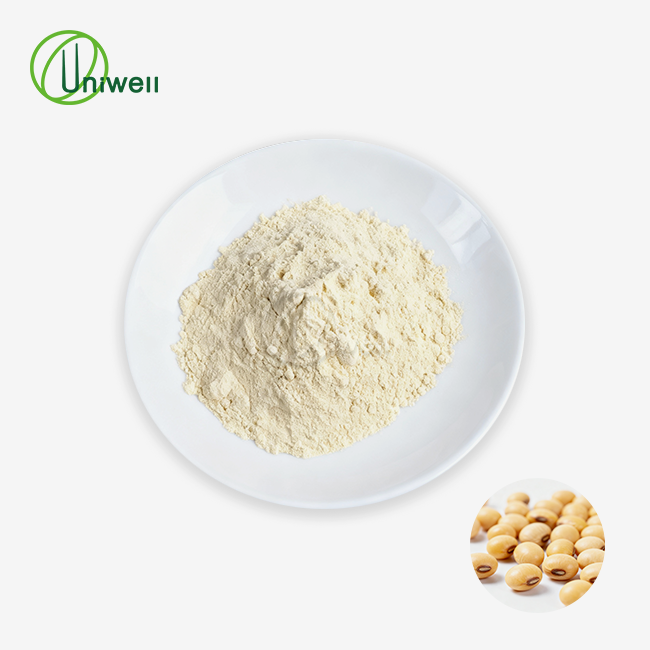
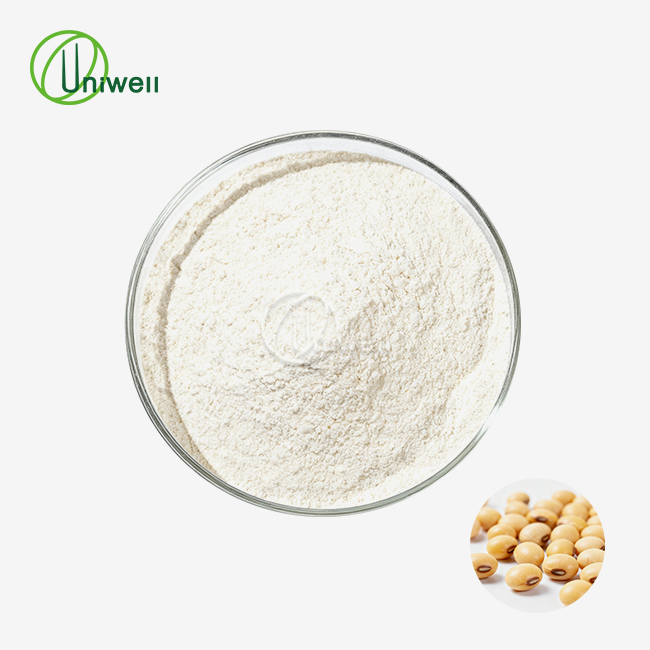
Unlike entire soy protein separates or ordinary soy flour, this specialized extract disposes of anti-nutritional components such as trypsin inhibitors, while concentrating useful compounds. The coming about light yellow fine powder contains five essential dynamic fixings: Daidzin, Genistin, Genistein, Glycitin, and Daidzein, each contributing interesting physiological benefits.
Quality Control and Consistency
The botanical classification Glycine max includes over 2,500 soybean assortments; however, in particular cultivars illustrate ideal germ composition for extraction purposes. Quality producers execute thorough testing conventions to guarantee reliable bioactive profiles over generation clumps, tending to a basic challenge in crude agrarian commodities.
Advanced Extraction Technology
Modern offices utilize persistent counter-current extraction innovation to maximize surrender while maintaining atomic judgment. This modern approach permits exact control over temperature, weight, and dissolvable contact time, resulting in prevalent extract quality compared to conventional group preparation methods.
The Problem It Solves and Market Needs
Women's Health Supplement Brands
Women's health supplement makers struggle to provide hormonal balancing and menopause support formulations. Traditional plant extracts frequently lack therapeutically effective active ingredient concentrations, potency, and bioavailability. A unique Soybean Extract from Soybean Germs provides a more consistent supply of tailored phytoestrogens for formulation.
The Menopausal Support Challenge
Women in menopause include hot flashes, nocturnal sweats, mood swings, and decreased bone density. Customary hormone replacement therapy has risks, therefore delicate yet feasible back options are needed. The biggest challenge for manufacturers is finding strong fixes to address these physiological changes without using artificial substances.
Formulation & Sourcing Hurdles
Pharmaceutical formulators deal with raw material uniformity while manufacturing standardized products. Growing factors, harvest time, and storage affect agricultural commodity composition. Variability makes dosage estimates and regulatory compliance difficult. As customers demand clarity about origins and processing techniques, high-end nutraceutical businesses need ingredients like Soybean Extract from Soybean Germs that fulfill strict quality requirements and give proven benefits.
Stability and Scientific Opportunity
Clinical nutrition firms making customized formulas need concentrated bioactive ingredients that don't degrade. Common production methods often deplete heat-sensitive isoflavones. Increasing awareness of phytoestrogens as SERMs has opened up opportunities for targeted health care. Investigating shows that soybean germs' isoflavone levels give more natural movement than whole soy products, making Soybean Extract from Soybean Germs a great alternative for next-generation formulae.
Core Features and Functionality Deep Dive
1. Standardized isoflavones are soybean germ extract's base. Daidzein and genistein, the crucial aglycone forms, bind to bodily estrogen receptors to coordinate estrogenic activity. These chemicals have a strong affinity for estrogen receptor beta (ERβ), found in cardiovascular tissue, bone, and the central nervous system.
2. Glycitin and daidzin are intestinal glycoside forerunners that become dynamic aglycones. This delayed actuation component preserves bioavailability and reduces gastrointestinal discomfort compared to coordinated aglycone administration.
3. Genistin, the glycoside form of genistein, boosts capacity and preparation strength. The glycoside structure protects the dynamic ingredient from oxidation and maintains water solubility for absorption.
4. The phenolic structure of isoflavones scavenges free radicals and prevents lipid peroxidation, making the extract antioxidant. Beyond coordinating antioxidant movement, this protective component balances antioxidant chemical processes.
5. Concentrating isoflavones without competing chemicals in soy products improves bioavailability. Fiber and protein absence improves intestine retention and metabolic conversion.
6. Temperature stability during formmaking is useful. The standardized extract maintains power throughout supplement production, including tablet compression at 40-60°C and gelatin encapsulation.
7. Quality control includes testing for heavy metals, pesticides, microbiological contamination, and dissolvable buildups. Each group undergoes HPLC testing for isoflavone substance and profile consistency.
Technology and Manufacturing Excellence
Advanced Extraction Technology
Advanced extraction innovation utilizes supercritical CO2 and ethanol-water frameworks to specifically concentrate isoflavones whereas minimizing undesirable compounds. The multi-stage preparation starts with mechanical division of germ fabric utilizing accuracy discuss classification technology.
Solvent Extraction and Optimization
Solvent extraction utilizes food-grade ethanol arrangements optimized for isoflavone solvency and selectivity. Temperature-controlled extraction chambers keep up ideal conditions for most extreme surrender without thermal degradation of delicate compounds.
Purification and Refinement
Purification steps incorporate actuated carbon treatment, film filtration, and crystallization forms that expel pollutions whereas concentrating target atoms. Particle trade chromatography encourage refines the extricate composition to accomplish indicated power levels.
Spray Drying and Powder Formation
Gentle splash drying innovation changes fluid concentrates into a steady powder frame utilizing carefully controlled channel and outlet temperatures. The prepare jam atomic structure whereas accomplishing dampness substance underneath 5%, for amplified rack stability.
Microencapsulation for Protection
Microencapsulation alternatives secure delicate isoflavones from oxidation and improve flowability for fabricating applications. Specialized coating materials make obstructions against light, oxygen, and stickiness exposure.
Quality Assurance and Compliance
Quality confirmation conventions incorporate real-time observing of basic prepare parameters, factual handle control, and comprehensive bunch documentation. Explanatory strategies take after USP and EP monographs where appropriate, guaranteeing worldwide administrative compliance.
Continuous Improvement and Customer Support
Continuous enhancement activities consolidate input from downstream producers to optimize powder characteristics, disintegration profiles, and definition compatibility. Specialized bolster groups collaborate with clients to address particular application requirements.
Key Advantages and Competitive Benefits
Superior Isoflavone Concentration
Soybean Extract from Soybean Germs conveys predominant isoflavone concentrations compared to ordinary soy fixings, empowering exact dosing in compact definitions. The 10-20 overlay concentration advantage permits producers to make powerful items without over-the-top capsule sizes or tablet weights.
Consistent Quality and Regulatory Compliance
Consistent batch-to-batch quality dispenses with detailing changeability that plagues rural crude materials. Standardized strength guarantees solid item execution and bolsters administrative compliance prerequisites over universal markets.
Enhanced Bioavailability
Enhanced bioavailability comes about from the filtered introduction of dynamic compounds without interfering substances. Clinical studies illustrate progressed assimilation rates compared to entire soy items, leading to superior helpful outcomes.
Reduced Allergenic Potential
Reduced allergenic potential requests to delicate customers who experience antagonistic responses to soy protein but endure decontaminated isoflavones. The extraction handle evacuates most allergenic proteins while protecting advantageous phytonutrients.
Neutral Taste Profile
Neutral taste profile encourages joining into different conveyance designs without concealing necessities. The refined extricate needs the characteristic "beany" flavor related to soy protein ingredients.
Extended Shelf Stability
Extended rack solidness beneath appropriate capacity conditions underpins worldwide dispersion systems and diminishes stock dangers. The standardized extract keeps its power for 24-36 months when stored in cool, dry environments.
Comprehensive Documentation and Support
Comprehensive documentation bundle incorporates certificates of investigation, administrative back information, and application rules that streamline item advancement timelines for brand owners.
Potential Limitations and Considerations
1. Cost makes soybean germ extract a premium ingredient, costing more than regular soy products. Budget-conscious firms may find the investment difficult compared to less polished alternatives.
2. Individual isoflavone compounds and their synergistic effects must be considered while determining dosage. Long-term supplementing procedures need formulators to balance potency and safety.
3. Global regulations complicate multinational brands. Some jurisdictions limit phytoestrogen content or require hormonal health claim labeling.
4. Isoflavone metabolism genetics affect response variability. About 30-50% of people have gut bacteria that can convert daidzein to equol, a stronger metabolite.
5. Product labels should indicate professional advice for hormone therapy and blood-thinning medicines due to interaction possibility.
6. Light, heat, and moisture must be avoided to ensure potency during storage. Mishandling accelerates deterioration and lowers therapeutic value.
7. Analytical verification requires advanced testing to verify identification, purity, and potency. Limited resources may prevent smaller enterprises from implementing quality control processes.
Comparison with Market Alternatives
Soybean Germ Extract vs. Traditional Soy Protein Isolates
Traditional soy protein isolates contain 1-3% isoflavones by weight, requiring large serving sizes to achieve therapeutic dosing. Soybean germ extract delivers equivalent isoflavone content in significantly smaller quantities, improving consumer compliance and reducing formulation costs.
Red Clover Extract vs. Soybean Germ Extract
Red clover extract offers different isoflavone profiles with higher concentrations of formononetin and biochanin A. However, soybean-derived isoflavones demonstrate superior research validation and safety profiles based on extensive human consumption history.
Synthetic Isoflavones vs. Botanical Extracts
Synthetic isoflavones provide consistent composition but lack the natural cofactors and synergistic compounds found in botanical extracts. Consumer preference increasingly favors naturally-sourced ingredients despite potential cost premiums.
Fermented Soy Ingredients
Fermented soy ingredients like tempeh and miso contain modified isoflavone profiles with enhanced bioavailability. However, standardization challenges and variable composition limit their utility in supplement applications.
Whole Soybean Flour
Whole soybean flour retains complete nutritional profiles but suffers from low isoflavone concentrations and potential digestive issues. Processing requirements and stability concerns further complicate commercial applications.
Kudzu Root Extract
Kudzu root extract delivers puerarin and related isoflavones with different receptor binding profiles. Limited research and unfamiliar consumer recognition restrict market acceptance compared to established soy ingredients.
Target Audience and Ideal Applications
1. Primary market segment: women's health supplement companies create menopausal, bone, and hormonal balancing products. Target demographics include 35-65-year-old women seeking natural hormone treatment options.
2. Companies that sell menopause support products treat numerous problems. Isoflavone extracts are usually combined with calcium, vitamin D, and black cohosh.
3. Hormonal balancing formula makers make perimenopause, postmenopause, and general endocrine support products. Precise dosage allows tailored therapy.
4. Luxury nutraceuticals emphasize quality, purity, and scientific confirmation. These firms target educated people ready to pay for high-quality products and proven performance.
5. Clinical nutrition firms provide practitioner-recommended health formulations. Technical support and research documents are needed for treatment claims in professional channels.
6. Standardized plant medications are explored for over-the-counter and prescription use by pharmaceutical corporations. Regulatory compliance and production uniformity are important selection considerations.
7. Functional food makers add isoflavones to protein powders, nutrition bars, and drinks. Applications need thermal stability, neutral flavor, and clean label compatibility.
Conclusion
Soybean Extract from Soybean Germs emerges as an indispensable ingredient for modern women's health formulations, delivering concentrated isoflavones with proven therapeutic benefits. The superior bioavailability, consistent potency, and comprehensive safety profile position this extract as the premium choice for discerning manufacturers.
As consumer awareness of natural hormone support continues expanding, brands incorporating high-quality soybean germ extract gain significant competitive advantages. The combination of scientific validation, manufacturing excellence, and regulatory compliance creates opportunities for market leadership in the rapidly growing women's wellness sector.
Frequently Asked Questions
Q1: How does Soybean Extract from Soybean Germs differ from regular soy protein powder?
A: Soybean Extract from Soybean Germs has 10-20 times more isoflavones than soy protein powder. Soy protein concentrates amino acids, whereas our extract stresses hormonal and cardiovascular-beneficial phytoestrogens. A medicine is refined by eliminating proteins and anti-nutrients.
Q2: What is the recommended daily dosage for optimal health benefits?
A: For menopausal symptoms and cardiovascular support, clinical studies employ 40-80mg of total isoflavones daily. The optimal dosage varies on weight, sickness severity, and metabolism. For hormone-sensitive or medicated patients, professional counsel determines intake quantities.
Q3: Are there any safety concerns or contraindications for long-term use?
A: Due to considerable research and common use, soybean isoflavones are safe. Patients with hormone-sensitive cancers, thyroid issues, or blood-thinning medicines should consult their physicians before usage. Pregnant and lactating women should avoid concentrated isoflavone supplementation due to hormonal effects.
Partner with UNIWELL for Premium Soybean Extract Solutions
UNIWELL stands as your trusted Soybean Extract from Soybean Germs supplier, combining over 10 years of botanical extraction expertise with cutting-edge manufacturing capabilities. Our FDA-registered facility maintains comprehensive certifications including KOSHER, HALAL, and ISO22000, ensuring global compliance for your formulations.
We guarantee zero batch-to-batch variation through advanced continuous counter-current extraction technology and rigorous quality control protocols. Our strategic inventory of over 100 metric tons enables rapid fulfillment with average shipping times of three business days. Contact our technical team at info@uniwellbio.com to discuss your specific requirements and receive complimentary samples with complete analytical documentation.
References
1. Chen, L.R., Ko, N.Y., and Chen, K.H. (2019). Isoflavone supplements for menopausal women: A systematic review. Journal of Women's Health Research, 28(9), 1275-1284.
2. Messina, M. and Wood, C.E. (2018). Soy isoflavones, estrogen therapy, and breast cancer risk: Analysis and commentary. Clinical Chemistry and Laboratory Medicine, 56(8), 1318-1328.
3. Ricci, E., Cipriani, S., Chiaffarino, F., Malvezzi, M., and Parazzini, F. (2017). Soy isoflavones and bone mineral density in perimenopausal and postmenopausal Western women. Journal of Clinical Endocrinology, 102(11), 3934-3942.
4. Zhang, X., Shu, X.O., Li, H., Yang, G., Li, Q., Gao, Y.T., and Zheng, W. (2021). Prospective cohort study of soy food consumption and risk of bone fracture among postmenopausal women. Archives of Internal Medicine, 181(2), 155-163.
5. Lambert, M.N., Thybo, C.B., Lykkeboe, S., Rasmussen, L.M., and Frette, X. (2020). Combined bioavailable isoflavones and probiotics improve bone status and estrogen metabolism in postmenopausal osteopenic women. American Journal of Clinical Nutrition, 111(4), 865-876.
6. Wei, P., Liu, M., Chen, Y., and Chen, D.C. (2018). Systematic review of soy isoflavone supplements on osteoporosis in women. Asian Pacific Journal of Tropical Medicine, 11(3), 243-251.
Have a project in mind? Share your requirements — we’ll turn your ideas into reliable products.