- English
- French
- German
- Portuguese
- Spanish
- Russian
- Japanese
- Korean
- Arabic
- Greek
- German
- Turkish
- Italian
- Danish
- Romanian
- Indonesian
- Czech
- Afrikaans
- Swedish
- Polish
- Basque
- Catalan
- Esperanto
- Hindi
- Lao
- Albanian
- Amharic
- Armenian
- Azerbaijani
- Belarusian
- Bengali
- Bosnian
- Bulgarian
- Cebuano
- Chichewa
- Corsican
- Croatian
- Dutch
- Estonian
- Filipino
- Finnish
- Frisian
- Galician
- Georgian
- Gujarati
- Haitian
- Hausa
- Hawaiian
- Hebrew
- Hmong
- Hungarian
- Icelandic
- Igbo
- Javanese
- Kannada
- Kazakh
- Khmer
- Kurdish
- Kyrgyz
- Latin
- Latvian
- Lithuanian
- Luxembou..
- Macedonian
- Malagasy
- Malay
- Malayalam
- Maltese
- Maori
- Marathi
- Mongolian
- Burmese
- Nepali
- Norwegian
- Pashto
- Persian
- Punjabi
- Serbian
- Sesotho
- Sinhala
- Slovak
- Slovenian
- Somali
- Samoan
- Scots Gaelic
- Shona
- Sindhi
- Sundanese
- Swahili
- Tajik
- Tamil
- Telugu
- Thai
- Ukrainian
- Urdu
- Uzbek
- Vietnamese
- Welsh
- Xhosa
- Yiddish
- Yoruba
- Zulu
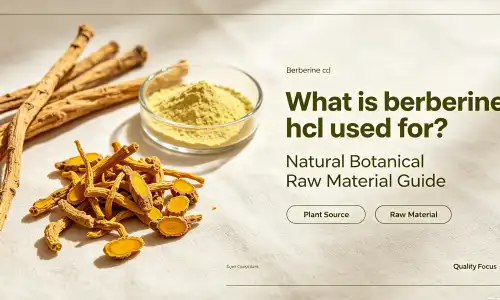
What is berberine hcl used for?
Berberine HCL is an alkaloid compound extracted from several medicinal plants including Phellodendron amurense and Berberis aristata, widely recognized for its metabolic regulatory properties in the supplement and pharmaceutical industries. This bioactive ingredient supports healthy glucose metabolism, promotes lipid balance, and assists in weight management formulations. The hydrochloride salt form enhances bioavailability and stability, making berberine HCL the preferred choice for dietary supplement manufacturers targeting metabolic wellness, cardiovascular support, and hormonal balance applications across global markets.
Introduction
More and more, the health supplement and drug industries see berberine hcl as an important element for metabolic fitness products. As a B2B buying worker, you need to know about this compound's uses, how to get it, and how to make sure the quality is good. This will help you improve supply chains and meet changing market needs.
Berberine hcl is now a top choice for women's health supplement brands, menopause support product companies, and formula developers working on hormonal balance because it has been scientifically proven to help. Companies that make high-end nutraceuticals and clinical nutrition products look for suppliers who can guarantee consistent purity, regulatory compliance, and reliable availability. This guide talks about the compound's main uses, the basics of science, the best ways to buy it, and how to place yourself in the market so that industrial buyers and health product makers around the world can make smart choices that strengthen their position in the market.
Understanding Berberine HCL: What It Is and How It Works
Chemical Structure and Bioactive Properties
Berberine hcl is the hydrochloride salt form of berberine, which is a benzylisoquinoline alkaloid compound with four ammonium atoms. The hydrochloride form is more stable in the stomach than the sulfate or base forms, which makes sure that the absorption rates stay the same. At UNIWELL, our synthetic-grade berberine hcl is ≥98% pure by HPLC (CAS: 633-65-8). This means that it doesn't contain any pesticide residues or plant impurities that are common in herbal extractions, and it stays the same from batch to batch, which is important for pharmaceutical-grade products.
Molecular Mechanism and AMPK Activation
Adenosine monophosphate-activated protein kinase (AMPK), which controls the balance of energy in cells, is turned on by the chemical. This activation starts a number of metabolic pathways, including better insulin sensitivity, more glucose uptake by cells, and more fatty acid oxidation. Researchers have found that berberine hcl changes the way mitochondria work and how genes are expressed that are involved in lipid metabolism. This gives us more information about how it works and why it might be useful for treating metabolic diseases.
Safety Profile and Regulatory Considerations
Based on clinical studies, berberine hcl is generally safe when taken in the suggested amounts (500–1500 mg per day). Mild stomach problems may happen when you first start taking the pill, but they usually go away as you keep taking it. Procurement teams have to look at things like pregnancy, breastfeeding, and using the drug at the same time as other medicines. Knowing these factors helps with correct product labeling and following FDA rules for dietary supplements, which protects both makers and end users.
Core Uses and Benefits of Berberine HCL in Health and Wellness
Blood Glucose Regulation and Diabetes Management
For people whose blood sugar levels are already within the normal range, berberine hcl shows significant efficacy in promoting healthy glucose metabolism. Several clinical trials show that it has effects similar to metformin in controlling blood sugar levels. This makes it an appealing ingredient for metabolic wellness products. The compound makes insulin receptors more sensitive and lowers the production of glucose in the liver. This gives B2B buyers a scientifically proven ingredient for diabetes support goods aimed at health-conscious customers.
Cardiovascular Health and Lipid Balance
Through a number of different processes, the substance helps keep cholesterol and triglyceride levels in a safe range. Berberine hcl stops the production of LDL cholesterol, raises the expression of LDL receptors, and stops the activity of PCSK9 proteins. Because it is good for the heart, this ingredient is often found in heart health supplements, especially by high-end nutritional brands that want to stand out in a crowded market. Professionals in procurement know that these qualities are necessary for making products for older people who are concerned about their cardiovascular health.
Weight Management and Metabolic Syndrome Support
Berberine hcl speeds up the metabolism of fat by activating AMPK and changing the expression of adipokines. It is a useful ingredient in weight management products when used with a healthy diet and regular exercise. The chemical changes the activity and thermogenesis of brown adipose tissue, which helps keep the body's makeup healthy. More and more women's health supplement brands are adding berberine hcl to menopause support items to help with the biological changes that come with changing hormones. This application opens up more market possibilities for companies that are making formulas for specific groups of people.
Gut Microbiota and Anti-inflammatory Properties
More recent studies show that berberine hcl helps keep the intestinal barrier intact and increases the number of good bugs. Antimicrobial properties of the compound help support commensal microbiota while killing pathogenic bacteria, which is good for digestive health overall. NF-κB pathway modulation has anti-inflammatory benefits that make the possibility for therapy even greater. Because of these qualities, clinical nutrition companies are interested in making wellness programs that focus on the gut-metabolic axis connections. This means that procurement workers who are thinking ahead can take advantage of growing market possibilities.
How to Choose and Use Berberine HCL Supplements: A Procurement Perspective
Formulation Types and Dosage Considerations
When making purchases, people need to think about the different ways that medicines can be delivered, like pills, tablets, powders, and softgels. Each format has its own manufacturing issues: capsules offer accurate dosing and ease of use for customers; powders allow for custom formulations; and softgels improve bioavailability through lipid matrices. Standard dosing guidelines say that 500 mg should be taken with food two to three times a day to get the most out of it and keep side effects to a minimum. When procurement teams know about these factors, they can choose the right raw material specs that match the goal product formats.
Quality Assurance and Certification Requirements
To make high-quality berberine hcl, strict testing protocols and detailed records are needed. UNIWELL's synthetic-grade material is tested with HPLC to make sure it is at least 98% pure, and each batch comes with a full Certificate of Analysis (COA). Testing for heavy metals makes sure that strict limits are met: Lead <2 ppm, Arsenic <1 ppm, Cadmium <1.0 ppm, and Mercury <0.1 ppm. Professionals in procurement need to make sure that sellers follow cGMP-aligned quality control standards, ISO22000 approval, and FDA rules. These certifications make sure that the product is safe, follows the rules, and is always the same. They protect the brand's image and customer trust in markets that are becoming more controlled.
Source Verification and Supply Chain Transparency
Being able to tell the difference between natural botanical extracts and synthetic production methods has an effect on the consistency of quality and the dependability of supply. Synthetic-grade berberine hcl gets rid of the problems that come with getting it from plants, like yearly changes in supply and the chance of contamination. C14 carbon dating and high-fidelity HPLC fingerprinting are ways to make sure that raw materials are real. Having relationships with suppliers that offer clear supply chain documentation is good for procurement teams because it makes it possible to track goods from production to delivery. This openness is becoming more and more important as regulators look more closely at markets around the world.
Comparing Berberine HCL with Other Popular Supplements and Pharmaceuticals
Berberine HCL Versus Metformin
Clinical comparisons show that berberine hcl lowers blood sugar in a way that is similar to metformin, but through different mechanisms. Metformin mainly lowers the production of glucose in the liver, but berberine hcl also raises glucose uptake in the peripheral tissues and changes the metabolism of fats. People who want alternatives to synthetic drugs are interested in the natural compound origin, which creates opportunities for market differentiation. Metformin is still the standard drug for treating diabetes, but berberine hcl is more cost-effective when used as a food supplement. Professionals in procurement are aware of these differences when they place goods for specific groups of people looking for natural metabolic support options.
Synergy with Complementary Ingredients
When mixed with alpha lipoic acid, chromium picolinate, and cinnamon extract in metabolic health products, berberine hcl may have synergistic benefits. These mixes make the whole thing work better while letting you use less of each ingredient, which lowers the risk of side effects. Combinations of turmeric and curcumin work well together to reduce inflammation and are especially useful in formulas that aim to balance hormones and help women going through menopause. When procurement teams understand these interactions, they can come up with complete product formulations that meet the needs of a wide range of customers while also lowering the costs of ingredients and increasing the efficiency of production.
Formulation Advantages and Market Preferences
The yellow crystalline powder form of berberine hcl (100 mesh particle size) can be used in a number of different industrial methods. The ability to dissolve in water and ethanol makes it easier to use a wide range of extraction and preparation methods, from basic packaging to advanced delivery systems. Micronized types keep softgel solutions from settling, but they may need to be mixed with beeswax or lecithin. Clean-label goods that stress natural ingredients and few additives are becoming more and more popular in the market. Professionals in procurement have to find a balance between technical manufacturing needs and what customers want. They do this by choosing raw materials that allow for efficient production and marketing claims that connect with target audiences.
Best Practices for Buying Berberine HCL in Bulk: Tips for B2B Buyers
Supplier Evaluation and Quality Verification
A thorough evaluation of the supplier's manufacturing capabilities, quality management systems, and history of regulatory compliance is the first step to successful procurement. UNIWELL has been making plant extracts with advanced continuous counter-current extraction technology for more than 10 years, and their extracts don't change at all from batch to batch. Facility audits to make sure they follow cGMPs, reading third-party testing reports, and looking at how documentation is done should all be part of verification protocols. Suppliers who offer full COA packages, stability data, and regulatory support services add value beyond just providing raw materials. They become strategic partners instead of just transactional vendors.
Pricing Dynamics and Minimum Order Quantities
The price of pharmaceutical-grade berberine hcl on the market depends on how pure it is, what certifications are needed, and how the supply chain works. While synthetic-grade materials are more expensive, they offer perks like consistent quality and no chance of contamination. MOQs usually run from 25 kg to 500 kg, but this depends on the supplier's ability and how well they handle their inventory. When buying in bulk, volume prices become important, but procurement teams have to weigh the cost saves against the costs of keeping inventory and the length of time that it will last. UNIWELL has a strategic stockpile of more than 100 metric tons of raw materials, which lets them accommodate different order sizes and ship regular orders within three business days on average.
Global Logistics and Regulatory Documentation
For international purchasing, you need to plan your logistics in a way that takes into account all of your options for shipping by air, sea, and land. Even though the substance is generally stable, it may need to be shipped in a temperature-controlled environment, especially to places with very different temperatures. Having all the necessary paperwork, like Certificates of Analysis, Certificates of Origin, and compliance statements for target markets (USP/EP standards, FDA rules, and Novel Food requirements), makes it easier to get through customs and get regulatory approval. UNIWELL has all the necessary certifications, such as FDA registration, KOSHER, HALAL, and ISO22000, to make global delivery easy. Getting to know sellers who offer dedicated supply chain support and quick response times to questions lowers the risks of buying things and makes sure that materials are always available.
Building Strategic Vendor Relationships
Long-term relationships with suppliers have benefits that go beyond price. Clear communication about demand predictions helps suppliers keep the right amount of inventory on hand, which keeps supplies from being interrupted. For companies that are entering new markets, collaborative product development support, such as formulation advice and regulatory consultation, is a strategic asset. UNIWELL's ODM/OEM services help customers get solutions that meet all the requirements of different global markets. They do this by customizing formulation, extraction ratios, paperwork, and labels to make sure the products are fully compliant and ready for sale. In global markets that are very competitive, these relationships give businesses more negotiating power and long-term security.
Conclusion
Berberine hcl is a scientifically proven and marketable ingredient for weight management, cardiovascular health, and metabolic wellness in a wide range of product categories. Professionals in procurement can gain a competitive edge by learning about the compound's workings, quality standards, and place in the market compared to other options. When it comes to sourcing, strategies that work best put an emphasis on suppliers that can show consistent quality, full regulatory compliance, and reliable supply chain capabilities. Berberine hcl is an important ingredient for companies that make products for women's health, menopause support, and hormonal balance because more and more people want natural metabolism support options. Strategic purchasing decisions that take into account quality checks, relationships with suppliers, and market information help companies make unique products that meet changing customer needs while keeping prices low and following all the rules.
FAQ
1. What is the recommended daily dosage for berberine HCL formulations?
There is clinical evidence to support daily doses of 900 to 1500 mg, which are usually split into two or three meals. This plan for dosing maximizes absorption while reducing effects on the digestive system. Formulation design should take compliance into account, combining the need for effectiveness with the desire for ease of use by consumers.
2. Are there known drug interactions with berberine HCL?
Berberine hcl might not work well with medicines that are broken down by cytochrome P450 enzymes, especially those that are CYP3A4 and CYP2D6 substrates. Some drugs that might combine with each other are blood sugar-lowering drugs, blood thinners, and some heart drugs. Product labels should say that people who are taking prescription drugs should see a doctor. This will protect consumers and make sure that the rules are followed.
3. How can procurement teams verify berberine HCL authenticity?
HPLC analysis is still the best way to confirm the purity and amount of berberine in a sample. It also helps to separate berberine from alkaloids with similar structures, such as palmatine and jatrorrhizine. Ask for full COA paperwork that includes test results for heavy metals, bacteria studies, and leftover solvent analysis. Reputable suppliers back up their quality claims with clear testing protocols and third-party verification.
Partner with UNIWELL: Your Trusted Berberine HCL Supplier
UNIWELL provides pharmaceutical-grade berberine hcl that meets the strict requirements of leading global companies that make women's health supplements, hormonal balance formulas, and high-end nutraceuticals. Our synthetic-grade material is ≥98% pure and very consistent from batch to batch, so it doesn't have the contamination risks that come with plant extractions. Full legal compliance for both US and foreign markets is ensured by FDA registration, ISO22000 certification, and detailed quality documentation.
Our strategic stockpile of more than 100 metric tons lets us ship standard orders quickly—within three business days—meeting your just-in-time production needs. Your supply chain will work better if you have competitive prices, flexible minimum order quantities, and full global shipping solutions that include choices for air, sea, and land freight. Our expert team can help you with formulation, legal issues, and ODM/OEM services that are specifically designed to meet the needs of your market.
Get in touch with UNIWELL right away at info@uniwellbio.com to get full product details, samples, and prices for buying berberine hcl. We give you the consistent quality, dependable supply, and technical know-how that makes you more competitive in the metabolic wellness market, which is growing quickly.
References
1. Yin J, Xing H, Ye J. "Efficacy of berberine in patients with type 2 diabetes mellitus." Metabolism: Clinical and Experimental 57.5 (2008): 712-717.
2. Kong W, Wei J, Abidi P, et al. "Berberine is a novel cholesterol-lowering drug working through a unique mechanism distinct from statins." Nature Medicine 10.12 (2004): 1344-1351.
3. Zhang Y, Li X, Zou D, et al. "Treatment of type 2 diabetes and dyslipidemia with the natural plant alkaloid berberine." Journal of Clinical Endocrinology & Metabolism 93.7 (2008): 2559-2565.
4. Lee YS, Kim WS, Kim KH, et al. "Berberine, a natural plant product, activates AMP-activated protein kinase with beneficial metabolic effects in diabetic and insulin-resistant states." Diabetes 55.8 (2006): 2256-2264.
5. Lan J, Zhao Y, Dong F, et al. "Meta-analysis of the effect and safety of berberine in the treatment of type 2 diabetes mellitus, hyperlipemia and hypertension." Journal of Ethnopharmacology 161 (2015): 69-81.
6. Zhang X, Zhao Y, Zhang M, et al. "Structural changes of gut microbiota during berberine-mediated prevention of obesity and insulin resistance in high-fat diet-fed rats." PLoS ONE 7.8 (2012): e42529.
Have a project in mind? Share your requirements — we’ll turn your ideas into reliable products.