- English
- French
- German
- Portuguese
- Spanish
- Russian
- Japanese
- Korean
- Arabic
- Greek
- German
- Turkish
- Italian
- Danish
- Romanian
- Indonesian
- Czech
- Afrikaans
- Swedish
- Polish
- Basque
- Catalan
- Esperanto
- Hindi
- Lao
- Albanian
- Amharic
- Armenian
- Azerbaijani
- Belarusian
- Bengali
- Bosnian
- Bulgarian
- Cebuano
- Chichewa
- Corsican
- Croatian
- Dutch
- Estonian
- Filipino
- Finnish
- Frisian
- Galician
- Georgian
- Gujarati
- Haitian
- Hausa
- Hawaiian
- Hebrew
- Hmong
- Hungarian
- Icelandic
- Igbo
- Javanese
- Kannada
- Kazakh
- Khmer
- Kurdish
- Kyrgyz
- Latin
- Latvian
- Lithuanian
- Luxembou..
- Macedonian
- Malagasy
- Malay
- Malayalam
- Maltese
- Maori
- Marathi
- Mongolian
- Burmese
- Nepali
- Norwegian
- Pashto
- Persian
- Punjabi
- Serbian
- Sesotho
- Sinhala
- Slovak
- Slovenian
- Somali
- Samoan
- Scots Gaelic
- Shona
- Sindhi
- Sundanese
- Swahili
- Tajik
- Tamil
- Telugu
- Thai
- Ukrainian
- Urdu
- Uzbek
- Vietnamese
- Welsh
- Xhosa
- Yiddish
- Yoruba
- Zulu
The Secrets of NMN: A Gateway to Healthier Ageing?
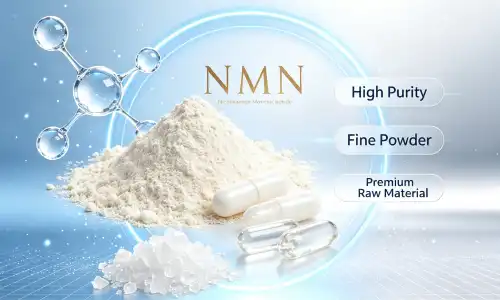
NMN has emerged as one of the most promising longevity elements in recent years, garnering the attention of researchers and health experts worldwide. With age, the levels of NAD+ in cells decrease, reducing to around half of the original levels by middle age. This bioactive precursor provides a scientifically proven way to boost cellular energy generation, DNA repair, and metabolic control. Understanding the functional mechanisms of NMN in our biological systems gives critical insight into why this molecule is a doorway to better aging for a wide range of consumer demographics.
Understanding NMN and Its Role in Healthier Ageing
The Biochemical Pathway: From NMN to Cellular Vitality
The process of conversion shows that β-Nicotinamide Mononucleotide enters cells and changes quickly to NAD+ through enzyme-based pathways, mainly the salvage pathway biosynthesis. Compared to direct NAD+ supplementation, which has a hard time being absorbed because of its large size, this method works amazingly well. Researchers have described the decrease in systemic NAD+ production as a chain reaction that leads to a number of age-related functional problems in organs and tissues that are vulnerable. By replacing this important coenzyme with its bioactive predecessor, we meet the basic needs of cells that support good aging at the most basic level.
Clinical Evidence Supporting Age-Related Benefits
Clinical investigations have recently been able to assess outcomes in humans. A landmark research showed that intake of 300 mg of high-purity β-Nicotinamide Mononucleotide resulted in a 38% increase in blood NAD+ levels above baseline. Studies have shown improvements in insulin sensitivity, mitochondrial function, and metabolic indicators in postmenopausal women, a population particularly sensitive to hormonal and metabolic alterations. It's been proven that increasing NAD+ synthesis extends the lifespan of yeast, worms, flies and rats, and slows age-related physiological deterioration.
Implications for Product Development Pipelines
Knowing these biological processes helps procurement staff do a better job of analyzing β-Nicotinamide Mononucleotide compositions. The chemical targets many hallmarks of aging simultaneously: genomic instability, altered nutrition sensing, mitochondrial dysfunction, and cellular senescence. This multi-targeted strategy makes High Purity β-Nicotinamide Mononucleotide an appropriate ingredient for companies seeking to enhance women’s health, menopause, hormonal balance and overall lifespan across a broad variety of market categories.
Comparing NMN to Other Longevity Supplements
NMN Versus Direct NAD+ Supplementation
Both substances try to raise the amount of NAD+ in cells, but the molecular size makes a big difference in how they work. Because they are bigger, direct NAD+ molecules have a hard time crossing cell walls, which limits their solubility when taken by mouth. β-Nicotinamide Mononucleotide units are much smaller, which makes them better at being absorbed and taken up by cells. This main benefit means that β-Nicotinamide Mononucleotide formulas are better for commercial supplement uses that aim at a wide range of people because they work better and give better value to customers.
Nicotinamide Riboside: A Close Alternative
A further NAD+ precursor that has been investigated is Nicotinamide Riboside (NR). Both compounds enhance NAD+ levels in cells via the salvage pathway, but NMN is one biochemical step closer to NAD+ in the conversion process. specific specialists believe this proximity may be good for specific sorts of tissue or metabolic disorders. Buyers picking among these predecessors are typically thinking beyond biology. They also look at factors like as manufacturability at scale, the regulatory environment of the target market, and price-to-efficacy ratios that influence the positioning and pricing of the end product.
Synergy with Complementary Compounds
It has become known that resveratrol can activate sirtuins, which are proteins that need NAD+ to work. When you mix β-Nicotinamide Mononucleotide with resveratrol, they work better together because one compound starts pathways that make you live longer, and the other gives you the cofactor you need. This synergy has affected formulation tactics of high-end nutraceutical brands that want to make their goods stand out. Additionally, vitamin B3 derivatives and β-Nicotinamide Mononucleotide both use the same metabolic pathways, but they are not the same in terms of how well they convert and how many side effects they cause. In clinical observations, β-Nicotinamide Mononucleotide has been shown to be more tolerable.
Practical Guidelines for NMN Usage and Procurement
Evidence-Based Dosage Recommendations
Industry statistics and clinical studies show that the recommended daily doses of β-Nicotinamide Mononucleotide are between 250 mg and 1000 mg, depending on the person's age, health goals, and the bioavailability of the product. People under 35 who want to improve their overall cellular health often do well with 250 to 300 mg per day. People who are showing signs of aging or who have busy lives may need 500 to 750 mg for the best support. For serious age-related problems, intensive programs can go up to 1000 mg per day. Formulation technology has a big effect on these numbers. Liposomal or sublingual delivery methods show better absorption, so you might need lower amounts to get the same NAD+ increase. It's possible that a 250 mg liposomal formulation will have the same effects as a 500 mg normal tablet. This could change how product makers figure out the cost-per-dose.
Safety Profile and Regulatory Considerations
β-Nicotinamide Mononucleotide has shown good safety profiles in clinical trials, with few reported side effects at standard dose levels. Regulatory environments are different around the world, so procurement workers have to understand the rules that apply to each area. In some markets, the compound had temporary problems with its classification, but it is still available through legal channels for use in dietary supplements and nutraceuticals. When it comes to novel foods, manufacturers must keep records and make sure their products meet standards set by target markets, such as USP/EP specifications, FDA guidelines, and EU regulations. This level of complexity makes it even more important to work with providers who have all the necessary legal knowledge and certifications.
Supplier Selection Criteria for Quality Assurance
To find trustworthy β-Nicotinamide Mononucleotide providers, you need to carefully consider many factors. Purity levels above 99.5% are the standard in the industry. This is made possible by advanced enzymatic catalysis technology that creates only the functional Beta-anomer (β-NMN) and gets rid of all the useless Alpha-anomer types and chemical synthesis leftovers. Manufacturing facilities should show that they follow cGMPs by showing credentials like FDA registration, ISO22000, KOSHER, and HALAL credentials that are relevant to their target markets. Third-party testing records, such as Certificates of Analysis (COA) that prove purity, heavy metal screening, and microbe testing, are very important for making sure. Inventory depth to ensure consistent availability, logistics capabilities to support global distribution, and technical support teams that can answer formulation questions and provide regulatory guidance for specific regional markets are all things that need to be thought about in the supply chain.
How to Choose the Best NMN Supplement Brand for Your Business
Essential Quality Verification Standards
For independent confirmation of purity, potency, and the absence of contaminants, third-party testing is the gold standard for ingredient verification. Reputable makers are happy to share full testing results, which include HPLC analysis to prove molecular identity, heavy metal panels to check for lead, mercury, cadmium, and arsenic, and microbial testing to make sure there are no bugs. Manufacturing standards, like GMP compliance, show that quality is managed in a planned way throughout the whole production process. Premium providers are clear about the synthesis methods they use. For example, enzymatic production methods produce more pure products than chemical synthesis methods, which may leave behind solvent leftovers like methanol or ethanol. Quality, color, and strength that are consistent from batch to batch ensures that the product will work across production runs. This is important for brands that want to build trust with customers and get them to buy from them again.
Evaluating Manufacturing Capabilities and Experience
For NMN, specifically, experience in manufacturing has a large impact on the quality of the ingredients and the reliability of the supply. Suppliers who have been producing specialized plant extracts and nutraceutical components for more than 10 years have superior ways of doing things, guidelines for addressing issues, and quality control procedures than suppliers that are just getting started. Higher yields and purities may be achieved with the use of advanced extraction technologies such as continuous counter-current extraction devices, which minimize the degradation of sensitive bioactive chemicals . Moreover, thanks to a strategic stock of raw materials over 100 tonnes, it is feasible to satisfy requests rapidly. For example, the quickest time for top suppliers to dispatch regular orders is within three business days. The deep inventory level protects companies from supply concerns that might prevent them from getting merchandise during busy market periods or shifts in seasonal demand.
Customization Services and Market Adaptation
Full ODM/OEM skills let brands make their goods stand out while also meeting the needs of regulators and customers in different target markets. Experienced suppliers know how to meet the needs of customers all over the world, including navigating the complicated regulatory landscape for new ingredients and changing formulations to meet regional standards. In addition to basic white-labeling, customization includes finding the best extraction ratio, choosing the delivery system (standard powder, liposomes, sublingual), making combination formulations with complementary compounds, and putting together paperwork to support regulatory submissions. Different market positioning tactics can be used with flexible package choices, such as bulk containers for contract makers and consumer-ready bottles for private label projects. For companies that don't have their own research and development department, getting technical help while a product is being made is very helpful. This help can include formulation advice, suggestions for stable tests, and application-specific dosage advice.
Future Trends and Market Opportunities in NMN Supplement Industry
Innovations in Delivery System Technologies
The main goal for next-generation formulas is to improve absorption. With liposome encapsulating technology, β-Nicotinamide Mononucleotide molecules are surrounded by phospholipid layers that protect them during digestion and make it easier for cells to take them in. This method can greatly enhance absorption, lowering the dosage needed while keeping the therapeutic benefits. Sublingual delivery systems skip the first pass of metabolism and go straight into the bloodstream, where they are quickly absorbed. Microencapsulation methods solve problems with stability, especially the hygroscopicity that can lead to breakdown when stored in damp places. These improvements in technology make it possible to market high-end products and develop formulations that are protected by patents and can explain higher prices while giving customers better value through better effectiveness.
Integration with Complementary Anti-Aging Compounds
Putting β-Nicotinamide Mononucleotide together with ingredients that help with life is becoming more popular. Resveratrol and β-Nicotinamide Mononucleotide work together to support the NAD+-sirtuin axis. One molecule acts as a substrate, and the other starts up pathways that depend on it. Other polyphenols, like pterostilbene and quercetin, offer extra anti-inflammatory and antioxidant effects that help with different ways of aging. β-Nicotinamide Mononucleotide's energy metabolism benefits are boosted by ingredients that help mitochondria, such as CoQ10 or PQQ. By combining these ingredients, brands can make unique products for specific groups of people, like postmenopausal women, active older adults, and people who want to improve their cognitive health, with formulas that meet multiple physiological needs at the same time. This strategic approach creates stronger value propositions and might help keep customers longer by making solutions seem more complete.
Regulatory Evolution and Market Access
As more safety data comes in and more people want them, regulatory rules for new ingredients that make you live longer are still being developed. Forward-thinking brands and providers are in a good situation when they work with regulatory bodies and spend in clinical validation. Countries like the US, Europe, Japan, and Australia that are open to scientifically proven anti-aging products are the main places where the business wants to grow. Knowing the rules in each area for new food applications, dietary ingredient notifications, and therapeutic goods registrations helps you come up with smart ways to get into the market. Suppliers that offer regulatory consulting services and complete documentation packages make it easier for brands to get into new markets. This speeds up the time it takes to get a product on the market and lowers the risk of noncompliance, which could lead to expensive delays or product recalls.
Conclusion
NMN has been scientifically shown to help individuals age healthily by replenishing the cells with NAD+. This substance is a prominent contender in the anti-aging supplement industry since it is more bioavailable than direct NAD+ supplementation and there is increasing scientific evidence that it helps with metabolism, cognition and lifespan.NMN is a flexible ingredient that can cover a broad variety of consumer demands. It's utilized by procurement specialists working with women's health businesses, menopausal support firms, formula creators for hormonal balancing and high-end nutraceutical producers. In this rapidly moving industry you need to collaborate with suppliers who can teach you how to manufacture amazing items, understand laws, give consistent quality and fast service. The rising market for longevity solutions is a tremendous opportunity for early adopters to earn a lot of money by building their portfolios around high-purity NMN constituents with novel delivery technologies and combination formulations coming out.
FAQ
1. What is the optimal dosage for NMN supplementation?
Based on age and health goals, clinical data shows that β-Nicotinamide Mononucleotide dosages ranging from 250 mg to 1000 mg daily are helpful. People under 40 years old should start with 250 to 300 mg, while people over 40 who are noticing changes linked to getting older may benefit from 500 to 750 mg. Formulation technology affects the amount that needs to be taken. Liposomal and sublingual forms are better at being absorbed, so they may need lower doses than standard capsules to raise NAD+ levels to the same level.
2. Are there safety concerns with NMN supplements?
β-Nicotinamide Mononucleotide has shown good safety profiles in clinical trials, with few reported side effects at recommended doses. Regulatory issues are different in each area, so you have to follow the rules that are specific to that area. Choosing providers with thorough third-party testing, GMP production certifications, and proof of ingredient safety and purity protects both the quality of the product and the safety of the consumers.
3. How can businesses verify supplier authenticity and quality?
Real sellers give you test results from a third party, such as microbe testing, heavy metal screening, and purity analyses that are higher than 99.5%. Manufacturing credentials like FDA registration, ISO22000, KOSHER, and HALAL credentials show that quality control systems are in place. Transparency about the methods used for synthesis (ideally enzymatic catalysis producing pure Beta-anomer) and a willingness to share extensive documentation, such as Certificates of Analysis, are what set trustworthy manufacturers apart from those that might not be.
Partner with UNIWELL for Premium NMN Supplier Solutions
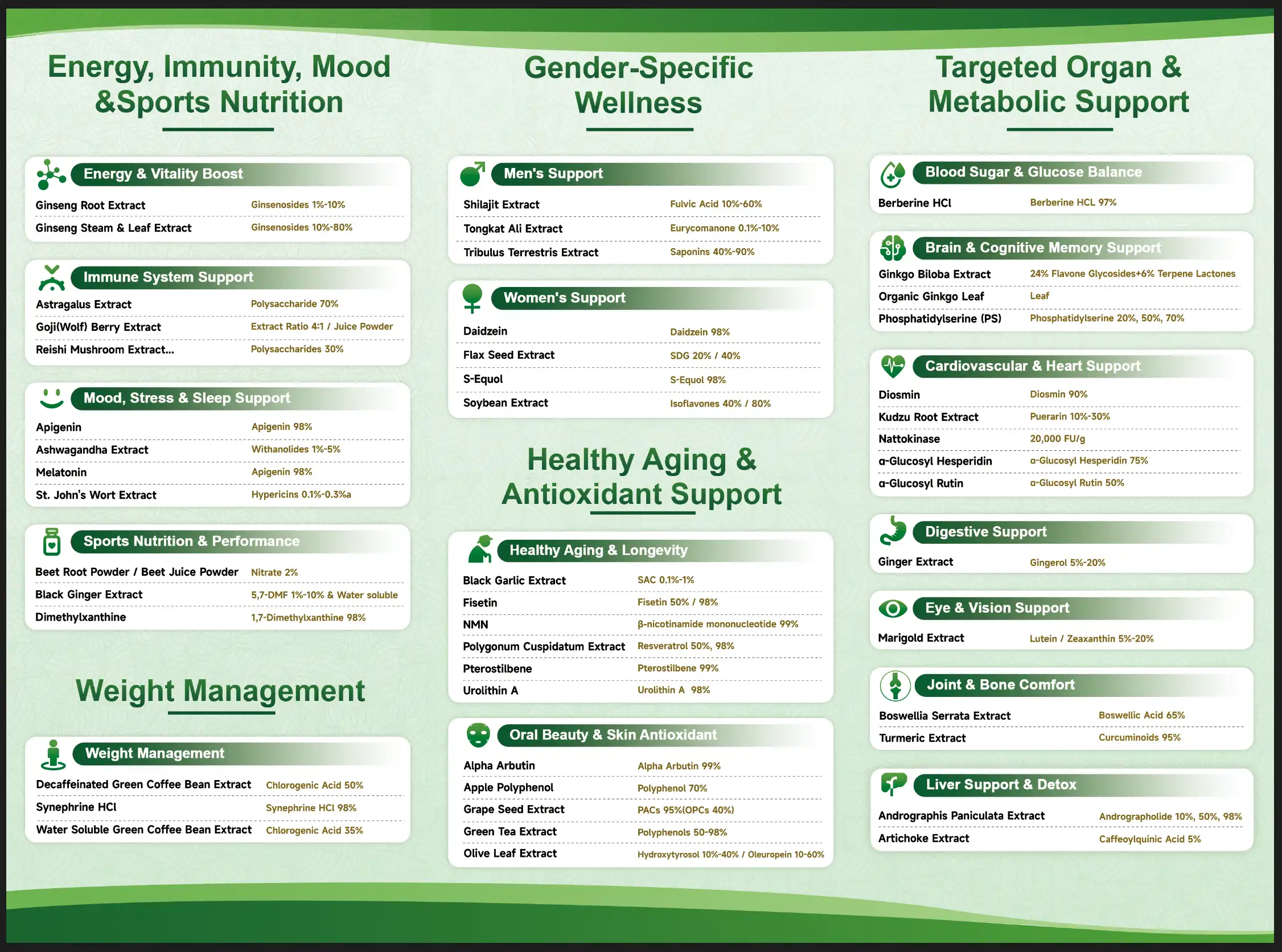
UNIWELL provides high-purity β-Nicotinamide Mononucleotide that is made in facilities that follow cGMP guidelines. These guidelines are very strict and are used by companies that make food supplements and health products around the world. Our enzyme-based synthesis technology guarantees the production of Beta-anomers that are more than 99.5% pure, removing any inactive variants or chemical residues that could make the product less safe. With more than ten years of experience in specialized botanical extracts and a strategic inventory of more than one hundred metric tons, we can ship standard orders within three business days. We offer full global logistics solutions, including air, sea, and land freight with full documentation for easy customs clearance.
Our ODM/OEM services for NMN include customizing the formulation, giving legal advice for target markets such as FDA and EU compliance, offering flexible packaging options, and providing technical help during the entire product creation process. We offer great batch-to-batch consistency, competitive pricing, and quick service to help your brand succeed in the growing market for longevity supplements. We are certified by FDA, ISO22000, KOSHER, and HALAL. Get in touch with our team at info@uniwellbio.com to talk about your β-Nicotinamide Mononucleotide needs and find out how working with a reputable company can help you improve your product line with scientifically proven ingredients that help your customers age in a better way.
References
1. Imai, S., & Guarente, L. (2014). NAD+ and sirtuins in aging and disease. Trends in Cell Biology, 24(8), 464-471.
2. Yoshino, J., Baur, J. A., & Imai, S. I. (2018). NAD+ intermediates: The biology and therapeutic potential of NMN and NR. Cell Metabolism, 27(3), 513-528.
3. Mills, K. F., Yoshida, S., Stein, L. R., Grozio, A., Kubota, S., Sasaki, Y., & Imai, S. I. (2016). Long-term administration of nicotinamide mononucleotide mitigates age-associated physiological decline in mice. Cell Metabolism, 24(6), 795-806.
4. Poddar, S. K., Sifat, A. E., Haque, S., Nahid, N. A., Chowdhury, S., & Mehedi, I. (2019). Nicotinamide mononucleotide: Exploration of diverse therapeutic applications of a potential molecule. Biomolecules, 9(1), 34.
5. Shade, C. (2020). The science behind NMN—A stable, reliable NAD+ activator and anti-aging molecule. Integrative Medicine: A Clinician's Journal, 19(1), 12-14.
6. Rajman, L., Chwalek, K., & Sinclair, D. A. (2018). Therapeutic potential of NAD-boosting molecules: The in vivo evidence. Cell Metabolism, 27(3), 529-547.
Have a project in mind? Share your requirements — we’ll turn your ideas into reliable products.