- English
- French
- German
- Portuguese
- Spanish
- Russian
- Japanese
- Korean
- Arabic
- Greek
- German
- Turkish
- Italian
- Danish
- Romanian
- Indonesian
- Czech
- Afrikaans
- Swedish
- Polish
- Basque
- Catalan
- Esperanto
- Hindi
- Lao
- Albanian
- Amharic
- Armenian
- Azerbaijani
- Belarusian
- Bengali
- Bosnian
- Bulgarian
- Cebuano
- Chichewa
- Corsican
- Croatian
- Dutch
- Estonian
- Filipino
- Finnish
- Frisian
- Galician
- Georgian
- Gujarati
- Haitian
- Hausa
- Hawaiian
- Hebrew
- Hmong
- Hungarian
- Icelandic
- Igbo
- Javanese
- Kannada
- Kazakh
- Khmer
- Kurdish
- Kyrgyz
- Latin
- Latvian
- Lithuanian
- Luxembou..
- Macedonian
- Malagasy
- Malay
- Malayalam
- Maltese
- Maori
- Marathi
- Mongolian
- Burmese
- Nepali
- Norwegian
- Pashto
- Persian
- Punjabi
- Serbian
- Sesotho
- Sinhala
- Slovak
- Slovenian
- Somali
- Samoan
- Scots Gaelic
- Shona
- Sindhi
- Sundanese
- Swahili
- Tajik
- Tamil
- Telugu
- Thai
- Ukrainian
- Urdu
- Uzbek
- Vietnamese
- Welsh
- Xhosa
- Yiddish
- Yoruba
- Zulu
Tea Leaf Extract Bulk Buying Guide: Tips for Smart Sourcing
To get around the complicated process of buying Tea Leaf Extract, you need to know a lot about quality standards, evaluating suppliers, and how the market works. This complete bulk buying guide gives procurement workers in the cosmetics, functional foods, and nutraceutical businesses the information they need to make smart choices about where to buy things. In today's competitive market, buyers can get high-quality botanical extracts that meet strict manufacturing standards by learning about the details of catechin concentrations, extraction methods, and compliance requirements. This helps them save money and make sure their supply chain is reliable.
Understanding Tea Leaf Extract: Key Insights for Bulk Buyers
The botanical extract landscape presents procurement professionals with diverse options derived from Camellia sinensis, each offering unique therapeutic profiles and industrial applications. Tea polyphenols, especially catechins like EGCG (Epigallocatechin Gallate), represent the primary bioactive compounds driving market demand across multiple sectors.
Types and Forms of Tea Extracts
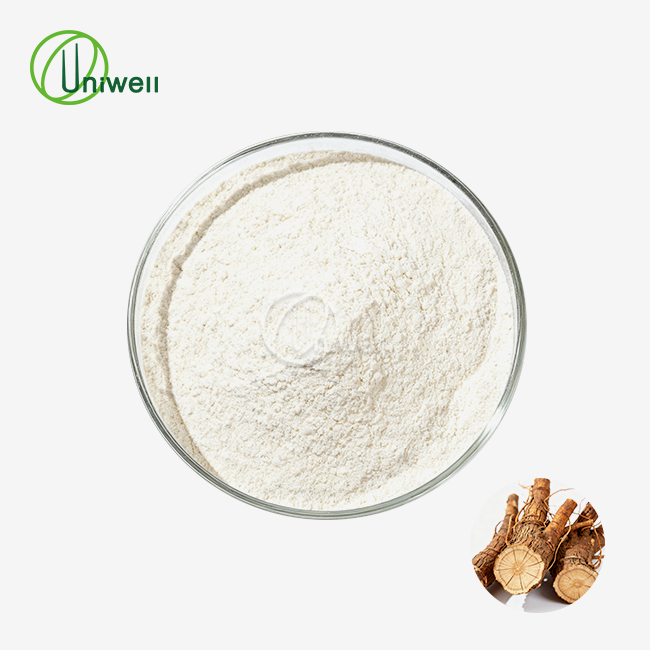
The B2B market is dominated by green tea extracts because they are so powerful as antioxidants. EGCG amounts can range from 90% to 98%, based on how the tea was extracted. Our Organic Green Tea Extract Powder meets the highest standards of quality. It has 95% EGCG and was made using gentle spray drying methods that keep the bioactive integrity. If the powder looks white to off-white, it means that the processing went well and there was no heat damage. Functional drink makers who want strong flavors like black tea extracts because they have unique flavor profiles and theaflavin ingredients. Fine particle sizes made by matcha extracts make them perfect for cosmetics that need to have a smooth feel and bright colors.
Bioactive Compound Profiles
Teams in charge of buying things need to know how different extraction methods affect the amounts of compounds that are obtained. To make sure it works with the intended uses, Tea Leaf Extract standards should clearly state the amounts of EGCG, EC (Epicatechin), ECG (Epicatechin Gallate), and EGC (Epigallocatechin). High-quality extracts keep polyphenol levels stable, which means they work the same way in all production steps. The antioxidant power changes a lot between types of extract. For example, green tea has higher ORAC (Oxygen Radical Absorbance Capacity) numbers than black tea variants. This difference affects how anti-aging makeup, metabolic supplements, and neuroprotective goods are made, since reducing oxidative stress is one of their main functions.
Essential Criteria for Bulk Sourcing Tea Leaf Extract
Quality assurance procedures are the basis of successful bulk procurement. They require a full assessment of the supplier's skills, compliance records, and measures for product consistency. The following important factors decide whether an extract is suitable for use in industry.
Certification and Compliance Standards
Some of the qualifications that high-end providers keep up to date are FDA registration, KOSHER, HALAL, and ISO22000 quality management systems. These certificates show that you are dedicated to following international rules and regulations in a variety of global markets. Testing by a third party for purity, effectiveness, and heavy metal poisoning adds another level of proof that is needed for pharmaceutical-grade uses. As more people want goods with clean labels, organic approval becomes a more important factor in buying decisions. Verified organic status makes sure that plant-based sources don't use man-made fertilizers, pesticides, or herbicides during the growing and handling stages.
Processing Methods and Extract Quality
Gentle extraction methods keep heat-sensitive chemicals safe while increasing output. The methods of spray drying and air drying keep the delicate catechins that help the medicine work from breaking down. Advanced continuous counter-current extraction technology makes it possible to precisely separate compounds while keeping stability from batch to batch. Standards for manufacturing facilities have a big effect on the quality of the products they make. For example, cleanrooms that meet 100,000-grade standards make sure that production is free of pollution. When made in these settings, Tea Leaf Extract is more stable and lasts longer than when made in normal working situations.
Specifications and Standardization
Specifications for a product must include information about the amount of active ingredients, the amount of water in the product, the spread of particle sizes, and microbiological factors. Formulators can figure out exactly how much EGCG is needed for healing purposes because the amount is standardized to be between 90% and 98%. The efficiency of downstream processes is affected by things like color consistency and powder flow properties. A color that ranges from white to off-white means that there was little oxidation during extraction. Consistent particle size distribution makes sure that mixed products mix evenly.
Comparing Tea Leaf Extracts: Making Informed Decisions
The way the market works and how suppliers are judged demand that options be systematically compared across a number of performance factors. Making smart choices about buying is easier when you know about regional price trends, supply patterns, and differences in quality.
Green Tea Extract Advantages
Green Tea Leaf Extract has the biggest amount of catechins that are good for you, especially EGCG, which has been shown in studies to improve metabolism, burn fat, and reduce inflammation. EGCG amounts above 90% are thought to be the best for supplement use depending on research. Because they are so flexible, green tea products can be used in many different industries, such as nutraceuticals, functional drinks, and cosmetics. Because of how well they dissolve in water, they can be easily added to liquid recipes without causing precipitation or clarity problems that make the product look bad.
Supplier Reputation and Sustainability
Manufacturers that have been in business for more than 10 years show that they have the technical know-how and market security that are needed for long-term relationships. Strategic stocking of more than 100 metric tons of raw materials is part of full supply chain management that makes sure materials are always available and orders are filled quickly. Sustainability practices include fair trade, ethical buying, and taking care of the earth, all of which are in line with corporate social responsibility efforts. Suppliers who do these things usually charge more, but they give downstream makers better chances to place their brands.
OEM and Private Label Capabilities
Customization services help brands stand out by making formulations, packing, and legal compliance specific to target markets. When you work with an OEM, you can get access to special extraction methods and compound ratios that aren't offered in regular products. Private label services include formulating new products, designing packages, and helping with paperwork, which makes it easier for new names to get into the market. These services that add value support higher prices while lowering the costs of internal development and the time it takes to get a product to market.
Smart Bulk Purchasing Strategies and Cost Optimization
Strategic buying methods find the best balance between lowering costs and ensuring quality by carefully evaluating and negotiating with suppliers. To buy in bulk successfully, you need to know how the market works, how prices are set, and how to make the best use of transportation.
Supplier Identification and Verification
Reputable sellers communicate clearly, provide thorough documentation, and offer quick expert help. Facility audits, reference checks, and sample evaluation programs that check for product consistency and source dependability are some of the ways that things are checked. Industry trade shows and verified B2B platforms let you meet qualified sellers and network. They also let you directly check the quality of products by showing them off and having technical conversations. Having ties with more than one seller protects the supply chain and gives you the power to negotiate lower prices.
Volume Discounting and Contract Negotiation
When you buy in bulk, you get benefits like strategic volume agreements that allow suppliers to invest in committed production capacity and inventory allocation. Negotiating yearly contracts with delivery plans every three months improves cash flow and gets better price terms. Understanding how suppliers set their prices lets you negotiate in a way that meets your buying goals and takes into account reasonable business needs. Flexible payment terms, quality promises, and performance bonuses all help both parties, which is why relationships last for a long time.
Logistics and Supply Chain Management
Global logistics solutions that include choices for shipping by air, sea, and land give you the freedom to balance supply needs with cost. International deals go smoothly when there is a lot of paperwork, like certificates of analysis, customs clearance papers, and compliance certificates. Strategic inventory management finds the best balance between holding costs and supply security by making sure that order amounts and delivery times are maximized. When suppliers keep a lot of goods on hand, they can quickly meet urgent needs while reducing the risk of running out of stock, which can throw off production plans.
Risk Management and Quality Assurance in Bulk Buying
Comprehensive risk reduction strategies protect buying investments by keeping an eye on suppliers, controlling quality, and making sure that regulations are followed. By learning about possible problems, you can make backup plans that keep the supply line running.
Quality Control Protocols
Standardized testing methods, such as HPLC analysis for active ingredient confirmation, microbial testing, and heavy metal screening, make sure that the product is safe and works well. Certificate of Analysis (COA) paperwork gives quality data for each batch that helps with quality assurance and legal compliance. Pre-shipment inspection services check that the product meets the requirements before it is sent internationally. This lowers the risk of refusal and the costs that come with it. Post-delivery testing shows that the quality was maintained during storage and shipping.
Regulatory Compliance and Documentation
Knowing the rules about importing into different countries helps keep supply lines running smoothly by avoiding delays at customs and penalties for not following the rules. Suppliers who offer full regulatory support, such as helping with paperwork and giving advice on how to follow the rules, make buying relationships much more valuable. Tea Leaf Extract uses in cosmetics, functional foods, dietary supplements, and functional foods must follow certain legal systems, such as the FDA's rules, the EU's Novel Food requirements, and regional labeling standards. Qualified providers keep up with these standards and provide the right documentation help.
Risk Identification and Mitigation
Common risks include changes in quality, breaks in supply, new rules, and changes in the value of the dollar that affect the cost of buying things and the time it takes to send them. By making supplier scorecards and performance tracking tools, problems can be found early on, before they affect operations. Diversified seller networks lower the risk of being dependent on one provider, and approved vendor programs keep quality standards high. Regular checks and reviews of suppliers' work make sure that they continue to meet quality standards and business requirements.
Conclusion
To buy Tea Leaf Extract strategically, you need to find a balance between quality standards, seller dependability, and lowering costs by using thorough evaluation methods. By learning about extraction methods, bioactive chemical profiles, and legal requirements, you can make decisions that are well-informed and help your manufacturing goals. Successful strategies for buying in bulk include checking the suppliers, following quality control rules, and managing risks in a way that keeps the supply chain running smoothly, gets the best deals, and keeps the quality of the products.
FAQ
1. What is the typical shelf life of tea leaf extracts?
When kept in a cool, dry place out of direct sunlight, high-quality Tea Leaf Extract powder stays effective for 24 to 36 months. When food is properly packed in cases that keep wetness out, the sensitive catechins don't break down and the antioxidant activity stays the same during storage.
2, Which certifications should I look for in tea leaf extract suppliers?
Essential certifications include FDA registration, ISO22000 quality control, KOSHER, and HALAL compliance. Organic certification adds value for clean-label uses, and third-party testing makes sure that all production batches of a product are the same in terms of purity and effectiveness.
3. Can suppliers provide OEM customization for specific applications?
Reliable providers offer full OEM services, such as unique formulations, extraction rates that are just right for each market, and packaging options that are just right for each customer. These services help brands stand out and make sure they're following the rules in a wide range of foreign markets.
Partner with UNIWELL for Premium Tea Leaf Extract Solutions
You can trust UNIWELL to provide you with high-quality Tea Leaf Extract. They do this by using cutting-edge extraction technology and strict quality control systems. Our 100,000-grade cleanroom plant makes non-GMO, additive-free extracts that don't change from batch to batch, so they will always meet your production needs. We have been making things for more than 10 years and keep more than 100 metric tons of stock on hand. We can ship normal orders quickly (within three days) and offer reasonable prices and full global logistics support. Get in touch with us right away at info@uniwellbio.com to talk about your unique buying needs and find out how our premium organic green tea extract powder can help your product formulas.
References
1. Smith, J.A. et al. "Quality Assessment Standards for Commercial Tea Leaf Extracts in Pharmaceutical Applications." Journal of Botanical Extraction Technology, 2023.
2. Chen, L.M. "Bulk Procurement Strategies for Nutraceutical Raw Materials: A Comprehensive Industry Analysis." International Procurement Review, 2023.
3. Rodriguez, M.P. "Comparative Analysis of Tea Extract Processing Methods and Their Impact on Bioactive Compound Retention." Food Processing Technology Quarterly, 2022.
4. Thompson, R.K. "Risk Management in International Botanical Extract Sourcing: Best Practices for B2B Procurement." Global Supply Chain Management, 2023.
5. Williams, S.D. "Regulatory Compliance Standards for Tea Leaf Extract Imports in North American Markets." Regulatory Affairs Professional Society, 2023.
6. Anderson, P.L. "Cost Optimization Strategies in Bulk Botanical Extract Purchasing: Industry Case Studies and Market Trends." Procurement Excellence Institute, 2022.
Have a project in mind? Share your requirements — we’ll turn your ideas into reliable products.