- English
- French
- German
- Portuguese
- Spanish
- Russian
- Japanese
- Korean
- Arabic
- Greek
- German
- Turkish
- Italian
- Danish
- Romanian
- Indonesian
- Czech
- Afrikaans
- Swedish
- Polish
- Basque
- Catalan
- Esperanto
- Hindi
- Lao
- Albanian
- Amharic
- Armenian
- Azerbaijani
- Belarusian
- Bengali
- Bosnian
- Bulgarian
- Cebuano
- Chichewa
- Corsican
- Croatian
- Dutch
- Estonian
- Filipino
- Finnish
- Frisian
- Galician
- Georgian
- Gujarati
- Haitian
- Hausa
- Hawaiian
- Hebrew
- Hmong
- Hungarian
- Icelandic
- Igbo
- Javanese
- Kannada
- Kazakh
- Khmer
- Kurdish
- Kyrgyz
- Latin
- Latvian
- Lithuanian
- Luxembou..
- Macedonian
- Malagasy
- Malay
- Malayalam
- Maltese
- Maori
- Marathi
- Mongolian
- Burmese
- Nepali
- Norwegian
- Pashto
- Persian
- Punjabi
- Serbian
- Sesotho
- Sinhala
- Slovak
- Slovenian
- Somali
- Samoan
- Scots Gaelic
- Shona
- Sindhi
- Sundanese
- Swahili
- Tajik
- Tamil
- Telugu
- Thai
- Ukrainian
- Urdu
- Uzbek
- Vietnamese
- Welsh
- Xhosa
- Yiddish
- Yoruba
- Zulu
Soybean Extract Powder Uses in Food, Skincare, and Supplements
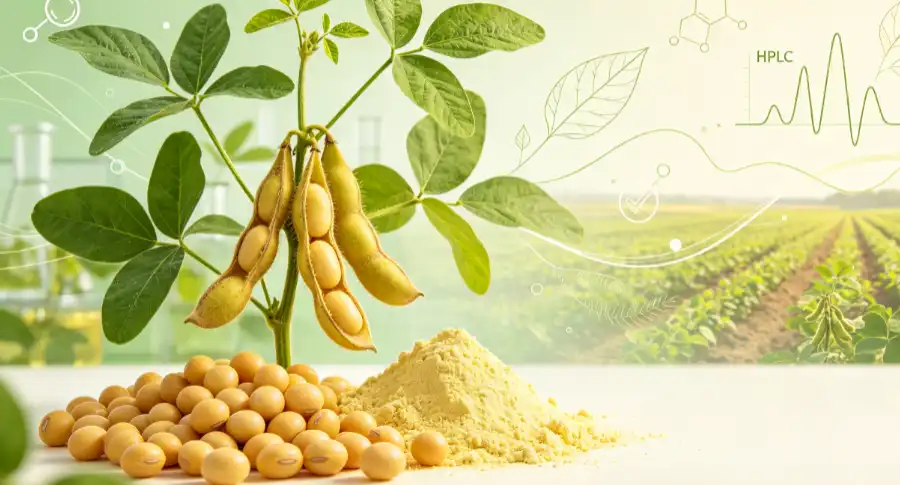
Glycine max (L.) Merr. is the source of Soybean Extract Powder, a plant-based nutrient that has been checked by HPLC to make sure it has between 10% and 95% soy isoflavones. Bioactive chemicals like daidzin, genistin, genistein, glycitin, and daidzein are found in this fine, light yellow powder. Supplements for health, useful foods, and beauty items have all used these chemicals successfully. Phytoestrogens in it help hormones work right, keep the heart healthy, and make skin look younger. The fact that it is flexible and of high quality makes it an important raw material for B2B procurement workers who need it for a wide range of industry needs.
Understanding Soybean Extract Powder: Composition, Production, and Safety
Chemical Composition and Industrial-Grade Variations
Soybean Extract Powder comes from Glycine max (L.) Merr., a plant that is grown all over the world for its health and useful properties. Plant-based estrogens known as soy isoflavones are what make the product work. Some of these are glycitin, daidzin, genistin, and genistein. The structure of these hormones is like that of female estrogen. In this way, they can bind to estrogen receptors and change how hormones work without the risks that come with using hormones that are made in a lab. High-Performance Liquid Chromatography (HPLC) finds that differences at the industry level range from 5% to 95% of total soy isoflavones. Little numbers work best for things that don't need a lot of help, like skin lotions or snack bars with extra protein. Higher amounts should be in therapeutic-grade foods that help with menopause symptoms or bone health. The powder has proteins, saponins, and fats, along with isoflavones. These help it mix and stay stable in food.
Extraction Methods and Quality Assurance
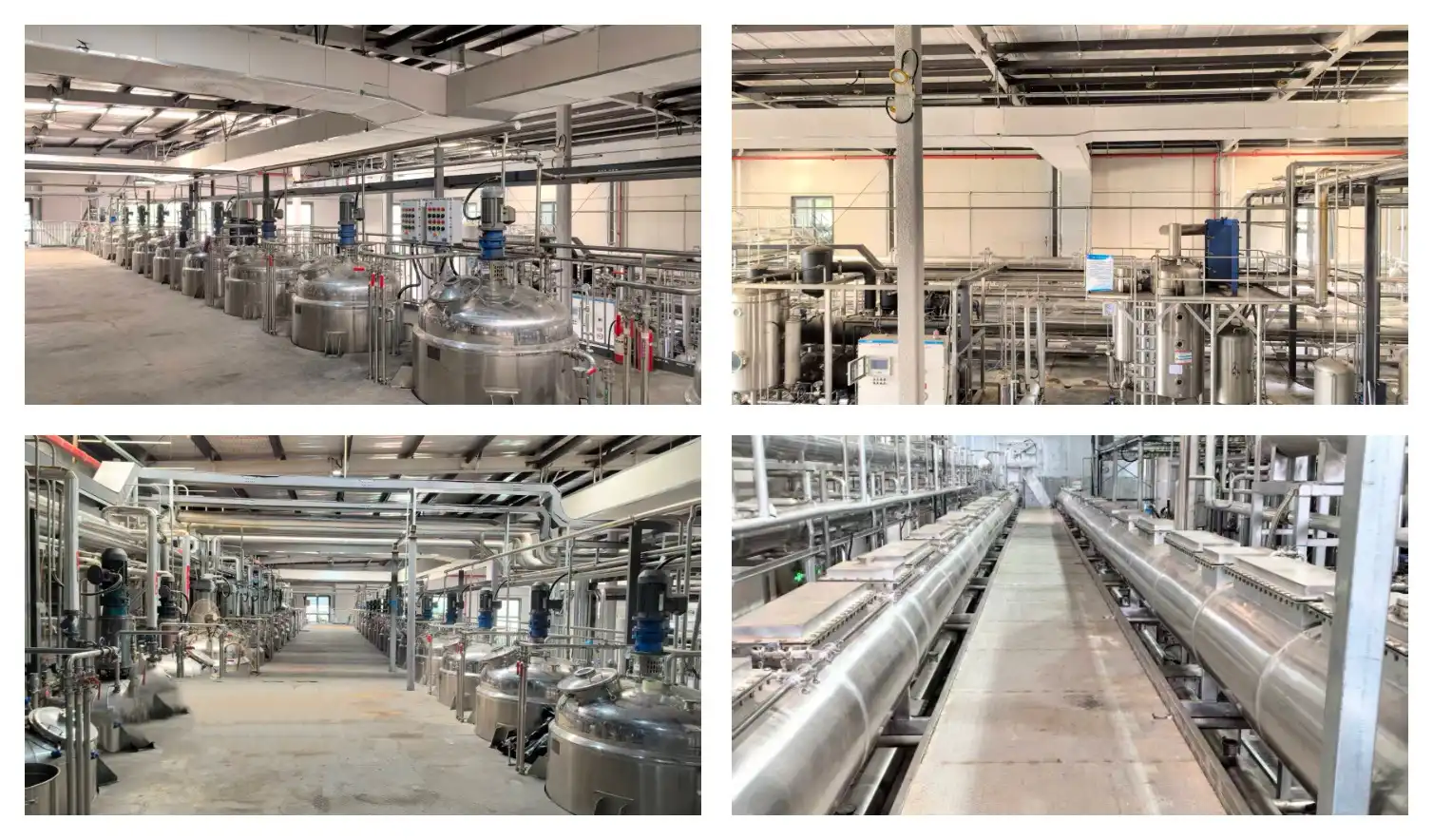
These days, we can get rid of things by solvent extraction, supercritical CO2 extraction, and cold pressing. The most common way to separate soy isoflavones is still solvent extraction with ethanol or mixes of water and ethanol. It works well and doesn't cost too much. Supercritical CO2 extraction has a better reputation because it gets rid of any solvents that are still there, even though it costs more. This makes it appealing to lines of healthy products. We use constant counter-current extraction technology in our 100,000-grade lab at UNIWELL to make sure that there is no difference between batches and that we meet FDA, ISO 22000, KOSHER, and HALAL standards. Certificates of Analysis (COA) are given to buying teams after a third-party tests each batch for heavy metals, bacterial contamination, cleanliness, and how well it works. Spray drying and air drying are two ways to dry powder, which helps keep Soybean Extract Powder stable. This makes it last longer and keeps its bioactivity.
Core Uses of Soybean Extract Powder in Food, Skincare, and Supplements
Applications in Food Manufacturing
In the food industry, Soybean Extract Powder is added to food to make it taste different, add protein naturally, and boost antioxidants. Because they have more protein, functional foods like protein bars, meal replacement shakes, and plant-based dairy options are better for you. Soy isoflavones keep fats from burning, which means that food stays fresh longer without using chemicals. That is because the powder has a mild, nutty flavor that goes well with other foods, drinks, and baked goods. People who care about their health can buy functional foods that make health claims about the heart and hormones. These claims are backed up by EFSA and FDA-approved health messages. A well-known sports nutrition brand said that 30% more people bought its line of goods for healing after a workout after adding standardized soy isoflavones to them. They said this was because customers wanted products that came from plants.
Skincare and Cosmetic Formulations
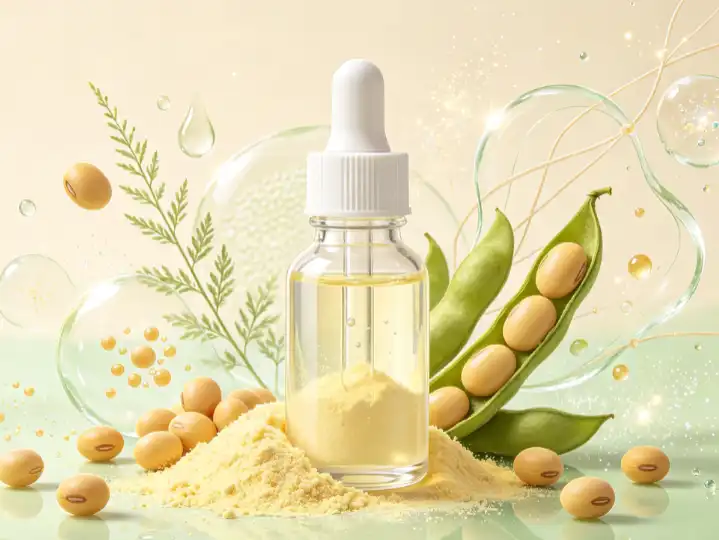
Soybean Extract Powder is very valuable in the beauty business because it fights free radicals, slows down aging, and makes skin look younger. There is less damage from UV light and photoaging because genistein and daidzein get rid of free radicals. It is because of these isoflavones that collagen production goes up and elastase activity stops. This makes skin more flexible and less wrinkled. It's often found in masks, serums that hydrate, and creams that fight wrinkles. It can be used by more people because it works on many skin types, even sensitive and acne-prone skin. According to a study published in the Journal of Cosmetic Dermatology, putting soy isoflavones on the face for 12 weeks decreased discoloration by 22% and increased skin moisture by 18%. Cosmetic companies that want to use plant-based ingredients on their labels often ask for organic, non-GMO Soybean Extract Powder. This is because customers want it and because it is the law.
Comparing Soybean Extract Powder with Alternative Soy Products
Compositional and Functional Differences
B2B buyers often compare Soybean Extract Powder with other soy derivatives during procurement:
- Soy protein powder is mostly made up of macronutrients, delivering 70% to 90% protein and almost no isoflavones. Because of this, it's a good choice for muscle-building foods and protein fortification.
- Isolated soy isoflavones raise the phytoestrogen level to 40% to 90%. This makes them useful for therapeutic medicine, but they lack the protein and saponin mix found in full-spectrum extracts.
- Soy lecithin serves as a source of phospholipids and lubricants. It is mostly used for food emulsification and packaging nutrients, not for hormone health.
- Soybean Extract Powder strikes a balance, offering standardized amounts of soy isoflavones alongside bioactives that work together for multifunctional formulations.
Organic Versus Regular Variants
Soybean Extract Powder in its organic variant is a good choice for Soybean Extract Powder brands that want to reach wealthy, eco-friendly customers. For goods to be certified organic, they can't come from GMOs, and they have to be grown and made without chemicals. This aligns with EU and USDA Organic standards. As long as they meet FDA and ISO 22000 quality norms, regular models are safe and work just as well. You can tell a lot about the quality of something by its heavy metal tests, bacteria limits, and liquid residue tests. We test our plant carefully for arsenic, cadmium, and lead to make sure it meets the maximum waste levels set by Prop 65 and the EU. Buyers should ask for COAs, audit records, and allergen statements from providers when they are reviewing them. This will make sure that tracking and being open are the most important things along the whole supply chain.
Essential Certifications for Product Compliance
Certifications show that the sources are safe, of good quality, and used in a fair way. The FDA registration shows that Good Manufacturing Practices (GMP) are used during manufacturing. Companies can reach more Jewish and Islamic customers by getting KOSHER and HALAL certificates, which help companies follow religious food rules. Food safety management systems that are certified by ISO 22000 are solid, and tests by SGS or Eurofins provide independent verification. People who work in buying should check how long certificates are good for, what they cover, and when they need to be renewed. UNIWELL keeps its FDA, KOSHER, HALAL, and ISO 22000 certifications up to date. Every year, we check to make sure we're still following the rules. Brands can follow the rules better when they go into areas in North America, Europe, and the Middle East with this set of licenses.
How to Select and Purchase Soybean Extract Powder for B2B Procurement
Defining Quality Parameters and Specifications
Effective procurement begins with clear specification sheets detailing the amount of soy isoflavones, purity limits, moisture levels, and particle size distribution. For instance, 40% of a vitamin for menopause might be isoflavones, with less than 5% water and less than 0.5 ppm heavy metals. Food companies might focus on how well their products dissolve and taste, while beauty companies might focus on how well their products enter the skin by making the particles smaller. The buyers should also agree on acceptable ranges for the ratios of daidzein to genistein, as these amounts affect how quickly and well the Soybean Extract Powder works. By asking for samples before sending, you can check the taste, how quickly it dissolves, and how well it works with other recipes. In order to help people make good decisions, UNIWELL gives away free samples and full technical data sheets (TDS).
Supplier Evaluation and Audit Procedures
Some things you can look at to tell if a source you can trust are their manufacturing licenses, quality marks, and customer reviews. Outside inspections of the factory by a third party show how clean the work area is, how well the machines are set up, and how the raw materials can be tracked. To lower the risks in the supply chain, you can ask for papers like pesticide residue records, allergen cross-contamination limits, and stability studies. It's better to have supply consistency if you build long-term ties with providers who are quick and open. Over 100 metric tons of raw materials are kept on hand by UNIWELL, and most normal orders are shipped within three business days. That means you never have to wait long, and your order is always ready. Our supply chain team promises to answer all questions right away, speeding up the buying process and making administration easier.
Optimizing Usage and Integration of Soybean Extract Powder in Your Products
Best Practices for Dosing and Formulation
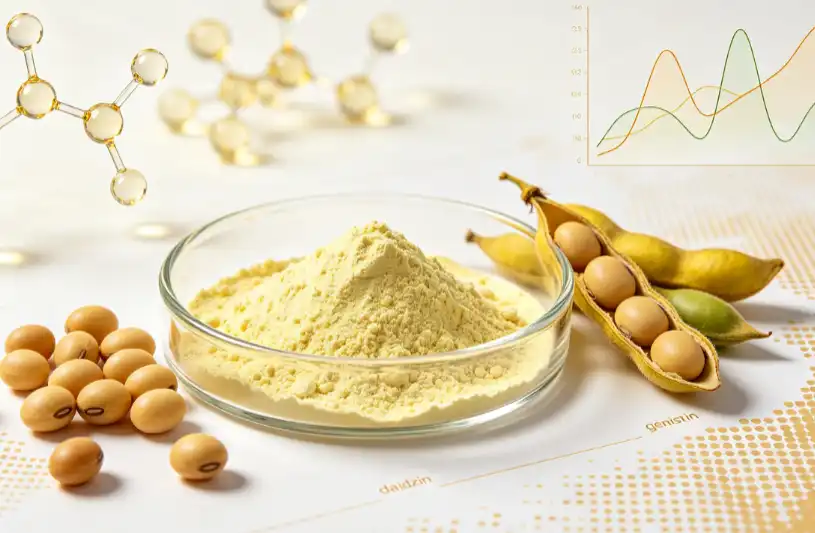
The best ways to dose Soybean Extract Powder depend on Soybean Extract Powder the product's health claims. Soy isoflavone pills generally have between 40 mg and 100 mg per dose, which is what the government and scientists suggest. Around 10 to 30 mg per serving is a good amount for foods to balance taste and health benefits. Skincare products usually have amounts between 0.5% and 2%, which is the best range for getting the job done without changing the stability or smoothness of the formulation. Each matrix has its own set of insertion methods. Extracts that mix with water are simple to add to drinks and liquid vitamins. For uses that need to stick to fat, encapsulation or emulsification can help. Products that can't handle high temperatures need to be handled at low temperatures to keep the soy isoflavone pure. Making sure that the active ingredients, binders, and excipients work well together stops degradation and keeps the product working the same way for its entire shelf life.
Common Pitfalls and Regulatory Compliance
Changes in pH, oxidative breakdown, and water uptake are all common processing reactions. Powder can be kept for up to 24 months if it is kept away from light and air in a cool, dry place below 25°C. When soy isoflavones are made, too much heat can change their structure, which makes them less useful for living things. When you mix with antioxidants like vitamin E or rosemary extract, the chance of oxidation goes down. To follow the rules, products must have the right labels, health claims that can be backed up, and the suggested maximum daily amount. The FDA permits qualified health claims about soy protein and heart health as long as they are clear, while the EFSA looks at each claim about isoflavones on its own. Brands shouldn't make claims about how they can help diseases that haven't been proven. Instead, they should back up their marketing with clinical data.
Emerging Trends and B2B Product Opportunities
Enzyme-assisted extraction and ultrasound-enhanced processing are two new ways to get soy isoflavones out of plants that make them more useful and better for the world. One idea for a new product is personalized nutrition pills that change the amount of isoflavone in them based on genetic tests and bacterial analysis. It's becoming more and more popular to put soy isoflavones together with collagen peptides, probiotics, and plant adaptogens in functional drinks and beauty-from-within supplements. Buyers and procurement teams that care about the environment like to use carbon-neutral manufacturing, circular economy practices, and buying that is based on sustainability. Brands that stand out from their rivals through open supply chains, partnerships for green agriculture, and goods that don't create any waste have an advantage. You can be ahead of the curve when it comes to how the market needs to change if you keep up with these trends.
Conclusion
Soybean Extract Powder is an important part of the work of B2B professionals in the nutraceutical, functional food, and cosmetics industries. It can be used for many things, is safe, and has been shown to be good for your health. This makes it an important product for businesses that need legal, high-quality plant extracts. When procurement teams know about the different types of ingredients, how they are extracted, and the rules that apply, they can pick the best sources and formulations that meet strategy goals. As market trends shift toward plant-based, sustainable, and evidence-backed ingredients, it offers a proven pathway to product differentiation and consumer trust.
FAQ
1. What distinguishes Soybean Extract Powder from soy protein powder?
Soybean Extract Powder is a dense form of healthy soy isoflavones (10% to 95%), proteins, and saponins that support hormone health and antioxidant action. Soy protein powder prioritizes macronutrient content (70%–90% protein) with minimal isoflavones, making it suitable for muscle-building and protein-fortification applications.
2. Are organic variants safer or more effective than regular versions?
Organic variants ensure non-GMO sourcing and pesticide-free cultivation, appealing to eco-conscious brands. Efficacy remains comparable when regular variants meet FDA and ISO 22000 standards with rigorous heavy metal and germ tests. Certification choice depends on target market preferences and regulatory positioning.
3. Can Soybean Extract Powder cause allergic reactions?
Some people may be sensitive if they are allergic to soy. Labels that are correct, allergy warnings, and controls on cross-contamination all lower the risks. Testing by a third party and clear marking of chemicals keep people safe and ensure following the rules.
Partner with UNIWELL for Premium Soybean Extract Powder Supply
UNIWELL Biotechnology specializes in delivering certified Soybean Extract Powder standardized to 10%-95% soy isoflavones, manufactured in our state-of-the-art 100,000-grade cleanroom facility. As a trusted supplier, we combine over ten years of production expertise with continuous counter-current extraction technology, ensuring zero batch-to-batch variation and compliance with FDA, ISO 22000, KOSHER, and HALAL standards. Our strategic inventory exceeding 100 metric tons enables three-business-day shipping for standard orders, supported by comprehensive global logistics solutions via air, sea, and land freight. We provide tailored OEM/ODM services, free samples, competitive pricing, and complete documentation, including COAs and regulatory guidance for EU and US markets. Contact our team at info@uniwellbio.com to request technical data sheets, discuss customization options, and secure reliable, high-quality botanical extracts that elevate your product portfolio and market competitiveness.
References
1. Messina, M. (2016). Soy and Health Update: Evaluation of the Clinical and Epidemiologic Literature. Nutrients, 8(12), 754.
2. Cassidy, A., & Hooper, L. (2006). Phytoestrogens and Cardiovascular Health. Journal of the British Menopause Society, 12(2), 49-56.
3. Khaodhiar, L., Ricciotti, H. A., & Li, L. (2008). Daidzein and Genistein Content in Commercial Soy Foods. Journal of Agricultural and Food Chemistry, 56(16), 7004-7009.
4. Wuttke, W., Jarry, H., & Seidlová-Wuttke, D. (2007). Isoflavones—Safe Food Additives or Dangerous Drugs? Ageing Research Reviews, 6(2), 150-188.
5. Simoncini, T., Hafezi-Moghadam, A., & Brazil, D. P. (2004). Interaction of Oestrogen Receptor with the Regulatory Subunit of Phosphatidylinositol-3-OH Kinase. Nature, 407(6803), 538-541.
6. Nagata, C., Takatsuka, N., & Kawakami, N. (2001). Soy Product Intake and Hot Flashes in Japanese Women. Menopause, 8(6), 660-664.
Have a project in mind? Share your requirements — we’ll turn your ideas into reliable products.