- English
- French
- German
- Portuguese
- Spanish
- Russian
- Japanese
- Korean
- Arabic
- Greek
- German
- Turkish
- Italian
- Danish
- Romanian
- Indonesian
- Czech
- Afrikaans
- Swedish
- Polish
- Basque
- Catalan
- Esperanto
- Hindi
- Lao
- Albanian
- Amharic
- Armenian
- Azerbaijani
- Belarusian
- Bengali
- Bosnian
- Bulgarian
- Cebuano
- Chichewa
- Corsican
- Croatian
- Dutch
- Estonian
- Filipino
- Finnish
- Frisian
- Galician
- Georgian
- Gujarati
- Haitian
- Hausa
- Hawaiian
- Hebrew
- Hmong
- Hungarian
- Icelandic
- Igbo
- Javanese
- Kannada
- Kazakh
- Khmer
- Kurdish
- Kyrgyz
- Latin
- Latvian
- Lithuanian
- Luxembou..
- Macedonian
- Malagasy
- Malay
- Malayalam
- Maltese
- Maori
- Marathi
- Mongolian
- Burmese
- Nepali
- Norwegian
- Pashto
- Persian
- Punjabi
- Serbian
- Sesotho
- Sinhala
- Slovak
- Slovenian
- Somali
- Samoan
- Scots Gaelic
- Shona
- Sindhi
- Sundanese
- Swahili
- Tajik
- Tamil
- Telugu
- Thai
- Ukrainian
- Urdu
- Uzbek
- Vietnamese
- Welsh
- Xhosa
- Yiddish
- Yoruba
- Zulu
Organic Pure Ginger Extract Powder Buying Guide
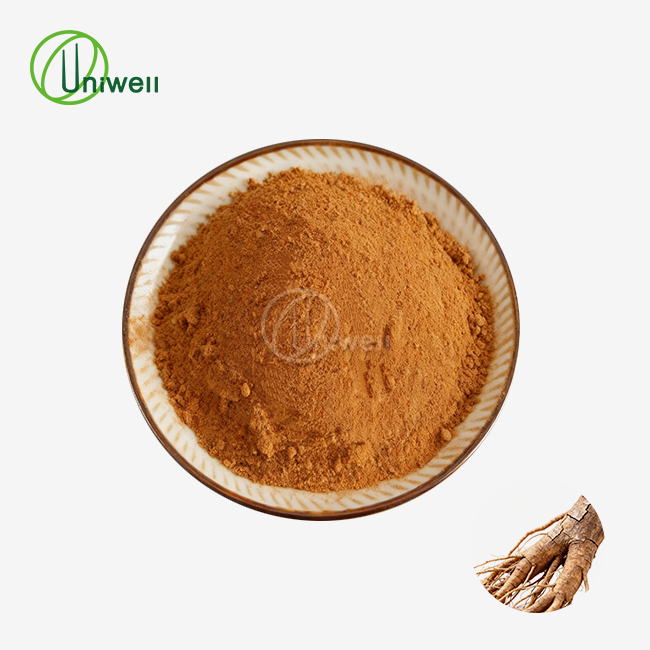
If you're looking for pure, standardized plant ingredients for making nutraceuticals, useful foods, Pure Ginger Extract Powder or products, Pure Ginger Extract Powder is one of the best options. It is made from the rhizomes of Zingiber officinale. Instead of regular ground ginger, this extract gives makers steady amounts of bioactive substances, mostly gingerols and shogaols, that help them deal with important issues like batch variation, microbial contamination, and accurate formulation. This buying guide helps buyers, formulators, and distributors find high-quality organic ginger extracts that meet strict international standards and make goods work well and follow the rules. It does this by giving them technical information and ways to review sellers.
Understanding Organic Pure Ginger Extract Powder
What Makes Organic Ginger Extract Different from Raw Ginger
Organic ginger extract powder is a concentrated form of the good chemicals that ginger has. Solvent extraction methods, such as supercritical CO2 processing, ethanol extraction, or water extraction, are used to make it. Most ginger powder and fresh ginger root have between 1% and 2% gingerols by weight. An HPLC test, on the other hand, showed that standardized samples can have anywhere from 5% to 20% gingerols. Because of this amount, vitamin mixes and healthy drinks don't need to use too much of the element. The organic label makes sure that the ginger rhizomes are grown without using chemicals, pesticides, or living things that have had their genes changed by humans. A product must meet USDA Organic, EU Organic, or similar standards in order to be approved organic. These standards say that the product must be able to be tracked from the farm to the customer. As part of getting a license, the soil is checked, and every year there are checks. All the inputs used for growing and processing are also written down. The buyers can be sure that there aren't any poisons left over that can be found. This is very important for clean-label items and ingredients that are used in medicines.
Manufacturing Process and Quality Controls
In order to make ginger extract powder, you must first carefully pick out grown rhizomes. The best time to pick these is after eight to ten months of growth, when the gingerol amount is highest. It is washed and cut up, and then drained with water or food-grade ethanol while the temperature is kept under control to protect chemicals that break down when hot. The extract is then sprayed or dried in the air to make a fine powder. The particles in the powder are usually small enough to fit through 80-mesh screens. Vacuum concentration gets rid of the liquids. A reputable company checks its goods for microbial pollution, such as yeast, mold, viruses, and total plate count, as well as heavy metals like lead, cadmium, mercury, and arsenic. There are also solvents that are checked for. Technology called continuous counter-current extraction is used in more Pure Ginger Extract Powder modern sites. This method raises the yield while keeping the quality of the chemical. Approved labs test the product on a third party to make sure it meets the standards on the Certificate of Analysis (COA). These rules say that the product must have a certain amount of gingerol, be less than 5% wetness, and not have any added chemicals like capsaicin.
Comparing Organic Pure Ginger Extract Powder with Other Ginger Products
Potency and Standardization Differences
When comparing raw materials, it's important to know how the quantity changes so that the right recipe can be made. Eighty to ninety percent of fresh ginger root is water, so 1000 mg only gives you 100 to 200 mg of dry matter and very few gingerols. Even though ginger root powder is made without water, the amount of gingerol it has can still be anywhere from 1% to 3%, depending on how it was grown and handled. This variety makes it hard for formulators to come up with labels that make claims that are the same for all of them. Certain amounts of gingerol, like 5%, 10%, or 20%, are guaranteed in standardized ginger goods, so there is no need to worry about this. This 500 mg pill has 5% gingerol extract, which equals 25 mg of active gingerols. This is the same amount of gingerols found in 12 to 25 grams of fresh ginger root. With this concentration, companies can make strong mixes in smaller dose sizes. This means that people don't have to take as many pills, and companies save money on materials. Standardization also ensures steadiness from batch to batch, which is needed by law for medical uses and making supplements that follow GMP guidelines.
Shelf Life and Storage Stability
Raw ginger powder is not very steady because it still has a lot of water in it and a lot of essential oils in it. If kept in normal conditions, it can oxidize, lose flammable chemicals, and even go bad in 12 to 18 months. Microbes can also grow when there are fibers and carbs, and moisture barriers don't work. The moisture level drops below 5% in high-quality ginger liquids that are properly separated and dried. This makes it last a lot longer. If kept in covered, light-protected cases at room temperature, it can last up to 24 to 36 months. This way of extraction can be seen as getting rid of volatile oils as either a good or bad thing, depending on the scenario. Ginger essential oil has a nice smell, but it can make pill and tablet formulas less stable because it can move around and turn into oxygen. Root products based on gingerol stay more stable over time when they are used in solid dosage forms. But oleoresin-type extracts may be used for herbal teas or soothing skin products that need to smell good. These extracts keep both gingerols and essential oils. But these need to be treated more carefully, and they usually don't last as long.
How to Use Organic Pure Ginger Extract Powder Effectively
Dosage Recommendations by Industry Application
To get the most out of ginger powder, you need to know how much to use for each task and group of people you want to help. In clinical tests, 1-3 grams of pure extract (5% gingerols) were given every day, spread out over several doses. This was done to help the gut. That's a daily intake of 50–150 mg of gingerols. An important part of sports nutrition items that help with inflammation after exercise is gingerol extract, which usually has between 500 mg and 1000 mg of 5 to 10 percent gingerols. This dose works well to reduce inflammation without giving you stomach issues like bigger doses do. When it's used for makeup, you need to think about different things. Ginger extract by weight makes up between 0.5% and 2% of topical forms most of the time. This is done to make sure that the product works well and doesn't hurt the skin too much. When people take in more, they might feel a little warmer, which makes them think the product is working better for treatments that make the blood flow better. There are times when functional drinks don't dissolve well, such as Pure Ginger Extract Powder, and they need between 50 and 200 mg of water-soluble or water-dispersible extract per dose to get the taste and health benefits they need without separating or precipitating during storage.
Formulation Techniques and Compatibility
When you mix ginger powder with other things, you need to make sure it mixes well with those other things. For the extract to be fairly spread and easy to compress when making tablets, it needs to be carefully mixed with diluents such as microcrystalline cellulose or dicalcium phosphate. This is because the extract has small particles and a low bulk density. Steps for granulation make direct compression formulas work better and keep them from splitting when tablets are pressed quickly. Ginger drinks are easier to work with because they don't absorb water, but capsules are easier to work with because they do. Extracts don't stick together when they're mixed with low-moisture veggie shells, and powders don't stick together when they're mixed with silicon dioxide or other anti-caking agents that are 0.5 to 1% strong. To use softgels, you need to mix oil-soluble extracts or oleoresins with medium-chain triglycerides or olive oil. Lecithin is added as a glue to keep the ingredients from separating. If someone is making a drink, they need to think about pH stability because gingerols are stable across a wide pH range (3–7) but can change into shogaols at high temperatures.
Buying and Procuring Organic Pure Ginger Extract Powder: What B2B Buyers Should Know
Essential Supplier Selection Criteria
To find companies you can trust, you should carefully look at their qualifications, how they make sure quality, and their business skills. Some of the most important certifications are those for quality management systems (ISO 22000 and GMP), religious certifications (Kosher and Halal) if you want to reach certain groups of people, and organic certifications (USDA Organic and EU Organic). Facilities that sell to people in the U.S. need to be listed with the FDA to make sure they follow the new rules for food safety, which include figuring out what the risks are and putting in place controls to stop them. You should not only look at the supplier's certificates, but also at how they test and analyze. Some trustworthy businesses test their goods in-house using tried-and-true HPLC methods to check the amount of gingerol in them. These tests are backed up by checks done by other labs at approved sites. Ask for recent COAs that show full test panels that include confirming identification (often with thin-layer chromatography or FTIR spectroscopy), heavy metal analysis by ICP-MS, microbe testing, and pesticide residue screens. If different batches are the same, it shows that the control of quality and management of the supply chain are good. The difference between great sources and good ones is how open the supply chain is. Check to see where their ingredients come from.
Pricing Factors and Order Flexibility
Ginger extract costs different amounts based on Pure Ginger Extract Powder, how much gingerol it has, whether it is certified organic, how it is made, and how much you order. If you buy more than 100 kg of organic extracts with 5% gingerol, the cost will likely be between $35 and $65 per kg. After 500 kg and 1000 kg, the price will go down. Higher strength extracts (10–20%) usually cost 40–80% more than base prices. This is because they need to be handled more and make fewer gingerols. It costs 15–30% more for extracts to be certified organic because of the higher costs of growing supplies, licensing fees, and lower farm returns. But because the market wants organic foods, this extra cost is often worth it because it helps the product stand out and lets it sell in more high-end stores. It is important to think about the total cost of ownership when looking at providers from different areas. This includes freight, customs fees, and the cost of having inventory. Asian sellers generally have lower prices, but you have to wait longer and pay more for shipping. On the other hand, sellers in North America or Europe offer faster shipping but charge more per unit. When the specs are average, the minimum order quantity (MOQ) is generally between 25 kg and 100 kg. But some manufacturers will work with smaller amounts (5 kg to 10 kg) for an extra fee. Talk to sellers about flexible purchase deals that let you change the details.
Vetting Suppliers and Requesting Samples
Some good places to start are by reading about the seller on their website, making sure the company is registered and has the right certifications, and looking for reviews from customers or others. Referrals from present customers in the same industry are a great way to find out how reliable, clear, and good at solving problems a company is. You can meet people in person and, if possible, take tours of facilities when you go to trade shows like SupplySide West, Vitafoods Europe, or events in your area. What you want for the market outline should be the same as what you want for the sample review. Ask for 200–500 gram samples to make sure the product is stable, works with other products, and tastes good. You can have the specs checked by any lab you want to make sure they are what the seller says they are. Check the particle size distribution, mass density, and flowability with your own tools to see what problems might arise during processing before you start to scale up.
Conclusion
To find the best organic Pure Ginger Extract Powder, you need to find a mix between quality control, technical needs, following the rules, and trusting your providers. Manufacturers can make successful products that live up to what they say on the package and meet customer expectations when they use standardized extracts. With raw plants, you can't do this. When you carefully pick a seller based on their licenses, testing methods, and openness about their supply chain, you lower your risks and make sure you can get the high-quality ingredients that make your products stand out in a market full of competitors. Buying teams that do a good job look at more than just the unit price. To do this, they look at things like technical help, product availability, the ability to move things, and how free the connection is. The demand for organic botanical products with clean labels is rising all over the world. Companies that work with suppliers who are committed to quality, sustainability, and steady growth will be recognized. If buyers follow the tips and guidelines in this guide, they can be sure that the ginger extract they buy will help their goods sell well and their businesses grow over time.
FAQ
1. What is the typical shelf life of ginger extract powder?
If you store high-quality organic Pure Ginger Extract Powder the right way—in covered containers, out of the light and moisture, and below 25°C—it will work for 24 to 36 months. Gingerol doesn't break down or soak up water, which can cause it to crystallize if it is kept properly. Find stable data that shows how much gingerol something can hold over time in situations that speed up the aging process. This will help you guess how long something will last in the real world.
2. Can ginger extract be used in both food and cosmetic applications?
Spice powder that is safe for food can be used as both a vitamin and a beauty product, as long as it follows the rules for each group. For beauty uses, it's important to follow INCI name rules (Zingiber Officinale Root Extract) and do safety tests to make sure it's safe for skin. Providers should back up the planned use groups with the right papers.
3. How can I be sure that the titles the seller shows are real?
Ask for copies of the certificates that show when they are still good, and then check with the government agency that gave them. Organic certifications give you a list of organizations that approve products and how to get in touch with them. Check to see if the provider is listed as an approved business by the government. People can check ISO badges because they should have information on the certifying group. Suppliers who have a good name will be honest about this and make it easy for you to see if they are following the rules.
Source Premium Pure Ginger Extract Powder from UNIWELL
Cosmetic, nutraceutical, and functional food businesses all over the world buy plant extracts from UNIWELL. These companies expect uniform quality and compliance with rules. The exact amount of gingerol in our organic Pure Ginger Extract Powder is carefully controlled to be between 5% and 10%. A lot of tests, like heavy metals, microbial pollution, and herbicide residue screens, back this up. HPLC analysis proves it. We keep more than 100 metric tons of stock on hand and can ship most orders in three business days. It is easy for us to sell our goods in North America, Europe, the Asia-Pacific region, and Pure Ginger Extract Powder because we are registered with the FDA and have ISO 22000, Kosher, and Halal licenses. Our expert team is here to help you before you buy from us. They can give you free samples, full product specs, and recipe advice that is tailored to your needs. We know how to work with ODMs and OEMs very well, which means we can change the extraction rates, packing forms, and paperwork to fit the needs of each market, such as Novel Food standards and USP/EP monographs. Our low prices come from having direct relationships with farms and preparing food quickly and efficiently. We offer great deals without dropping the high standards of quality needed to make high-end goods. Get samples, talk about your project, or look into private labeling options with a reliable ginger extract powder provider who wants you to succeed by emailing our team at info@uniwellbio.com.
References
1. Mashhadi, N.S., Ghiasvand, R., Askari, G., et al. (2013). "Anti-Oxidative and Anti-Inflammatory Effects of Ginger in Health and Physical Activity: Review of Current Evidence." International Journal of Preventive Medicine, 4(Suppl 1), S36-S42.
2. Grzanna, R., Lindmark, L., & Frondoza, C.G. (2005). "Ginger—An Herbal Medicinal Product with Broad Anti-Inflammatory Actions." Journal of Medicinal Food, 8(2), 125-132.
3. Wilson, P.B. (2015). "Ginger (Zingiber officinale) as an Analgesic and Ergogenic Aid in Sport: A Systemic Review." Journal of Strength and Conditioning Research, 29(10), 2980-2995.
4. Haniadka, R., Saldanha, E., Sunita, V., et al. (2013). "A Review of the Gastro-protective Effects of Ginger (Zingiber officinale Roscoe)." Food & Function, 4(6), 845-855.
5. Bartels, E.M., Folmer, V.N., Bliddal, H., et al. (2015). "Efficacy and Safety of Ginger in Osteoarthritis Patients: A Meta-Analysis of Randomized Placebo-Controlled Trials." Osteoarthritis and Cartilage, 23(1), 13-21.
6. Wohlmuth, H., Leach, D.N., Smith, M.K., & Myers, S.P. (2005). "Gingerol Content of Diploid and Tetraploid Clones of Ginger (Zingiber officinale Roscoe)." Journal of Agricultural and Food Chemistry, 53(14), 5772-5778.
Have a project in mind? Share your requirements — we’ll turn your ideas into reliable products.