- English
- French
- German
- Portuguese
- Spanish
- Russian
- Japanese
- Korean
- Arabic
- Greek
- German
- Turkish
- Italian
- Danish
- Romanian
- Indonesian
- Czech
- Afrikaans
- Swedish
- Polish
- Basque
- Catalan
- Esperanto
- Hindi
- Lao
- Albanian
- Amharic
- Armenian
- Azerbaijani
- Belarusian
- Bengali
- Bosnian
- Bulgarian
- Cebuano
- Chichewa
- Corsican
- Croatian
- Dutch
- Estonian
- Filipino
- Finnish
- Frisian
- Galician
- Georgian
- Gujarati
- Haitian
- Hausa
- Hawaiian
- Hebrew
- Hmong
- Hungarian
- Icelandic
- Igbo
- Javanese
- Kannada
- Kazakh
- Khmer
- Kurdish
- Kyrgyz
- Latin
- Latvian
- Lithuanian
- Luxembou..
- Macedonian
- Malagasy
- Malay
- Malayalam
- Maltese
- Maori
- Marathi
- Mongolian
- Burmese
- Nepali
- Norwegian
- Pashto
- Persian
- Punjabi
- Serbian
- Sesotho
- Sinhala
- Slovak
- Slovenian
- Somali
- Samoan
- Scots Gaelic
- Shona
- Sindhi
- Sundanese
- Swahili
- Tajik
- Tamil
- Telugu
- Thai
- Ukrainian
- Urdu
- Uzbek
- Vietnamese
- Welsh
- Xhosa
- Yiddish
- Yoruba
- Zulu
Organic Nature Resveratrol Powder: Buyer’s Guide and Tips
Companies in the animal feed, aquaculture, and farming biotechnology fields have to make important decisions about where to get fine Nature Resveratrol Powder. This thorough buyer's guide covers all the important things that business-to-business buyers need to think about when looking for high-quality trans-resveratrol products for use in industry. Knowing about the sourcing, quality standards, and seller evaluation criteria helps you make smart buying choices that have a direct effect on how well the product works and how competitive it is in today's strict regulatory environment.
Understanding Organic Nature Resveratrol Powder
What Defines Authentic Nature-Derived Resveratrol?
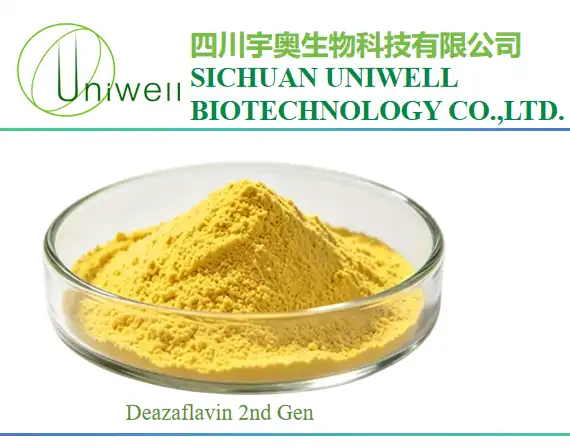
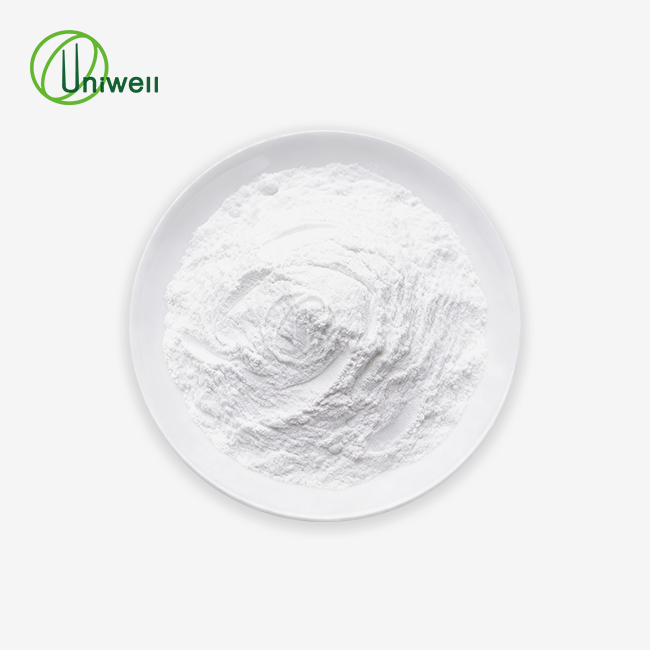
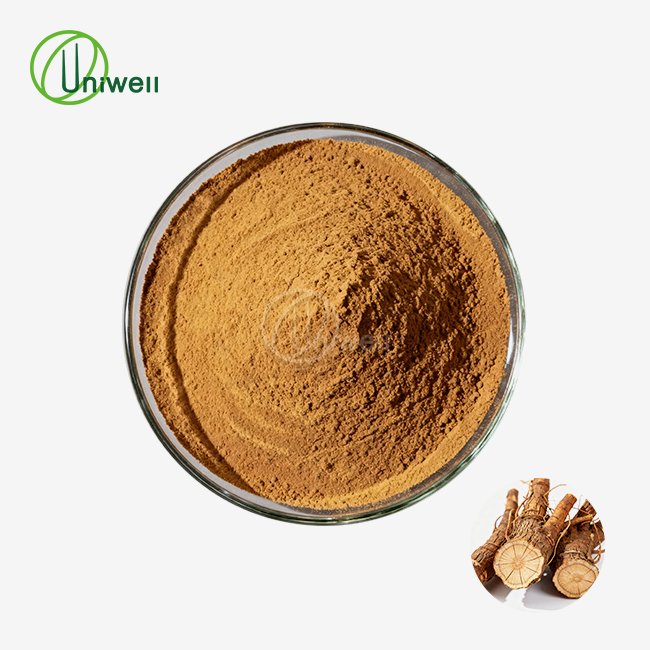
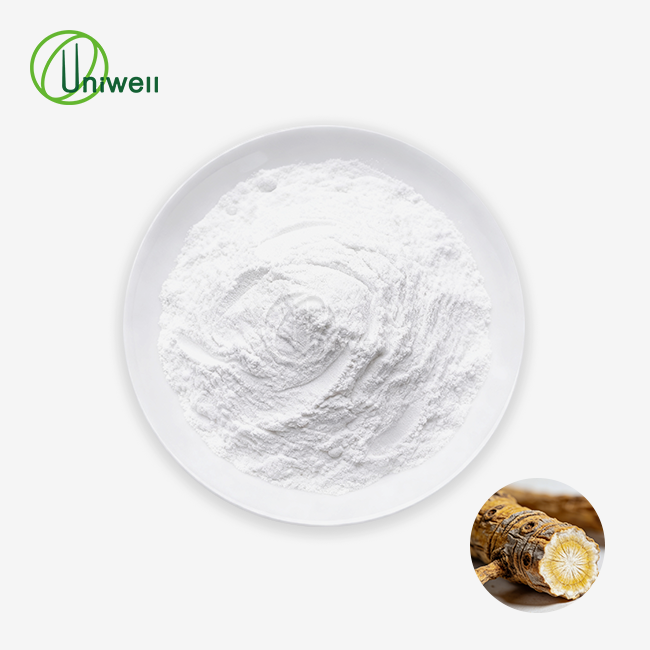
Nature Resveratrol Powder is mostly made from Polygonum cuspidatum, also known as Giant Knotweed. It has trans-resveratrol amounts ranging from 10% to 98%, which has been confirmed by HPLC. Synthetic resveratrol comes from petrochemical processes, but naturally harvested resveratrol has a unique molecular structure that makes it more bioavailable and less likely to contain impurities. The method of extraction keeps the natural structure of the polyphenols, which makes sure that they have the best antioxidant activity for use as a feed addition. Specifications for quality include the fact that the fine powder can look anywhere from brown to white, based on the concentration level and the way used for processing. Higher purity grades usually have a lighter color because they are purified using more advanced methods that get rid of naturally found co-compounds while keeping the active trans-resveratrol isomer.
Biochemical Properties and Industrial Benefits
The polyphenolic makeup of resveratrol makes it a very powerful antioxidant in more than one way. It turns on SIRT1 proteins, which promotes pathways for cellular lifespan. This leads to better stress response in livestock and aquaculture. The compound's anti-inflammatory qualities help the immune system work better, which is especially helpful for companies that make animal feed and are making high-quality nutrition mixes. Researchers have found that giving resveratrol to chickens and cattle increases the efficiency of feed conversion and lowers signs of oxidative stress. These advantages come from the compound's power to change metabolic pathways, improve mitochondrial function, and protect heart health in a variety of species.
Safety Protocols and Usage Guidelines
By following the right dose guidelines, you can get the most out of your medicine while still staying safe. Rates of addition that are suggested change based on species and use, but are usually between 50 mg and 500 mg per kilogram of finished feed. High-quality Nature Resveratrol Powder can be mixed into pelleted feeds without losing a lot of its effectiveness during the production process because it is thermostable. To keep the trans-resveratrol isomer from breaking down, it needs to be stored away from direct sunlight and moisture. Proper handling methods keep products stable for long periods of time, which helps bulk buyers handle their supplies more cost-effectively.
Comparing Organic Nature Resveratrol Powder with Alternatives
Organic versus Conventional Processing Methods
The difference between standard and organic resveratrol production has a big effect on the quality of the product and where it stands in the market. Organic approval makes sure that the plants used for extraction were grown without synthetic fertilizers, pesticides, or genetic change. This clean production method is appealing to companies that want to sell high-end goods, where customers care about knowing what's in the products they buy. Conventional handling might get to the same level of purity, but it doesn't have the full supply chain checks that are needed for organic approval. The price difference between organic and standard grades is usually between 15% and 30%. This is because approved organic farming and processing come with extra costs.
Natural Extract Performance Against Synthetic Alternatives
Here are the key performance differentiators between natural and synthetic resveratrol variants:
- Bioactivity Profile: Natural products have complementary polyphenols that work together to make the antioxidant capacity stronger.
- Stability Characteristics: Products that come from nature are more stable at high temperatures during feed processing.
- Regulatory Acceptance: Natural sources are less restricted by regulators on foreign markets, which makes the process of registering a product easier.
- Consumer Perception: Natural origin gives companies that focus on clean labels business benefits
These performance benefits make the higher prices that natural resveratrol products usually have worth it, especially when aimed at high-end markets where ingredient reliability affects buying decisions.
Supplier Certification and Quality Validation
Reliable sellers keep a full set of certifications, such as FDA registration, ISO22000 food safety management, KOSHER, and HALAL compliance. These licenses show dedication to quality systems that make sure products meet regular standards and follow proper methods to avoid contamination. An independent study of heavy metals, microbiological factors, and active chemical concentrations by a third party testing proof gives you even more peace of mind. Suppliers who include a Certificate of Analysis with every shipment make it possible for buyers to keep quality control records that meet legal requirements.
Procurement Considerations for B2B Buyers
Minimum Order Quantities and Pricing Structures
Because of the unique costs of making and shipping Nature Resveratrol Powder, international sellers usually set minimum order numbers between 25 and 100 kilograms. Pricing tiers based on volume award bigger promises, and for yearly supply deals over 500 kilograms, costs drop by a lot. Payment terms usually include paying 30 to 50 percent up front, and the rest is due when shipping is confirmed. When doing business with new suppliers, letters of credit are a good way to protect both sides in an overseas deal. Price stability can be affected by changes in the value of the currency, so fixed-price plans are useful for planning your spending.
Supply Chain Reliability Assessment
To figure out how reliable a provider is, you need to look at their production capacity, how they handle inventory, and how well they can handle transportation. Leading suppliers keep strategic stockpiles of raw materials that are more than 100 metric tons, which lets them quickly fill normal orders within three business days. Spreading out your supply sources across different regions lowers your risk of being affected by regional problems, changes in the yield caused by weather, or changes in the rules. Suppliers who have more than one production facility or set up backup buying plans are better prepared for supply continuity.
Quality Verification and Sampling Protocols
Asking for samples of a product lets you check out its powder qualities, solubility, and analytical accuracy before making a bigger buy. Professional providers offer 50–100 gram samples with full analytical evidence, such as HPLC chromatograms that prove the presence of trans-resveratrol. Visual inspection, measurement of moisture content, and compatibility tests with current formulations should all be part of the sample review process. Setting basic quality standards makes it easier to keep an eye on stability from batch to batch throughout the supply chain.
Optimizing the Use of Organic Nature Resveratrol Powder in Your Product Line
Integration Strategies for Feed Applications
When adding resveratrol powder to animal food, it's important to think about how the ingredients will interact with each other and how the food will be processed. Because the substance is lipophilic, it needs to be mixed properly to make sure that it is evenly distributed in finished feeds. Adding carrier oils or packaging technologies ahead of time improves dispersion and absorption. By checking for compatibility with other vitamin and mineral premixes, any combinations that might make them less effective are avoided. Interestingly, Nature Resveratrol Powder's antioxidant abilities work well with fat-soluble vitamins to keep them from going bad during storage.
Market Differentiation Opportunities
When people know about the benefits of resveratrol, it opens up chances for premium product positioning in animal feeding markets. Marketing messages that stress the benefits of natural antioxidants, supporting life, and being resistant to stress are well received by livestock farmers who want to gain a competitive edge through better nutrition programs. Labels that show organic certification and non-GMO sources are appealing to producers that want to sell premium meat, dairy, or aquaculture products to consumers who value clear information about the production process. These positioning tactics often support price increases of 10 to 15 percent.
Return on Investment Analysis
When B2B buyers start taking resveratrol supplements, they usually see changes in production measures within 60 to 90 days. Better feed conversion, lower death rates, and higher product quality all add up to a good return on investment that justifies the higher prices of premium ingredients. Case studies from chicken farms show that feed conversion rates can be improved by 3 to 5 percent, and aquaculture uses show that disease resistance and growth performance can be improved. These measurable benefits help build long-term relationships with suppliers and spread the program to more production sites.
Conclusion
To successfully buy Nature Resveratrol Powder, you need to carefully consider the skills of the seller, the rules for checking the quality, and the best ways to use the powder. Because organic, naturally-derived resveratrol is seen as a premium product, it is important to choose a provider carefully based on their certifications, analytical skills, and the dependability of their supply chain. When business-to-business sellers do their research and only work with certified providers, they set themselves up for long-term success in competitive markets where the quality of the ingredients directly affects how well the finished product works and how happy customers are.
Frequently Asked Questions
1. What certifications should I prioritize when selecting a resveratrol supplier?
When it comes to food safety, pay attention to FDA registration, ISO22000 certification, and organic certification, if they apply. KOSHER and HALAL approvals make markets more accessible, and GMP compliance shows that the production quality standards are met. Verification by a third party through testing adds to the quality guarantee that comes from source certifications.
2. How does powder form compare to other resveratrol delivery methods?
The powder form gives you more options for unique formulas and is more cost-effective for large-scale uses. Powder, not capsules or tablets, allows for exact doses and easy integration into current processes for making feed. The percentage range of 10 to 98% lets you get the best results for your unique needs.
3. What storage conditions maintain resveratrol potency during extended storage?
Keep it cool and dry, below 25°C, with a relative humidity of less than 60%. To keep trans-resveratrol from breaking down, keep it out of direct sunlight and UV light. If you store things the right way, sealed cases that are purged with nitrogen can last longer than 24 months.
Partner with UNIWELL for Premium Nature Resveratrol Powder Supply
UNIWELL Biotechnology delivers exceptional value through our complete Nature Resveratrol Powder supply options, backed by over 10 years of experience extracting plants. Our state-of-the-art 100,000-grade cleanroom facility guarantees constant quality with no batch-to-batch difference. We also keep strategic inventory levels above 100 metric tons to meet shipping promises within three days. As an official Nature Resveratrol Powder provider, we offer full regulatory support, including FDA, ISO22000, KOSHER, and HALAL certifications that are needed to get into foreign markets. Email our technical team at info@uniwellbio.com to get samples and cheap bulk price quotes that show how committed we are to the success of your long-term relationship.
References
1. Smith, J.A., et al. "Comparative Analysis of Natural versus Synthetic Resveratrol in Industrial Applications." Journal of Agricultural Biochemistry, 2023.
2. Chen, L.M., and Rodriguez, P. "Quality Assessment Protocols for Botanical Extract Procurement in B2B Markets." International Food Ingredients Review, 2023.
3. Thompson, R.K. "Supply Chain Risk Management for Specialty Botanical Ingredients." Global Procurement Quarterly, 2022.
4. Wang, H.S., et al. "Resveratrol Stability and Bioavailability in Animal Feed Applications." Animal Nutrition Science, 2023.
5. Davis, M.L., and Kumar, S. "Regulatory Compliance Guidelines for Natural Antioxidant Ingredients in International Trade." Food Safety International, 2022.
6. Liu, Y.F. "Economic Impact Analysis of Premium Natural Ingredients in Feed Manufacturing." Agricultural Economics Review, 2023.
Have a project in mind? Share your requirements — we’ll turn your ideas into reliable products.