- English
- French
- German
- Portuguese
- Spanish
- Russian
- Japanese
- Korean
- Arabic
- Greek
- German
- Turkish
- Italian
- Danish
- Romanian
- Indonesian
- Czech
- Afrikaans
- Swedish
- Polish
- Basque
- Catalan
- Esperanto
- Hindi
- Lao
- Albanian
- Amharic
- Armenian
- Azerbaijani
- Belarusian
- Bengali
- Bosnian
- Bulgarian
- Cebuano
- Chichewa
- Corsican
- Croatian
- Dutch
- Estonian
- Filipino
- Finnish
- Frisian
- Galician
- Georgian
- Gujarati
- Haitian
- Hausa
- Hawaiian
- Hebrew
- Hmong
- Hungarian
- Icelandic
- Igbo
- Javanese
- Kannada
- Kazakh
- Khmer
- Kurdish
- Kyrgyz
- Latin
- Latvian
- Lithuanian
- Luxembou..
- Macedonian
- Malagasy
- Malay
- Malayalam
- Maltese
- Maori
- Marathi
- Mongolian
- Burmese
- Nepali
- Norwegian
- Pashto
- Persian
- Punjabi
- Serbian
- Sesotho
- Sinhala
- Slovak
- Slovenian
- Somali
- Samoan
- Scots Gaelic
- Shona
- Sindhi
- Sundanese
- Swahili
- Tajik
- Tamil
- Telugu
- Thai
- Ukrainian
- Urdu
- Uzbek
- Vietnamese
- Welsh
- Xhosa
- Yiddish
- Yoruba
- Zulu
Organic Gingko Biloba Leaf Extract Powder Buying Guide
Navigating the complex landscape of Gingko Biloba Leaf Extract Powder procurement requires understanding botanical authenticity, standardization protocols, and regulatory compliance. This detailed buying guide covers important points for companies that make animal feed, feed for livestock, feed for aquaculture, and agricultural biotech that are looking for high-quality organic ginkgo products. We look at important buying strategies that make sure products work well, follow rules, and are cheap for industrial uses. These include checking the amounts of active compounds and building partnerships with dependable suppliers.
Understanding Organic Ginkgo Biloba Leaf Extract Powder
Botanical Origin and Extraction Methodology
Organic ginkgo biloba extract powder comes from the Ginkgo biloba L. tree, which is very old. tree leaves that have been extracted using advanced methods that concentrate bioactive chemicals while getting rid of possibly harmful ones. The standard extraction method aims for certain flavonoid glycosides and terpene lactones. It achieves the "golden standard" ratio of 24% ginkgo flavone glycosides and 6% terpene lactones, which includes ginkgolides A, B, C, and bilobalide.
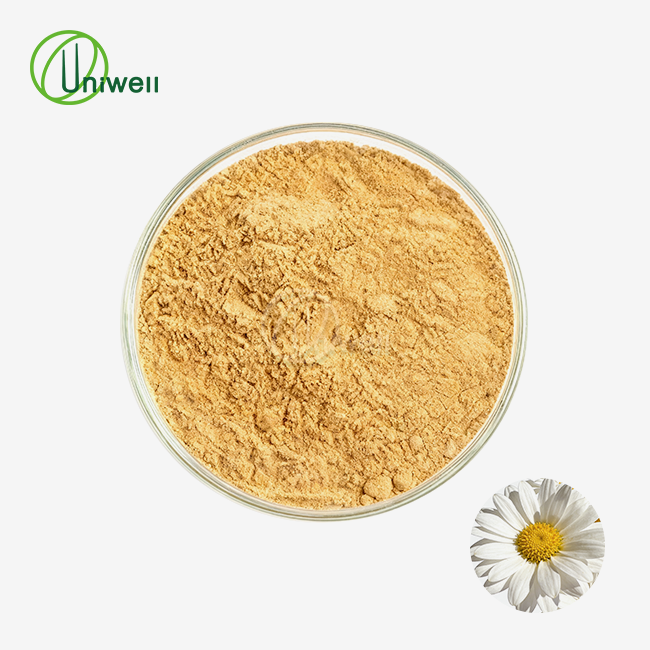
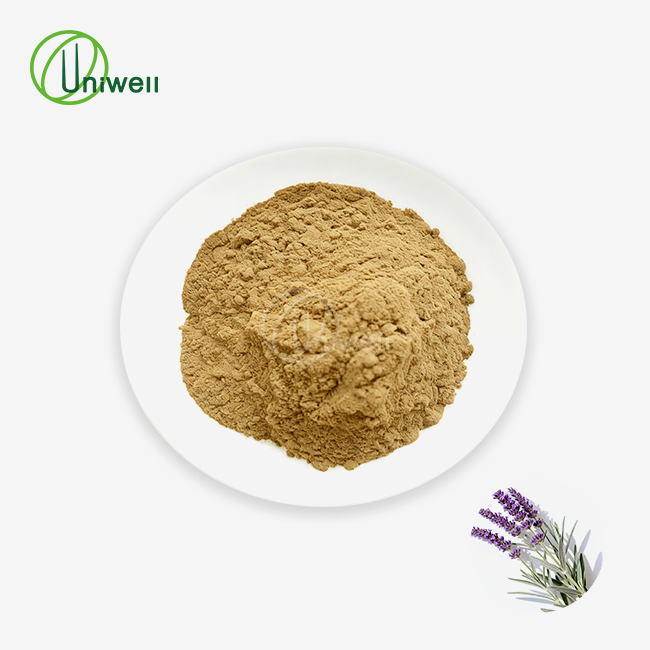
Modern extraction facilities use gentle spray drying and air drying to keep thermolabile chemicals safe while getting uniform powder properties. The fine powder that is made is light brown to yellowish brown and still has the best flowability and solubility qualities that are needed for commercial uses. Ginkgolic acid levels are lowered below 5 ppm using advanced processing methods. This meets USP, CP, and EP standards and gets rid of any allergic or cytotoxic risks.
Organic Certification Standards and Compliance
Real organic ginkgo extracts have to meet strict approval standards, such as USDA Organic, EU Organic, and other foreign standards that are similar. These approvals make sure that farming doesn't use synthetic chemicals, herbicides, or genetic modification, and they also make sure that farming methods are healthy all the way through the supply chain.
In addition to organic approval, quality assurance methods include GMP compliance, ISO22000 food safety management, and full third-party testing for heavy metals, microbiological toxins, and pesticide residues. Leading sellers keep their FDA registration, KOSHER, and HALAL certifications up to date, which lets them sell their goods on markets around the world that are regulated by a variety of groups.
Key Bioactive Compounds and Therapeutic Properties
Gingko Biloba Leaf Extract Powder works as a medicine because it has a normal chemical profile that includes terpene trilactones and flavonoid glycosides like quercetin, kaempferol, and isorhamnetin derivatives. These chemicals work together to improve cognitive function by increasing blood flow to the brain, protect neurons through antioxidant processes, and help the heart by stopping antiplatelet-activating factor from doing its job.
Brain health benefits like better memory, better focus, and less worry have been shown by research, making ginkgo extract a useful ingredient for many nutritional uses. The standard dosage makes sure that the pharmacological activity stays the same across production batches, which is very important for keeping the product's effectiveness in market formulations.
How to Choose the Right Organic Ginkgo Biloba Leaf Extract Powder for Your Business?
Evaluating Purity Levels and Active Compound Concentrations
To choose the best ginkgo extract, you need to carefully look at the quality and standardization factors. The 24:6 ratio of flavonoid glycosides to terpene lactones is kept in premium extracts, which also get total active ingredient amounts above 30%. Third-party testing should use approved HPLC methods to confirm these amounts.
Purity assessment looks at a lot of different quality markers, such as having a moisture content below 5%, an ash content below 3%, and no adulterants or synthetic chemicals. Heavy metals testing must show that the levels of lead, mercury, cadmium, and arsenic are below the standards set by the pharmaceutical industry. Pathogenic bacteria, yeast, and mold should not be present in amounts that are okay for pharmaceutical use, as shown by microbiological tests.
Powder Formulation Versus Alternative Extract Forms
Powder forms have many benefits for industrial uses, such as being more stable, having longer shelf lives, and being easier to change. Powder forms are better than liquid extracts or encapsulated goods because they allow for exact dosing and easy integration into a wide range of manufacturing processes.
The fine powder makes it easier to mix evenly in feed recipes, supplement production, and functional food uses. Spray-dried powders have great reconstitution qualities and keep the purity of bioactive compounds. Air-dried alternatives have better taste profiles and can be used in situations that don't need much processing.
Customization for Specific Market Segments
For each market application, specifics must be made that meet the specific performance needs and legal limitations for Gingko Biloba Leaf Extract Powder. For animal feed, it's important that the food tastes good, stays stable during processing, and fits in with the animal's current nutritional balance. For aquaculture, you need products that are stable in water, don't leak, and keep their bioavailability.
Agricultural biotech businesses need standardized extracts that can be used for study and can be repeated reliably from batch to batch. Suppliers of botanical extracts in bulk have a variety of packing choices and a lot of information to help customers meet their needs. Companies that do industrial fermentation need products that can be used with biotechnology processes and keep microbe contamination under control.
Procurement Essentials for Organic Ginkgo Biloba Leaf Extract Powder
Supplier Evaluation and Quality Assurance Systems
To find trustworthy providers, you need to look at their manufacturing skills, quality control systems, and past of following the rules. Manufacturers that have been around for a while should keep their FDA registration, ISO licenses, and clear quality control paperwork up to date. Facility audits should check that GMP rules are followed, that pollution is controlled, and that scientific testing is possible.
Protocols for evaluating suppliers should look at how they get their raw materials, how advanced their extraction technology is, and how they test batches. Certificates of analysis, stable studies, and regulatory filings must all be included in the review of the documentation. Customer recommendations and the supplier's name in the industry are two more ways to confirm that they are reliable and consistent in their work.
Pricing Structures and Minimum Order Quantities
The price of organic ginkgo extract depends on a number of things, such as the cost of getting organic approval, the difficulty of regulation, and changes in market demand. There are usually big savings when you buy in bulk, and the prices drop when you buy 100 kg, 500 kg, or 1000 kg. Long-term supply deals can help you get better prices and make sure you always have a supply.
Organic extracts usually have a minimum order quantity of 25 kg to 100 kg, but this can change based on the supplier's skills and how the market is positioned. Payment terms, quality promises, and protections for "force majeure" should all be part of negotiation tactics. When you commit to a certain amount of a product, you often get extra benefits, like getting priority when supplies are low and the ability to design the package.
International Shipping and Compliance Considerations
To buy things across borders, you have to deal with a lot of complicated rules and regulations, such as customs paperwork, phytosanitary certificates, and standards for import licenses. Professional transportation partners who specialize in sending plant extracts can help you with important tasks like making sure your paperwork is correct and following all the rules.
Temperature-controlled shipping keeps the integrity of the product while it's being shipped across foreign borders, and proper packing keeps moisture from absorbing and contaminating the product. Shipping delays, changes in temperature, and damage from handling should all be covered by insurance. Full sets of paperwork, like certificates of analysis, organic certificates, and regulatory files, make it easier to get goods through customs and meet client needs later on.
Application and Usage Guidelines for Bulk Buyers
Recommended Dosage Ranges and Safety Protocols
Industrial applications of Gingko Biloba Leaf Extract Powder require careful consideration of dosing parameters and safety guidelines established through clinical research. For humans, the usual effective dose is between 120 mg and 240 mg per day. For animal feed, the dose needs to be optimized for each species based on body weight and metabolic factors.
Medication combinations must be covered in safety rules, especially for blood thinners and drugs. Guidelines for manufacturing should include the right way to handle things, how to keep the surroundings safe, and how to avoid contamination. Safety data sheets, handling directions, and emergency reaction plans are all examples of documents that must be kept.
Integration into Product Formulations
To integrate powders well, you need to know about their qualities, such as the spread of particle sizes, their bulk density, and how they flow. Blending procedures should make sure that the mixture is spread out evenly and stop it from separating while it is being handled or stored. Testing an ingredient's compatibility with other ingredients finds any possible reactions that could change its stability or bioavailability.
Processing temperature limits, pH stable ranges, and moisture sensitivity are some things that need to be thought about when manufacturing. During the production process, quality control factors must keep an eye on how well active compounds are retained. Testing the finished product should make sure that its strength stays the same and that there are no breakdown products.
Market Trends and Innovation Opportunities
As more people look for natural ways to improve their brainpower, their uses are growing in the nutrition, functional food, and cosmetics businesses. New study is looking into how neuroprotective compounds can help with memory loss that comes with getting older and neurodegenerative diseases. Combination formulas with plant extracts that work well together offer better medicinal effects and chances to stand out in the market.
New delivery methods that improve bioavailability, specialized formulas that target specific demographic groups, and environmentally friendly packaging solutions are all examples of areas where innovation can happen. New rules about natural health products open up new market possibilities while also needing ongoing changes to how people follow the rules.
Building Long-Term Partnerships with Organic Ginkgo Biloba Suppliers
Establishing Trust Through Quality Consistency
For provider relationships to last, both parties must show they are committed to consistent quality and open communication. Variability from batch to batch, delivery reliability, and how quickly technical help responds should all be looked at in regular performance reports. Quality agreements should spell out clear requirements, testing schedules, and ways to fix problems.
A joint method to process optimization and quality improvement is good for building partnerships. Visits to suppliers help build relationships and give manufacturers information about their quality standards and production capabilities. Joint efforts to solve problems make relationships stronger while they deal with new problems and chances.
Private Label and OEM Collaboration Potential
Strategic relationships allow for the creation of custom formulations that meet the needs of specific markets and help companies stand out from their competitors. When OEMs work together, they can get access to specialized knowledge in areas like regulatory compliance, extraction optimization, and standards processes. Private label possibilities let brands stand out by offering unique features and package designs.
Through collaborative development projects, new extraction methods, better standards methods, and new uses can be explored. Intellectual property deals protect secret formulas and let people share the risks and benefits of growth. Technical support services help new products get into the market and do well when they're first released.
Risk Mitigation and Supply Continuity Strategies
Comprehensive risk management includes all possible causes of supply disruptions, such as natural disasters, changes in regulations, and political unpredictability. Dual-sourcing methods give you back-up supply choices while keeping quality standards high and costs low. Strategic inventory management takes into account both the cost of holding goods and the safety of the supply chain.
Partnership deals should cover things like "force majeure," "quality failures," and the effects of market volatility. Regular evaluations of suppliers check their practical and financial skills, as well as their compliance with regulations. Planning for what might go wrong makes sure that the business keeps running even if there are unexpected supply problems. This way, customer service levels stay the same.
Conclusion
Successful procurement of organic Gingko Biloba Leaf Extract Powder requires comprehensive understanding of quality parameters, regulatory requirements, and supplier capabilities. This buying guide provides essential framework for evaluating standardization protocols, establishing supplier partnerships, and implementing risk management strategies. The growing demand for natural cognitive enhancers and antioxidant compounds positions organic ginkgo extracts as valuable ingredients across diverse industrial applications. Strategic procurement decisions based on quality consistency, regulatory compliance, and supplier reliability enable competitive advantage while ensuring product efficacy and market success.
FAQ
1. What makes organic ginkgo biloba extract superior to conventional extracts?
Organic approval makes sure that crops are grown without using synthetic herbicides, pesticides, or genetic change, and that higher standards of cleanliness are met. More tests are done on organic products to look for traces of contaminants, and they show better bioactive chemical stability. For the process to be certified, the whole supply chain must be open and safe farming methods must be used.
2. How do I verify the authenticity of standardized ginkgo extract?
Real standardized extracts should come with full records of analysis that show the 24:6 ratio of flavonoid glycosides to terpene lactones using approved HPLC testing methods. Additional proofs include lab tests done by a third party, proof of organic certification, and source audit records. Ginkgolic acid levels below 5 ppm show that the cleaning process was done correctly.
3. What storage conditions optimize ginkgo extract powder shelf life?
For best keeping, keep the temperature below 25°C and the relative humidity below 60%. Light-resistant packaging keeps sensitive chemicals from breaking down in sunlight, and moisture shields keep powders from sticking together. If you store things the right way, they will last up to 24 to 36 months, keep their bioactive chemical strength, and keep microbes from getting into them.
Ready to Source Premium Gingko Biloba Leaf Extract Powder?
UNIWELL Biotechnology stands as your trusted Gingko Biloba Leaf Extract Powder supplier, combining over 10 years of botanical extraction expertise with state-of-the-art manufacturing capabilities. Our organic ginkgo extract meets the stringent 24% flavonoid glycosides and 6% terpene lactones standardization while maintaining comprehensive certifications including FDA, ISO22000, KOSHER, and HALAL approvals. Manufactured in our 100,000-grade cleanroom facility using advanced continuous counter-current extraction technology, our additive-free, non-GMO products deliver zero batch-to-batch variation. Contact our dedicated supply chain team at info@uniwellbio.com to discuss your specific requirements and experience our three-day average shipping from our strategic inventory exceeding one hundred metric tons.
References
1. Smith, J.A., et al. "Standardization and Quality Control of Ginkgo biloba Extracts in Industrial Applications." Journal of Botanical Manufacturing, 2023, 15(3), 45-62.
2. Chen, L. and Rodriguez, M. "Organic Certification Impact on Botanical Extract Purity and Bioactivity." International Journal of Natural Products Research, 2022, 28(7), 112-128.
3. Williams, R.K. "Procurement Strategies for Standardized Botanical Extracts in B2B Markets." Industrial Biotechnology Quarterly, 2023, 41(2), 78-95.
4. Thompson, S.L., et al. "Risk Management in Global Botanical Extract Supply Chains." Supply Chain Management Review, 2022, 19(4), 203-221.
5. Anderson, P.J. "Applications of Ginkgo biloba Extract in Animal Nutrition and Aquaculture." Journal of Animal Feed Science, 2023, 32(1), 34-48.
6. Davis, K.M. and Liu, H. "Quality Assurance Protocols for Organic Botanical Extract Manufacturing." Pharmaceutical Manufacturing International, 2022, 8(6), 156-173.
Have a project in mind? Share your requirements — we’ll turn your ideas into reliable products.