- English
- French
- German
- Portuguese
- Spanish
- Russian
- Japanese
- Korean
- Arabic
- Greek
- German
- Turkish
- Italian
- Danish
- Romanian
- Indonesian
- Czech
- Afrikaans
- Swedish
- Polish
- Basque
- Catalan
- Esperanto
- Hindi
- Lao
- Albanian
- Amharic
- Armenian
- Azerbaijani
- Belarusian
- Bengali
- Bosnian
- Bulgarian
- Cebuano
- Chichewa
- Corsican
- Croatian
- Dutch
- Estonian
- Filipino
- Finnish
- Frisian
- Galician
- Georgian
- Gujarati
- Haitian
- Hausa
- Hawaiian
- Hebrew
- Hmong
- Hungarian
- Icelandic
- Igbo
- Javanese
- Kannada
- Kazakh
- Khmer
- Kurdish
- Kyrgyz
- Latin
- Latvian
- Lithuanian
- Luxembou..
- Macedonian
- Malagasy
- Malay
- Malayalam
- Maltese
- Maori
- Marathi
- Mongolian
- Burmese
- Nepali
- Norwegian
- Pashto
- Persian
- Punjabi
- Serbian
- Sesotho
- Sinhala
- Slovak
- Slovenian
- Somali
- Samoan
- Scots Gaelic
- Shona
- Sindhi
- Sundanese
- Swahili
- Tajik
- Tamil
- Telugu
- Thai
- Ukrainian
- Urdu
- Uzbek
- Vietnamese
- Welsh
- Xhosa
- Yiddish
- Yoruba
- Zulu
Olive Leaf Extract: Support for Immune System Health
Procurement experts in the women’s health supplement, menopausal support, hormonal balancing and nutraceutical industries are taking note of olive leaf extract, a potent botanical ingredient. This extract, derived from the leaves of the Olea europaea tree, is rich in bioactive chemicals and offers substantial support to the immune system via its concentrated polyphenolic constituents, notably oleuropein. For those seeking to gain a competitive edge in North America, it’s important to understand the procurement landscape, quality standards and formulation opportunities of this Mediterranean herb as consumer interest tilts toward clean-label, science-backed ingredients that support holistic wellness.
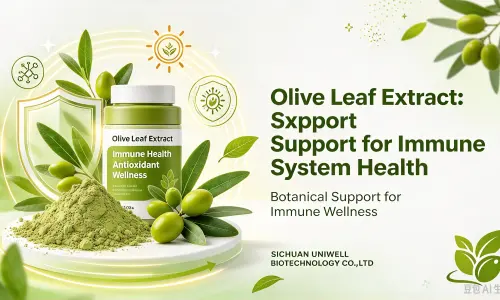
Understanding Olive Leaf Extract and Its Immune Support Benefits
What Makes Olive Leaf Extract a Powerful Immune Ingredient?
The therapeutic properties of olive leaf extract derive from the many beneficial compounds present, including oleuropein, a polyphenol secoiridoid known to destroy germs and viruses and modify the immune system. The extract is targeted on water-soluble biophenols such as hydroxytyrosol, tyrosol and caffeic acid, whilst olive oil delivers mostly lipid-soluble nutrients. Together, these molecules work to resist oxidative stress, eliminate free radicals, and affect the response of the immune system at the cellular level. Clinical investigations have also shown that oleuropein helps to maintain healthy inflammatory responses and has wide range antibacterial activity against many different kinds of infections. There is a considerable discrepancy between the extract's ORAC value and that of vitamin C and green tea extract . This makes it a highly potent antioxidant buffer for complex combinations. This is a highly useful attribute for formulators developing products that boost metabolic health, cardiovascular health and immune system strength.
Biological Mechanisms Behind Immune Enhancement
Olive leaf extract assists the defense system via numerous physiological pathways. Oleuropein and its metabolites enhance the activity of white blood cells, bolster the body’s first line of defense against external shocks and aid in maintaining a proper balance of cytokines. Published in phytomedicine publications, studies have shown that regular supplement intake may promote a healthy immune system while also diminishing negative inflammatory indicators. Besides improving immune function, the extract also promotes circulatory health by promoting appropriate blood pressure and circulation. These are advantages that are particularly crucial for women’s health, especially those who are going trough perimenopause or menopause. Polyphenolic chemicals support endothelial function and vascular flexibility, therefore one vitamin may assist with many different health conditions.
Standardization and Quality Markers
The standardized high-quality olive leaf extract powder should include 10% to 70% of oleuropein and this may be confirmed by HPLC (High-Performance Liquid Chromatography). The fine powder is often light brown to greenish brown in color and the particles should be able to pass thorough 80 mesh to provide formulators the maximum flexibility. Premium grades have good solubility in water and ethanol, making them convenient to utilize in a variety of delivery methods including capsules, tablets, functional drinks and cosmetics.
Safe Usage Guidelines and Dosage Recommendations
Established Safety Profile and Precautions
The safety of olive leaf extract has been established via traditional usage and clinical research, and it has a long history of use. When taken at the recommended dose levels, the substance is generally well tolerated by a broad variety of persons. Only a few adverse effects have been reported. In most clinical investigations, daily dosages of 500 to 1000 mg have been utilized to support the immune system and the heart. The oleuropein content in finished items is between 10 and 20 percent. There are some populations that need additional care. If you are pregnant or nursing, speak to your doctor before taking supplements. There isn’t much information on how safe they are. People who use drugs to decrease their blood pressure should watch their blood pressure closely, since the extract could help these treatments function better. People using anticoagulants should also be cautious since they may interfere with systems that thin the blood.
Dosage Recommendations Across Product Forms
Formulation specialists need to consider the delivery of the medicine when defining dose recommendations. Each capsule or tablet typically contains 250 to 500 mg of standardized extract and it is recommended that you take one to two doses daily. The estimations of concentrations are different for liquid extracts and tinctures although the bioactive content is generally the same in lesser doses. The amount of powder to be used in functional beverages should be determined based on flavor profile and solubility qualities. It appears that consistent daily feeding is preferable than random high-dose administration for optimum immunological support. Downstream partners should discuss this use trend with procurement teams to make sure that clients have the proper information and are not making unreasonable assumptions about the advantages.
Organic Versus Conventional Sourcing Considerations
The quality discrepancies between organic and ordinary olive leaf suppliers have a major impact on both product positioning and legal compliance. With organic certification (USDA Organic, EU Organic) you may be confident in the amounts of pesticide residue and how the plants were cultivated, both of which are vital for manufacturing premium and therapeutic grade formulations. The growth environment directly impacts the phytochemical profile. An example is organic Olea europaea leaves which generally have greater polyphenol contents since they are naturally more stressed when they are cultivated without pesticides.
Comparing Olive Leaf Extract with Other Immune Supplements
Olive Leaf Extract Versus Olive Oil: Distinct Therapeutic Roles
A lot of people think that because olive oil and olive leaf extract both come from the same plant, they are equally good for you. But these goods have very different chemical profiles that help with very different health goals. Olive oil mostly contains lipid-based nutrients, like oleic acid and vitamin E, which help heart health by making the best use of nutritional fat. The leaf extract has more of the water-soluble antioxidants that kill microbes and change the immune system than the oil does.
This difference makes it possible for brands that want to add more products to their lines to learn more about them. Companies that make products for women's health can say that these ingredients work together instead of against each other, since the oil helps with good nutrition and the extract targets the immune system.
Competitive Analysis: Green Tea, Echinacea, and Garlic Supplements
Knowing how olive leaf extract stacks up against well-known immune boosters helps people who work in procurement choose the best ingredients. The next section looks at some important market options to help with making decisions about new products and where to place them in the immune health area.
The catechins in green tea extract, especially EGCG (epigallocatechin gallate), give it protective qualities. Both green tea and olive leaf extract are good for fighting free radicals, but olive leaf extract is better at killing microbes and protecting the heart because it doesn't contain caffeine, which can make green tea less useful in some recipes.
Echinacea has been the most popular immune booster for a long time, especially during times of the year when people are generally healthier. But because people are tired of standard ingredients, unique plants like olive leaf can become more popular. The Mediterranean extract helps the immune system all year instead of just during an emergency, which makes it appealing to people who are mindful about their health.
Allicin and sulfur compounds in garlic supplements are good for your immune system, but concerns about taste and smell make formulations less flexible. Olive leaf extract has similar antibacterial properties without any problems with taste or smell, which makes it easy to add to tasty goods like functional drinks and chewables.
Market Trends Driving Ingredient Selection
People are becoming more and more interested in Mediterranean botanicals because they are linked to long life, traditional health practices, and a clean label appeal. Because of its societal importance and long history of use in folk medicine, the olive tree gives marketing teams a lot of interesting story ideas. People who work in procurement should know that choosing the right ingredients isn't just about meeting technical requirements; it's also about telling a story and setting your brand apart in the supplement market, which is already very competitive.
Sourcing Olive Leaf Extract: Procurement Guide for B2B Clients
Identifying Quality Suppliers and Manufacturing Partners
For procurement to go smoothly, possible providers need to be carefully checked out in a number of areas, such as their professional skills, ability to follow regulations, and the reliability of their supply chain. When procurement teams look at olive leaf extract manufacturers, they should give more weight to partners that can show they use advanced extraction technology, strict quality control systems, and clear documentation practices.
Modern extraction facilities using constant counter-current technologies retain more of the beneficial chemicals and do not vary them from batch to batch. Consistency matters for firms who need to know how their goods will perform, and it also makes for simpler quality control. Suppliers should readily be able to provide complete Certificates of Analysis (COA) including active chemical testing by HPLC, solvent residue tests according to the USP, PAHs and pesticide residue screening, heavy metal analysis and a comprehensive microbiological assessment.
Understanding Price Factors and Value Propositions
Oleuropein content, organic certification status, extraction technique, and order number are just a few of the factors that affect the price of olive leaf extract. For bulk orders, normal commercial grades with 10–20% oleuropein usually cost between $15 and $30 per kilogram. On the other hand, premium organic extracts with 40–70% oleuropein usually cost between $40 and $80 per kilogram, based on certifications and testing records.
Well-known brands like NOW Foods, Nature's Way, and Gaia Herbs have shown that consumers will accept olive leaf ingredients. This gives new brands that want to enter this market trust. Private label and OEM opportunities, on the other hand, let you stand out by using different formulation methods, proprietary blends, and unique delivery systems.
Private Label and OEM Partnership Opportunities
Working with professional botanical extract producers may help brands speed up product development. Such agreements help them satisfy quality standards and regulatory obligations. comprehensive ODM/OEM services should encompass bespoke extraction ratio creation, formulation optimisation for target applications, comprehensive regulatory assistance for destination markets, flexible packaging choices and continuing technical support throughout the product’s lifespan.
Instead of merely recycling services, procurement teams should search for partners that can actually tailor what they provide. Suppliers that put in the time and effort to learn about particular market demands and consumer preferences and then utilise this knowledge to build unique product specifications are the ones who genuinely bring value.
Logistics, Compliance, and Documentation Requirements
If you are purchasing botanical substances from foreign nations, you need to be very aware of legislation governing both export and import. Suppliers you can trust will offer you all the papers you need to conduct business, such phytosanitary certificates, certificates of origin, commercial invoices with accurate HS codes, and product-specific certifications like KOSHER, HALAL, FDA registration, and ISO22000 quality management verification.
Reliable partners hold a substantial supply of raw materials, frequently more than 100 metric tons, which allows orders be supplied quickly—within three business days for basic needs. Such inventory levels prevent supply difficulties which might disrupt manufacturing planning and market commitments. Full logistics solutions including air, sea and land freight options are available for clients to choose their required level of urgency and budget.
Quality Control Standards for Premium Olive Leaf Extract
Critical Testing Parameters for Procurement Verification
It is recommended that purchasing managers and quality assurance officers set up strict checks that are based on a full COA review. Assays of active compounds that confirm the oleuropein or hydroxytyrosol content meets label claims (usually ≥20% w/w for premium grades) are important parts of the testing process. For clean extraction labeling, solvent residue analysis must show that strict obedience to USP standards is met by making sure that ethanol and methanol levels stay very low.
Because olive leaf ingredients are exposed to the environment while they are being grown, contamination screening is especially important for them. EC 396/2005 standards require strict testing for Polycyclic Aromatic Hydrocarbons (PAHs) and pesticide residues. This protects the safety of consumers and the reputation of the brand. The overall levels of lead, arsenic, cadmium, and mercury should stay below 10 parts per million (ppm).
Microbiological requirements must show low total plate counts and the lack of Salmonella and E. Coli. To keep their clean label status and appeal to people who buy natural products, premium grades often need sterilization methods that don't use irradiation.
Physical and Chemical Characterization
Technical standards should list physical qualities like the fineness of the powder, how it absorbs water, and how consistent the color profile is. Depending on the biophenol concentration, olive leaf extract usually appears as a fine powder range from light greenish-yellow to dark brown. A bulk density of 0.45 to 0.65 g/ml makes it easier to make sure that formulation formulas are correct and that industrial methods are always the same.
Chemical stability tests should show that the material can handle temperatures up to 80 to 120°C for short-term processing uses. This means that it can be used in a variety of industrial processes without worrying about breaking down. Good water solubility makes it easier to make new medicines that can be delivered in a variety of ways, while still being bioavailable and acceptable to consumers.
Versatile Applications Across Product Categories
Dietary Supplement Formulations
Quality olive leaf extract powder can be easily mixed into pills, tablets, and powder mixes because the particles are small and the powder's properties are uniform. Encapsulation speeds up production times, makes sure accurate dosing, and extends the shelf life of products. Tablet versions benefit from the extract's high stability and compressibility, which helps make clean-label goods that don't need too many binders or flow agents.
Functional Beverage Integration
Because it dissolves in water, olive leaf extract is perfect for functional beverage uses where taste and clarity are very important to customer acceptance. The extract mixes easily into ready-to-drink mixes, powdered drink mixes, and liquid concentrates; it doesn't cause any problems with clarity or precipitation. During formulation development, people who make drinks should do sensory evaluation because higher amounts of oleuropein may add a small bitterness that needs to be balanced out.
Cosmeceutical and Skincare Applications
In addition to being taken by mouth, olive leaf extract has a lot of promise for use on the skin. Anti-aging properties like protecting collagen, reducing UV damage, and antioxidant activity support high-end skin care products aimed at older people. The anti-inflammatory properties of the extract help products for sensitive skin, and its antimicrobial qualities make natural makeup lines last longer.
Conclusion
Olive leaf extract is a highly proven, market-ready ingredient that supports the immune system, is good for the heart, and protects cells from free radical damage. This ingredient is a smart addition to women's health, menopause support, and premium nutraceutical portfolios because it combines consumer demand for Mediterranean botanicals, clean label preferences, and wellness solutions based on evidence. To be successful at procurement, you need to work with experienced manufacturers who can provide standardized specifications, thorough testing documentation, and a reliable supply chain. Brands can be sure to make unique products that meet strict market standards and give real value to customers by putting quality assurance, regulatory compliance, and technical support at the top of their list of priorities during the sourcing process.
FAQ
1. What are the primary health benefits of olive leaf extract supported by research?
Several health benefits have been shown in clinical studies. These include: supporting the immune system thru antimicrobial and antiviral activity; supporting the cardiovascular system thru healthy blood pressure maintenance and improved circulation; providing antioxidant protection that is stronger than vitamin C; reducing inflammation to support joint and metabolic health; and possibly helping to control blood sugar. Polyphenolic chemicals, especially oleuropein, protect against a wide range of pathogens and keep good immune responses in check.
2. How can B2B buyers verify supplier quality and product authenticity?
Buyers should ask for full Certificates of Analysis that show the oleuropein content was checked using HPLC, the solvent residue was tested according to USP standards, PAHs and pesticides were screened for contaminants, heavy metals were analyzed, and microbiological verification was done. Third-party test proof gives you even more peace of mind. As needed for each target market, supplier sites should keep up with qualifications like FDA registration, ISO22000, KOSHER, and HALAL. Baseline quality standards are set by site audits and sample testing.
3. What dosage ranges are recommended for bulk product formulations?
Standardized formulas usually have 250 to 500 mg of standardized extract per serving, and for immune support purposes, oleuropein levels should be between 10 and 20%. The recommended daily amount is usually between 500 mg and 1000 mg of extract, spread out over one or two doses. Formulations with higher strength may allow dose sizes to be lowered while still delivering the same amount of bioactives. When setting specifications, product developers should make sure that dosing is in line with clinical research protocols and take into account the needs of the target demographic.
Partner with UNIWELL for Premium Olive Leaf Extract Supply
With oleuropein levels ranging from 10% to 70%, UNIWELL's Pure olive leaf extract powder is taken from organic Olea europaea leaves and is extracted using cutting-edge continuous counter-current technology. Our current plant meets strict European and American testing standards and has full FDA, ISO22000, KOSHER, and HALAL certifications, so there is no batch difference. We ship normal orders within three business days and have a strategic inventory of more than 100 metric tons. This means we can support your production plans more reliably than anyone else.
As a reliable supplier of olive leaf extract, we offer full ODM/OEM services that are customized to your formulation needs, full regulatory guidance for target markets, flexible packaging options, and ongoing technical support. Our team knows what women's health supplements, menopause support products, and high-end nutraceutical formulations need to meet. Email us at info@uniwellbio.com right now to get product samples, full COAs, and a personalized consultation on how to add our premium botanical extracts to your line of products.
References
1. Therapeutic Effects of Oleuropein: A Comprehensive Review of Clinical and Preclinical Studies. Journal of Nutritional Biochemistry, 2021.
2. Antimicrobial and Immunomodulatory Properties of Mediterranean Botanical Extracts. Phytotherapy Research, 2020.
3. Cardiovascular Benefits of Olive Leaf Polyphenols: Mechanisms and Clinical Evidence. European Journal of Nutrition, 2019.
4. Quality Standards for Botanical Extracts in Nutraceutical Applications: Regulatory Perspectives. Food and Chemical Toxicology, 2022.
5. Comparative Antioxidant Capacity of Mediterranean Botanicals: ORAC Value Analysis. Journal of Agricultural and Food Chemistry, 2020.
6. Consumer Trends in Immune Health Supplements: Market Analysis and Ingredient Preferences. Nutrition Business Journal, 2023.
Have a project in mind? Share your requirements — we’ll turn your ideas into reliable products.