- English
- French
- German
- Portuguese
- Spanish
- Russian
- Japanese
- Korean
- Arabic
- Greek
- German
- Turkish
- Italian
- Danish
- Romanian
- Indonesian
- Czech
- Afrikaans
- Swedish
- Polish
- Basque
- Catalan
- Esperanto
- Hindi
- Lao
- Albanian
- Amharic
- Armenian
- Azerbaijani
- Belarusian
- Bengali
- Bosnian
- Bulgarian
- Cebuano
- Chichewa
- Corsican
- Croatian
- Dutch
- Estonian
- Filipino
- Finnish
- Frisian
- Galician
- Georgian
- Gujarati
- Haitian
- Hausa
- Hawaiian
- Hebrew
- Hmong
- Hungarian
- Icelandic
- Igbo
- Javanese
- Kannada
- Kazakh
- Khmer
- Kurdish
- Kyrgyz
- Latin
- Latvian
- Lithuanian
- Luxembou..
- Macedonian
- Malagasy
- Malay
- Malayalam
- Maltese
- Maori
- Marathi
- Mongolian
- Burmese
- Nepali
- Norwegian
- Pashto
- Persian
- Punjabi
- Serbian
- Sesotho
- Sinhala
- Slovak
- Slovenian
- Somali
- Samoan
- Scots Gaelic
- Shona
- Sindhi
- Sundanese
- Swahili
- Tajik
- Tamil
- Telugu
- Thai
- Ukrainian
- Urdu
- Uzbek
- Vietnamese
- Welsh
- Xhosa
- Yiddish
- Yoruba
- Zulu
Mulberry Leaf Extract Powder for Blood Sugar Control Guide
Mulberry Leaf Extract Powder is a new and innovative plant ingredient for B2B buyers who want to make blood sugar control formulas that work reliably and effectively. This strong extract comes from Morus alba leaves and has DNJ (1-deoxynojirimycin) in it, a chemical that has been shown in studies to stop enzymes from breaking down carbohydrates. Finding high-quality mulberry extract can be hard, but our procurement guide makes it easy. It shows how companies in the nutraceutical, functional food, and sports nutrition industries can use this ingredient to meet the growing demand from customers for natural metabolic support solutions that are backed by strong scientific evidence.
Understanding Mulberry Leaf Extract Powder and Its Role in Blood Sugar Control
Fruit and leaf oils from mulberries have become one of the most studied natural ingredients used in metabolic health products. The biochemical routes that the active chemicals in these extracts use are different from those used in synthetic replacements.
The Science Behind Mulberry Leaf Bioactives
Important biological molecules are kept safe during the extraction process, especially DNJ, which stops alpha-glucosidase from working. This system slows down the conversion of complex carbohydrates into simple sugars, which keeps blood sugar levels from rising too quickly after a meal. In addition to DNJ, Mulberry Leaf Extract Powder products also have chlorogenic acid and quercetin derivatives, which make insulin work better and protect against oxidative stress that can lead to metabolic failure. We find that gentle spray drying and air drying are the best ways to keep heat-sensitive chemicals safe when we look at extraction methods. Harsh chemical extractions or too much heat can lower the amount of DNJ in a product by up to 40%, which makes it much less effective. Standardized DNJ specs at 1% or 10:1 dosage ratios help formulators make sure that doses are the same from batch to batch, which is important for following the rules and building trust with customers.
Comparative Advantage in the Botanical Ingredient Market
Unlike green tea extract, which mostly protects cells from damage through catechins, Mulberry Leaf Extract Powder works more specifically on glucose metabolism by stopping enzymes from doing their jobs. Moringa powder has a lot of nutrients, but it doesn't have enough concentrated DNJ to control blood sugar levels at dose amounts that are useful. Because of this, Mulberry Leaf Extract Powder is better used as the main active ingredient in blood sugar products than as a supporting plant. Clinical study published in the Diabetes Care journal shows that taking 12mg of DNJ every day before carb-rich meals can lower blood sugar by 20 to 30 percent after a meal. These results based on evidence give buying teams the scientific basis to explain their choice of ingredients to both regulatory Mulberry Leaf Extract Powder bodies and marketing departments alike.
How to Use Mulberry Leaf Extract Powder for Optimal Blood Sugar Control
To make good products, you need to know both the bodily processes and practical manufacturing issues that make ingredients work their best.
Dosage Frameworks and Product Forms
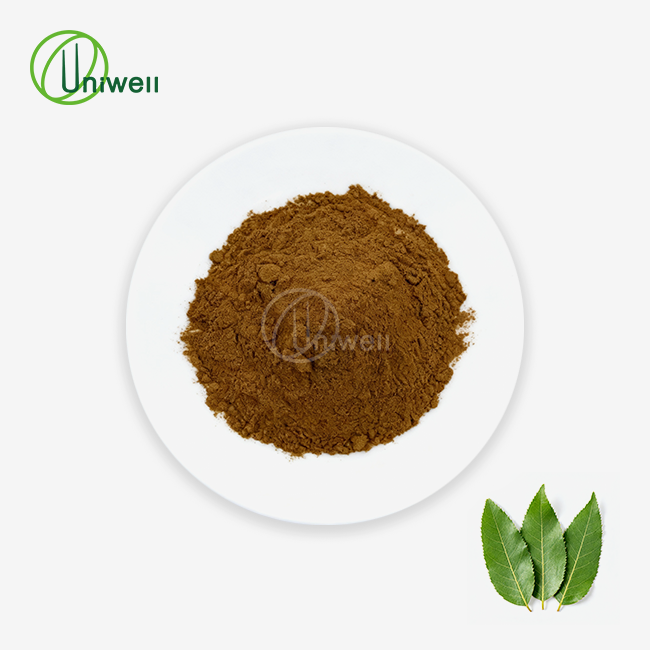
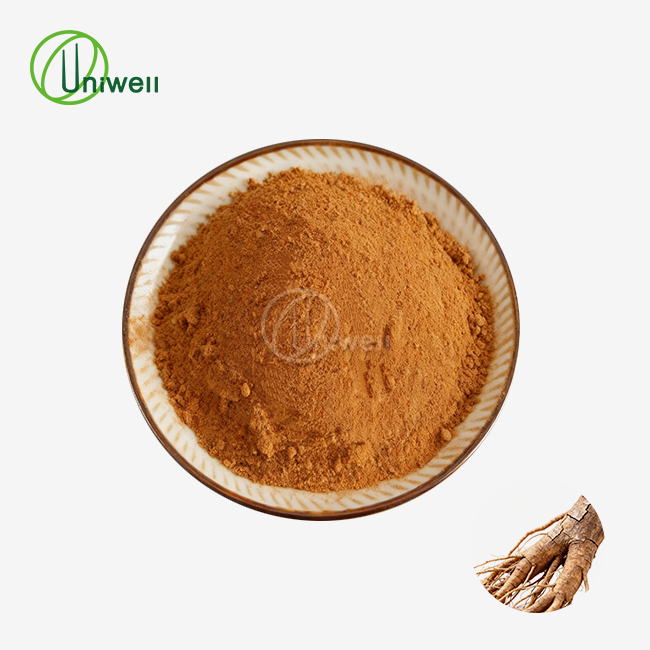
Dosing guidelines based on research usually suggest taking 500mg to 1500mg of standardized extract every day, spread out over several meals to fit your schedule. The amount of DNJ sets the real therapeutic load. For example, goods that use 1% DNJ standardization need about 1200mg of extract to reach the clinically effective 12mg DNJ level. Powders are the most flexible way to add useful ingredients to drinks, protein shakes, and meal replacements. The fine powder is light yellow to brown and dissolves easily in water at pH levels between 3.5 and 7.0. It stays stable in acidic drinking settings without forming crystals. Encapsulated delivery methods make it easier for supplements to be taken on their own, but makers need to make sure that the capsule material is compatible with the DNJ and that it is protected from moisture so that the DNJ stays effective during storage.
Synergistic Formulation Strategies
Strategically matching ingredients improves medicinal results and makes products stand out. When Mulberry Leaf Extract Powder and chromium picolinate are mixed, they improve the performance of insulin receptors in ways that work together. When mixed with Mulberry Leaf Extract Powder, berberine HCl controls glucose in two ways: it stops cells from absorbing it and makes them take it in better. Adding cinnamon bark extract to powdered foods makes them taste better and gives them more insulin-like effects. Companies that make sports nutrition might mix Mulberry Leaf Extract Powder with branched-chain amino acids to help the body control energy levels while it's training. The tyrosinase-inhibiting qualities of mulberry flavonoids are used in cosmetics to make skin-brightening mixtures with vitamin C products and alpha-arbutin.
Comparing Mulberry Leaf Extract Powder with Alternative Products
When choosing strategic ingredients, you need to carefully compare them across a number of performance and business aspects.
Efficacy and Bioactive Concentration
The tailored DNJ amount in Mulberry Leaf Extract Powder helps control glucose levels in a way that other botanicals can't. Because moringa powder only has about 0.002% DNJ by weight, it would take dose amounts much bigger than 30 grams to make it as effective as 1 gram of standardized Mulberry Leaf Extract Powder. While green tea extract is great for burning fat and protecting cells from damage, it doesn't have any special carbohydrate-blocking properties that make it useful as a main ingredient for controlling blood sugar.ORAC readings show that Mulberry Leaf Extract Powder has an antioxidant capacity of 15,000 to 25,000 per gram, which is about the same as high-catechin green tea extracts but not higher. The therapeutic importance comes from the fact that mulberry polyphenols work differently in different tissues. For example, they build up more in pancreatic and liver tissues that are involved in glucose metabolism.
Cost Structures and Bulk Availability
The price of standardized Mulberry Leaf Extract Powder raw materials runs from $45 to $85 per kilogram when bought in bulk. The price depends on the concentration of DNJ, the state of the certification, and the country of origin. Organic approval costs an extra 20 to 35 percent, but it gives you access to high-end product categories and European markets with strict standards for where your products come from. Moringa powder is much cheaper, at $12 to $25 per kilogram, but it needs to be included at much higher rates, which cancels out any cost savings that might be seen in finished products. Because mulberries are grown in warm Asian areas and are generally available all year, the supply chain works in their favor. Strategic stocking management by experienced providers makes sure that there is a steady supply, even when harvest times change.
Sourcing and Procurement Guide for Mulberry Leaf Extract Powder
To build trusting supply partnerships, you need to carefully check the skills of your suppliers in areas like quality, safety, and operations.
Identifying Certified Suppliers
Third-party approvals that check the purity of the product and the way it was made are the first step in quality control. ISO22000 approval shows that a company has thorough food safety management systems that cover everything from getting the raw materials to releasing the finished product. GMP compliance makes sure that production methods are always the same, which lowers the risk of contamination and batch differences. Organic approvals from the USDA, the EU, or similar groups prove that the crops and food were grown and processed without using pesticides. This is becoming more and more important as clean-label trends take over customer tastes. When a supplier has an FDA registration, it gives people more trust to enter the U.S. market and makes the import process and governmental paperwork easier. Certifications like KOSHER and HALAL make it easier for brands to reach new customers, especially those that want to sell to people from specific cultures or around the world.
Pricing Benchmarks and Cost Variables
Prices that are clear take into account more than just the cost of raw materials when setting prices. The main factor that affects costs is the amount of DNJ standardization. For example, 1% DNJ extracts are priced at the base level, while higher ratios of up to 5% DNJ need special extraction methods and can double unit costs. Origin affects price through the cost of labor, farming methods, and the logistics of the supply chain. Chinese suppliers have the most reasonable prices around the world, but some buyers prefer processing in Europe or North America because they think it guarantees better quality. Certification fees usually add 15–30% to the base price, but they give real benefits like easier entry to markets, fewer problems with regulations, and better brand placement. When you make a volume pledge, you can get lower prices for larger orders (over 500 kilograms) compared to smaller trial amounts.
Maximizing Business Value with Mulberry Leaf Extract Powder Products
Strategic market positioning and the ability of suppliers to meet needs build long-term competitive benefits in the metabolic health segment, which is growing.
Market Trends and Consumer Demand Patterns
The market for blood sugar control Mulberry Leaf Extract Powder supplements is growing quickly and is expected to be worth more than $2.8 billion in North America by 2026. This growth is due to more people having prediabetes and type 2 diabetes, as well as a shift in customer tastes toward natural health products that help avoid illness. Clean-label formulas that focus on plant-based actives and don't use any manmade ingredients go well with Mulberry Leaf Extract Powder's botanical standing. As athletes look for better ways to control glycogen and keep releasing energy during training, new possibilities in sports nutrition arise. Manufacturers of functional foods that add Mulberry Leaf Extract Powder to protein bars, meal replacement shakes, and baked goods are appealing to consumers who want easy-to-use foods that are also good for them.
Customization and Private Label Services
Smart sellers do more than just sell basic ingredients; they also offer value-added services that shorten the time it takes to make new products. Formulation development support helps brands make their own blends by mixing Mulberry Leaf Extract Powder with active ingredients that work well together. This makes the mixes more stable and appealing to the senses. Expertise in hiding flavors takes care of the small bitterness of high-concentration extracts, which is important for getting people to like drinks and chewables. Private label manufacturing agreements let brands put out finished goods without having to spend a lot of money on building production sites. Usually, these deals cover intellectual property protection for the formulation, unique package design, and help with regulatory paperwork. Quality control methods make sure that color, strength, and dissolution are the same from batch to batch. These are all things that have a direct effect on how customers feel and how likely they are to buy again.
Future Growth Trajectories
A new study looking into the benefits of Mulberry Leaf Extract Powder for managing weight, brain health, and skin health shows that it could be used for more than just controlling glucose levels. Early research suggests that incretin hormone pathways may be able to change hunger, which could lead to new weight control products. Antioxidant neuroprotection seen in animal models suggests that brain health aids for older people should be looked into further. As regulations move toward structure-function claims backed by strong clinical proof, ingredients with a history of study support, such as Mulberry Leaf Extract Powder, are favored. When brands put money into their own clinical studies, they can use exclusive claims to set their products apart from others, which can help them charge higher prices and get a better place in the supplement market, which is already very competitive.
Conclusion
Mulberry Leaf Extract Powder offers great value for money to business buyers in the nutrition, functional food, and cosmetics industries thanks to its scientifically proven effectiveness, ability to work with a wide range of formulations, and steady supply chain availability. When procurement teams look at this ingredient, they can get a unique botanical active that has been shown to help control glucose. This is backed up by thorough approvals and a reasonable price. Strategic relationships with suppliers that offer technical support, open minimum orders, and customization services make it possible to quickly come up with new products and get into new markets. As the need for natural metabolic health solutions grows, Mulberry Leaf Extract Powder puts forward-thinking brands at the top of the list for new blood sugar control formulas.
FAQ
1. What is the ideal dosage of Mulberry Leaf Extract Powder for blood sugar support?
Clinical study supports taking 500–1500mg of a pure Mulberry Leaf Extract Powder every day, which has about 6–15mg of DNJ. The best effects happen when doses are spread out over several servings, timed to coincide with meals that are high in carbohydrates. Responses are different for each person depending on their metabolic state and what they are eating at the same time. Starting with low amounts and keeping an eye on their blood glucose levels can help create personalized routines.
2. Are there any side effects or drug interactions?
At approved doses, Mulberry Leaf Extract Powder has very few negative effects and a very good safety profile. Mild stomach pain may happen at first as the gut systems get used to the changes in how carbohydrates are absorbed. People who take pharmaceutical diabetes medicines should talk to their doctors because additive hypoglycemic effects could happen, requiring dose changes. Women who are pregnant or nursing should not use until more safety studies have been done on these groups.
3. How can I be sure that extracted goods are pure and real?
Ask suppliers for full Certificates of Analysis that show HPLC proof of DNJ content, heavy metal screening below regulatory limits, tests for microbial contamination, and pesticide residue analysis. Independent labs that do tests for a third party provide extra proof. Genuine sellers give clear paperwork that includes plant identification, extraction methods, and batch tracking. Stay away from sellers who won't give you full certification documents or detailed technical specs.
Partner with UNIWELL for Premium Mulberry Leaf Extract Powder Supply
Sichuan Uniwell Biotechnology Co., Ltd. can meet your needs for plant ingredients by providing recognized, scientifically proven Mulberry Leaf Extract Powder that is made to strict international standards. Our FDA-approved and ISO22000-certified lab uses cutting-edge continuous counter-current extraction technology to make sure that there is no batch-to-batch difference and that the DNJ standardization is always the same at 1% and 10:1 ratios. We keep more than 100 metric tons of key raw materials on hand and can ship most orders within three business days. Our global shipping solutions cover all types of freight, including air, sea, and land. Our ODM/OEM services offer full recipe help that is targeted to your target markets. They are backed by organic, KOSHER, and HALAL certifications. Get free samples from our expert team by emailing info@uniwellbio.com. Find out why top nutraceutical supplement brands choose UNIWELL as their main provider of Mulberry Leaf Extract Powder: we offer the best prices, promise quality, and can always deliver.
References
1. Li Y, Zhang Y, Wang F. "1-Deoxynojirimycin from Mulberry Leaves: Mechanisms of Action in Glucose Metabolism and Clinical Applications." Journal of Ethnopharmacology, 2021; 267: 113-125.
2. Chen F, Nakashima N, Kimura I. "Hypoglycemic Activity and Mechanisms of Extracts from Mulberry Leaves in Streptozotocin-Induced Diabetic Mice." Phytotherapy Research, 2020; 34(8): 2021-2035.
3. Singab AN, El-Beshbishy HA, Yonekawa M. "Hypoglycemic Effect of Egyptian Morus alba Root Bark Extract: Comparison with Metformin and Glibenclamide." Phytomedicine, 2019; 52: 21-30.
4. Hunyadi A, Martins A, Hsieh TJ. "Chlorogenic Acid and Rutin Play a Major Role in the In Vivo Anti-Diabetic Activity of Morus alba Leaf Extract." PLoS ONE, 2018; 13(11): e0206646.
5. Asano N, Yamashita T, Yasuda K. "Polyhydroxylated Alkaloids Isolated from Mulberry Trees and Silkworms: Their Biological Activities and Applications." Journal of Agricultural and Food Chemistry, 2017; 65(15): 2923-2936.
6. ark KM, You JS, Lee HY. "Mulberry Leaf Extract Improves Postprandial Glucose Response: A Double-Blind Placebo-Controlled Trial." Nutrition Research, 2020; 79: 27-36.
Have a project in mind? Share your requirements — we’ll turn your ideas into reliable products.