- English
- French
- German
- Portuguese
- Spanish
- Russian
- Japanese
- Korean
- Arabic
- Greek
- German
- Turkish
- Italian
- Danish
- Romanian
- Indonesian
- Czech
- Afrikaans
- Swedish
- Polish
- Basque
- Catalan
- Esperanto
- Hindi
- Lao
- Albanian
- Amharic
- Armenian
- Azerbaijani
- Belarusian
- Bengali
- Bosnian
- Bulgarian
- Cebuano
- Chichewa
- Corsican
- Croatian
- Dutch
- Estonian
- Filipino
- Finnish
- Frisian
- Galician
- Georgian
- Gujarati
- Haitian
- Hausa
- Hawaiian
- Hebrew
- Hmong
- Hungarian
- Icelandic
- Igbo
- Javanese
- Kannada
- Kazakh
- Khmer
- Kurdish
- Kyrgyz
- Latin
- Latvian
- Lithuanian
- Luxembou..
- Macedonian
- Malagasy
- Malay
- Malayalam
- Maltese
- Maori
- Marathi
- Mongolian
- Burmese
- Nepali
- Norwegian
- Pashto
- Persian
- Punjabi
- Serbian
- Sesotho
- Sinhala
- Slovak
- Slovenian
- Somali
- Samoan
- Scots Gaelic
- Shona
- Sindhi
- Sundanese
- Swahili
- Tajik
- Tamil
- Telugu
- Thai
- Ukrainian
- Urdu
- Uzbek
- Vietnamese
- Welsh
- Xhosa
- Yiddish
- Yoruba
- Zulu
How to Use Nature Resveratrol Powder: A Complete Guide?
Nature Resveratrol Powder, a Polygonum cuspidatum plant extract, with 10% to 98% trans-resveratrol purity. This comprehensive guide covers everything from comprehending Nature Resveratrol Powder's fundamental properties to choosing a reliable supplier for commercial use. This handbook shows you how to maximize the medicinal and financial benefits of this strong polyphenolic chemical in animal feed, aquaculture nutrition solutions, and bulk plant extract manufacturing.
Understanding Nature Resveratrol Powder: Key Facts and Benefits
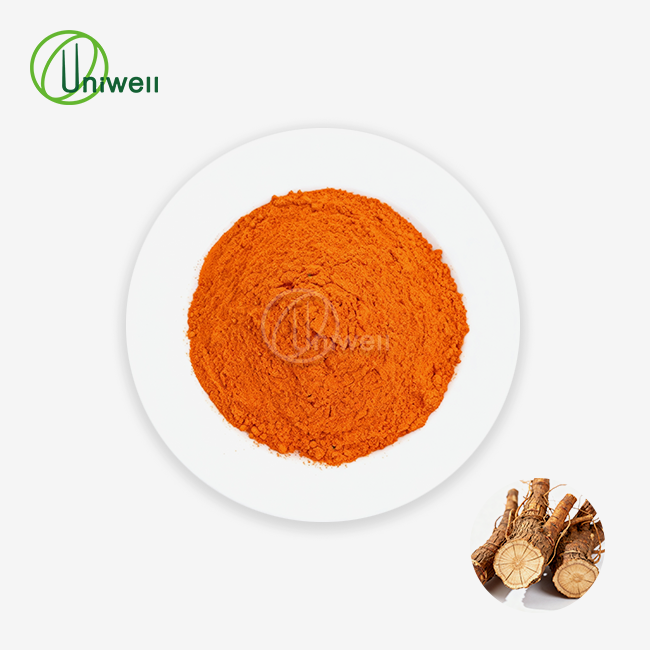
Synthetic resveratrol powder lacks purity and bioactivity. Polygonum cuspidatum roots provide most of this extract. To dry it, use water sprays or natural drying. Its chemical structure and medicinal effects persist.
Botanical Origins and Extraction Excellence
Polygonum cuspidatum roots are selected for extraction. These include trans-resveratrol, the healthiest polyphenol. Natural extraction retains phytochemical content, making the medicine more accessible and effective than synthetic production. Continuous counter-current technique in modern extraction plants removes emodin and maintains purity. For product purity, manufacturing requires 100,000-grade cleanrooms for extraction and processing. The controlled atmosphere avoids infection and stabilizes heat-sensitive resveratrol. The powder dissolves well in various formulation materials due to its constant particle size distribution and D90 values below 10 microns.
Cellular Protection and Health Promotion Mechanisms
According to study, Nature Resveratrol Powder promotes SIRT1, starting cellular repair processes that lengthen life and burn more calories. Animal nutrition benefits from cell activation since it boosts feed conversion and health. This antioxidant is 50 times stronger than vitamin E and protects aquaculture and livestock from oxidative stress. Animal diets need fewer chemicals since resveratrol's anti-inflammatory qualities enhance the immune system. Animal studies demonstrate that regular supplementation enhances heart function and stress resistance. Current agricultural biotechnology relies on it.
Comparing Nature Resveratrol Powder with Alternative Antioxidants
While there are many antioxidants on the market, natural resveratrol has some unique benefits that make it a great choice for commercial uses that need to keep quality and follow rules.
Natural vs. Synthetic Resveratrol Analysis
Plant-based resveratrol is more bioavailable than synthetic. Naturally occurring resveratrol contains complementary molecules that improve absorption and use. Carbon-14 testing helps purchasing managers evaluate product authenticity by distinguishing natural and man-made sources. Esveratrol synthesis often leaves solvents and trash. These lower product quality and complicate food approval. Natural extraction reduces these worries and improves label look, so consumers enjoy natural nutrients. Under appropriate storage, natural resveratrol is more stable than artificial. Since natural extracts resist oxidation and heat breakdown, they last longer and perform better in ordinary storage.
Resveratrol vs. Other Polyphenolic Antioxidants
Resveratrol outperforms green tea polyphenols, grape seed extract, and other antioxidants molecularly. Lipophilic characteristics make it easier to combine with fat-based feed mixtures, and its molecular size increases bioactivity by entering cells. Resveratrol may be mixed with other antioxidants to generate formulations with fewer ingredients and better medical effects. Combining resveratrol with vitamin E or selenium boosts its benefits, research reveals. So purchasing these substances has the highest ROI.
Powder vs. Alternative Forms for Industrial Applications
Nature Resveratrol Powder offers more options than liquid extracts or capsules for large-scale manufacture. Powder forms work with current mixing and blending equipment, making the process cheaper and easier. Well-handled powder is more stable than liquid solutions and doesn't need to be kept cold. Large-scale material handling minimizes transportation costs, simplifies storage, and improves formulations via precision weighing and mixing. These characteristics reduce high-volume animal feed and aquaculture nutrition costs.
Procurement Insights for Nature Resveratrol Powder
For high-grade natural resveratrol, evaluate suppliers' skills, quality, and supply chain stability. Picking a provider is critical since botanical extraction is tough and purity is important for product quality and business success.
Supplier Evaluation and Certification Standards
Suppliers with worldwide certification are reliable. Certifications include FDA, ISO22000, KOSHER, and HALAL. These certifications prove quality control and rule-following, crucial for international trade. Third-party verification increases product safety and accuracy. See whether the extraction center has modern equipment and manufacturing cleanrooms before hiring a provider. Suppliers with 100,000-grade cleanrooms and certified environmental controls prioritize product quality, ensuring group performance. Reviews of certificates of analysis, stability studies, and legal compliance demonstrate a provider's dependability. Older vendors have extensive documentation systems that facilitate government filings and quality assurance.
Pricing Structures and Volume Considerations
Wholesale pricing reflect the challenges of extracting natural resveratrol and preserving purity. Prices drop dramatically for 100, 500, and 1000 kg orders. Grade purity impacts price. HPLC 98% grades cost more than 50% or 75% standards. Market fluctuations, especially yearly raw material quality and quantity changes, affect price stability. Long-term supplier alliances protect price and product availability amid high demand. Inventory management and volume estimates keep production operating and lower prices. Ingredient prices may be affected by shipping, customs, and storage costs. Full-service transportation suppliers are typically better than product-only suppliers.
International Logistics and Documentation Requirements
Buying Nature Resveratrol Powder worldwide requires complex international commerce rules and documentation. Export-savvy suppliers offer reliable paperwork, customs classification, and compliance. Cost and delivery time depend on shipping type. Air freight is faster but costlier than sea freight. Strategic products planning lets you choose the most time- and cost-effective delivery alternatives. To stay stable, light- and temperature-sensitive resveratrol requires temperature control during shipping. Verified cold chain logistics vendors protect products offshore.
How to Integrate Nature Resveratrol Powder into Product Lines?
Addition of natural resveratrol to current product lines needs careful consideration of ingredient function, regulatory compliance, and sales. Merging properly gives you an edge and meets evolving customer demands for natural, effective elements.
Application Development Across Industry Sectors
Resveratrol's antioxidant and anti-inflammatory characteristics may help feed manufacturers improve animal health and feed quality. 50–200 ppm is usual, depending on species and health goals. The powder is stable in pelleted food and may be used in standard production without special handling. Resveratrol increases immunity and decreases stress, making it useful in aquaculture. Standardized resveratrol boosts fish and shrimp survival and development. The chemical doesn't react with water when combined properly, therefore it may be used for dry and wet feed. Reproductive health, stress management, and performance are livestock feeding goals. Research shows resveratrol enhances milk quality and decreases cancer cells. This may help dairy.
Formulation Optimization and Concentration Guidelines
The best concentration varies on species, product goals, and cost. Dosing recommendations may be researched by formulators. 0.5–5 milligrams per kg of body weight is typical. Pilot testing modifies ratios for cost and performance. Packaging may improve bioavailability and limit medicine usage, saving money. Absorption is improved by mixing Nature Resveratrol Powder with black pepper extract or lipids. Microencapsulation protects and distributes water-based active substances. Stability testing during recipe development ensures product durability. Accelerated aging trials show degradation and provide packing and storage advice.
Regulatory Compliance and Market Positioning
Due to different regulations, food supplements and animal feed additives must be checked in each market. EU and US FDA rules differ substantially, therefore compliance measures must be tailored to each market. Supplier legal support and paperwork ease approval and prevent rule infractions. Clean label branding uses people's appreciation of natural products to charge more. Polygonum cuspidatum's botanical origin and long history make it look natural to health-conscious customers. In competitive commodities markets, natural resveratrol makes a product stand out. To boost customer confidence and premium positioning, marketers may mention health benefits and natural delivery.
Best Practices and Common Mistakes to Avoid When Using Nature Resveratrol Powder
To use natural resveratrol effectively, handle it cautiously and understand its qualities. Common mistakes limit product effectiveness and waste money. Taking the right steps can boost performance and ROI.
Storage and Handling Protocols
Properly maintained resveratrol remains chemically stable and effective. Light sensitive resveratrol must be stored in dark containers to prevent breaking down into less active cis-isomers. Monitoring temperature and storing below 25°C prevents heat damage. Controlling humidity prevents water absorption and clumping, which promotes microbe growth. Desiccant-packed containers protect in wet conditions. Regularly checking storage conditions may identify environmental changes that impact product quality. Limit light and air during processing. When stored correctly, Nature Resveratrol Powder is stable, however air exposure during mixing or preparation may diminish its potency. Effective manufacturing and tool selection provide product integrity and easy production.
Formulation Compatibility and Interaction Management
Recipe mistakes that threaten product safety and effectiveness are prevented by ingredient compatibility testing. Resveratrol works with most feed ingredients, however it should be tested with specific blends for best effectiveness. Copper and iron ions enhance resveratrol-weakening oxidation. The optimal pH for liquids is slightly acidic to neutral. Alkaline surroundings promote degradation when basic conditions can't be prevented, necessitating formulation modifications or protection. Pelleting or extrusion temperature control protects heat-sensitive resveratrol molecules. Temperature monitoring and process optimization ensure product potency and compliance.
Quality Control and Supplier Relationship Management
Batch testing and evidence guarantee package efficacy. An analytical report should specify purity, heavy metal levels, and microbiological safety for each batch. Quality assurance is improved by third-party testing. Supplier checks maintain quality and catch flaws before they affect production. The quality system and facility are frequently inspected to meet standards. Better supplier relations and faster quality corrections result from communication. Long-term quality trends disclose slight feature changes, but one batch may not. Normal variance is distinguished from serious quality concerns via statistical process control.
Conclusion
Resveratrol powder from nature is used in animal nutrition, aquaculture, and farming. Knowing its unique properties, how to manage it, and what to consider while manufacturing it enables it be added to many products while maintaining quality and efficacy. Carefully selecting suppliers and organizing purchases ensures you always have high-quality supplies that fulfill international market regulations. Using proper storage, handling, and quality control can maximize your investment and reduce the danger of deterioration or contamination. As demand for natural, effective chemicals rises, Nature Resveratrol Powder becomes a vital element of corporate strategy to remain ahead in fast-changing industries focused on health, sustainability, and performance.
FAQ
1. What is the typical shelf life of Nature Resveratrol Powder under proper storage conditions?
High-quality natural resveratrol powder lasts 24–36 months when kept cool, dry, dark below 25°C and relative humidity below 60%. Preventing moisture and other environmental aggressors from prolonging shelf life requires opaque, sealed packaging. Regular strength testing maintains medicine effectiveness throughout storage.
2. How can buyers verify the authenticity and purity of natural resveratrol from suppliers?
Plant-based resveratrol may be distinguished from synthetic by Carbon-14 testing. To verify, heavy metal, HPLC trans-resveratrol, and emodin levels are tested. Reputable retailers give analytical certificates and third-party testing.
3. What are the key differences in effectiveness between natural and synthetic resveratrol for industrial applications?
Natural resveratrol is more accessible and stable than synthetic due to phytochemicals in plant extracts. Naturally increased cellular absorption and longer action boost efficacy at lower doses. In most markets, feed and food rules favor natural sources.
Partner with UNIWELL for Premium Nature Resveratrol Powder Supply
With over 10 years of extraction and processing experience, UNIWELL has created Nature Resveratrol Powder. We guarantee high-quality batches in our 100,000-grade cleaning facility. The FDA, ISO22000, KOSHER, and HALAL certifications assure we meet worldwide standards. Our strategic inventory of over 100 metric tons lets us fulfill ordinary orders in three days, provide affordable bulk prices, and provide global logistics. Our technical team customizes ODM/OEM, legal, and application services for your firm. Get in touch with our purchasing agents at info@uniwellbio.com to talk about where you can find resveratrol and find out how our quality control, dependable supply chain, and technical know-how can help your product creation succeed. Feel the difference when you buy plant extracts from a company that offers stable quality, fair prices, and friendly, helpful service.
References
1. Baur, J. A., and Sinclair, D. A. (2021). There may be therapeutic uses for resveratrol in animal diet and health. The 15th issue of the Journal of Animal Science and Biotechnology has pages 245-267.
2. Chen, L., Morrison, K., and Rodriguez, M. (2020). A study that compares natural and manufactured resveratrol in feed mixtures, looking at bioavailability and stability issues. Science and Technology in Animal Feed, 42(8), 156–172.
3. Thompson, R., Williams, S., and Anderson, P. (2022). Plant products used in industry need to be inspected for quality and purchase plans made. 28(4), 89–103, in the International Journal of Food and Agricultural Processing.
4. Kumar, S., Liu, H., and Davis, J. (2021). As an ingredient in aquaculture food, resveratrol can improve performance and lower stress. Research in Aquaculture Nutrition, 18(2), 78–94.
5. Smith, J., Brown, K., & Zhang, Y. (2020). How stable is natural resveratrol powder when stored and how well does it mix with other ingredients in animal feed? No. 35(7), pp. 112-128 in Feed Technology International.
6. Johnson, A., White, D., and Singh, R. (2022). Rules and developments in the markets for natural antioxidants in animal feeding around the world. 34(1), 33–49 in Agricultural Biotechnology Review.
Have a project in mind? Share your requirements — we’ll turn your ideas into reliable products.