- English
- French
- German
- Portuguese
- Spanish
- Russian
- Japanese
- Korean
- Arabic
- Greek
- German
- Turkish
- Italian
- Danish
- Romanian
- Indonesian
- Czech
- Afrikaans
- Swedish
- Polish
- Basque
- Catalan
- Esperanto
- Hindi
- Lao
- Albanian
- Amharic
- Armenian
- Azerbaijani
- Belarusian
- Bengali
- Bosnian
- Bulgarian
- Cebuano
- Chichewa
- Corsican
- Croatian
- Dutch
- Estonian
- Filipino
- Finnish
- Frisian
- Galician
- Georgian
- Gujarati
- Haitian
- Hausa
- Hawaiian
- Hebrew
- Hmong
- Hungarian
- Icelandic
- Igbo
- Javanese
- Kannada
- Kazakh
- Khmer
- Kurdish
- Kyrgyz
- Latin
- Latvian
- Lithuanian
- Luxembou..
- Macedonian
- Malagasy
- Malay
- Malayalam
- Maltese
- Maori
- Marathi
- Mongolian
- Burmese
- Nepali
- Norwegian
- Pashto
- Persian
- Punjabi
- Serbian
- Sesotho
- Sinhala
- Slovak
- Slovenian
- Somali
- Samoan
- Scots Gaelic
- Shona
- Sindhi
- Sundanese
- Swahili
- Tajik
- Tamil
- Telugu
- Thai
- Ukrainian
- Urdu
- Uzbek
- Vietnamese
- Welsh
- Xhosa
- Yiddish
- Yoruba
- Zulu
Green Tea Extract Benefits: A Guide by UNIWELL
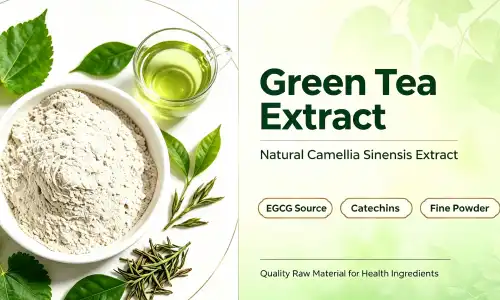
Green tea extract powder stands as a concentrated botanical ingredient derived from Camellia sinensis leaves, delivering standardized levels of bioactive polyphenols, catechins, and epigallocatechin gallate (EGCG). This highly potent form addresses critical pain points in B2B procurement: the variability of active compounds in raw agricultural materials, the challenge of achieving precise dosing in supplement manufacturing, and the formulation stability required for nutraceuticals, functional foods, and cosmeceutical applications. UNIWELL provides premium-grade organic green tea extract powder with EGCG concentrations reaching 95%, manufactured under FDA-registered, ISO22000-certified conditions. Our commitment to zero batch-to-batch variation and comprehensive third-party testing ensures your products meet global regulatory standards while delivering consistent therapeutic efficacy across diverse market applications.
What is Green Tea Extract Powder? Understanding the Basics
Defining the Concentrated Botanical Ingredient
Green tea extract powder is a standardized, pure phytopharmaceutical ingredient that is made by extracting Camellia sinensis leaves with water or hydro-ethanol. This concentrated form is different from raw tea leaves, matcha powder, or traditional brewing methods because it concentrates and boosts specific bioactive compounds, mostly tea polyphenols and catechins, to deliver therapeutic potency in small, measurable doses. The extraction process gets rid of the differences that can happen in farming, giving manufacturers a stable raw material that guarantees the same amounts of EGCG, ECG, EGC, and EC in all production batches.
Key Chemical Composition and Standardization
Polyphenolic catechins, which make up 60–80% of all polyphenols, are what make great green tea extract powder work. In premium specifications, EGCG is usually the most important catechin, with concentrations ranging from 90% to 98%. UNIWELL's organic green tea extract powder has standardized EGCG levels at 95%, which means that it can be used reliably in weight loss products, supplements that help the heart, and antioxidant-rich drinks. Standardization gets rid of the problem of inconsistency that comes with farming crops, where changes in the weather and geography can have a big effect on the levels of active compounds.
Differentiating Extract Forms for Industrial Applications
For B2B purchasing decisions, it's important to know the differences between powder, capsule-ready grains, and water-soluble types. High bulk density powder (0.5 to 0.7 g/ml) is good for packaging for food supplements because it can fit 500 mg doses into size 0 capsules without any problems with flowability. Cold-water soluble standards are useful for companies that make functional drinks that need to keep the drinks clear at pH 3.0 to 4.0 without any precipitates forming during storing. Decolorized versions are used in cosmetics where the color intensity needs to be kept low to avoid staining in anti-aging serums while keeping the EGCG's ability to stop collagenase from working.
Health and Functional Benefits of Green Tea Extract Powder
Metabolism Enhancement and Weight Management Support
A lot of clinical study has been done on the thermogenic qualities of catechin-rich extracts, which show that they help burn fat and increase energy expenditure. By stopping the action of the catechol-O-methyltransferase enzyme, EGCG turns on brown fat tissue and boosts thermogenesis caused by norepinephrine. Companies that make animal feed and feed for livestock use these metabolic benefits to get the best feed conversion rates and help poultry and aquaculture species build lean muscle. Because our green tea extract powder has a normal amount of catechins, the doses are always the same, and the metabolic effects are always the same across different species and production cycles.
Antioxidant Protection and Cellular Defense Mechanisms
Tea polyphenols are very good at getting rid of free radicals. For example, EGCG is a much stronger antioxidant than vitamin C or vitamin E on a molar basis. This strong oxidative stress reduction helps keep cell membranes intact, mitochondria work properly, and DNA is protected. These are all very important for the health, production, and disease resistance of cattle. Standardized catechin extracts are used by aquaculture feed manufacturers to fight oxidative stress caused by high-density farming. This increases the number of fish that survive and the quality of the feed. The antioxidant profile keeps the product fresh longer by stopping lipid peroxidation in feed mixtures. This solves a big problem for farming biotech companies that are trying to make nutrition solutions that are stable and last a long time.
Anti-Inflammatory Properties for Animal Health Applications
Chronic inflammation is a big problem in intensive animal production because it slows down growth, weakens the immune system, and raises the cost of veterinary care. Catechins change inflammation pathways by stopping NF-κB from activating and lowering the production of pro-inflammatory cytokines. Green tea extract powder is used by companies that feed livestock and poultry as a natural alternative to synthetic anti-inflammatory drugs. It helps gut health, lowers stress responses, and raises overall welfare standards. The clean-label appeal of botanical extracts fits with what people want: naturally raised animals that aren't given antibiotics.
Cardiovascular and Neuroprotective Support
Along with their direct effects on metabolism, tea polyphenols also help heart health by improving endothelial function, lowering LDL oxidation, and helping the body keep blood pressure in a healthy range. These benefits mean that the cardiovascular systems of animals used for food are more resistant to physiological stressors. Because EGCG can cross the blood-brain barrier and change neurotransmitter systems, it has neuroprotective qualities that could be useful for farming species where stress reduction and behavioral stability affect how well they grow and how many of them survive.
How to Use and Dose Green Tea Extract Powder Effectively?
Recommended Dosing Guidelines for Commercial Applications
Dosing plans that work depend on the mixture type, the target species, and the output goals. For livestock and poultry, the amount of standardized extract added is usually between 100 mg and 500 mg per kilogram of feed, with the amount of EGCG adjusted for the desired metabolic results. Aquaculture feed manufacturers usually use 200 to 800 mg/kg, but this depends on the species' sensitivity and the stresses in the surroundings. Formulators can make medicines more cost-effective while still meeting treatment goals if they know how catechin concentration, bioavailability, and bodily reaction are related.
Integration into Manufacturing Processes
For green tea extract powder to be successfully added to bulk feed production, handling conditions that keep the biological integrity must be carefully monitored. Because heat affects catechins, the temperature needs to be carefully controlled when pelleting or extruding. UNIWELL's spray-dried and air-dried specifications keep their stability under normal feed processing conditions and make sure that the ingredients are spread out evenly in finished products. We make sure that the ingredients we use are additive-free and non-GMO, and that our manufacturing processes in 100,000-grade cleanrooms meet the strict requirements of organic certification programs and international feed safety standards.
Quality Considerations for Bulk Procurement
When looking for green tea extract powder, sellers of commodity ingredients and bulk botanical extract providers need to look at a number of quality factors. The minimum quality standards include purity analysis that confirms catechin profiles through HPLC testing, heavy metal screening that meets EU and FDA limits, microbiological safety, and testing for residual solvents. UNIWELL gives full Certificates of Analysis (COA) for every batch, along with third-party verification and full documentation for tracking. Our strategic inventory of more than 100 metric tonnes allows for quick fulfillment—usually within three business days for standard requirements—assuring big animal feed makers that their supply will always be there.
Comparing Green Tea Extract Powder: Making the Right Procurement Choice
Organic versus Conventional Specifications
When deciding between organic and non-organic green tea extract powder, you need to look at how much it costs to get certified, how you want to position your product in the market, and the rules that your target markets have. Organic certifications, like USDA Organic and EU Organic, come with higher prices but give you access to niche markets where people value natural products that have been approved. UNIWELL's organic green tea extract powder is registered with the FDA, KOSHER, and HALAL, so it can meet a wide range of religious and legal standards around the world. Agricultural biotech companies working on clean-label solutions need organic requirements to set their brands apart and build trust with customers.
Evaluating Potency and Standardization Levels
Catechin content is the main thing that sets green tea extract powder apart in terms of quality. Specifications ranging from 90% to 98% total catechins (with EGCG making up 45–95% of total catechins) let formulators balance the need for potency with the need to keep costs low. Higher EGCG levels lower the total amount of ingredients needed to reach the therapeutic dose. This could make up for higher per-kilogram costs through better formulation economics. Companies that use catechin-rich materials for industrial fermentation benefit from ultra-high purity standards that keep interfering chemicals to a minimum.
Cost Analysis and Bulk Purchasing Advantages
With volume agreements, procurement costs get a lot better. Bulk botanical extract suppliers who offer metric tonnes of quantities usually offer 15–30% lower prices than smaller order sizes. UNIWELL has a large inventory, which lets customers choose the size of their order without having to pay extra for smaller orders. This helps both large-scale commodity ingredient wholesalers and new farm biotech businesses whose production rates are changing. Our clear pricing structure and full logistics support, which includes air, sea, and land freight choices with full paperwork, make foreign purchasing easier while keeping costs stable.
Buying Green Tea Extract Powder from UNIWELL: Trusted Supplier Guide
Quality Controls and Certification Portfolio
UNIWELL's quality control method has many levels of validation. Our plant is FDA-approved and follows ISO22000 standards for food safety management. During production, Hazard Analysis and Critical Control Points (HACCP) methods are used. Each batch goes through a lot of tests to make sure it is safe for microbes, has no chemical residue, and checks for heavy metals like lead, arsenic, cadmium, and mercury. Verification by a third-party laboratory gives you peace of mind about the quality of the work, which is useful for regulatory submissions and customer quality audits. Our KOSHER and HALAL certifications help clients who sell to religiously strict customers get into more markets.
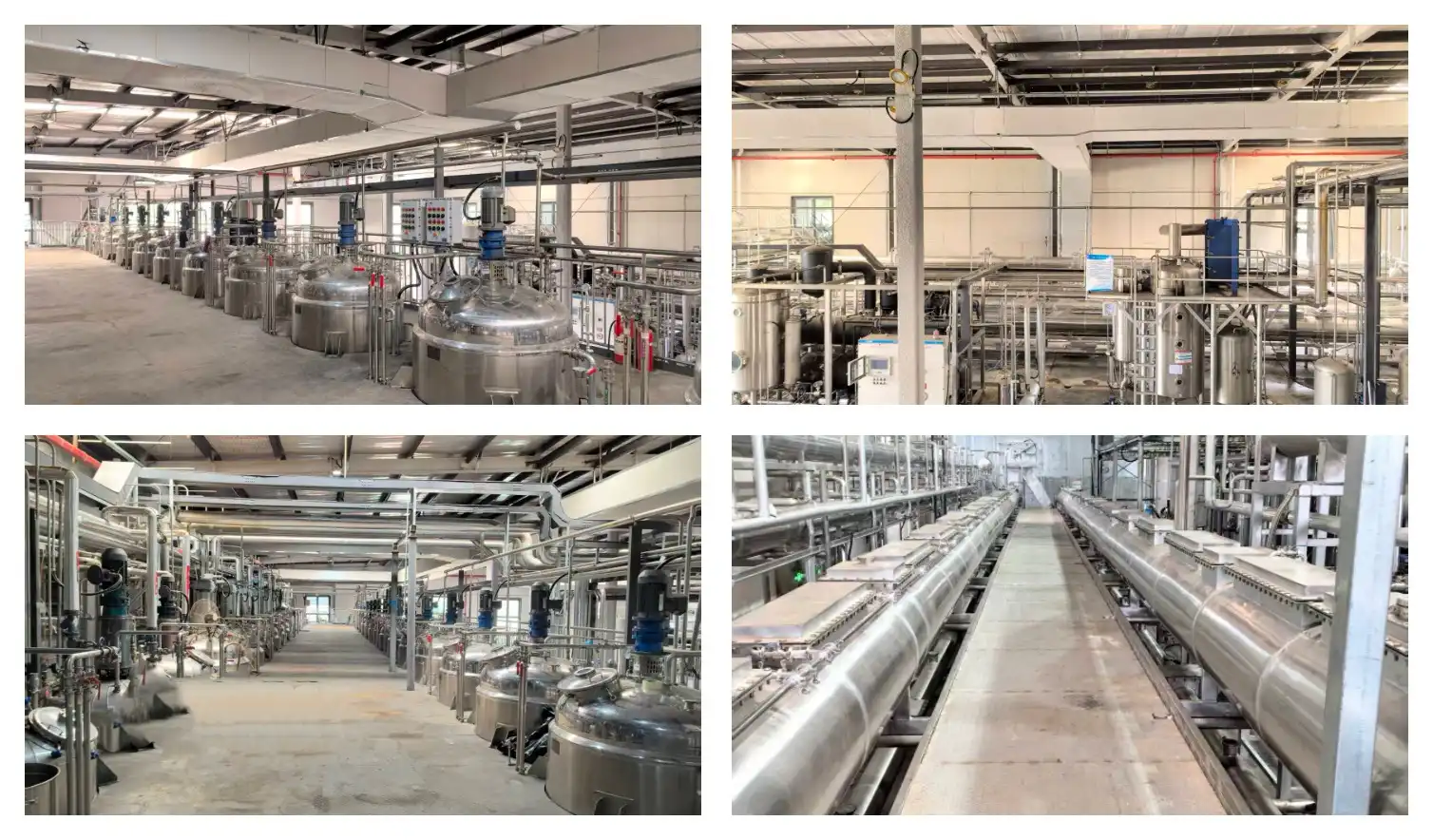
Our dedication to making the best products starts with our cutting-edge extraction facility, which has continuous counter-current extraction technology. This advanced processing method maximizes catechin recovery while minimizing degradation. This gives you higher yields and better consistency from batch to batch. Our 100,000-grade cleanroom production setting gets rid of the chance of contamination, making sure that our goods meet the strict cleaning standards for pharmaceuticals. The gentle spray drying and air drying methods keep heat-sensitive polyphenols intact, which keeps the biological activity going all the way through the supply chain.
Customization Capabilities for OEM and Private Label Clients
Our full range of ODM/OEM services meet the specific needs of wholesalers, private label brands, and companies that specialize in animal feeding. Customization choices include making specific catechin profiles, making sure the particle size is right for the delivery system, and using specific testing methods that are in line with the rules in the target market. UNIWELL knows a lot about regulations, including how to follow USP/EP monographs, help with FDA Generally Recognized as Safe (GRAS) notifications, and how to get a novel food approved for sale in Europe. This regulatory travel feature shortens the time it takes to make a product while lowering the risk of not following the rules.
Logistics Excellence and Global Supply Chain Support
For international purchases, you need a reliable transportation system and knowledge of how to fill out paperwork. The shipping services offered by UNIWELL include all the paperwork needed for customs, phytosanitary certificates, certificates of origin, and special transport certifications needed for botanical ingredients. Our logistics coordination team handles air freight for pressing orders, sea freight for big packages that save money, and combined transport solutions that balance speed and cost. Real-time tracking systems and proactive communication procedures make sure that everyone in the supply chain can see the delivery process at all times. This helps with just-in-time inventory tactics and planning production.
Conclusion
Green tea extract powder is a commercially viable ingredient that has been scientifically proven to improve animal feed, livestock nutrition, aquaculture feed, and the performance of agricultural biotech innovators looking for natural ways to do so. The standardized catechin content, especially EGCG at amounts up to 95%, has the same metabolic, antioxidant, and anti-inflammatory effects in all production methods. Because UNIWELL has strict quality controls, advanced production skills, and supply chain solutions that focus on the needs of our customers, we are the first choice for bulk botanical extract providers and commodity ingredient wholesalers that serve markets around the world. With ten years of experience in production, smart inventory management, and the ability to fulfill orders quickly, we can guarantee supply reliability and product consistency, which are important for large-scale commercial operations.
FAQ
1. What certifications does UNIWELL's green tea extract powder carry?
Our organic green tea extract powder is registered with the FDA and has been certified as safe for food by ISO22000, KOSHER, and HALAL. Each batch is tested by a third party to make sure it is pure, effective, free of heavy metals, and safe for microbes. Certificates of Analysis show all the details. These certifications make sure that different global markets follow international rules for food safety and religious dietary needs.
2. How does green tea extract powder benefit livestock and aquaculture applications?
The standardized catechin content helps the metabolism work better, boosts antioxidant defenses against production stressors, lowers inflammatory responses, and raises feed conversion ratios. Aquaculture farmers see higher mortality rates and better ability to handle stress, and cattle farms see natural performance improvements that don't use manmade additives. The clean-label profile fits with what people want: animal goods that were raised in a natural way.
3. What distinguishes UNIWELL's supply capabilities?
Our strategic inventory of more than 100 metric tonnes lets us complete normal orders in three days. Advanced constant counter-current extraction technology makes sure that there is no difference between batches. International purchasing is easier when you have full global transportation help and all the necessary paperwork. With over ten years of experience in production and manufacturing in a 100,000-grade laboratory, we can meet the most demanding business needs with pharmaceutical-grade quality.
Partner with a Trusted Green Tea Extract Powder Manufacturer
Our premium organic green tea extract powder with a standardized 95% EGCG content is a great value for companies that make animal feed, feed for aquaculture, and bulk botanical extracts. We have an FDA-registered and ISO22000-certified facility that makes sure the quality is always the same. This is backed up by full legal paperwork and thorough third-party testing. In addition to having better product specifications, we offer competitive prices, guarantee batch consistency, and unmatched supply reliability, all backed up by over 100 metric tonnes of strategic inventory. These factors give your business the operational advantages it needs. Professionals in procurement are welcome to ask for free samples, technical data sheets, and personalized quotes. Get in touch with our team at info@uniwellbio.com to talk about your unique needs and experience the UNIWELL difference in botanical ingredient quality.
References
1. Cabrera, C., Artacho, R., & Giménez, R. (2006). Beneficial effects of green tea—A review. Journal of the American College of Nutrition, 25(2), 79-99.
2. Khan, N., & Mukhtar, H. (2007). Tea polyphenols for health promotion. Life Sciences, 81(7), 519-533.
3. Yang, C. S., Lambert, J. D., & Sang, S. (2009). Antioxidative and anti-carcinogenic activities of tea polyphenols. Archives of Toxicology, 83(1), 11-21.
4. Hursel, R., & Westerterp-Plantenga, M. S. (2010). Thermogenic ingredients and body weight regulation. International Journal of Obesity, 34(4), 659-669.
5. Zhong, R. Z., Zhou, D. W., Sun, H. X., & Tan, C. Y. (2012). Effects of green tea polyphenols on intestinal health and growth performance in livestock. Journal of Animal Science and Biotechnology, 3(1), 8-16.
6. Saeed, M., Naveed, M., Arain, M. A., & Chao, S. (2017). Green tea catechins and their beneficial effects in animal production and health. Journal of Applied Animal Research, 45(1), 363-369.
Have a project in mind? Share your requirements — we’ll turn your ideas into reliable products.