- English
- French
- German
- Portuguese
- Spanish
- Russian
- Japanese
- Korean
- Arabic
- Greek
- German
- Turkish
- Italian
- Danish
- Romanian
- Indonesian
- Czech
- Afrikaans
- Swedish
- Polish
- Basque
- Catalan
- Esperanto
- Hindi
- Lao
- Albanian
- Amharic
- Armenian
- Azerbaijani
- Belarusian
- Bengali
- Bosnian
- Bulgarian
- Cebuano
- Chichewa
- Corsican
- Croatian
- Dutch
- Estonian
- Filipino
- Finnish
- Frisian
- Galician
- Georgian
- Gujarati
- Haitian
- Hausa
- Hawaiian
- Hebrew
- Hmong
- Hungarian
- Icelandic
- Igbo
- Javanese
- Kannada
- Kazakh
- Khmer
- Kurdish
- Kyrgyz
- Latin
- Latvian
- Lithuanian
- Luxembou..
- Macedonian
- Malagasy
- Malay
- Malayalam
- Maltese
- Maori
- Marathi
- Mongolian
- Burmese
- Nepali
- Norwegian
- Pashto
- Persian
- Punjabi
- Serbian
- Sesotho
- Sinhala
- Slovak
- Slovenian
- Somali
- Samoan
- Scots Gaelic
- Shona
- Sindhi
- Sundanese
- Swahili
- Tajik
- Tamil
- Telugu
- Thai
- Ukrainian
- Urdu
- Uzbek
- Vietnamese
- Welsh
- Xhosa
- Yiddish
- Yoruba
- Zulu
Grapefruit Extract Powder Benefits for Weight Loss & Metabolism Guide
More and more, procurement workers are using citrus-derived plant ingredients because they have been clinically proven to help people lose weight and support their metabolism. The demand for natural, scientifically supported formulas is met by Grapefruit Extract Powder, which is standardized to bioactive substances like naringin and vitamin C. This detailed guide helps business-to-business buyers in the nutraceuticals, women's health, and clinical nutrition industries learn about important things like sourcing, formulation strategies, and quality standards that can help them come up with new products and stay competitive in the market.
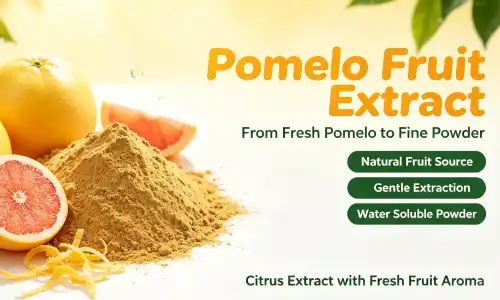
Understanding Grapefruit Extract Powder: Composition and Health Benefits
What Is Grapefruit Extract Powder?
Citrus paradisi fruit, peel, and seeds are combined to create Grapefruit Extract Powder, a standardized botanical concentration. To protect heat-sensitive bioactive chemicals while preserving stable potency levels, an advanced continuous counter-current extraction approach is used.According to HPLC, the powder typically contains 50–98% naringin, vitamin C, limonoids, and polyphenolic flavonoids. Unlike juice concentrates or whole fruit powders, pharmaceutical-grade extraction eliminates excessive acidity while maintaining advantageous compounds. This makes it possible to create pill, tablet, and functional liquid formulations that are more stable.
Core Bioactive Compounds and Their Mechanisms
Naringin, a flavanone glycoside that influences lipid breakdown in several ways, is the main source of the metabolic benefits. The study found that naringin activates the cellular energy regulator AMP-activated protein kinase (AMPK) to increase fatty acid oxidation. Additionally, vitamin C promotes the synthesis of carnitine, which is required to move fatty acids into mitochondria for energy production. These components can be used to create vitamins and hormone-balancing medications for women throughout menopause, when their metabolisms tend to stall.
Grapefruit Extract Powder Versus Grapefruit Seed Extract
Product designers need to be able to tell the difference between extracts from fruits and extracts from seeds. Grapefruit seed extract is mainly used for its antibacterial qualities found in the seed membranes, while whole fruit extract powder is mainly used for its metabolic and antioxidant properties. The different type of seed has different polyphenolic profiles and not much naringin. For weight loss products aimed at women's health brands, the fruit-based powder provides better metabolic support. Seed extract works better as a stabilizer in makeup, but benzethonium chloride testing is needed to make sure it isn't adulterated.
How Grapefruit Extract Powder Supports Weight Loss and Metabolism
Fat Metabolism Enhancement Through Flavonoid Action
According to clinical research, naringin inhibits fatty acid synthase and increases lipoprotein lipase activity to reduce lipid accumulation in the liver. Overweight participants in a 12-week research who took 500 mg of naringin daily shed 3.2% more body fat than those who got a placebo. Furthermore, the prescription boosts insulin activity, which alleviates the symptoms of metabolic syndrome, which are typical in women nearing menopause.These actions make the extract beneficial for formulators creating all-purpose women's health products that support hormonal shifts and weight loss.
Appetite Regulation and Satiety Support
In addition to having direct effects on metabolism, the bitter compounds in Grapefruit Extract Powder also change hormones that control hunger. More cholecystokinin (CCK) is released when you eat naringin. This sends signs that you are full. This two-action approach—boosting metabolism and reducing hunger—makes it easier to make weight loss products that work better for different people. The extract works well with fiber blends, chromium, and adaptogenic herbs that are often found in menopause support products. It makes the whole thing more effective without using stimulant-based ingredients.
Dosage Recommendations for Product Formulation
Based on clinical data from humans, the recommended daily dose for a standardized extract with 50–70% naringin is between 400 mg and 800 mg. When encapsulating powder, the slightly bitter taste needs to be taken into account. For chewable or liquid uses, enteric coatings or flavor hiding can help. While safety profiles show that these amounts are well-tolerated, formulators must include warning signs about possible interactions with drugs that are broken down by CYP3A4 enzymes. Third-party testing that confirms the amount of naringin in the product guarantees consistency from batch to batch, which is very important for clinical nutrition businesses that need to know what will happen.
Real-World Application Success
Citrus bioflavonoids have been successfully added by leading nutraceutical brands to thermogenic formulas and metabolic support blends. One European supplement company saw a 28% rise in sales after changing the ingredients in their women's weight management line to include green tea extract, standardized naringin powder, and B-vitamins. Customers said that the extract's effects on insulin kept them feeling energetic without making them jittery. This kind of case proof shows that the market will accept the product and that investing in high-quality plant ingredients to make the product stand out from the competition is a good idea.

Comparative Analysis: Choosing the Right Grapefruit-Derived Ingredient for Your Products
Evaluating Extract Types for Specific Applications
When procurement teams choose citrus ingredients, they have to make sure that the extract specs match the health claims and delivery forms that are planned. Standardized Grapefruit Extract Powder works great in capsules and tablets to help the metabolism, while juice powders work well in drinks that need to have real flavors. Antimicrobial properties are found in seed extracts that are used topically. Hormone balance formulas for women use phytoestrogenic flavonoids in fruit extract, which has more benefits than just helping with weight loss. This is why high-end nutraceutical brands charge more for them.
Organic Certification Considerations
Organic forms cost 15–25% more, but they're in line with the clean-label trend that's taking over the women's health supplement market. For USDA and EU organic approvals, the whole supply chain has to be checked, from the people who run the orchards to the places where the products are extracted. Conventional forms might have pesticide leftovers that don't follow the rules for pharmaceutical preparation, especially for companies that work in clinical nutrition and help people who are sensitive. When doing a cost-benefit analysis, you should compare the costs of certification to the preferences and positioning strategies of your target market.
Performance Metrics in Bulk Procurement
There are more quality factors than just active compound amounts. The consistency of capsule filling is affected by the size distribution of the particles. 80-mesh guidelines make sure that the flow properties are always the same. Loss on drying requirements below 5% stops caking during storage, which is important for keeping the product stable across all lines of distribution. Tests for heavy metals like lead, arsenic, mercury, and cadmium must meet USP standards for dietary supplements. Different extraction methods produce different solubility profiles. Spray-dried powders dissolve better in water for use in beverages, while air-dried powders are more concentrated and can be used for encapsulation.
Sourcing and Procurement Guide for Grapefruit Extract Powder
Essential Quality Criteria for B2B Buyers
Suppliers with a good reputation keep a lot of quality paperwork, like Certificates of Analysis (COA), allergen statements, and country-of-origin documents. FDA registration shows that a plant follows Good Manufacturing Practices (GMP), and ISO 22000 approval shows that food safety management is in place. Certifications like KOSHER and HALAL make markets more open to a wider range of consumers. When looking at possible partners, make sure to ask to see proof of the extraction method—continuous counter-current systems are better at keeping bioactive compounds than traditional solvent methods. Label claims are confirmed by third-party proof through independent labs, which also looks for signs of possible adulteration.
Pricing Benchmarks and Value Assessment
The price of pharmaceutical-grade Grapefruit Extract Powder (50% naringin) on the market right now ranges from $45 to $75 per kilogram for bulk orders over 100 kg. The price changes depending on the level of certification and the size of the order. Premium organic varieties cost between $85 and $110 a kilogram. Strategic buyers discuss prices based on yearly volume promises and get 8–12% savings for contracts that include more than one tonne. Freight should be included in the total cost analysis. Shipping by air guarantees fast delivery, but the cost per unit is 15-20% higher than shipping by sea for non-urgent replenishments. When suppliers keep strategic raw material inventories of more than 100 metric tonnes, the supply chain is more stable when harvest times change.
Supplier Evaluation and Partnership Development
When you work with a source for a long time, you need to look at more than just price. Check the output ability to make sure it can keep up with demand as product lines grow. Ask for proof of consistency from batch to batch by comparing historical COAs; color changes and loss of potency are signs of poor quality control. Responding quickly is very important; suppliers who can turn around standard orders in three days show that they are operationally efficient. Providing full transportation support, such as customs paperwork, phytosanitary certificates, and regulatory advice for target markets, makes the buying process simpler. Formulation teams can make sure that two substances are compatible before making big purchases thanks to sample testing programs.
Conclusion
Citrus bioflavonoid extracts are highly proven ingredients that can help formulators make products for women that focus on metabolic health and weight control. The compound has two effects: it increases fat oxidation and decreases appetite. This makes it easier to formulate and make products that stand out. To make sure that products always work well, strategic sourcing means finding a balance between quality standards, certification needs, and suppliers' abilities. B2B buyers can find reliable ingredient sources that meet both effectiveness standards and market compliance requirements by learning about the differences in composition between extract types, weighing the pros and cons of organic vs. conventional choices, and conducting thorough quality checks. Standardized Grapefruit Extract Powder is being used more and more in hormonal balance recipes, menopause support products, and clinical nutrition. This is because more and more people are becoming aware of the benefits of natural metabolic support.
FAQ
1.Does Grapefruit Extract Interact With Medications?
Naringin and furanocoumarins stop cytochrome P450 3A4 enzymes from working. This could change how statins, calcium channel blockers, and some hormonal drugs are broken down. Labels on products aimed at women's health should make it clear that they should talk to their doctors before using them. This openness builds trust with customers and lowers worries about responsibility.
2.How Do I Verify Natural Antimicrobial Properties?
Ask for claims that the product is free of preservatives that are backed up by lab tests that don't include benzethonium chloride, a man-made substance that is sometimes added to seed extracts. Real fruit powders have weaker antimicrobial properties that make them better for antioxidant roles rather than primary preservation. Specification sheets should explain how the natural compound profiles were tested and confirmed.
3.What Solubility Specifications Suit Beverage Applications?
Standard spray-dried powders can dissolve in water to some extent, but they may also settle to the bottom. For clear drinks, you need micronized types or water-soluble versions that are specially made to be see-through. Talk about the needs of the application with the technical teams while you're testing the samples to find the right specs before you place your large order.
Partner With UNIWELL for Premium Grapefruit Extract Powder Supply
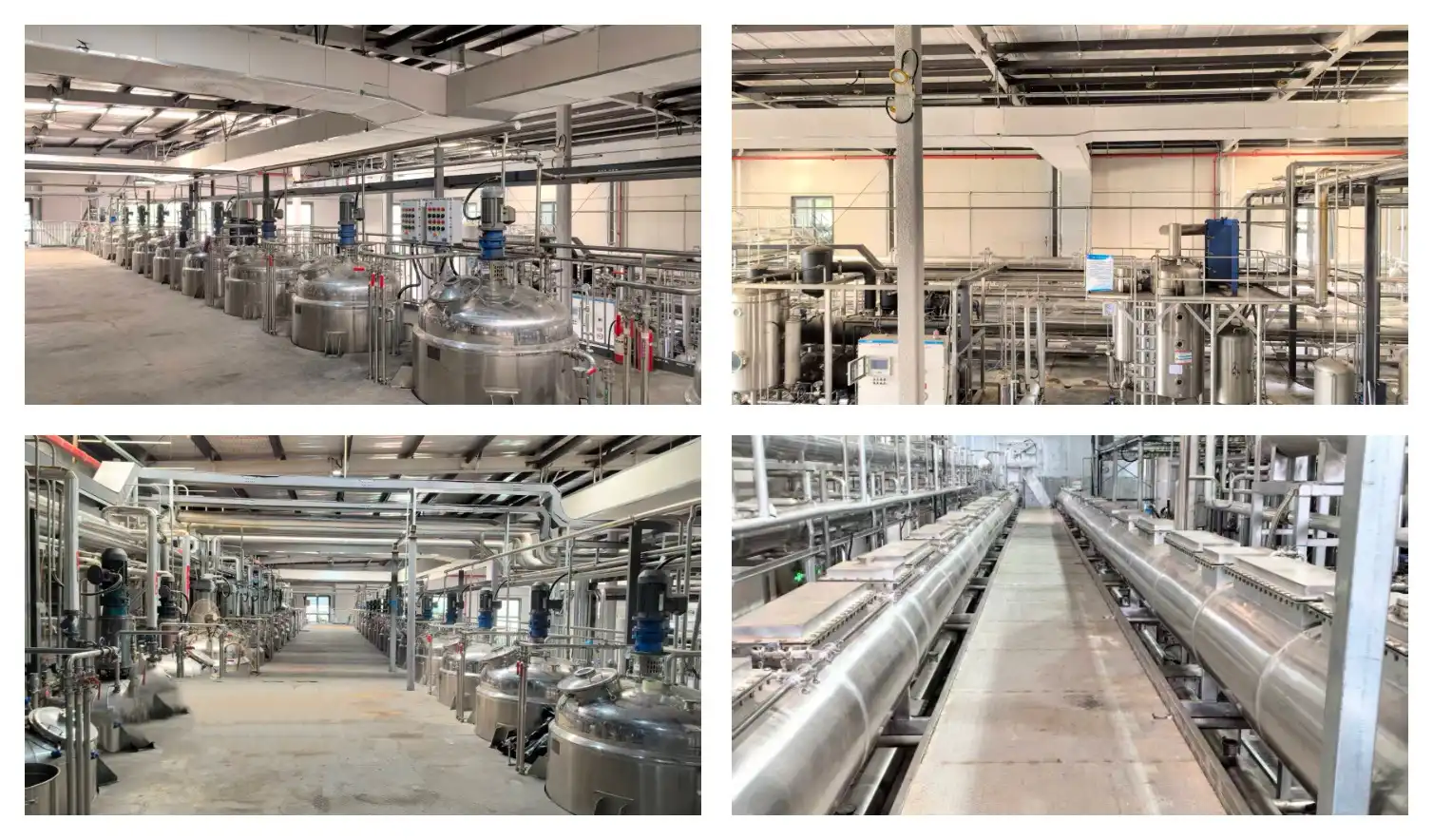
UNIWELL Biotechnology specializes in delivering pharmaceutical-grade botanical extracts standardized through advanced continuous counter-current extraction technology. As a reliable Grapefruit Extract Powder supplier, our citrus extract powder manufacturer capabilities include naringin standardization from 50-98%, supported by comprehensive certifications (FDA, ISO 22000, KOSHER, HALAL) ensuring global market compliance. With over 10 years of production experience and strategic raw material inventories exceeding 100 metric tons, we guarantee three-business-day delivery on standard orders with zero batch-to-batch variation. Contact our team at info@uniwellbio.com to request complimentary samples, technical data sheets, and customized formulation support tailored to your women's health supplement or clinical nutrition product line requirements.
References
1. Alam, M.A., et al. (2014). "Beneficial Role of Naringenin in Obesity and Metabolic Syndrome: A Review of Preclinical and Clinical Evidence." Critical Reviews in Food Science and Nutrition, 54(12), 1500-1516.
2. Gupta, A., and Kumar, S. (2017). "Citrus Bioflavonoids and Their Role in Metabolic Health." Journal of Functional Foods, 33, 214-228.
3. Madrigal-Perez, L.A., and Ramos-Gomez, M. (2016). "Naringenin Improves Carbohydrate and Lipid Metabolism in Metabolic Syndrome." Biomedicine & Pharmacotherapy, 84, 1251-1258.
4. Silver, H.J., et al. (2011). "Effects of Grapefruit on Weight and Insulin Resistance in Metabolic Syndrome." Journal of Medicinal Food, 14(6), 612-617.
5. Sharma, K., et al. (2019). "Pharmacological Properties of Citrus Flavonoids: Focus on Metabolic Health Applications." Phytotherapy Research, 33(4), 883-899.
6. Williamson, G., and Manach, C. (2005). "Bioavailability and Bioefficacy of Polyphenols in Humans: Review of 97 Bioavailability Studies." American Journal of Clinical Nutrition, 81(1), 243S-255S.
Have a project in mind? Share your requirements — we’ll turn your ideas into reliable products.