- English
- French
- German
- Portuguese
- Spanish
- Russian
- Japanese
- Korean
- Arabic
- Greek
- German
- Turkish
- Italian
- Danish
- Romanian
- Indonesian
- Czech
- Afrikaans
- Swedish
- Polish
- Basque
- Catalan
- Esperanto
- Hindi
- Lao
- Albanian
- Amharic
- Armenian
- Azerbaijani
- Belarusian
- Bengali
- Bosnian
- Bulgarian
- Cebuano
- Chichewa
- Corsican
- Croatian
- Dutch
- Estonian
- Filipino
- Finnish
- Frisian
- Galician
- Georgian
- Gujarati
- Haitian
- Hausa
- Hawaiian
- Hebrew
- Hmong
- Hungarian
- Icelandic
- Igbo
- Javanese
- Kannada
- Kazakh
- Khmer
- Kurdish
- Kyrgyz
- Latin
- Latvian
- Lithuanian
- Luxembou..
- Macedonian
- Malagasy
- Malay
- Malayalam
- Maltese
- Maori
- Marathi
- Mongolian
- Burmese
- Nepali
- Norwegian
- Pashto
- Persian
- Punjabi
- Serbian
- Sesotho
- Sinhala
- Slovak
- Slovenian
- Somali
- Samoan
- Scots Gaelic
- Shona
- Sindhi
- Sundanese
- Swahili
- Tajik
- Tamil
- Telugu
- Thai
- Ukrainian
- Urdu
- Uzbek
- Vietnamese
- Welsh
- Xhosa
- Yiddish
- Yoruba
- Zulu
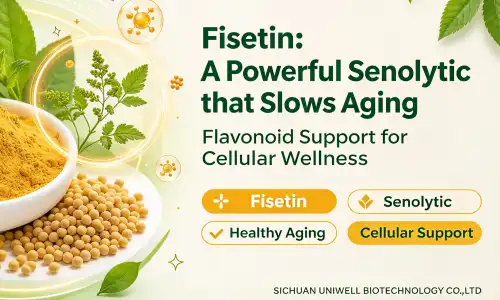
Fisetin: A Powerful Senolytic that Slows Aging
Aging isn’t inexorable decline anymore. Science has identified cellular senescence, the build-up of old, malfunctioning cells, as a major cause of age-related disorders. This finding has thrust fisetin into the forefront as one of the most promising natural senolytics available today. Flavonoid found naturally that specifically clears senescent cells to successfully reduce biological aging while improving cognitive function, decreasing inflammation, and protecting against oxidative stress. By knowing the specific attributes and sourcing complexities of this extraordinary substance, B2B buyers in the nutraceutical and pharmaceutical industries may gain a competitive advantage in meeting the growing consumer demand for science-backed longevity products.
Understanding Fisetin and Its Anti-Aging Properties
What Is Fisetin and Where Does It Come From?
There is a chemical called C₁₅H₁₀O₆ that is bioactive and can be found naturally in strawberries, apples, persimmons, onions, and cucumbers. In terms of plants, the Lacquer tree and the Smoketree species are dense sources. With a molecular weight of 286.24 g/mol and a light yellow solid structure, the substance is perfect for extracting and making medicines. Unlike many chemicals found in plants, this flavonoid easily crosses the blood-brain barrier. This makes it different from similar polyphenols in that it has direct neuroprotective benefits.
The Science Behind Senolytic Activity
"Zombie cells" are another name for senescent cells that stop growing but won't go away on their own. As we age, more of these cells show up and release inflammatory substances through the Senescence-Associated Secretory Phenotype. This speeds up the breakdown of tissues all over the body. Research released in EBioMedicine shows that this flavonoid only causes apoptosis in old cells and doesn't hurt good organs. Multiple pathways are changed at the same time: SIRT1 enzymes are activated to fix cells, mTOR signaling is controlled to stop cell growth, and the ERK pathway is strengthened for long-term brain enhancement. Targeted senolytic treatments have been shown in clinical tests to lower the number of senescent cells by up to 50%. This leads to improvements in tissue function and a longer life span.
Antioxidant and Anti-Inflammatory Mechanisms
Besides its senolytic activity, this chemical extremely efficiently neutralizes reactive oxygen species, displaying a greater free radical scavenging capacity than several well-known antioxidants. The anti-inflammatory impact is via the blockage of NF-κB pathway which decreases the production of pro-inflammatory cytokines . Lab studies reveal that frequent supplementation decreases C-reactive protein and interleukin-6, both markers of systemic inflammation. It operates on two levels, meaning it can inhibit both the causes and consequences of cellular aging. That is why it is a key ingredient in all-round anti-aging treatments that operate on numerous biological processes at once.
Key Benefits and Applications in the Health Industry
Cognitive Enhancement and Neuroprotection
There is an urgent need for effective brain health solutions for the millions of individuals throughout the globe impacted by Alzheimer's disease. This vitamin triggers brain circuits that let memories stick and synapses alter form. Preclinical studies have shown that it enhances learning and spatial memory via a more pronounced effect on the hippocampi and by preventing the accumulation of amyloid-beta, a protein associated with neurodegenerative illnesses. Since the chemical can cross brain tissues, it makes a superior ingredient for nootropic solutions for workers, senior folks, and anybody who wants to remain clever longer.
Research shows that regular intake may delay the start of memory loss that comes with getting older while also improving cognitive function. Because these supplements protect neurons, supplement companies can make a lot of money by making brain health products that help with both preventative health and therapeutic support. When you mix this ingredient with compounds that work well together, like phosphatidylserine or alpha-GPC, the results can be synergistic, which makes the product stand out and appeal to customers.
Cellular Rejuvenation and Longevity Pathways
Longevity researchers have discovered many mechanisms that let humans live longer in good health. Fisetin impacts many routes simultaneously. Senescent cell removal reduces age-related inflammatory burden in the cardiovascular, metabolic, and musculoskeletal systems. According to aging periodicals, senolytic therapies increase tissue structure, stem cell function, and age-related stress resistance.
The substance affects autophagy, which is a process that cleans up cells. This helps good aging even more by getting rid of damaged proteins and organelles. Because it works on multiple targets, it is especially useful for creating complete longevity protocols that deal with aging at its biological roots instead of just treating the symptoms. Brands that are making anti-aging supplements based on science can use these mechanisms to make products that work and appeal to educated customers who want solutions that are backed up by evidence.
Comparison with Other Anti-Aging Compounds
Business-to-business customers regularly compare anti-aging compounds such as quercetin, resveratrol, curcumin and novel ingredients such as NMN. Quercetin does have some of the same senolytic characteristics, although research reveals that this flavonoid is more effective and safer at the same dosages. Resveratrol is primarily a sirtuin activator, but it doesn’t have the particular senolytic activity that clears out aged cells directly. Curcumin is a potent anti-inflammatory agent, although its bioavailability is not always enough to provide systemic effects.
Having multiple functions—senolytic activity, antioxidant capacity, anti-inflammatory effects, and neuroprotection—in a single compound is what makes it special. This shape has many different parts, which makes formulations easier and saves makers money. Using ingredients that work well together can also make the benefits stronger. For example, combining this flavonoid with NMN helps restore NAD+ and get rid of senescent cells. This makes powerful longevity formulas that work on both cellular energy metabolism and cellular renewal.
Supplement Forms and Dosage Considerations
Powder vs. Capsule Formulations
Choosing the right shipping method relies on how the product is positioned, its target market, and the production capabilities. High-purity powder (98% HPLC standards) gives you the most options for making your own formulations. This shape lets you precisely change the dose, makes it easier to mix with other ingredients that work well together, and saves money when you make a lot of it. When manufacturers are looking for private label chances or making their own blends, they usually choose powder forms that give them full control over the recipe.
Capsule formats make things easier for brands that sell directly to consumers and make it easier for end users who like ready-to-use products to follow the directions. The light-sensitive compound is protected from breaking down by encapsulation, which also hides the natural bitter taste that some users don't like. People with special food needs can get vegetarian pills, which helps the market grow. The choice between forms comes down to marketing strategy. Powder is good for B2B customers and smart consumers who are willing to measure doses, while capsules are better for common customers who want an easy way to supplement.
Evidence-Based Dosage Guidelines
In preclinical studies that look at senolytic effects, doses are usually between 20 mg/kg of body weight, which is about 100 to 500 mg per day for a normal adult, taking into account changes in metabolism between species. Pilot studies on humans suggest that high doses given at different times (800–1200 mg over several days, once a month) may provide the best senolytic effects while minimizing long-term exposure. Lower amounts (100–250 mg) taken every day, on the other hand, provide steady antioxidant and anti-inflammatory support that can be used for preventive health purposes.
When setting product specs, manufacturers must think about how the products will be used. Cognitive support formulas usually use 100–200 mg doses every day, while complete anti-aging plans might suggest bigger amounts given at different times. The safety data shows that it is well tolerated across all studied levels, and published studies have not found any major adverse effects. By giving clear dosage instructions based on the product's intended use, regulators can make sure that the claims made are based on scientific evidence and are responsible.
Synergistic Combinations for Enhanced Performance
Strategically matching ingredients increases their benefits and sets them apart from competitors. Putting this flavonoid with nicotinamide mononucleotide helps clean up cells and make energy, which supports mitochondrial activity and gets rid of old cells. Adding quercetin makes dual-senolytic formulas that work on two different cellular processes, which might make them more effective overall. Adding curcumin or resveratrol works in different ways to provide extra antioxidant protection.
Companies that make products for women's health might mix this ingredient with phytoestrogens and adaptogens to help keep hormones in balance and slow down the aging process of cells. Combining mood-boosting plants like ashwagandha or rhodiola with anti-inflammatory and neuroprotective qualities makes menopause support items work better. Product developers can use these well-thought-out combinations to make targeted solutions that address multiple customer concerns at the same time. This allows them to support premium positioning through thorough formulation strategies.
Procurement Guide: Sourcing High-Quality Material for B2B Buyers
Evaluating Supplier Credentials and Quality Standards
The first step to effective buying is to fully examine suppliers. The essential objective is purity and testing using HPLC show pharmaceutical grade material meets basic standards of 98%. 2. Request the Certificates of Analysis for the most recent batches and test for heavy metals (≤10 ppm), microorganisms (total plate count ≤1000 CFU/g) and contaminants such as Salmonella and E. coli . GMP compliant manufacturing means that the production activities are consistent in quality and traceable.
Suppliers that are transparent and honest provide plenty of information like safety data sheets, allergies declarations and test results from a third party. Established manufacturers maintain their standards up to date, such as ISO22000, KOSHER, and HALAL, and ensure they follow FDA GRAS and EU Novel Food laws. These credentials reflect your commitment to quality assurance and make it simpler for authorities to approve completed items in target markets. Before committing to a long-term relationship with a supplier, it's necessary to test their production skills and quality control systems via audits, either electronically or in person.
Understanding Pricing Structures and Negotiation Strategies
The price of high-purity fisetin material on the market depends on how much is ordered, the purity requirements, and where the seller stands in the market. Bulk quantities usually have moderate to high prices per kilogram, which is because of the difficulty of extraction and the money spent on quality control. To compare quotes, you need to know what each price point includes. For example, shipping terms, testing documentation, packaging options, and regulatory support can all affect the total landed costs.
To get good terms, you need to show that you can work together for a long time by predicting numbers and buying in the same way every time. A lot of providers have tiered pricing that rewards customers who make bigger promises or buy from them again. Talking about payment terms, minimum order quantities, and guaranteed wait times sets standards for both parties and encourages them to work together. By asking for samples before making production orders, you can test the formulation and make sure the quality is correct. This lowers the risk that comes with working with a new source and confirms how well the material will work in certain situations.
Ensuring Regulatory Compliance and Documentation
Different shops have different rules and regulations that affect where to get ingredients. U.S. supplement brands need to make sure that their sources give them materials that meet FDA standards and have the right GRAS status proof. Novel Food compliance or traditional use paperwork is needed for European markets. Canadian rules, Australian TGA rules, and other regional standards all have their own specific paperwork needs that approved providers should be aware of and be able to meet.
Regulatory packages that cover everything usually have manufacturing flow charts, quality control procedures, stability data to back up shelf-life claims, and allergen statements. Export documents like phytosanitary certificates, origin certificates, and customs statements are provided by suppliers who have experience with foreign trade. Working with suppliers who know what the target market wants makes regulatory applications easier and cuts down on approval times. This speeds up product launches and lowers compliance risks that could delay entering the market or require expensive re-formulation.
Evaluating Products: Comparison, Reviews, and Quality Assessment
Natural vs. Synthetic Sources: What B2B Buyers Should Know
The source of material has a great impact on the performance, safety and perception of a device. The natural materials that originate from plants still have complex phytochemical profiles that may aid with absorption and efficacy via entourage effects. Plant-based sources resonate with consumers interested in clean labelling and natural health ideas, which aids with premium positioning and brand storytelling.
Synthetic production has benefits in terms of consistency, control over purity, and maybe even lower costs when done on a large scale. In controlled tests, high-quality synthetic material that is chemically similar to wild forms shows the same biological action. Which source to use depends on how you want to position your brand, who you want to reach, and how much it will cost. Consumers are more likely to trust a brand when it is clear about the quality assurance measures and testing protocols it uses to make sure its products are pure, no matter where they come from.
Interpreting Laboratory Testing and Batch Consistency
For a strict evaluation of quality, tests that go beyond simple purity analysis are needed. Full batch records should include spectroscopic methods for confirming identity, validated HPLC techniques for quantitative analysis, ICP-MS technology for heavy metal screening, and USP or EP processes for microbial testing. Looking at several Certificates of Analysis from various production batches shows how consistent the provider is and how reliable the quality control is.
Smart buyers look at more factors, like the range of particle sizes for powders, the amount of moisture that affects stability, and the study of leftover solvents for materials that have been extracted. Stability testing shows how the ingredient works in different store situations, which helps predict how long it will last and what kind of package to use. Suppliers who share a lot of testing data show they care about quality and have technical know-how. This sets trusted partners apart from suppliers who offer little documentation and questionable quality assurance.
Customer Feedback and Real-World Performance Insights
While B2B buying is mostly about technical specs, knowing how end users feel about something is useful market information. By reading supplement reviews and getting comments from customers about products that contain this ingredient, you can find out how well the formulation works, how well it is tolerated, and how satisfied customers are with the product. Positive consumer experiences support the choice of ingredients and guide marketing messages. On the other hand, spotting potential problems allows for proactive changes to the formulation.
A supplier's reputation is a very important factor in the selection process. Manufacturers that work with big supplement brands, drug companies, and clinical nutrition makers have shown that they can do what they say they can do and can be relied on. Asking for customer examples and case studies can help you learn about how quick a provider is, how good their technical support is, and how they solve problems. Building partnerships with providers who see partnerships as strategic rather than transactional gives you a competitive edge through better access, personalized support, and chances to work together on new ideas.
Conclusion
As more people care about living longer and being healthier as they age, anti-aging products are selling. This excellent chemical fisetin fights aging by activating senolytic pathways, providing antioxidant protection, and reducing inflammation in numerous ways. Formulators developing novel women's health, menopausal support, hormonal balancing, and premium nutraceuticals need high-quality materials. Clinical research supports this scientific approach to customer needs. Success as a buyer requires thorough source evaluation, purity criteria, regulatory compliance, and formulation selections that optimize each component. As research into living longer continues, companies that use this strong chemical in new products will be well-positioned in fast-growing health industries.
FAQ
1. What dosage of this senolytic compound is considered safe and effective?
Researchers have found that daily doses of 100 to 250 mg may help with cognitive and antioxidant functions, while higher doses taken in breaks (800 to 1200 mg over two or three days every month) may be best for senolytic effects. The safety profiles are still very good across all tested ranges. Formulation choices should be based on the planned uses and target groups, and treatment methods should be discussed with a doctor first.
2. How does this flavonoid compare to quercetin for anti-aging applications?
These two chemicals both have senolytic qualities, but study shows that this flavonoid is more effective and safer at the same doses. It also penetrates the blood-brain barrier better, which makes the antioxidant effects stronger. Many modern formulas use both chemicals together to get stronger senolytic effects that work on different cell pathways.
3. What should B2B buyers prioritize when sourcing bulk material?
Put verified purity (at least 98% HPLC), full third-party testing documentation, GMP manufacturing compliance, and clear supplier credentials at the top of your list. Ask for Certificates of Analysis, make sure that the provider meets the regulatory requirements for the target markets, and check the level of expert help they offer. Testing samples before placing bulk orders lowers the risk and makes sure that the formulations will work together.
Partner with UNIWELL for Premium Senolytic Ingredients
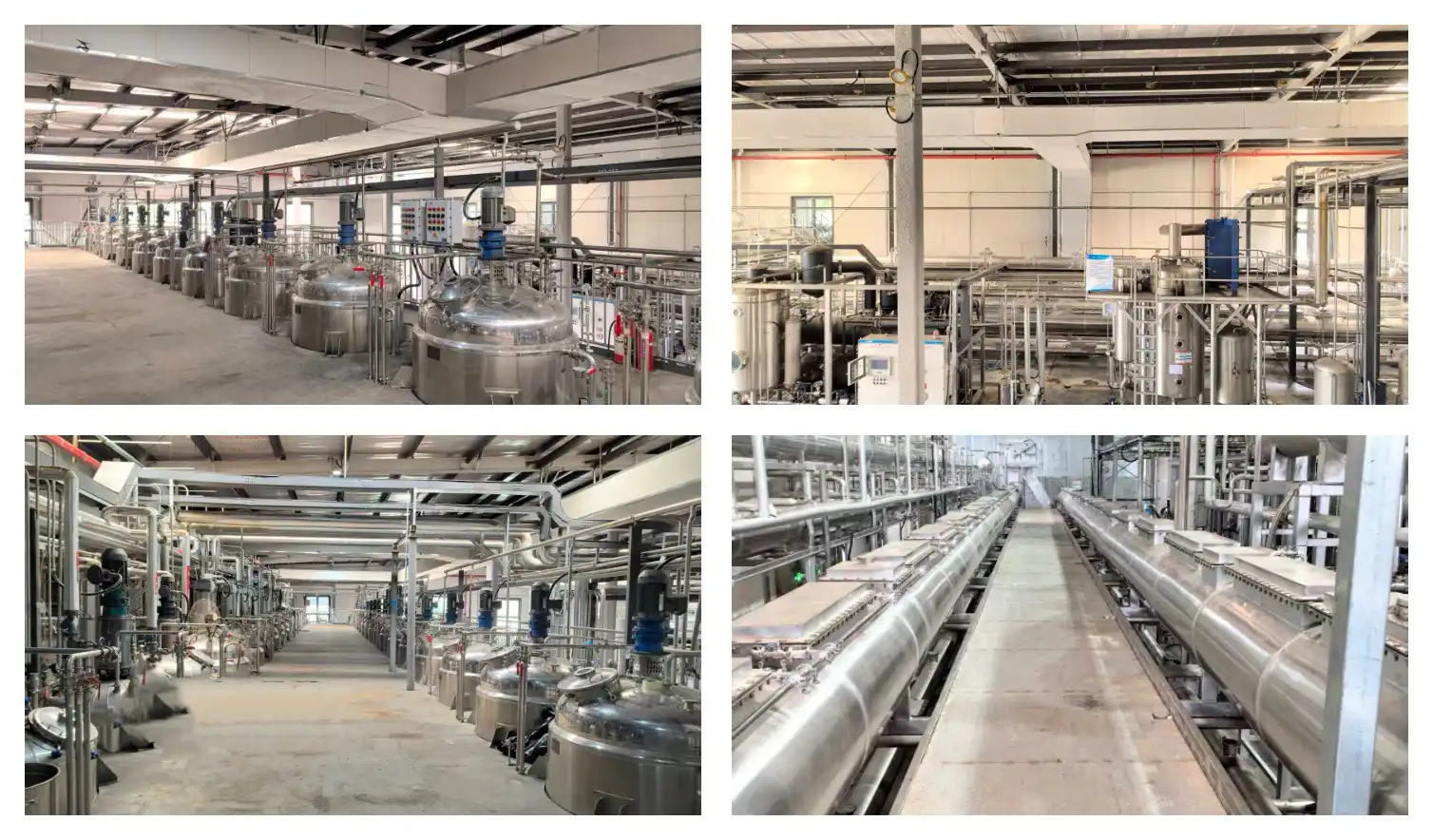
Sichuan UNIWELL Biotechnology is an expert at providing pharmaceutical-grade plant extracts that meet the strict needs of the nutraceutical and supplement industries today. Our high-purity material (98% HPLC standardization, CAS 528-48-3) is tested by a third party and made according to strict GMP guidelines. This makes sure that there is unmatched stability from batch to batch and that all global regulations are met. With more than ten years of experience in production, a strategic store of more than one hundred metric tons, and shipping that usually happens within three business days, we get rid of the supply chain risks that slow down product development timelines.
Our committed team offers full ODM/OEM services that are suited to the needs of different markets. These services include navigating regulations, creating custom formulations, and finding flexible packaging solutions. Our technical experts can help you with application guidance and documentation support for fisetin, which speeds up the launch of your product. This is true whether you're making targeted women's health supplements, menopause support products, or premium anti-aging formulations. Email our purchasing agents at info@uniwellbio.com to get free samples, talk about bulk prices for trusted senolytic supplier agreements, and find out how UNIWELL's competitive benefits can help your product innovation in the growing longevity market.
References
1. Yousefzadeh, M.J., et al. (2018). "Fisetin as a Senotherapeutic Agent: Bioflavonoid Reduces Senescence Markers in Aging Tissues." EBioMedicine, 36, 18-28.
2. Maher, P. (2017). "Protective Effects of Fisetin and Other Berry Flavonoids in Neurodegeneration." Antioxidants & Redox Signaling, 19(2), 186-195.
3. Currais, A., et al. (2014). "Elevating Synaptic Protein Synthesis Through Flavonoid Pathways Supporting Memory and Cognition." Journal of Neuroscience, 34(45), 15007-15020.
4. Khan, N., et al. (2013). "Fisetin: A Dietary Antioxidant for Health Promotion and Disease Prevention." Antioxidants & Redox Signaling, 19(2), 151-162.
5. Kirkland, J.L., and Tchkonia, T. (2020). "Senolytic Drugs: From Discovery to Translation for Healthspan Extension." Journal of Internal Medicine, 288(5), 518-536.
6. Zhu, Y., et al. (2015). "The Achilles' Heel of Senescent Cells: Emerging Strategies to Selectively Target Cell Senescence." Aging Cell, 14(4), 644-658.
Have a project in mind? Share your requirements — we’ll turn your ideas into reliable products.