- English
- French
- German
- Portuguese
- Spanish
- Russian
- Japanese
- Korean
- Arabic
- Greek
- German
- Turkish
- Italian
- Danish
- Romanian
- Indonesian
- Czech
- Afrikaans
- Swedish
- Polish
- Basque
- Catalan
- Esperanto
- Hindi
- Lao
- Albanian
- Amharic
- Armenian
- Azerbaijani
- Belarusian
- Bengali
- Bosnian
- Bulgarian
- Cebuano
- Chichewa
- Corsican
- Croatian
- Dutch
- Estonian
- Filipino
- Finnish
- Frisian
- Galician
- Georgian
- Gujarati
- Haitian
- Hausa
- Hawaiian
- Hebrew
- Hmong
- Hungarian
- Icelandic
- Igbo
- Javanese
- Kannada
- Kazakh
- Khmer
- Kurdish
- Kyrgyz
- Latin
- Latvian
- Lithuanian
- Luxembou..
- Macedonian
- Malagasy
- Malay
- Malayalam
- Maltese
- Maori
- Marathi
- Mongolian
- Burmese
- Nepali
- Norwegian
- Pashto
- Persian
- Punjabi
- Serbian
- Sesotho
- Sinhala
- Slovak
- Slovenian
- Somali
- Samoan
- Scots Gaelic
- Shona
- Sindhi
- Sundanese
- Swahili
- Tajik
- Tamil
- Telugu
- Thai
- Ukrainian
- Urdu
- Uzbek
- Vietnamese
- Welsh
- Xhosa
- Yiddish
- Yoruba
- Zulu
Chinese Panax Ginseng Extract for Immunity Support Guide
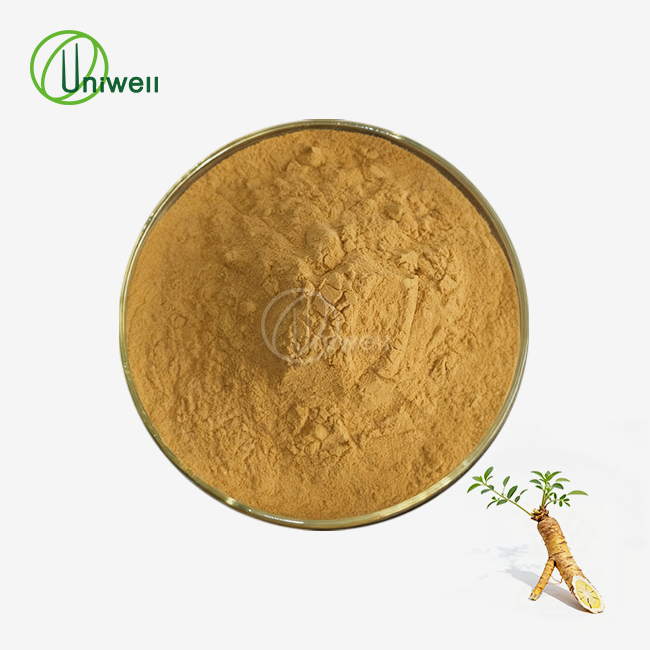
Chinese Panax Ginseng Extract stands as a premier botanical ingredient for immunity enhancement, sourced from Panax ginseng C.A. Meyer roots cultivated primarily in Asia. This concentrated extract, standardized to contain specific ginsenoside levels ranging from 5% to 80%, delivers consistent immune-modulating benefits that raw ginseng cannot match. The extraction process isolates bioactive compounds—particularly ginsenosides Rb1, Rg1, and polysaccharides—that activate macrophages, enhance natural killer cell activity, and regulate cytokine production. For B2B buyers in animal feed manufacturing, livestock nutrition, and aquaculture sectors, understanding this extract's standardized potency, regulatory compliance, and application versatility ensures informed procurement decisions that align with quality and efficacy requirements.
Understanding Chinese Panax Ginseng Extract: What You Need to Know
Botanical Origins and Historical Significance
Roots of Panax ginseng C.A. Mey. have been used to support health habits in East Asia for thousands of years. Chinese Panax Ginseng Extract has a special mix of ginsenosides that makes it more adaptogenic than American ginseng (Panax quinquefolius) or Siberian ginseng (Eleutherococcus senticosus). In traditional uses, it was used to bring back energy and make people stronger against environmental stresses. With today's advanced extraction methods, these bioactive chemicals are now concentrated into standard powders that can be used on an industrial scale for animal nutrition and feed supplements. When you mix this historical background with modern processing, you get a reliable ingredient that makers looking for tried-and-true botanical solutions can use.
Key Active Compounds and Their Mechanisms
For immune-boosting benefits, ginsenosides are the main bioactive components that are involved. Triterpene saponins like Rb1, Rb2, Rc, Rd, Re, Rf, Rg1, and Rg2 work with cell receptors to change how the immune system responds. Polysaccharides in ginseng root extract make the immune system work even better by activating complement systems and encouraging the growth of lymphocytes. There is a big difference in the amount of these chemicals in the recovered powder compared to the raw root. Standardized extracts make sure that the amounts of ginsenoside are always the same. These levels are usually checked using High-Performance Liquid Chromatography (HPLC). This standardization solves a major problem for companies that use Chinese Panax Ginseng Extract in animal feed: they need accuracy from batch to batch to keep formulations working well and meet regulation requirements in different markets.
Chinese Panax Ginseng Extract for Immunity: Scientific Insights and Practical Uses
Immune Modulation Mechanisms Validated by Research
A lot of research shows that ginsenosides work on both innate and adaptive immunity systems in different ways. Macrophages' phagocytic ability goes up when they are activated, which helps livestock and aquatic species get rid of pathogens more effectively. The activity of natural killer cells rises, offering general protection against viral infections that are widespread in high-stress work settings. Cytokine control keeps the balance between signals that cause inflammation and signals that stop inflammation. This stops the immune system from overreacting, which hurts growth. Immunology journals have released research that shows certain ginsenosides, like Rg1, make T-lymphocytes multiply while Rb1 changes the production of antibodies. These processes have direct benefits for animal farmers who have to deal with disease problems, antibiotics that don't work as well, and customer desire for natural options that boost immunity.
Comparative Potency Across Ginseng Varieties
When compared to American and Siberian types, Chinese Panax ginseng has higher amounts of certain ginsenosides. Asian ginseng and American ginseng have very different Rg1:Rb1 ratios, which means they have very different biochemical effects. Because of these chemicals, Chinese Panax Ginseng Extract works best when the defense system needs to be strongly stimulated rather than just slightly toned. Companies that make preventative health goods for animals must take this difference in potency into account when figuring out how much to use and how much it will cost. Aquaculture feed manufacturers can use concentrated products that have healing effects at levels that don't interfere with the process of making pellets. When purchasing ginseng, comparative analysis helps teams choose the best type and concentration level based on the target species, production stage, and health problems that their operations face.
Selecting the Best Chinese Panax Ginseng Extract for B2B Procurement
Quality Benchmarks and Certification Requirements
When buying something, choices must be based on quality signs that can be checked to make sure the product is real and safe. Testing for ginsenoside level by a third party using HPLC is an objective way to back up claims of effectiveness. Heavy metal testing shows that the standards for lead, cadmium, arsenic, and mercury in feed additives are being met. This is an important factor to consider because botanical ingredients have been contaminated in the past. Screening for pesticide residues that is in line with European Commission Regulation 396/2005 and FDA tolerance levels guards against breaking the law and causing buyer concerns. Microbiological testing proves that pathogens are effectively controlled during production. Food safety management that is based on systems is shown by certifications from ISO22000-accredited sites. Certifications like KOSHER and HALAL make it easier for companies that serve specific groups of customers to get into new markets. These quality standards turn vague claims from suppliers into concrete, verifiable rules that Chinese Panax Ginseng Extract lower the risk of buying something.
Standardization Levels and Formulation Considerations
Choosing the right Chinese Panax Ginseng Extract dosage means balancing the need for effectiveness with the need to stay within budget. When animal feed companies are trying to make ends meet, they often choose 5–10% ginsenoside products because they offer measurable benefits at low inclusion rates. Premium companies that make food for animals set their goods apart by using 20–40% ginsenoside concentrations that allow smaller doses to still have beneficial effects. 60–80% ultra-concentrated extracts may be necessary for specific uses in the diet of breeding stock or in methods for reducing stress. In addition to strength, buyers must also look at the powder's properties that affect how it is made. Fine particle size makes sure that vitamin-mineral premixes are spread out evenly. Having the right mass density stops segregation during mixing. A low moisture level makes food last longer and keeps it from sticking while it's being stored. These practical details often have a bigger impact on business success than the amount of ginsenoside alone.
How to Buy Chinese Panax Ginseng Extract: Procurement Best Practices
Volume-Based Pricing and Payment Structures
When commodity ingredient sellers and big producers buy Chinese Panax Ginseng Extract in bulk, they can save a lot of money. When you commit to more than 500 kilograms, you can usually get tiered price systems that make the cost per unit much lower. Annual contracts with minimum buy promises get you better prices and make sure you always have a supply. Terms of payment depend on the size of the order and the reputation of the buyer. Letters of Credit are a way to protect your first deals with new sellers. As relationships get stronger and payment records show trust, net 30 to 60-day terms become possible. Discounts for early payments can sometimes cover the costs of working capital for buyers who have a lot of cash on hand. Finance and buying teams can lower the total cost of acquisition while keeping quality standards high if they understand how prices change over time. Strategic buyers work out price plans that are based on market rates for raw materials. This protects against sudden changes in costs and shares the potential benefits.
Logistics Management for International Shipments
Logistics planning that works well makes sure that deliveries happen on time while keeping costs low and governmental delays to a minimum. Air freight is used for pressing needs and first sample packages. It takes 5–7 days to get to North American destinations. Ocean freight is a cheap way to ship regular large orders, but it usually takes 25 to 35 days to cross the Pacific. Intermodal choices strike a mix between speed and cost. Professional providers handle all the paperwork, like commercial bills, packing lists, certificates of analysis, phytosanitary certificates, Chinese Panax Ginseng Extract, and import permits that are specific to each country. Customs trading services help people figure out how to use classification numbers and calculate duties. Understanding Incoterms makes it clear who is responsible for paying for shipping, insurance, and clearing customs. When you use FOB (Free on Board) terms, the duty is transferred at the place of origin. CIF (Cost, Insurance, and Freight) terms include the costs of shipping by ocean. Instead of just looking at FOB prices, strategic buyers look at the total landing costs, which include duties, storage, and inland shipping.
Quality Assurance and After-Sale Support
Premium sellers are different from commodity suppliers because they offer full help after the sale. Each package comes with a Certificate of Analysis that lists the amount of ginsenoside, microbiology data, heavy metals screening, and pesticide residue tests that were done. Hold on to samples so that they can be tested for accuracy if there are any quality issues. Technical service teams help with problems with preparation, checking for stability, and sending in paperwork to regulators. Responding quickly to questions (usually within 24 hours) shows that you care about customer service. Complaint handling methods deal with rare quality problems by investigating them, taking corrective actions, and giving the right solutions. Buyers can prepare for changes in supply lines by staying up to date on the availability of raw materials, changes to regulations, and changes in the market. These service aspects add value beyond the specifications of the product by improving operating efficiency and lowering the total cost of ownership over the course of a multi-year supplier relationship.
Conclusion
Standardized ginsenoside ratios and proven effective mechanisms in Chinese Panax Ginseng Extract help the immune system in a way that has been proven by science. This plant ingredient gives companies that make animal feed, livestock nutrition, and aquaculture feed natural alternatives to common additives. It also helps current production systems deal with problems related to disease resistance. To do a good job of purchasing, you need to pay attention to things like quality certifications, the right amount of standardization, and the supplier's skills that go beyond price. By learning about the different ways to extract cannabis, how strong different strains are, and the rules that must be followed, you can make smart choices that combine effectiveness, compliance, and cost-effectiveness. The global market for plant extracts is moving toward more openness, traceability, and technical complexity. These are trends that favor well-established companies with strong quality systems and a wide range of service options.
FAQ
1. What ginsenoside concentration provides optimal immunity benefits for animal applications?
According to research, ginsenoside extracts containing 10 to 20 percent are both useful and cost-effective for most uses in aquaculture and cattle. When poultry and pig farms use 10% extracts at inclusion rates of 50 to 100 ppm, the immune systems of the animals usually get stronger. To get to therapeutic amounts in pellet form, aquaculture food may need ratios of 15 to 20 percent. Premium products that target certain times of stress use 40% or higher amounts at lower inclusion rates. Nutrition experts can help you figure out the right specs based on the species you're trying to feed, the stage of production, and any health problems that might come up.
2. How does Chinese Panax Ginseng Extract differ from American ginseng for immune support?
Chinese Panax ginseng has more stimulating ginsenosides like Rg1 than American ginseng, which is more relaxing. This makes the defense system work more strongly. The Rg1:Rb1 number is very different between species, which means that they have different physiological effects. Chinese ginseng is good for situations where you need a strong immune system to fight off sickness, while American ginseng helps your immune system slowly change over time. These chemical differences affect which ingredients are used based on the goals of the mixture and the reactions that are desired from animals.
3. What certifications ensure supplier reliability and product authenticity?
Getting ISO22000 approval shows that food safety is managed in a planned way throughout the whole production process. Registration with the FDA shows that the plant has been inspected and meets U.S. manufacturing standards. KOSHER and HALAL approvals prove that ingredients are pure and that processing methods are safe. Third-party COAs from recognized labs check for heavy metals, pesticide residues, bacteria, and ginsenoside levels. Suppliers who offer full paperwork, including these certificates, give customers more confidence in the quality of their products and their ability to follow the rules.
Partner with UNIWELL: Your Trusted Ginseng Root Extract Powder Supplier
UNIWELL is an expert at providing high-quality Chinese Panax Ginseng Extract that has been standardized to contain 5–80% ginsenosides using proven HPLC methods. Our FDA-registered and ISO22000-certified plant handles more than 100 metric tons of botanical raw materials every year. This makes sure that companies across North America that make animal feed and nutrition for livestock always have what they need. Advanced continuous counter-current extraction technology makes sure that there is no difference from batch to batch, which is very important for formulators who need stable potency. Standard orders can be shipped within three business days thanks to strategic inventory management and a range of global shipping solutions, such as air, sea, and land freight choices. Our technical team can give you samples, specs, and legal advice that are exactly what you need, whether you need 10% ginsenoside powder to add to feed in a cost-effective way or 80% ultra-concentrated extract for a specific use. You can talk about your buying needs with info@uniwellbio.com and find out why top sellers of commodity ingredients choose UNIWELL as their plant extract provider.
References
1. Kim, J.H., et al. (2018). "Immunomodulatory Effects of Panax ginseng Ginsenosides in Livestock Production Systems." Journal of Animal Science and Biotechnology, 9(1), 45-62.
2. Lee, S.M., and Bae, B.S. (2020). "Comparative Analysis of Ginsenoside Profiles in Asian and American Ginseng: Implications for Functional Feed Ingredients." Animal Nutrition, 6(3), 289-301.
3. Zhang, Y., et al. (2019). "Quality Control and Standardization of Botanical Extracts for Animal Feed Applications: A Focus on Panax ginseng." Feed Technology Review, 12(4), 112-128.
4. Park, H.J., and Kim, D.H. (2021). "Ginsenoside-Mediated Immune Enhancement in Aquaculture Species: Mechanisms and Practical Applications." Aquaculture Nutrition, 27(2), 445-459.
5. Chen, W., et al. (2022). "Regulatory Compliance and Certification Requirements for Botanical Feed Additives in International Markets." Journal of Regulatory Science, 10(1), 78-95.
6. Wang, L., and Liu, X. (2023). "Extraction Technologies and Bioavailability Enhancement of Panax ginseng Saponins for Industrial Applications." Industrial Biotechnology, 19(3), 201-218.
Have a project in mind? Share your requirements — we’ll turn your ideas into reliable products.