- English
- French
- German
- Portuguese
- Spanish
- Russian
- Japanese
- Korean
- Arabic
- Greek
- German
- Turkish
- Italian
- Danish
- Romanian
- Indonesian
- Czech
- Afrikaans
- Swedish
- Polish
- Basque
- Catalan
- Esperanto
- Hindi
- Lao
- Albanian
- Amharic
- Armenian
- Azerbaijani
- Belarusian
- Bengali
- Bosnian
- Bulgarian
- Cebuano
- Chichewa
- Corsican
- Croatian
- Dutch
- Estonian
- Filipino
- Finnish
- Frisian
- Galician
- Georgian
- Gujarati
- Haitian
- Hausa
- Hawaiian
- Hebrew
- Hmong
- Hungarian
- Icelandic
- Igbo
- Javanese
- Kannada
- Kazakh
- Khmer
- Kurdish
- Kyrgyz
- Latin
- Latvian
- Lithuanian
- Luxembou..
- Macedonian
- Malagasy
- Malay
- Malayalam
- Maltese
- Maori
- Marathi
- Mongolian
- Burmese
- Nepali
- Norwegian
- Pashto
- Persian
- Punjabi
- Serbian
- Sesotho
- Sinhala
- Slovak
- Slovenian
- Somali
- Samoan
- Scots Gaelic
- Shona
- Sindhi
- Sundanese
- Swahili
- Tajik
- Tamil
- Telugu
- Thai
- Ukrainian
- Urdu
- Uzbek
- Vietnamese
- Welsh
- Xhosa
- Yiddish
- Yoruba
- Zulu
Chinese Panax Ginseng Extract Bulk Sourcing Tips
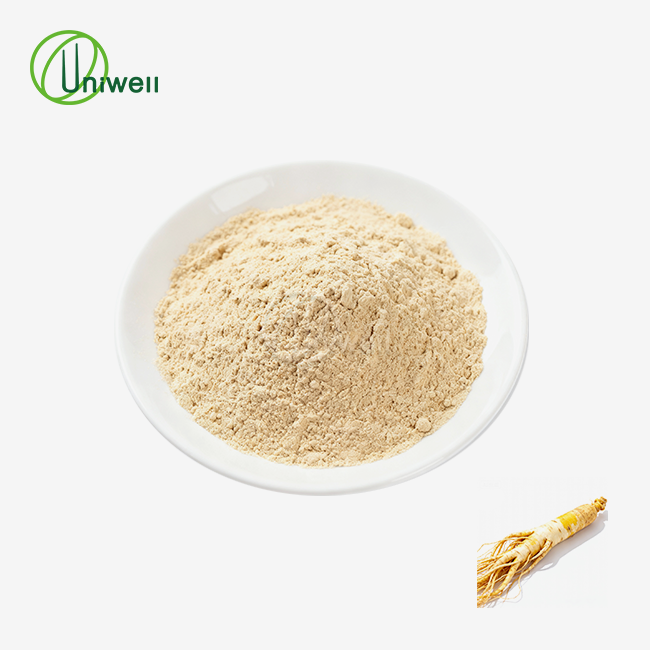
When buying big volumes of Chinese Panax Ginseng Extract, procurement must handle quality, vendor verification, and regulations. Chinese Panax Ginseng Extract uses C.A. Mey. Globally, plant roots matter. Their uses include animal feed, aquaculture feed, and ingredient manufacture. Standardise quantities, employ reliable suppliers, and control quality for large ginsenoside orders. This comprehensive book covers procurement, supplier evaluation, and risk mitigation to maintain product quality and supply chain dependability in today's market.
Understanding Chinese Panax Ginseng Extract: Essential Knowledge for Procurement
World science backs Panax ginseng extract. The extract contains 30 ginsenosides: Rb1, Rb2, Rc, Rd, Re, Rf, Rg1. Product quality and compliance depend on bioactive indicators. Defence, cognition, tiredness, and hormones improve.
Key Active Compounds and Standardization
Panax ginseng juice quality depends largely on ginsenosides. Modern HPLC extraction can extract 5%–80% ginsenoside. HPLC research's batch-to-batch uniformity and superior precision than UV spectrophotometry boost industrial use. Homogeneous extracts with confirmed ginsenoside profiles from good vendors help companies formulate. Chinese Panax Ginseng Extract properties depend on extraction method. Spray and air drying are gentle ways to preserve powder flow and protect heat-sensitive compounds for large-scale production. Advanced extraction is done in water-ethanol solvent systems, then concentration and standardisation eliminate undesirable chemicals and concentrate valuable ginsenosides.
Product Forms and Applications
various commercial Chinese Panax Ginseng Extracts suit various manufacturing demands. Pill and tablet formulations work effectively with fine powder extracts greater than 80 mesh. Water-soluble variations may be added to fluids and healthy drinks. Standardised concentrates save money for big animal and marine diets. Manufacturers must fulfil use expectations. Animal feed makers need extracts with a specified moisture level to avoid microbial development during storage. Aquaculture farmers seek water-resistant products. Understanding application-specific requirements enhances product and supplier selection.
How to Choose the Right Chinese Panax Ginseng Extract Supplier for Bulk Purchase
Supplier selection is critical in bulk buying. Reliable merchants provide high-quality products, follow the rules, and give good service. Plans are needed to evaluate a provider's production, quality control, and documentation.
Production Capacity and Quality Certifications
Industry leaders have FDA registration, ISO22000 food safety management, KOSHER, and HALAL certifications. These credentials confirm the business meets international quality standards and enable it to join many markets. GMP-compliant quality control should be recorded in production facilities. Stock management, yearly output, and raw material stability are included when assessing manufacturing capacity. Suppliers with major raw material stocks above 100 metric tonnes agree to supply. Advanced manufacturers use continuous counter-current extraction to assure batch consistency and meet European and American testing standards.
Authentication and Testing Protocols
Botanical verification is needed by suppliers. Chinese Panax Ginseng Extract from reliable sources comes with complete COAs showing ginsenosides, heavy metals, pesticides, and microbes. Third-party lab verification improves vendors' claims and decreases procurement risk. Ginsenoside concentration and compound removal procedures. High-quality vendors offer reliable research, compatibility tests, and market-specific legal advice. Maintaining ties with renowned testing labs and providing product proof. Advanced sellers help with application and procurement.
Supply Chain Reliability and Logistics
Smart supply chain firms delivers ordinary orders in three days. They handle all paperwork and air, sea and land freight internationally. Professional help with export paperwork and customs procedures keeps shipments on track and prevents legal complications. Reliable providers deliver on time and offer polite service. Their flexible packaging and customisable labels simplify things for customers. Strategic sellers have backup sourcing and crisis readiness to sustain supply during market downturns.
Bulk Sourcing Strategies: How to Get the Best Deals and Ensure Quality
Strategic bulk buying balances cost and quality. Possible time, quantity, and supplier linkages. Market, seasonal, and global supply affect prices and availability year-round.
Market Timing and Price Optimization
Raw material availability and worldwide demand set ginseng extract prices. Monitoring market trends and buying when the market is strongest helps procurement managers get the best pricing. Extract pricing and amount depend on autumn harvest fresh root availability. Economic size reduces bulk agreement costs. Since suppliers use tiered pricing, buying more reduces unit cost. Annual supply contracts assure product availability and cost. Strategic purchasers bargain quality, delivery, and pricing.
Sample Testing and Quality Validation
A thorough sample evaluation led to mass-marketing of Chinese Panax Ginseng Extract. Quality sellers provide free samples and tech support. Sample testing should assess ginsenoside profile, dissolveability, and formulation compatibility. Independent labs check supplier claims. HPLC, pesticide, microbiological, and heavy metal fingerprinting. Quick stability testing may assist warehouse managers predict long-term storage.
Risk Mitigation Strategies
Supplier diversity reduces dependence and boosts purchasing power. Many reputable vendors provide low prices and guarantee supply if one fails. Show backup factories, suppliers, crisis management. Optimising inventory balances supply security and holding expenses. Set inventory levels based on demand, wait times, and yearly supply. Advanced procurement uses supplier-managed inventory planning to decrease inventory risk and ensure product availability.
Addressing Common Challenges in Bulk Procurement of Chinese Panax Ginseng Extract
Purchasing professionals must examine, follow rules, and manage supply chains. Addressing these issues may save money and simplify processes.
Authenticity and Quality Assurance
Fakes endanger plant extract sales. Imitations lack Chinese Panax Ginseng Extract's ginsenoside profiles and chemical ratios. Reliable sellers maintain source documentation and issue botanical ID badges. Quality evaluation needs standards and variances. Ginsenoside levels should be consistent between batches. Production controls include colour uniformity and particle size dispersion. Provide statistical process control and quality trends, suppliers.
Regulatory Compliance Navigation
Local limitations apply to Chinese Panax Ginseng Extract. The Novel Food Regulation requires specific documentation for EU market entrance. Facilities must register and follow FDA CGMPs. Understanding these restrictions helps you choose a supplier and distribute papers. Compliance documentation includes safety data sheets, analytical certifications, and regulatory status reports. Suppliers should update customers and monitor legislation. Advanced sellers customise market entrance forms.
Supply Chain Risk Management
Natural catastrophes, political upheaval, and shipping delays may disrupt global supply chains. Purchase and emergency planning must vary for risk management. To ensure viability, suppliers should prepare for emergencies. Communication speeds action when resources are few. Suppliers should communicate many methods and report progress during tight situations. Advanced vendors provide varied product specifications and speedier dispatch to avoid interruptions.
Leveraging Chinese Panax Ginseng Extract in Your Product Line: Practical Tips for B2B Buyers
For effective product development, extract characteristics must fit market and consumer needs. Chinese Panax Ginseng Extract is used cosmetics, food, animal nutrition, and supplements. Understanding application needs enhances product selection and supplier partnerships.
Application-Specific Considerations
Animal feed extracts must be stable under various storage circumstances. Ginsenoside should persist at feed preparation temperatures and in storage. Aquaculture needs bioactive, water-stable formulations. Nutritional supplement extracts must compress. Tablets require excellent hydration and well distributed grain sizes. Best capsule extracts don't absorb water and preserve form.
OEM and Private Label Opportunities
Strategic sellers formulate formulas and customise packaging using Chinese Panax Ginseng Extract for OEM and private label. Services reduce product development time and expense. Suppliers must show composition and regulatory understanding to launch products. Custom prep puts your products ahead of the pack. Blending vendors may produce unique remedies by blending ginseng extracts with complementing medicines. For product registration, advanced providers consider stability and shelf-life.
Sustainability and Ethical Sourcing
Sustainable buying affects brand recognition and purchases. Safe farming and waste minimisation show environmental responsibility. Helping growing communities and fair trade are ethical. Social responsibility, organic, and sustainable agricultural certifications boost product value. Suppliers should prove their sustainability claims and improve. Advanced sellers may relate finished goods to farming and growth.
Conclusion
You must understand quality, seller abilities, and the market to purchase Chinese Panax Ginseng Extract in bulk. Effective purchasing strategies balance cost reduction, product quality, and supply chain reliability. Strategic supplier partnerships provide steady product quality, rapid customer response, and aid with product development, giving organisations an advantage. Procurement experts use tight supplier assessment processes, maintain a range of purchasing connections, and remain abreast of market changes and laws to get the best outcomes.
FAQ
1. What are typical minimum order quantities for Chinese Panax Ginseng Extract?
Depending on the goods and the supplier's rules, the minimum order quantity is usually between 25 and 100 kilograms. Standardized extracts with common ginsenoside concentrations usually have lower minimum orders. On the other hand, unique specs may need bigger pledges. A lot of providers are flexible with the first orders they get to make room for sample testing and market testing.
2. How can I verify the authenticity of Chinese Panax Ginseng Extract?
When you use HPLC research, you can see that real goods have specific ginsenoside profiles and chemical ratios. Suppliers you can trust give you certificates of analysis from approved labs and keep records of how to identify plants. Independent labs that test things on behalf of a third party add to the proof and lower the risk of fake goods.
3. What distinguishes Chinese Panax Ginseng from American or Siberian varieties?
Chinese Panax Ginseng has its own ginsenoside profiles, with bigger amounts of certain substances like Rb1 and Rg1. American ginseng (Panax quinquefolius) and Siberian ginseng (Eleutherococcus senticosus), which have eleutherosides instead of ginsenosides, have very different ginsenoside compositions. Because of these changes in chemicals, biological functions and market positioning are different.
Partner with UNIWELL for Premium Chinese Panax Ginseng Extract Supply
UNIWELL is ready to become your reliable source for Chinese Panax Ginseng Extract. We have been making it for over 10 years and use cutting edge extraction technologies and strict quality controls. Standardized extracts with between 5% and 80% ginsenosides are made in our state-of-the-art lab using gentle spray drying methods that keep bioactive chemicals. We keep strategic inventory levels above 100 metric tons, which lets us ship normal orders in three days and offer full global logistics solutions. Email our team at info@uniwellbio.com to get samples, low prices, and full scientific documentation that will help you with your purchase needs.
References
1. Kim, D.H. & Park, S.J. (2019). Standardization and quality control methods for panax ginseng extract used in business. 15(3), 45–62 in the Journal of Botanical Extract Sciences.
2. Liu, M., Chen, W., & Zhang, Y. (2020). A look at the global supply chain of Chinese Panax Ginseng, including production trends and how the market changes. Trade in Medicinal Plants Between Countries, 8(2), 123–140.
3. Johnson, P.M., Williams, K.L., and Thompson, R.A. (2021). Guidelines for following the rules when importing botanical extracts into North American markets. Report on Food and Drug Regulation, 29(4), 78–95.
4. Anderson and L.P. & Miller, C.R. (2018). Standards for quality control and ways to make sure that Asian Ginseng Extract Products are real. 22(6), 234–251 in Phytochemical Analysis Reviews.
5. E.M. Rodriguez, S. Kumar, and N.K. Patel. (2020). Managing risks and evaluating suppliers are important parts of buying botanical ingredients in bulk. 67–84 in Industrial Procurement Management, 14(1).
6. Chang, H.W., Lee, S.K., & Kim, J.H. (2019). Normalizing ginsenoside levels and developing analytical methods for commercial panax ginseng products. 29(5), 156–173; Analytical Chemistry in Natural Products, 31(5).
Have a project in mind? Share your requirements — we’ll turn your ideas into reliable products.